The cars passed by in a blur, taillights blinking in the driving rain. Philipp Richter shifted the Ferrari into fifth gear and savoured the responsive roar of the engine as the speedometer inched clockwise… 70 mph… 80 mph… 90 mph.
He had drunk a few glasses of wine and he felt a surge of self-assurance as he weaved through the rush-hour traffic.
It all unravelled in a second. The car in front slowed and he slammed on the brakes a fraction too late, spinning out of control and smashing the vehicle into the wall of the underpass.
“I really should not be drinking,” he laughed, as he climbed out of the driver’s seat.
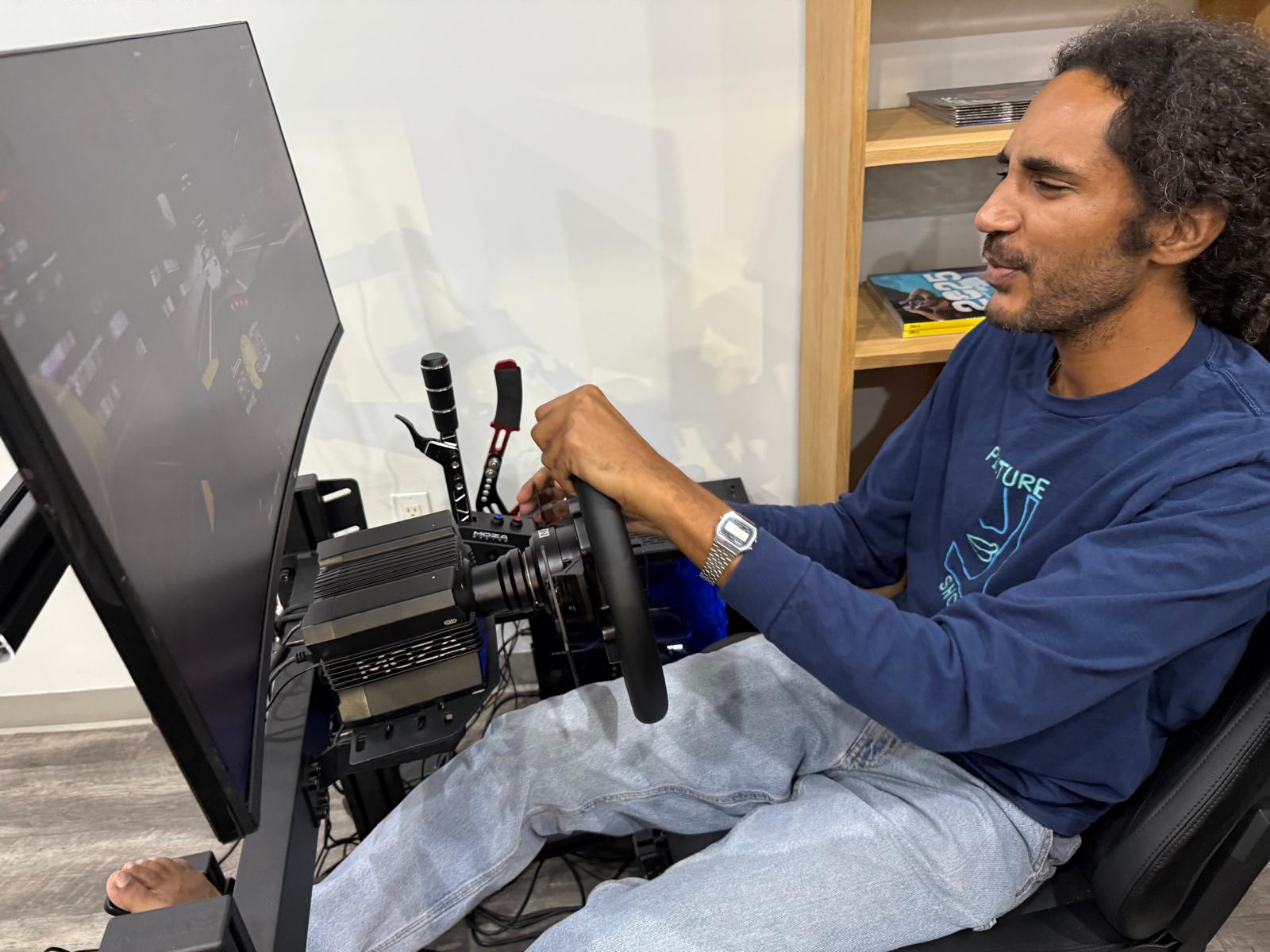
Thankfully this was a demonstration on a driving simulator in the controlled environment of the Compass Centre. Over the course of the evening, a social event organised by Compass Media with the Cayman Motoring Federation, several staff members volunteered to climb ‘behind the wheel’ to better learn the perils and consequences of drink driving and the cognitive and coordination impairment caused by the consumption of alcohol. The experiment was a safe way to better understand an unsafe activity taking place all to often on Cayman’s roads.
The experiment was part of the multi-part ‘Driving the Conversation’ series of articles that look at ways to address Cayman’s challenges with poor driving behaviours, including the prevalence of drink driving – especially with the festive holiday season approaching.
Business Editor James McKeigue, who admits he failed his driving test five times as a youth in the distant past, cycled through a variety of lively facial expressions as he navigated the trials and tribulations of a simulated highway in a high-powered vehicle under the influence of several beers.
His deteriorating performance over the course of the night was not immediately evident. The simulator perversely awards points for higher speeds and, as his sober, careful driving gave way to beer-fuelled bravado, he saw his miles per hour and his game points surge.
“My strategy worked well until I clipped another car and lost all my points,” he confessed.
For Sarah Bridge, one of the lead writers on our ‘Driving the Conversation’ Cayman Compass Issues series, steady and focused won the race.
Even as the beer, Prosecco and espresso martinis took their toll, she continued to focus on the road and outperformed the others by keeping the number of crashes to a minimum. But the excessive variety of drinks she was consuming eventually led to the destruction of her driving clean sheet along with her road sense.
“Since moving to Cayman my alcohol consumption has plunged as I drive most places,” said Sarah, “so it was nice to have a few more than usual. But it did nothing for my driving skills and my first hangover in two years was so bad I’m now back on the temperance wagon.”
Of course, success on a driving simulator depends on multiple factors and the stakes are far lower than on the road.
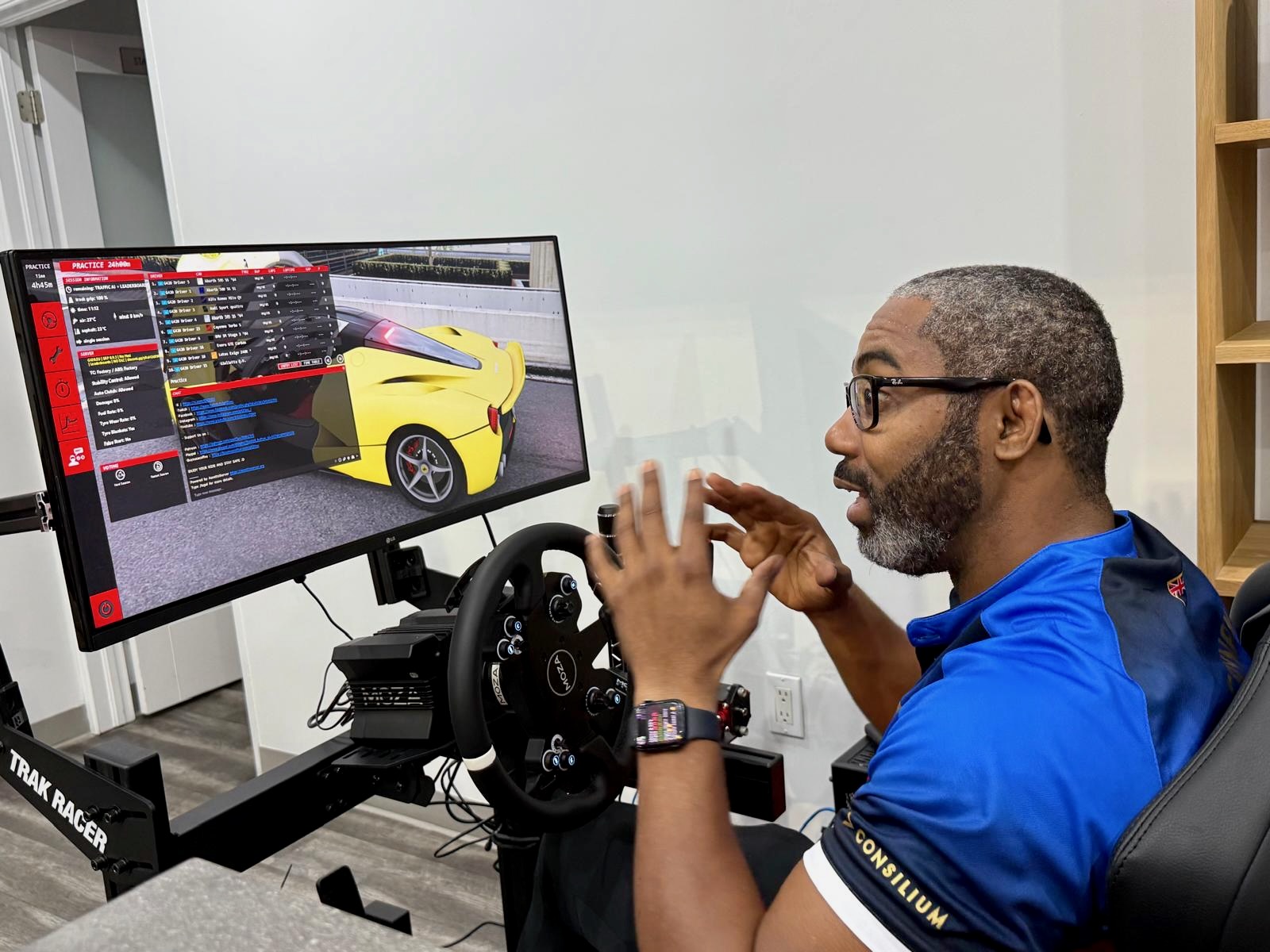
Esports competitor Ian Charlery, who races in ‘Grand Prix’ events using this same simulator, says this is a sport that rewards confidence, bravery, physical skill and hours behind the wheel.
All of which explains why some did better than others, regardless of alcohol consumption. Issues editor James Whittaker was among the worst performers on the simulator. But when it came to driving the group home, he was the designated driver having stuck stoically to Heineken Zeros.
Although it’s safe to say the British Medical Journal won’t be looking for our simulator scores as a valid data point for research on the impacts of alcohol on driving, the conclusion at the end of a fun night was succinctly put by Richter.
“It is fun to drive fast in a simulator when there are no consequences. But on the street there are no re-starts, there are no do-overs. Driving drunk is a serious business. Don’t do it.”
Related Videos