

With more than 200 restaurants serving food from around the world – Italy, Japan, France, Mexico, the US, China, Korea and the Philippines just to name a few – it is hardly surprising that the Cayman Islands is frequently referred to as ‘the culinary capital of the Caribbean’.
But while visitors and residents alike are keen to sample everything that Cayman’s many restaurants and bars have to offer, getting home if you don’t want to drink and drive can be a challenge.

Markus Mueri is treasurer of the Cayman Islands Tourism Association and co-owner of Camana Bay restaurants Karoo, Loco and Abacus.
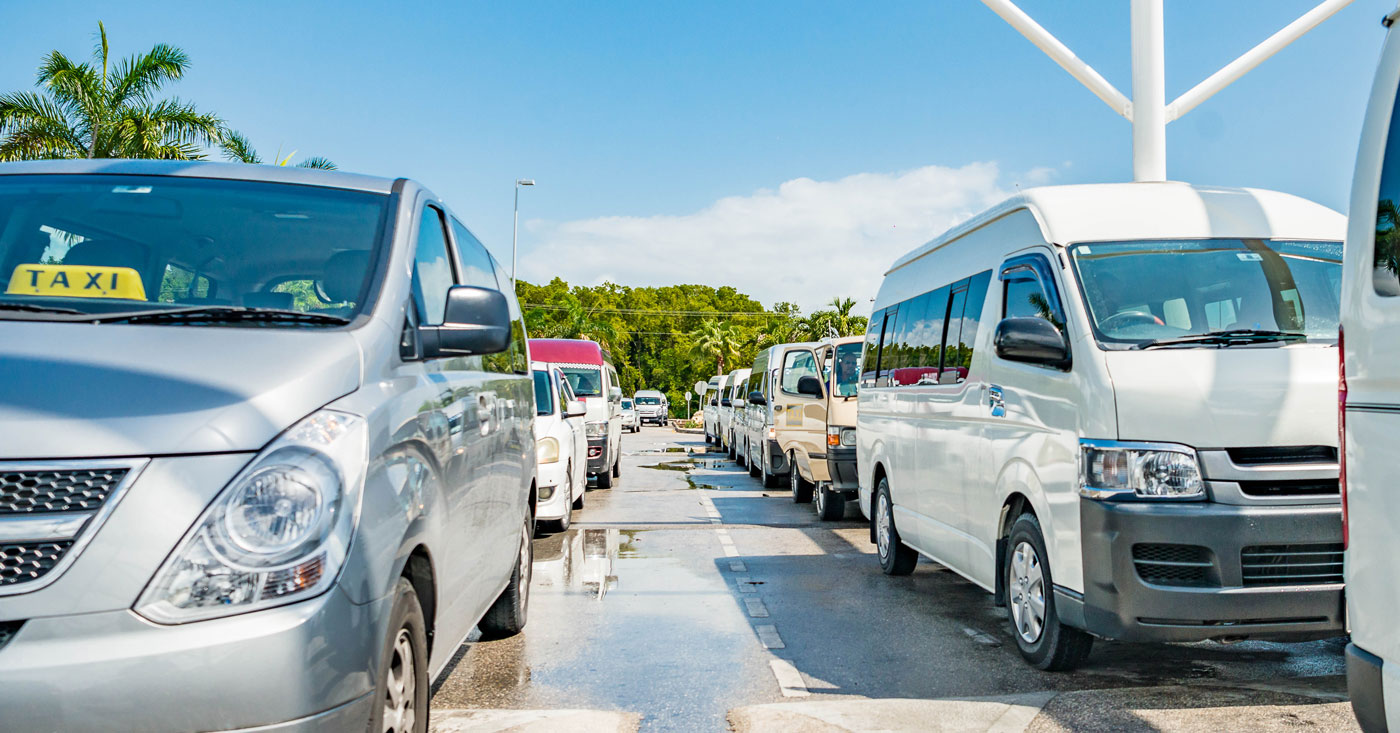
“The single biggest problem we have on the island is that we do not have public transportation getting people home,” he says. “Public transport does not exist late at night, and, if you call a cab at any time on weekends and busy days, there’s very few taxis available.”
Taxi timings
A large part of the problem, says Mueri, is that taxi licences are not specific to certain times, meaning that there might be taxis available during the day, when most taxi drivers prefer to work, but fewer at night.
“When I was on the Public Transport Board around four or five years ago,” he says, “we licensed around 50-60 taxis, which were only allowed to operate between 3pm till 3am in a certain area, like a designated [night] taxi operation centre. Unfortunately, that got changed over into you can drive whenever you want to drive. We need to be able to have taxis to be working every single night until 2am and willing to provide the service to get the people home.”
Dangerous driving
Mueri says that, in his opinion, dangerous driving practices such as speeding and aggressive overtaking were more of a problem than excessive drinking and driving, adding that he welcomed the news that speed cameras were planned for next year.
“Having speed cameras over the island will help immensely,” he says, “especially portable speed cameras, which they put on various different places and move them again, because people get to know where they are. Speed kills, erratic driving kills… I think this would have a significant impact.”
Recent suggestions by police superintendent Adrian Seales of a reduction in the drink-driving limit were dismissed.
“I think we’ve done that already [and] I just do not believe that this makes a huge impact,” he said. “When there is an accident, everyone gets checked [for DUI] but by then, the accident has already happened.”
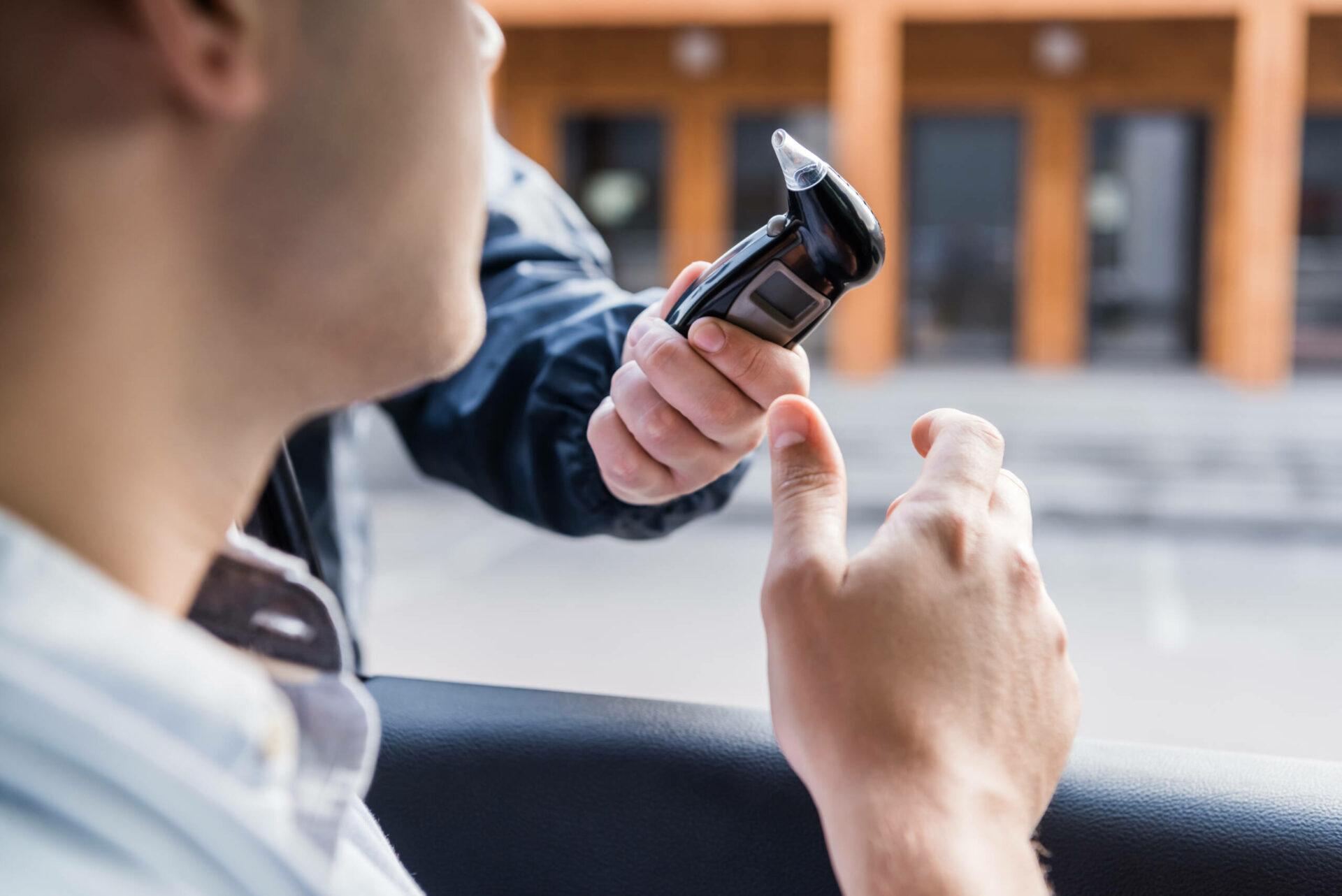
Parliament unanimously voted to reduce the limit of blood-alcohol content for drivers from 0.1% to 0.07% in 2022, bringing it closer to the worldwide average which was then 0.06%; it is now understood to be 0.05% as more countries move to a zero-tolerance policy.
However, more than two-and-a-half years later, police said that this had made little or no difference to DUI cases or collisions.
As for shuttle buses, Mueri said that previous initiatives, such as a shuttle bus running between Seven Mile Beach and Camana Bay, usually encountered objections from the taxi lobby, but that something had to be done to fix the problem.
“I would love to see mandatory, every single night, that we have cabs actually available willing to drive,” he said. “We do not have that at nighttime. So many times I have people here [at my restaurants] that are trying to call a cab, but there are none available and there is no other way to get home.”
Taxi ranks an option
Having taxis ranks in areas where bars and restaurants are located would also be helpful, said Mueri, so people could easily see that taxis were available for immediate hire.
Unlike in other countries, taxi licences are allowed to be held only by Caymanians, which is a political minefield which few politicians would wish to touch. But enabling more people to go and enjoy Cayman’s famous hospitality would be a boost for the economy without making the roads less safe.
Plans mooted six years ago for a ‘Caymanian Uber’ which would provide a round-the-clock service failed to get off the ground and frustrations with the current set-up are growing.

When contacted by Cayman Compass about the taxi situation on Grand Cayman, the Ministry of Transport said that improvements were on the way, including upgrading the CI:GO taxi app and opening up the pool of taxi drivers by removing the current minimum age requirement of 21, instead allowing anyone with at least two years of safe driving history to qualify.
Said a spokeswoman, “This will help bring more young Caymanians into the sector and improve coverage during evening hours.”
She added that the ministry planned to recommend the Public Transport Board allow part-time taxi drivers, so those employed elsewhere can legally drive a taxi in their off-hours, saying, “This will improve flexibility and increase availability late at night.”
However, she said that the responsibility does not rest solely with government or taxi operators and appealed to bars and restaurants to “act responsibly and avoid continuing to serve patrons who are clearly inebriated. Preventing drink driving starts with all of us making responsible choices.”
In practical terms, though, it could be hard, if not impossible, for busy bar staff to check who in a large group of people is planning to drive afterwards, as well as running the risk of confrontation if they decide to take action.
Monique Hamaty-Simmonds, director at Tortuga Rum Company whose rum and cakes are some of the islands’ best-known exports, recently returned from a trip to Los Angeles where she tried out the new Waymo driverless cars. While that might be a little far off into the future for the Cayman Islands, Hamaty-Simmonds says that something has to be done at home.
“There’s no perfect solution, but the most important thing is that people have access to easy transport without them getting into their vehicle and we do not have that here in Cayman,” she says. ‘My children always say, ‘Mom, it’s so difficult to find a taxi late at night’ and that bothers me.”
Hamaty-Simmonds says that she often has to pick her children up as they are unable to get a taxi.
“People need to get from A to B and there’s not a lot of night taxis,” she says. “Taxi drivers decide whether they want to do a night shift or a morning shift [and] there’s no requirement by the government that a certain number of taxi drivers have to be on for the night.”
The Uber answer
And, she points out, Uber is not permitted here. “We talk about finding employment for our people,” she says. “This is an easy avenue for students who are going to school in the day and they need to make some pocket money at night. You know, they can turn their life around. Jamaica has introduced Uber and it’s working marvellously.”
As well as adding to the pool of available taxis, Hamaty-Simmonds pointed out, Uber caters for tourists who might not have cash on them but can just pay via the app, plus its built-in safety protocols mean that journeys are all tracked and you can share your trip in real-time.
“We have to get past whatever it is that’s holding us back from advancing in this area,” she said. “We have to try and change that.”

Initiatives like the Purple Ribbon buses are great, she says, but that only runs for a limited time of year. There needs to be more education about the dangers of drinking and driving, she adds, but the lack of late-night options hits the hospitality industry by making staying at home a preferred option.
“I have friends who don’t go out because they can’t rely on getting transport home,” she says. “The reality is that we have to find a solution not to get people in their car.”
Hamaty-Simmonds said that Tortuga Rum would “gladly” support solutions such as free shuttle buses. “Yes, we are in the liquor business, but we recognise that drinking and driving is a no-no.”
Sandbar’s shuttle solution
While some solutions – better public transport and more taxis at night – might take a while, one big name in Cayman’s late-night scene is actually preparing to do something about it.
“Drinking and driving is definitely still an issue here in the Cayman Islands,” said Brice Reid, owner of Sandbar, one of George Town’s liveliest night spots.
“The lack of public transport infrastructure definitely leads to a lot more people getting behind the wheel … and while there might be taxis in the evenings, it can be quite pricey late at night to even go short distances.”

Rather than just accepting that’s the way things will always be, Reid and his father Sean Reid are taking a more proactive approach. With their company Cayman Limo, and in association with the National Drug Council, the pair is planning to launch a George Town shuttle service which would provide free travel between the Seven Mile Corridor and downtown George Town. The shuttle would be for locals and visitors alike, with residents being able to park at the hotels before catching the bus into town.
Seven Mile link
“It’s a programme that we’re currently working on,” says Brice Reid. “It’s not active yet, but we’re looking at deploying it hopefully in mid-2026. We would be aiming to do pickups along the Seven Mile corridor with a drop-off point in downtown George Town, and then it would pick up in downtown later on and then shuttle back to those properties on Seven Mile.”
He adds, “We’re currently working on trying to get some sponsorship to be able to divide the costs so that it’s not sitting on one individual company, such as Cayman Limo, and then being able to work with the hotels to have a George Town shuttle pick up the guests at a specific point in time within the property.”
Mindful of the objections that might come from the taxi lobby, Reid says he is currently speaking to “all the relevant parties that we would need approvals from, and we’ll see what happens at that point”.
He cited the example of the annual New Year’s Eve’s ‘Arrive Alive’ programme which pays taxi drivers to deliver a free service to revellers as a possible blueprint for the George Town shuttle set-up.
“I think that hopefully people would be able to use it, so … people who would potentially be getting in their vehicles after having a couple of drinks wouldn’t have to be put in that position,” he says.
While a Seven Mile-to-George Town service would be of most benefit to tourists, Reid cites Uber or similar services as being “potentially a great solution” to providing transport for everyone.
“They could help manage pricing and add availability and accessibility to everybody on island,” he says. “There are very few countries you go to in the world these days where you don’t have an Uber or a Lyft availability, so we are kind of a little bit behind the times in that regard. I think that has definitely reduced the drinking and driving in the jurisdictions in which it’s been implemented.”
Related Videos












In Singapore and other countries there’s an app called Grab. You can order both regular taxis and private drivers.
Something like this would work here. If a taxi was available then they’d get the job.
It’s not right that the taxi lobby should prevent people getting home safely at times when they don’t want to work anyway and would suffer no loss of income.
We did have ‘Flex’ around the time of Covid and just afterwards. Great App – very similar to Uber. Unfortunately, government mandated only licensed taxi drivers could use the App and thus, when the tourists returned after Covid, the licensed drivers decided they could make more money returning to their pre-Covid ‘ways’.
Tourists and locals need an Uber- like system – no longer in the modern world, are phones used to dial taxis. I know the ‘Flex’ App can still work but we need to allow drivers to work part- time ( either employed or university students) without the interference of the creaking, ancient, protective Transportation Board. Let’s modernise our transportation system and people will more frequently use it rather than drive drunk.