Food waste recycling is expanding across Cayman’s tourism sector as major hotels join a composting programme that diverts organic waste from landfill and converts it into compost, bringing the local hospitality industry closer in line with global sustainability norms.
The initiative, launched as a pilot in 2023 by Foster’s supermarkets, Island Waste Carriers and Beacon Farms, is now scaling up with the addition of Kimpton Seafire Resort + Spa, Seafire Residences, Hotel Indigo Grand Cayman and the Grand Cayman Marriott Resort.
Food-waste collections at the new hotel sites began in November, according to the programme partners.
The hotels have joined a growing list of participating businesses that already includes The Ritz-Carlton, Grand Cayman. Several restaurants – including Bonny Moon, Vida, Agua and Aria – as well as Montessori by the Sea, are also participating, separating food waste unfit for human consumption for collection and recycling.
Under the programme, Island Waste Carriers transports the material to Beacon Farms’ composting facility in North Side, where it is processed using a static aeration system and blended with yard and landscaping waste. The resulting compost is used to support agricultural production on the farm.
To date, the programme has diverted 256 tons of food waste from the George Town landfill, Island Waste Carriers said. Food waste typically accounts for roughly a quarter of landfill volume, according to industry estimates and generates methane as it decomposes.
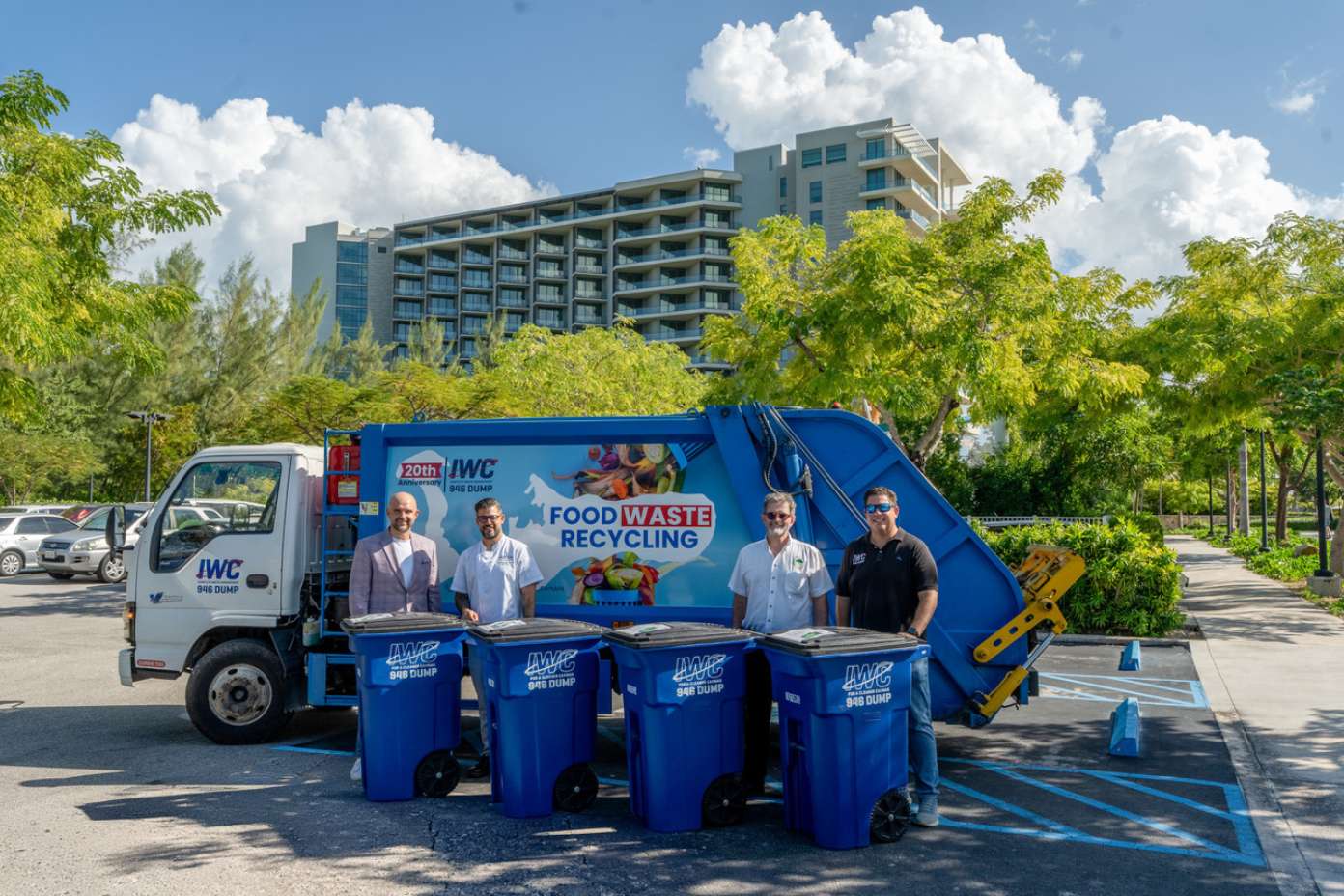
“Even with careful inventory management, markdowns and donation programmes to non-profits like Meals on Wheels or the Food Bank, some food waste is unavoidable,” said Jason Brown, managing director of Island Waste Carriers. “Our food waste recycling programme is an example of how collaboration can deliver a real environmental solution.”
Beacon Farms has produced 281 tons of compost since the programme began and is now expanding its processing capacity.
“Next year, we expect to produce compost surplus to our needs and can start selling local compost to other farmers and landscapers,” said Sandy Urquhart, CEO of Beacon Farms. “The programme would not be possible without a steady supply of brown and green waste and our partnership with the IWC team for collection and delivery.”



The global push to cut tourism food waste
The expansion comes as the tourism industry faces growing scrutiny over food waste and emissions. The Inter-American Development Bank estimates that between 20% and 60% of food purchased by hotels globally is discarded. Food and beverage operations account for about 9% of tourism-related greenhouse gas emissions, driven not only by production and transport but also by waste decomposition.
Composting and other circular approaches are increasingly being adopted by hotels, particularly in tourism-dependent economies, as destinations align with international sustainability frameworks.
Cayman’s efforts also coincide with the Tourism Food for Good initiative led by UN Tourism in partnership with the University of Cambridge’s Centre for Resilience and Sustainable Development and the TUI Care Foundation, which is collecting data to inform a 2040 roadmap for sustainable food systems in tourism.
Hotel operators involved in the Cayman programme say the shift reflects both environmental priorities and operational realities.
“Caring for our environment is central to how we operate,” said Yann Gillet, general manager of the Kimpton, adding that the partnership also supports local agriculture and food security through its partnership with Beacon Farms.
“Together, we’re ensuring our operations have a positive and lasting impact on the local ecosystem and community,” said Gillet.
Implications for the future
For Cayman, where landfill space is limited and climate commitments are tightening, the model offers a practical pathway for aligning tourism infrastructure with emerging global standards.
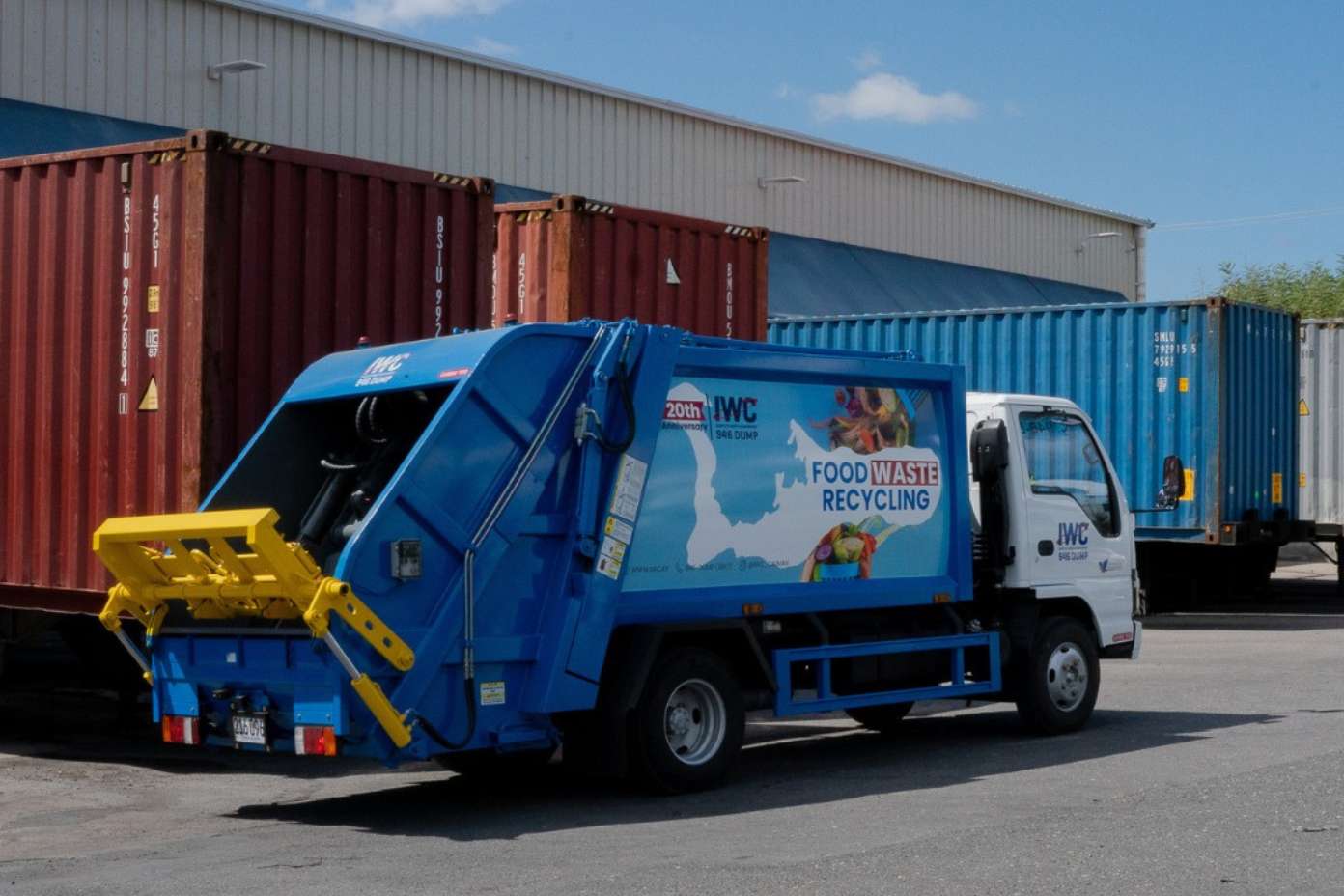
Island Waste Carriers has introduced a dedicated food-waste recycling truck for commercial kitchens, with scheduled collections designed to make participation viable for large hotels and restaurants. Businesses interested in joining the programme can register directly with the waste hauler.
The expansion at Beacon Farms reinforces that momentum. New static aeration pads under construction will triple composting capacity, allowing the farm to handle larger volumes as more businesses come on stream.
Over time, the operation – which is still fundraising – is expected to produce surplus compost for sale to farmers and landscapers, shifting organic waste from a disposal cost to a local agricultural input.
While the volumes remain small in international terms, the combination of dedicated collection, processing capacity and commercial participation suggests a blueprint that could be replicated across other island and tourism-heavy economies grappling with the same constraints.
Related Videos