Cayman’s election 2025 was a rollercoaster ride from start to finish, with drama and intrigue from nomination day until after Election Day itself.
Despite all the votes being counted from 30 April until well into the morning of 1 May, there was no clear winner out of the three main parties, leaving a mad scramble to form a coalition which could lead the country.
As Compass journalist James Whittaker summarised at the end of a gruelling near-24 hours of coverage from Cayman Compass and Compass TV, “the Cayman Islands is right back where it was in 2021”.
After some negotiating, André Ebanks emerged as the head of the newly formed coalition government, combining the four elected members of Parliament from his The Caymanian Community Party (TCCP) with four from the Dan Scott-led Cayman Islands National Party (CINP) – although not Scott himself, who failed to be elected to Parliament – and three independent MPs. The new government would later become known as The National Coalition for Caymanians. But it was quite a journey getting there…
Nomination day
Cayman’s three political parties put on a show of strength and unity at the traditional starting point for the election campaign, travelling around the islands between electoral battlegrounds in colourful campaign buses, wearing matching shirts and with teams of supporters in tow.
By the time nominations had closed at 3pm sharp on Monday, 3 March, a total of 59 candidates had thrown their hats into the ring, up from 50 in 2021 (West Bay North independent candidate Michael Lemay was later forced to withdraw). Of those, 13 were candidates from the PPM, 12 were with the CINP and TCCP had 10.
The remaining candidates included some newcomers, those who had run for office before and some big-name independents, including incumbents such as McKeeva Bush, Jay Ebanks and Chris Saunders.
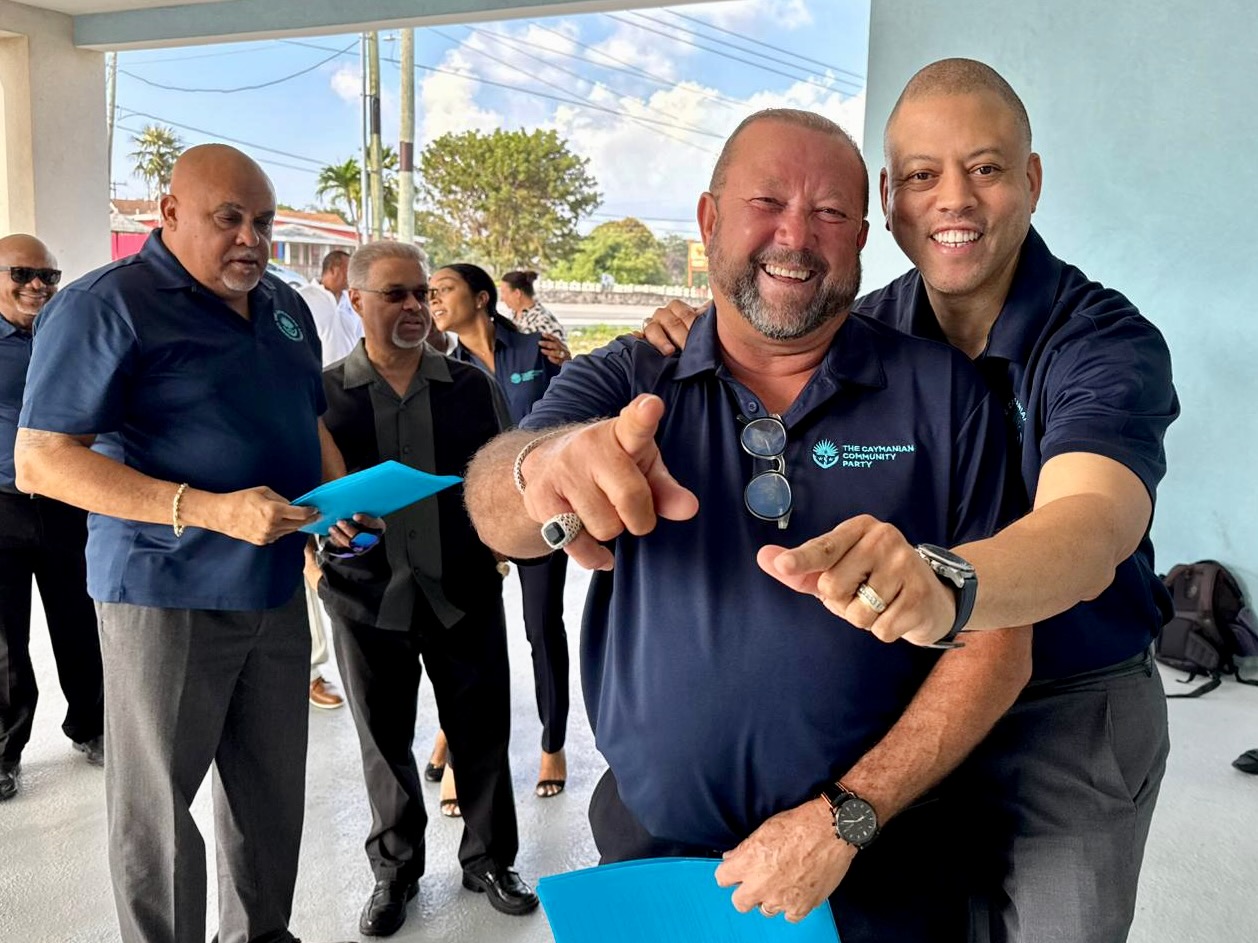
Some highlights of the day included then premier Juliana O’Connor-Connolly confirming her decision to stand again, having previously said she would not be running, and that she would be returning to the PPM party. Her opponent in Cayman Brac East, CINP leader Dan Scott, said he was ready for the challenge. Independent Chris Saunders said that, if he were re-elected, he would only work with the PPM to form a government.
Other party leaders also faced rivals for their seats. TCCP leader André Ebanks was set to be challenged for his West Bay South seat by former Radio Cayman host Sterling Ebanks, while PPM leader Joey Hew was to go up against independent candidate Romellia Welcome in George Town South.
Former television presenter Donna Bush was to contest the Savannah constituency for the PPM, taking on Heather Bodden of TCCP, while East End emerged as a five-way battle for incumbent Isaac Rankine, who was running as an independent. There was much jubilation from PPM supporters as former deputy premier Kenneth Bryan returned to the party as its new deputy leader, and two new candidates, businessman Gary Rutty and former Olympic cyclist Craig Merren, said they would bring a new approach to politics from within the CINP.
The campaign
With a record 25,643 voters registered for the 2025 general election, the campaign hotted up straight from the start, with billboards popping up seemingly overnight on roads across the Cayman Islands, leading to warnings from the National Roads Authority about following new, stricter rules about the size and location of signs.
The Cayman Islands Chamber of Commerce ran a series of forums during March and April covering every constituency and culminating in a party leaders debate, giving voters a chance to see all the candidates and hear their views on the main issues of this year’s election.
Major issues began to emerge, with each candidate’s approach to national concerns such as the cost of living, population and immigration, border security, government accountability and efficiency, health insurance and crime all being scrutinised, alongside local matters such as traffic and development.
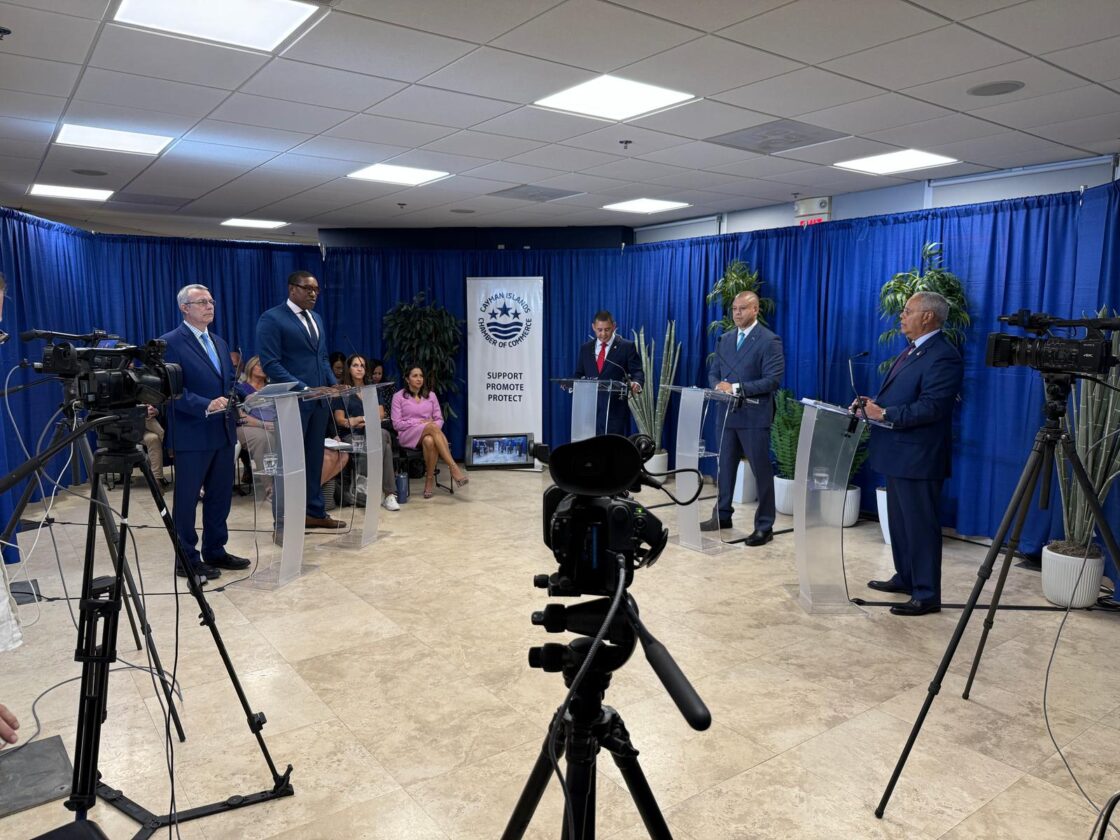
The debates, hosted mainly by the chamber’s Wil Pineau, Shomari Scott and Omari Corbin, allowed candidates two minutes to address each question and to offer their own closing remarks, and passed mainly without incident. The biggest upset was longstanding West Bay West MP McKeeva Bush being a no-show, leaving rival Julie Hunter to face questions on her own. Both Juliana O’Connor-Connolly and Maxine McCoy-Moore did not attend the Cayman Brac West debate.
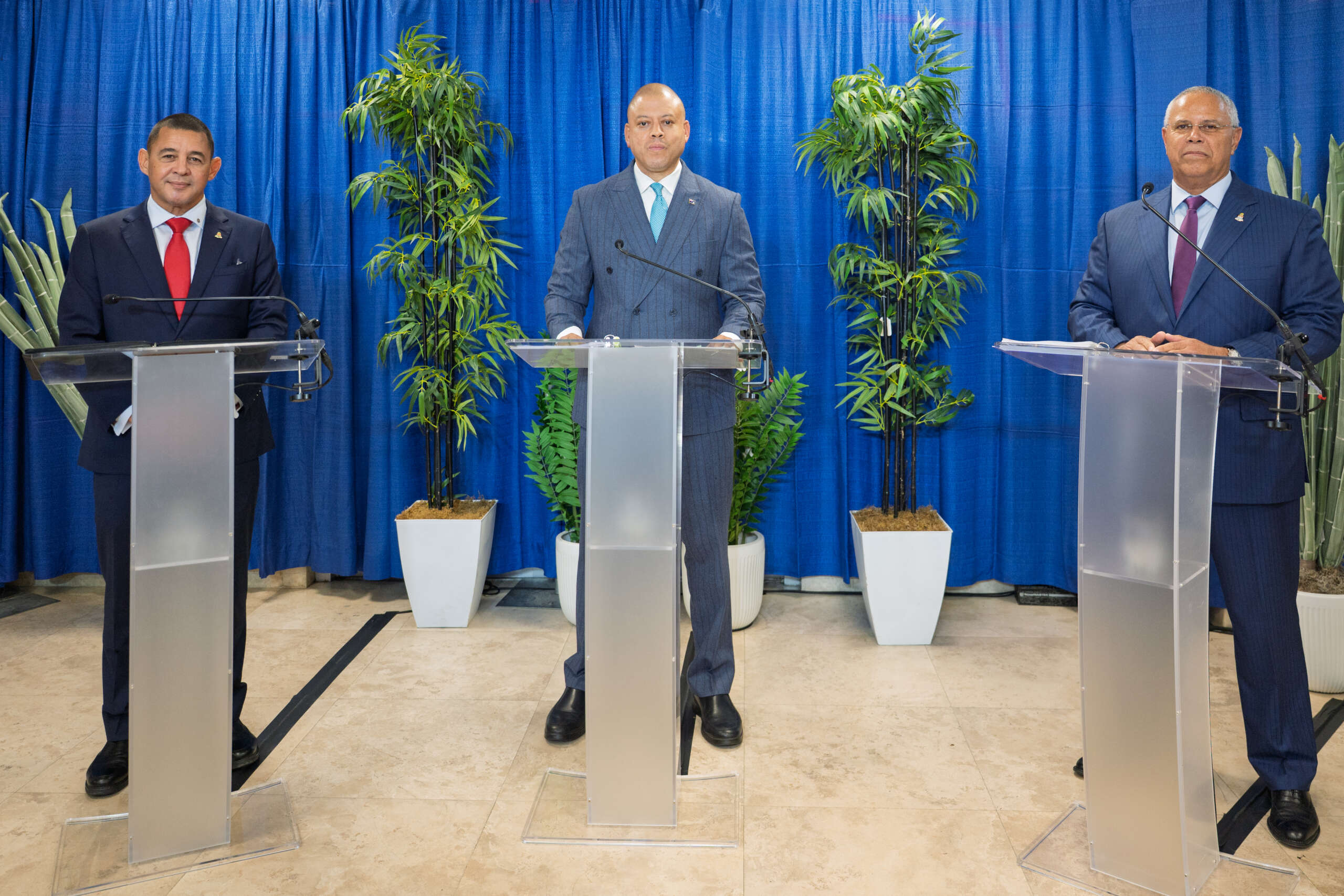
The final leaders debate was a first for Cayman and proved to be a fiery affair, as the three men vying to be the next premier faced off in an historic US-style format.
Hints of a potential anti-PPM alliance began to emerge as party leader Hew found himself attacked on both sides by his rivals who laid the country’s perceived ills at the door of his party.
Election Day
Polls opened across all three islands at 7am and closed at 6pm, making it a very long day for the 58 candidates who could no longer campaign but only wait for the election outcome. With 19 constituency seats up for grabs, the party or group that commanded the support of at least 10 MPs would be eligible to form the new government and choose the next premier.
This year, 2,382 ballots were issued through absentee (postal) and early mobile voting, representing just under 10% of all registered voters. Rules were strictly enforced, such as the 300-foot exclusion zone for media around the polling stations and the ban on partisan clothing which could be seen as campaigning – at least one person was turned back for this reason. Lines started to form in the capital and many in the Sister Islands chose to vote early and enjoy the rest of the holiday.
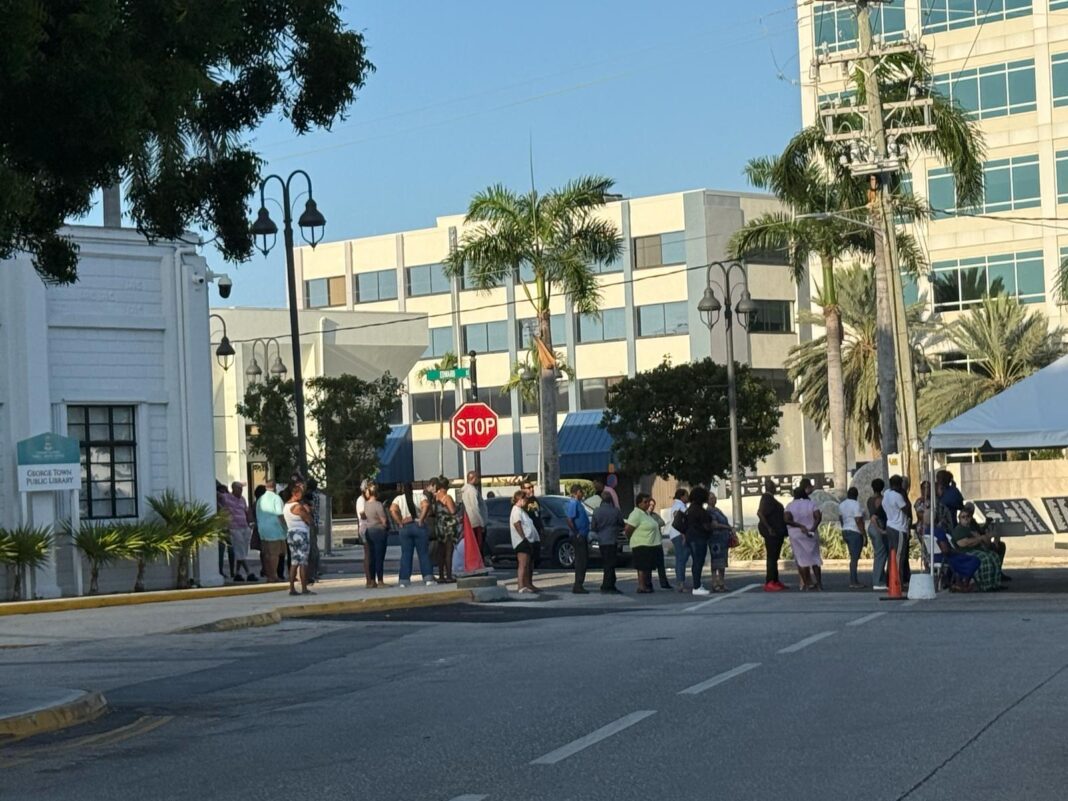
While polls closed at 6pm, it was a long wait for election observers until the first results came in, a situation possibly exacerbated by the decision to have the three referendum questions on the same ballot paper as the parliamentary vote.
In 2021, the first results arrived within two hours, but this time it wasn’t until 9:20pm that the initial numbers of any kind were announced. The tally from Cayman Brac East – the smallest constituency, with just 427 votes cast – came first, taking four hours, with just half the votes counted, and the final result was not announced until 12:45am, nearly seven hours after the polls closed.
It was after 11:25pm when the first actual result was declared, with Joey Hew named winner of George Town North, with independents Isaac Rankine and Rolston Anglin joining him in Parliament shortly afterwards.
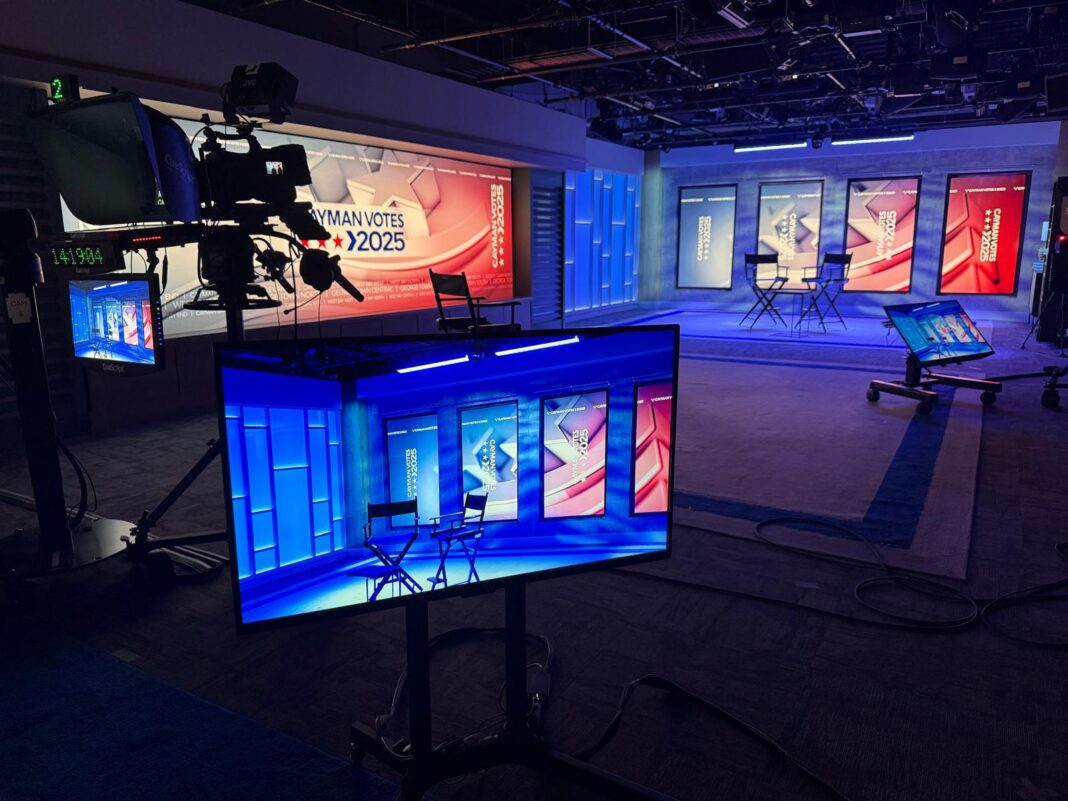
The bigger picture started to become clearer after midnight, when results began coming in quickly. There were close calls in Prospect, where Sabrina Turner and Michael Myles were taking it in turns to be in the lead before Myles was declared the winner by 16 votes. There was a similar battle between Vassel ‘Bud’ Johnson and Roy McTaggart before honours went to the incumbent McTaggart by just 12 votes.
By 1am, Rolston Anglin was doing victory laps around West Bay; Roy Tatum was telling Compass reporter Norma Connolly his win was “bittersweet” given the losses of Crystal Gomez and Donna Bush, in Prospect and Savannah, respectively; and, finally, in what was the biggest upset of the night, Julie Hunter defeated McKeeva Bush in West Bay West by just 19 votes.
MPs would snatch just a few hours sleep before the negotiations began in earnest. In a few hours, in spite of the PPM having six MPs in Parliament and TCCP and CINP having four each, independents Anglin, Rankine and Ebanks would tip the balance in the formation of the new coalition government.
Related Videos