


A potential anti-PPM alliance appears to be emerging among two new political parties following a fiery leadership debate Wednesday.
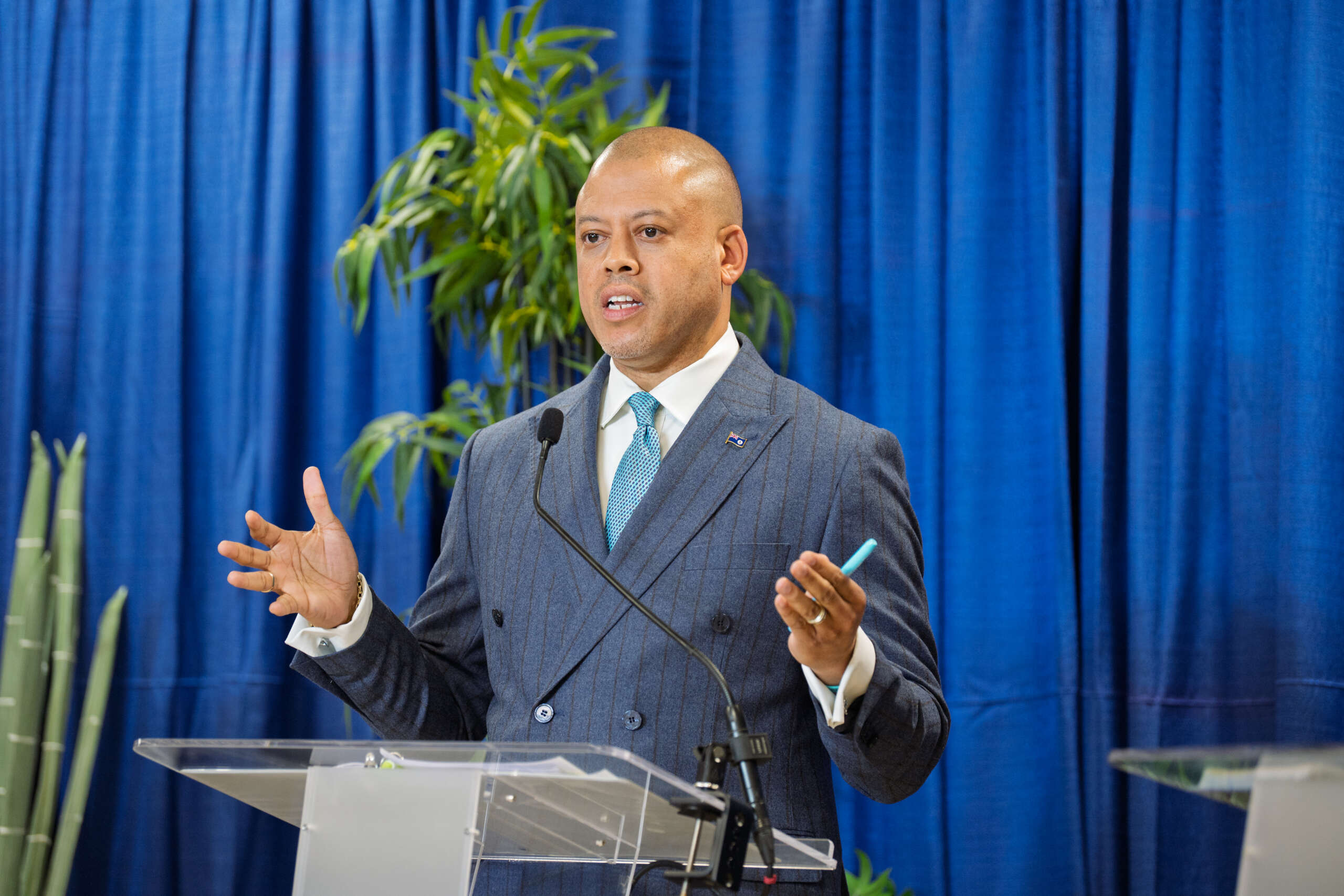
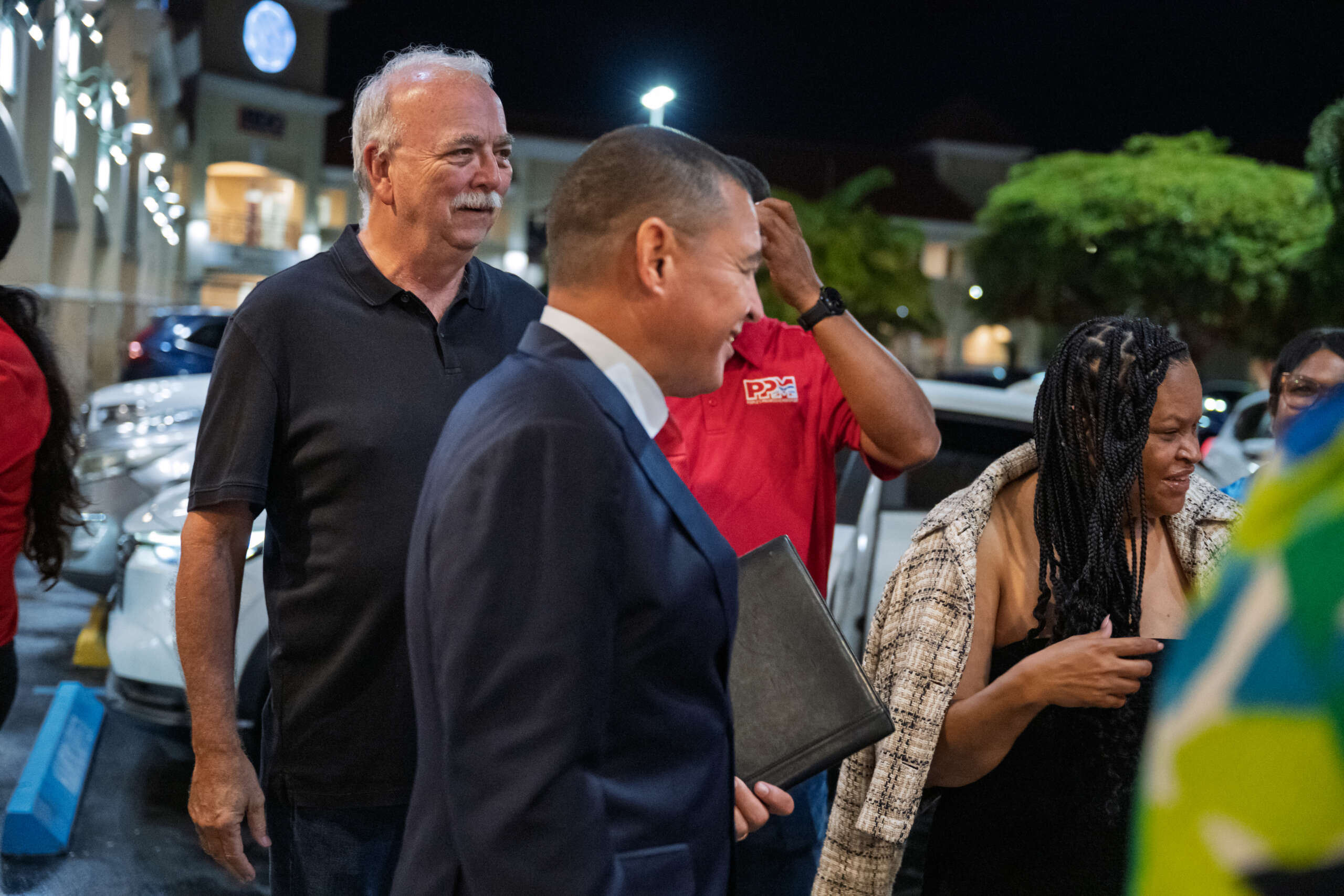
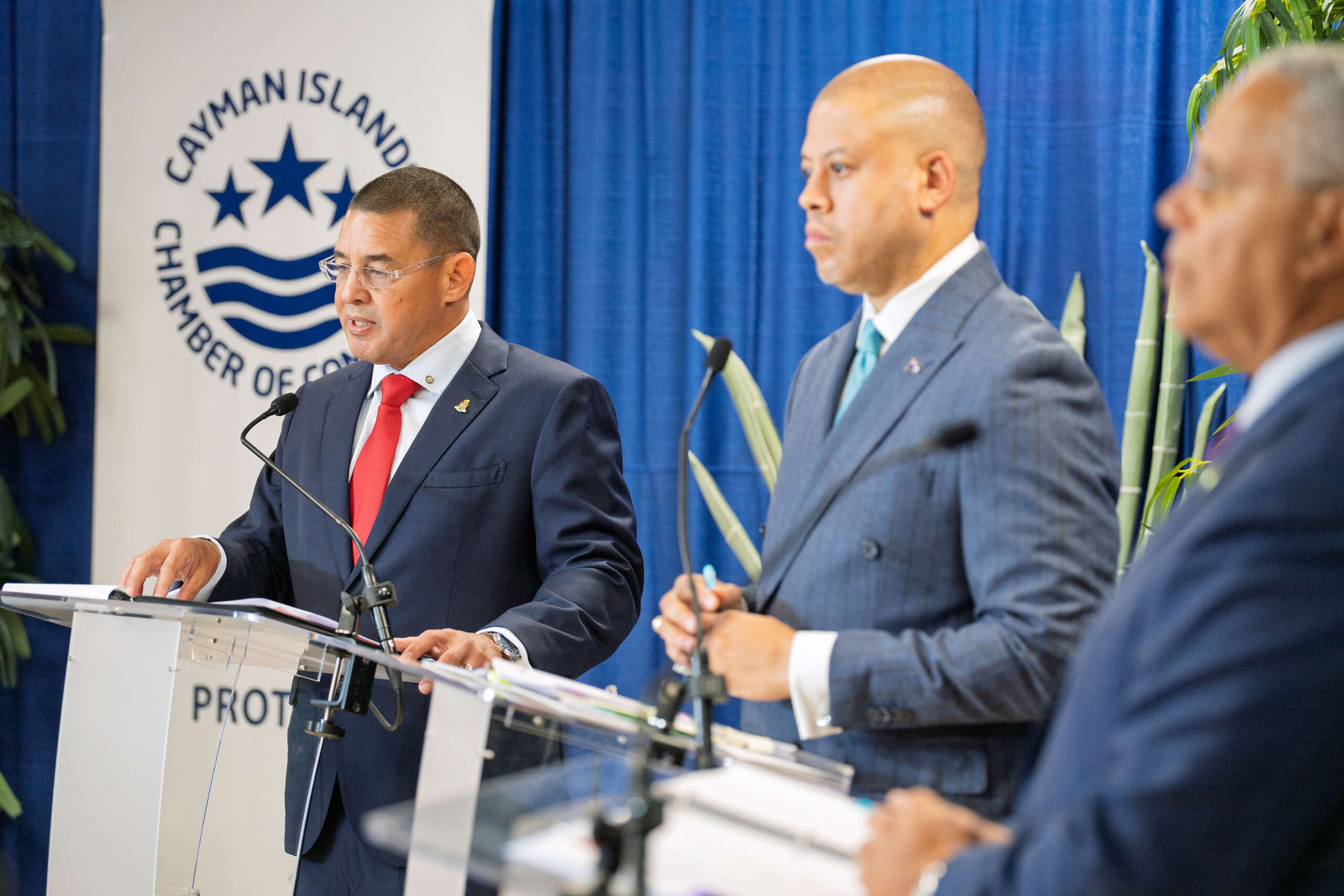
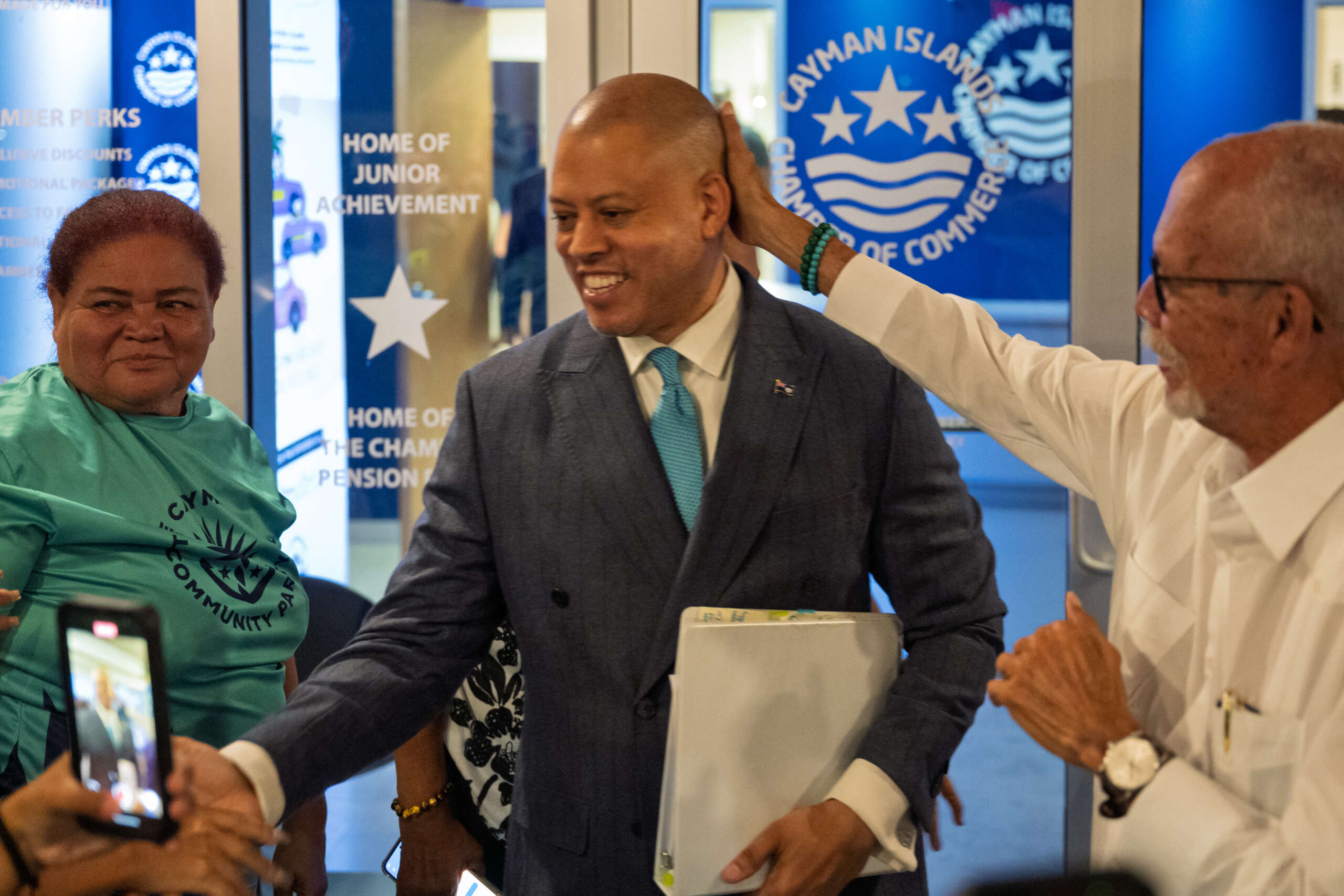
The three men vying to be Cayman’s next premier faced off in an historic US-style televised debate hosted by the Chamber of Commerce.
PPM leader Joey Hew found himself attacked on both sides as his rivals André Ebanks, of The Caymanian Community Party, and Dan Scott, of the Cayman Islands National Party, laid the country’s perceived ills at the door of his party.
After sparring over immigration reform, government finances, education and infrastructure, the gloves came off in the closing speeches.
Hew suggested that his opponents were working hand in hand, saying, “After tonight’s debate, it’s quite obvious that they are one team.
“Both of them are on the same page, fighting against the PPM.”
Scott, who is running a team of 12 candidates – none of whom have served as MPs before – presented the CINP as the party of change.
Consistently referring to the current United People’s Movement coalition as a “Progressives-led government”, he sought to tie Hew and his party, which has been in opposition but now includes three current Cabinet ministers, to the perceived failures of the past four years as well as the previous eight.
“After years of PPM leadership, Cayman has had enough,” he said.
“Caymanians are now facing lack of job opportunities, higher housing costs, congested roads and schools, overcrowded beaches and erosion of our country’s culture. The Progressives like to talk about experience. They are indeed experienced in failure as a party.”
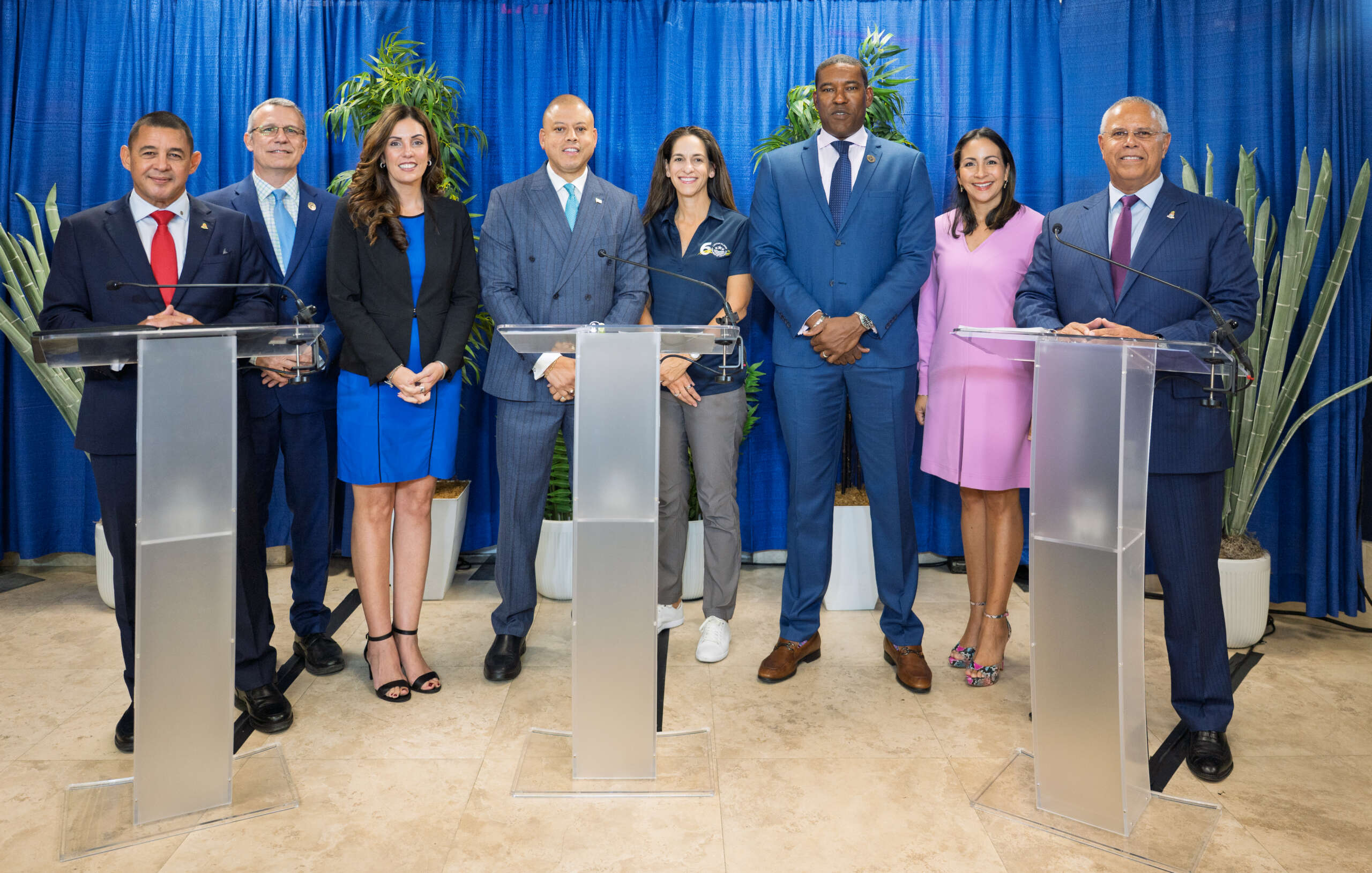
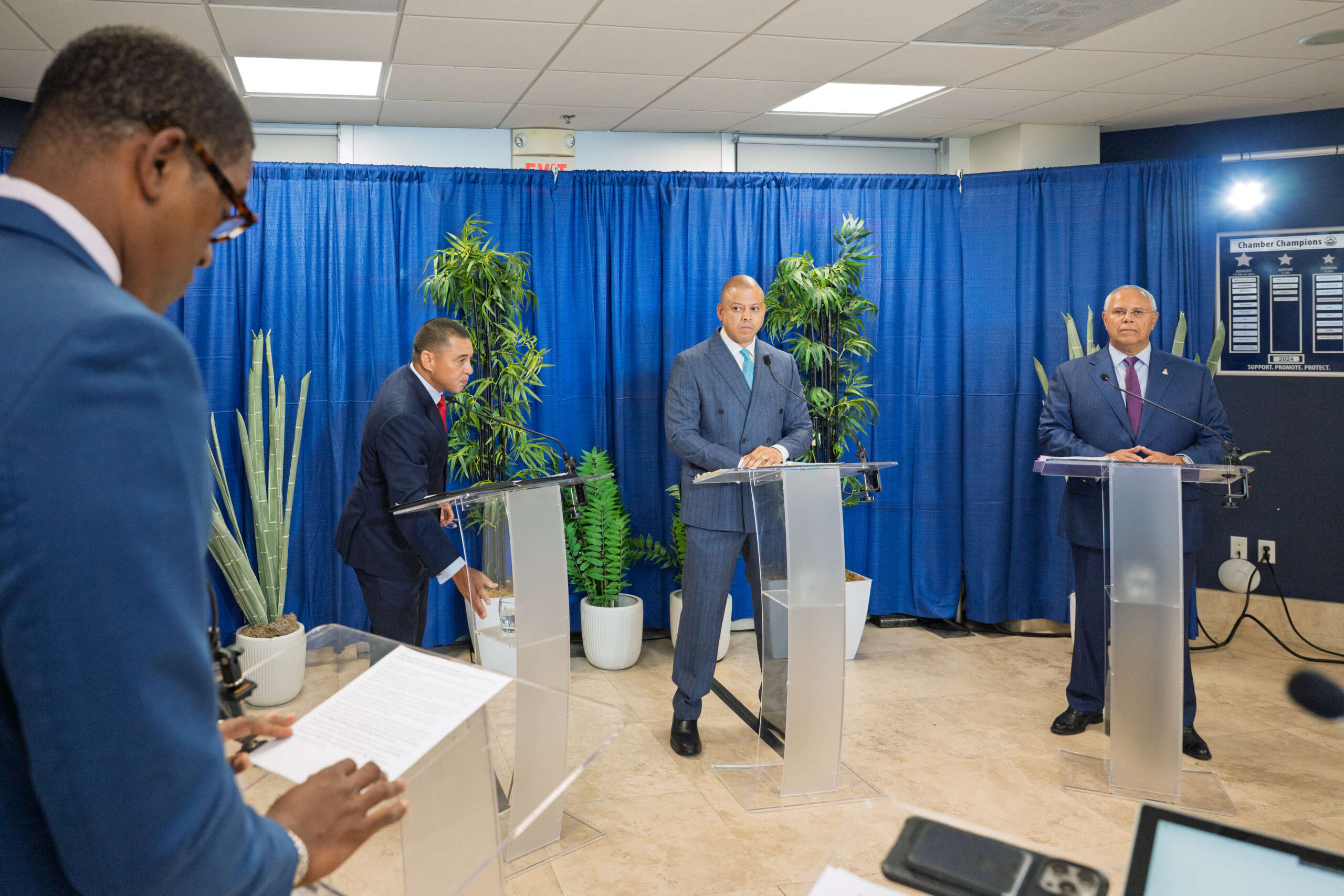
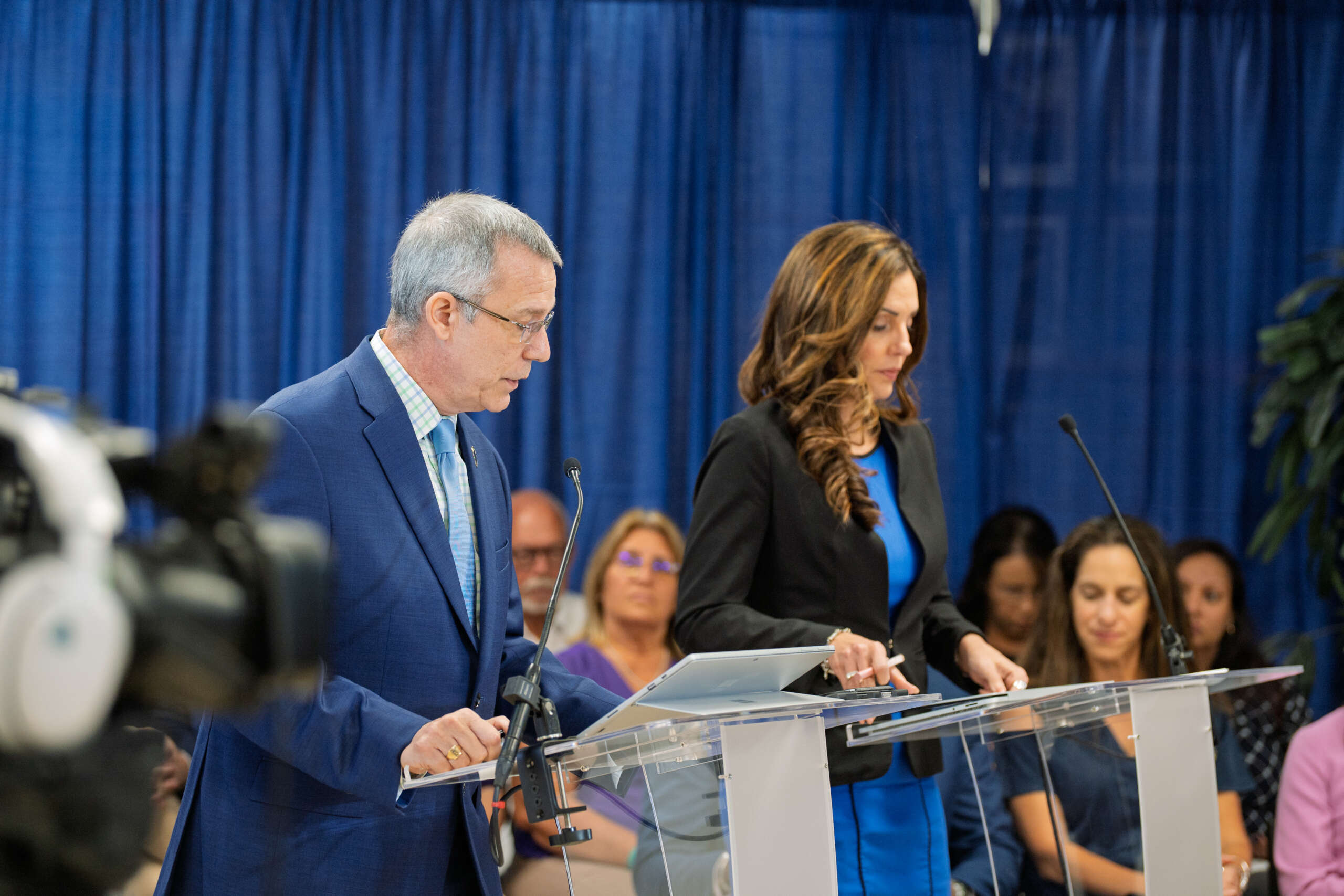
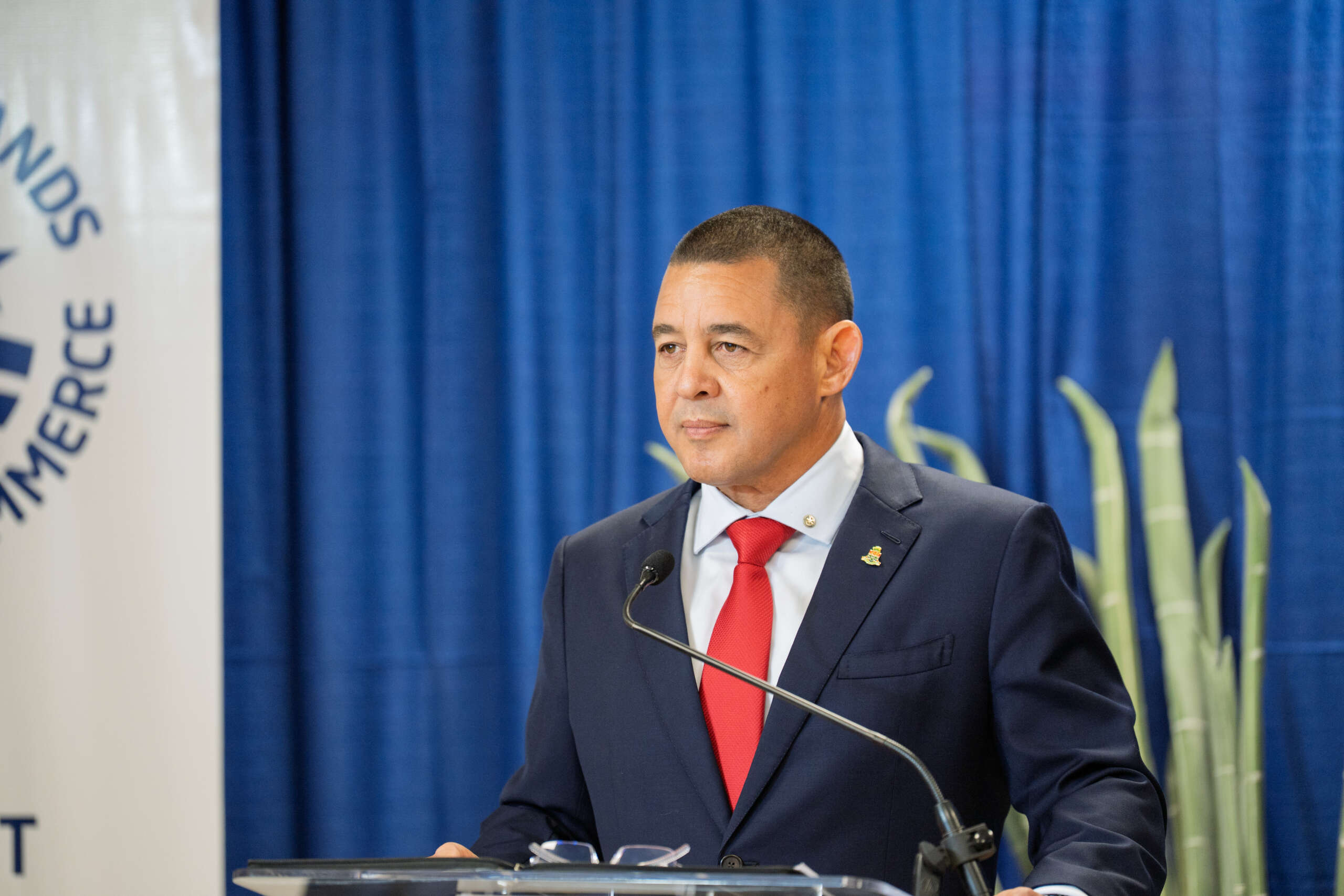

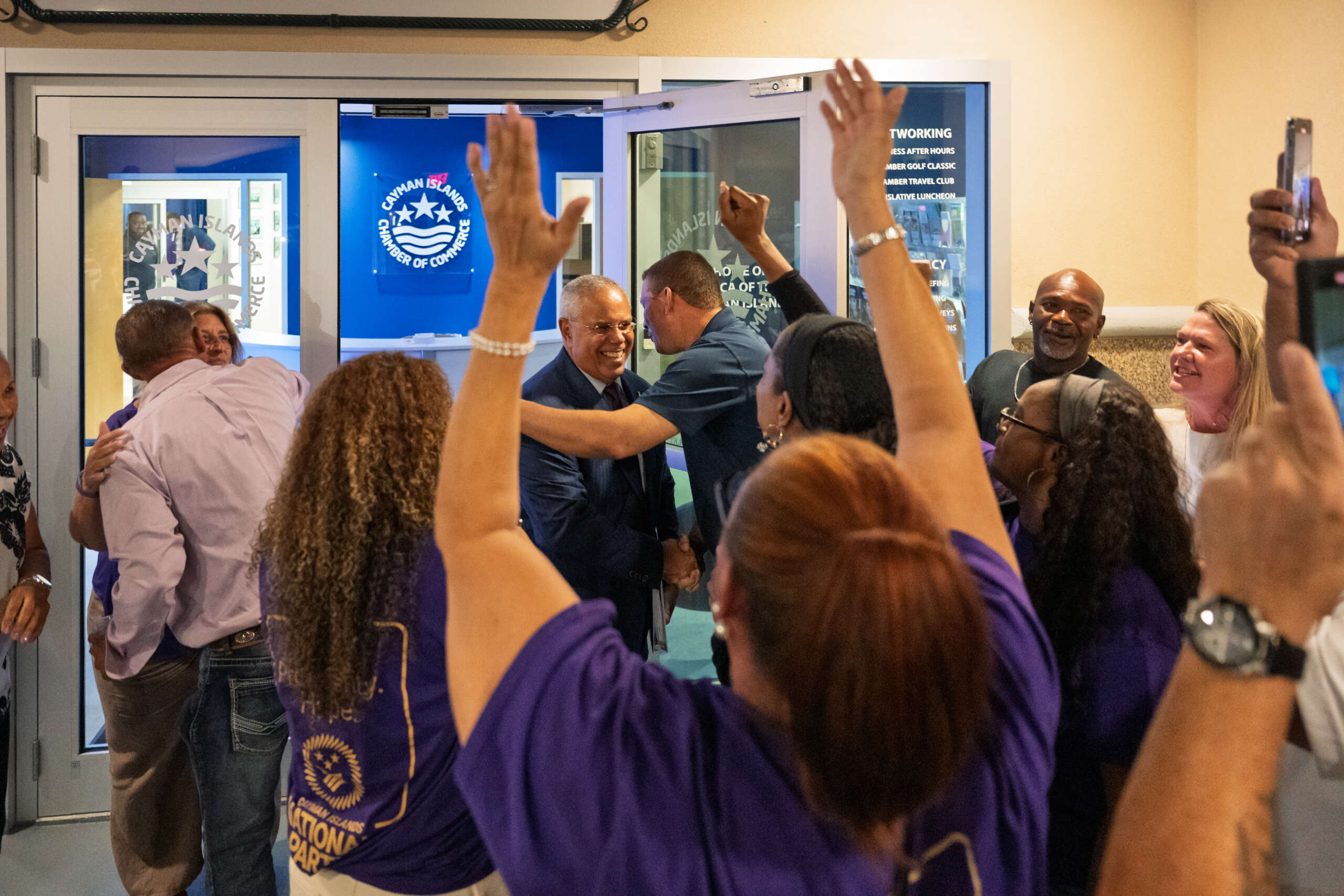
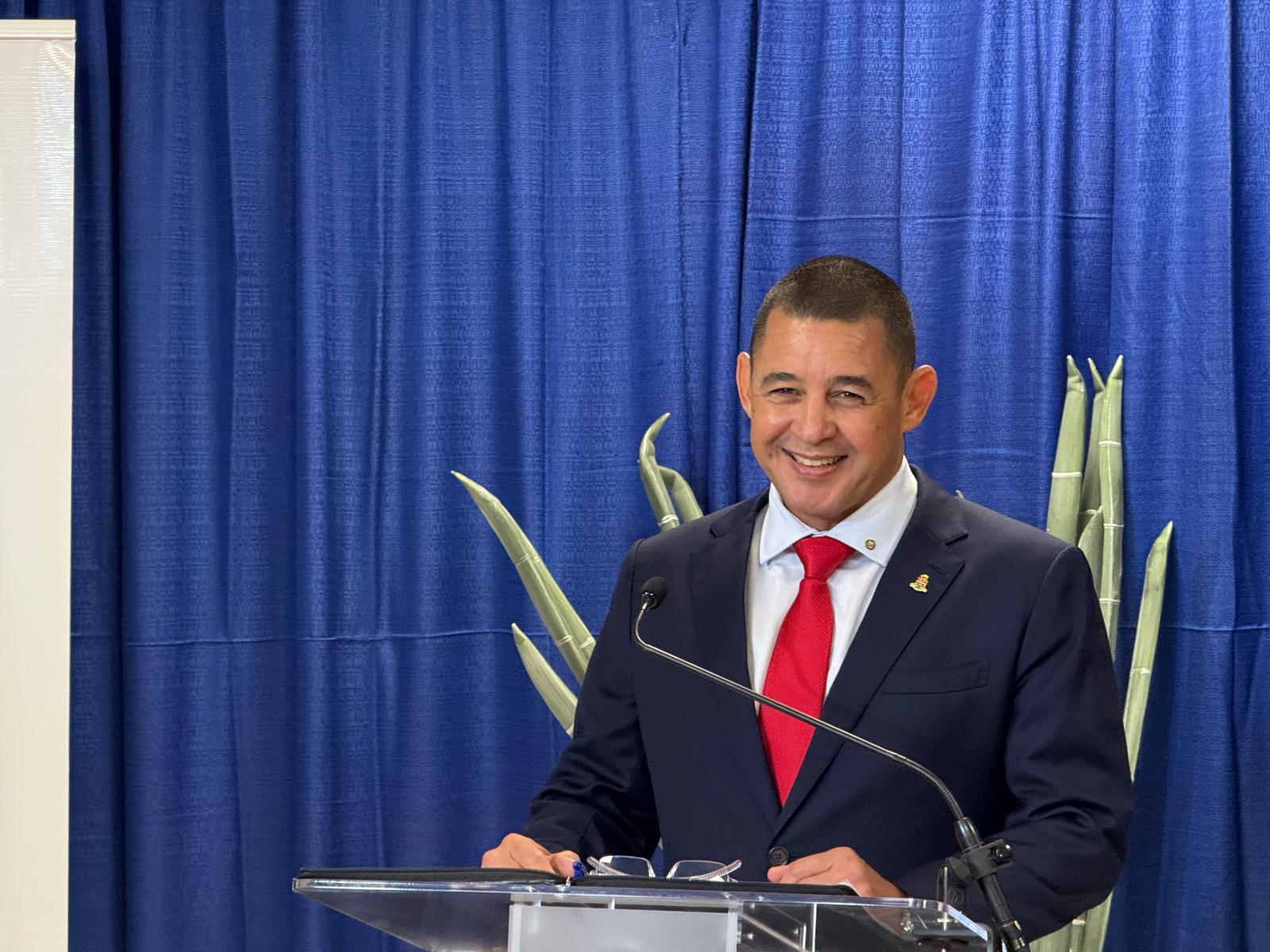
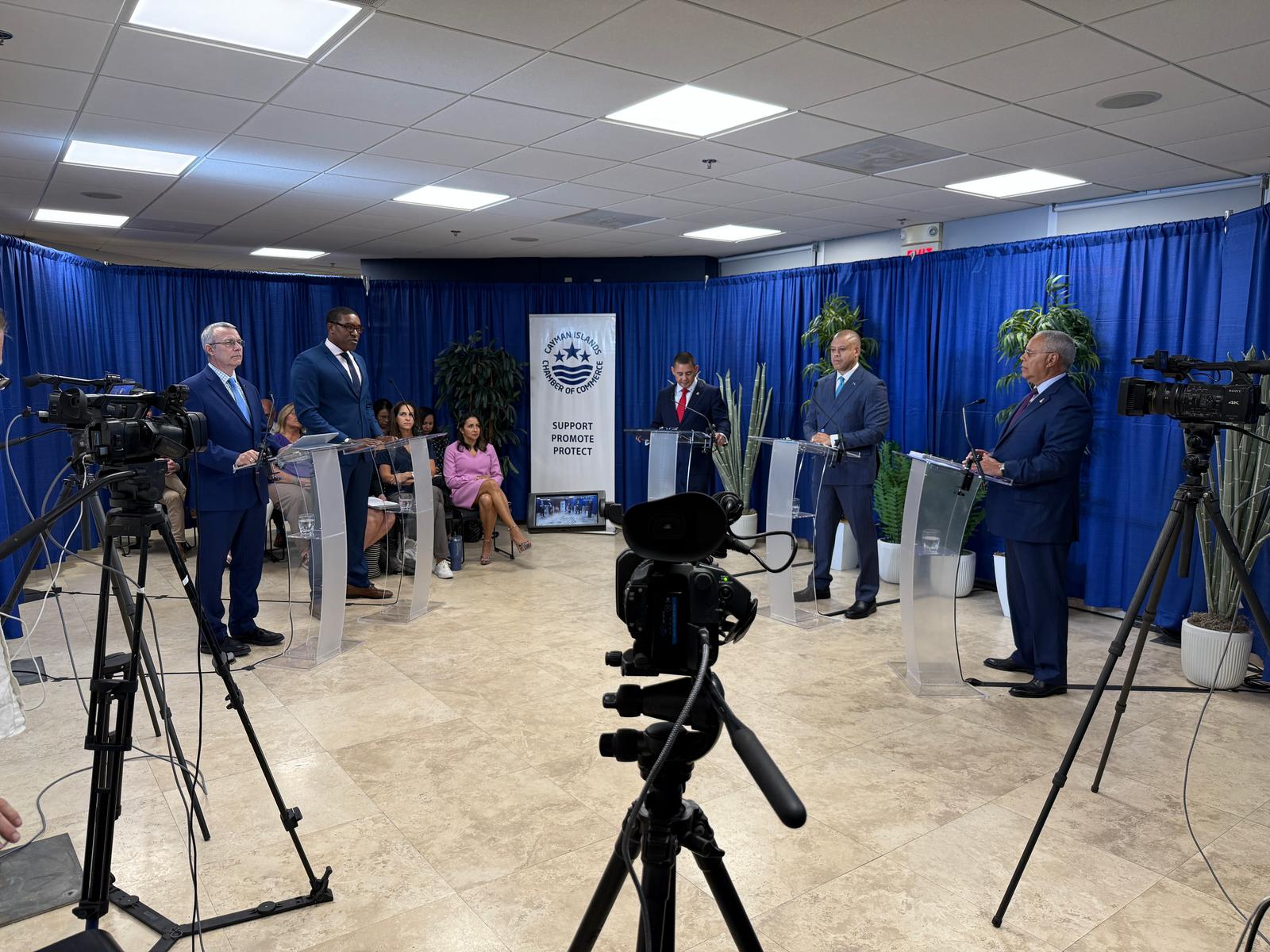
Scott and Ebanks largely left each other unscathed, both going after the PPM over its record on what Ebanks described as “open immigration and unfettered and unbridled development”.
Despite their alliance on the night, which at times seemed like a pincer movement, Ebanks insisted there was no partnership between TCCP and the CINP.
“It isn’t that Dan Scott and I are working together … both groups recognise that the future is not with the Progressives. … The country is bursting to go into a new era that is free of side deals, free of vanity projects, free of breaking the rules [and] of demoralising civil servants.”
Hew brushed off the criticism, pointing to the Progressives’ strong record on public finances in office and dismissing claims that his group has been running the government for the past four years.
“Even though we were not in power for the last four years,” he said, “they’re still crediting us for everything negative, whilst one has never been in government, and the other was actually in the government for the last three-and-a-half years as a minister, and then on for another year as a deputy premier. Yet everything that has happened seems to be the PPM’s fault.”
He said his party was the only one with a manifesto and the only one ready to hit the ground running.
Ebanks, while defending his record on financial services and social reform as minister, said the idealism of the independent coalition he was part of has foundered against vested interests intent on blocking “transformative change”, highlighting the three members of the coalition now with the Progressives as carrying some of the blame for this. He clarified that TCCP manifesto is live on its website.
The three leaders were peppered with questions from Compass chief political correspondent and Chamber councillor Tammi Sulliman and Chamber CEO Wil Pineau, giving quickfire responses in a fast format.
The debate covered a broad range of issues, from perennial questions around jobs and immigration to human rights, including abortion reform and same-sex marriage.
Scott came out strongly for reform of the immigration system, saying too many people were returning home with master’s degrees to find they couldn’t get jobs in their own country.
“We need major immigration reform. The pathway to citizenship is far too easy,” he said.
Hew highlighted the Progressives’ work to sort out the landfill and reform minimum wage, saying the independent coalitions that governed the country over the past four years had failed to carry that forward. His comments on the landfill prompted a rejoinder from Scott, who said the PPM had made a bad deal and didn’t deserve a “do-over”.
Hew also highlighted erosion of Seven Mile Beach as Cayman tourism’s biggest issue and suggested raising room tax rates for hoteliers to fund replenishment of lost sand at the island’s key attraction.
He cited his previous work on the development plan, known as PlanCayman, and questioned why that had not been done as yet.
“We talk about sustainability, beach erosion, weather patterns, all of these things, even housing, falls under zoning. So all of that is under PlanCayman,” Hew said, arguing that this was the right forum for the country to make decisions about the pace of development.
Ebanks highlighted his record in the financial services ministry and suggested his party was well placed, with its mix of government and private sector experience, to lead Cayman into a new era.
He also spoke about Cayman’s divided education system with expats largely in private schools, saying it was something his party would look to change as it seeks to provide new capacity.
“What we are witnessing is a sociological disaster that we are still dealing with segregation,” he said, suggesting something like the Early Childhood Assistance Programme, which provides supported places in private sector childcare centres, could be extended to primary schools and to children as young as 1.
Related Videos










Wish these politicians would speak clarity on:
1) Conversation Law – No Changes or what changes do they propose?
2) Cruise Berthing – Do they approve and if they do how would they propose paying off a $250 Million Loan? China is not an option as proposed in 2019.
Conservation Law – Looks like the only political party that approves of the current Conservation Law is the TCCP.
The other political parties want to dismantle this sustainable environmental development Law.
For 41 years I was a developer that always cherished the DOE directives and oversight for my environmental development projects. I am a tree hugger, wild life lover and marine life lover.