

At a glance:
- Commission for Standards in Public Life has launched a public survey to get feedback on possible changes to legislation governing behaviour in public office
- MPs’ and civil servants’ Register of Interests may be put online for easy public access
- Parliamentary Code of Conduct being considered
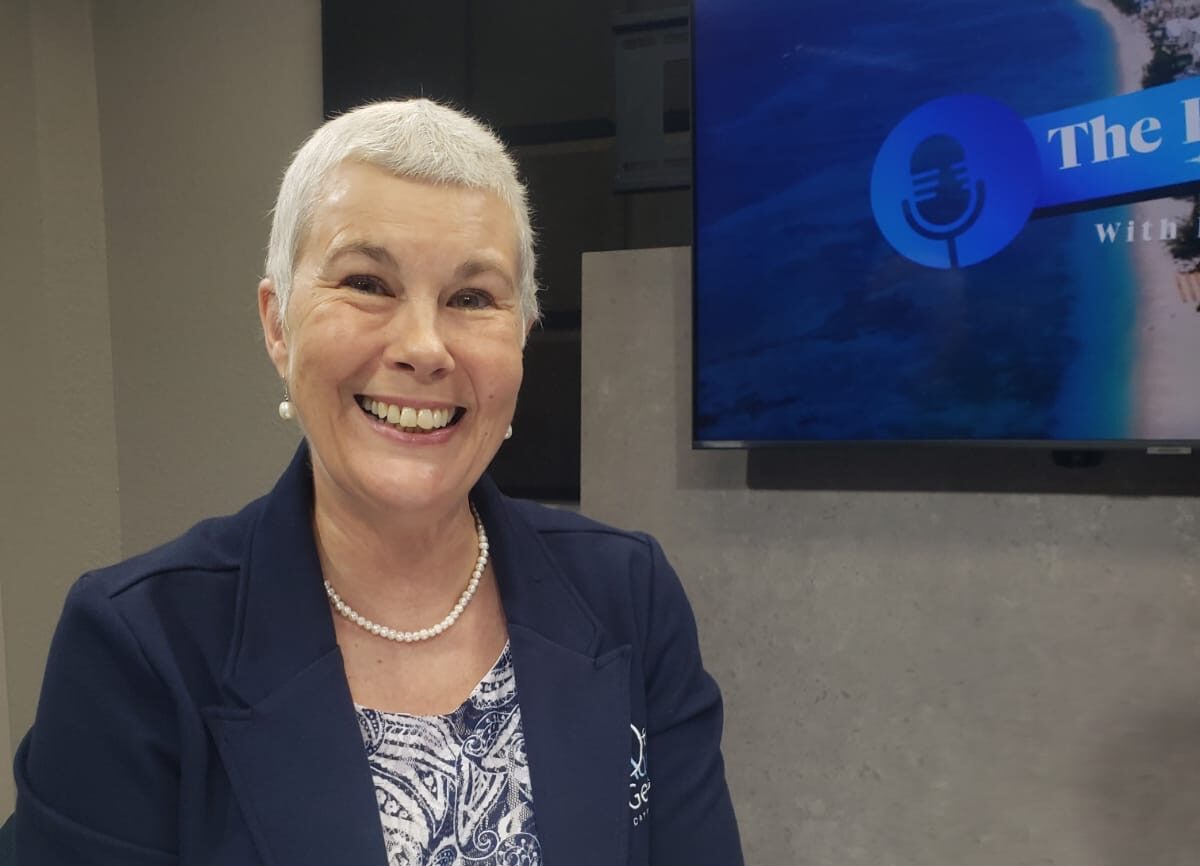
Sue Winspear, Cayman’s former auditor general, is working with the Commission for Standards in Public Life to update legislation on ethical behaviour and good governance by politicians and public servants.
Winspear, who returned to Cayman from the UK for a week this month to help launch a public survey, says she believes the political will currently exists to implement relevant changes in the law.
She noted that in its Strategic Policy Statement this year, the National Coalition for Caymanians government included greater governance among its top seven priorities, giving her confidence that this political administration will get on board with the changes that need to be made.
However, she acknowledged there may be challenges ahead, saying, “I don’t think we should underestimate how difficult it will be to achieve that balance between transparency, openness and public accountability, and personal privacy.”

Commission chairman Woody Foster, in a statement, noted, “The Commission is an independent government oversight body established to set and uphold standards of good governance and ethical conduct in public service. Cayman already has a strong governance framework in place, but we are committed to strengthening it further by updating the Standards in Public Life Act.”
Online access to Register of Interests
Among the changes that are being suggested, and on which the commission is seeking public feedback, is putting the Register of Interests online, where it can be publicly accessed. The register contains annual returns from MPs and other individuals in public life on their businesses, financial, land and property interests, as well as declarations of gifts, hospitality or conflicts of interest.
Currently, to access the registry, one must make an appointment with the commission and visit its office in George Town to view it in person. No copies are allowed to be made, and any notes of what is in the records must be handwritten.
“I’m sure journalists and many members of the public will be pressing for [putting the records online], but when you’re in somewhere that’s, in global standards, quite a small place, you do really run up against privacy concerns, over property details and other things,” Winspear said.
The survey is also seeking views on the level of detail required in the annual returns, with the aim of enabling the Office of the Auditor General to use the returns for audit purposes.
Winspear, who has been working remotely and part-time with the commission as a consultant since October last year, noted that about 1,400 individuals are required to file annual returns.
She says it’s unlikely any legislative changes will be completed before the next annual filing is due, in June this year, but hopes they will be in place by next year.
Another area being looked at is the verification of information submitted by MPs or public servants; for example, comparing the filings with information on the Lands and Survey Department database about property ownership. Currently, there is no legal mechanism through which that can be done, Winspear pointed out.
Parliamentary Code of Conduct
The commission noted that Speaker of the House Ezzard Miller has been working on introducing a Parliamentary Code of Conduct. A code of conduct already exists for civil servants, but none has been implemented for MPs.
The commission pointed out that, in the absence of a Parliamentary Code of Conduct, “there are currently no formal sanctions or penalties applicable to Members of Parliament for transgressions”.
The survey seeks views on whether sanctions and penalties should apply to MPs, and if so, what form they should take.
If such a code is implemented, the question of who oversees investigation into MPs’ conduct arises, Winspear said. There have been suggestions of a parliamentary sub-committee doing so, but that could lead to concerns over politicians policing themselves, or alternatively, of opposition MPs, due to the very nature of the parliamentary adversarial system, using investigations to strike political points.
Winspear suggests that that only other realistic option is for the Commission for Standards in Public Life to do the investigations “because they’ve already got the powers to investigate any person in public life, which includes MPs”.
The survey also asks if personal loans – given or received – should be declared. This inclusion stems from controversy arising from a loan given by former Premier Wayne Panton to parliamentary colleague and former health minister, Sabrina Turner.
The commission is inviting the public to fill out the survey, which, Foster said, takes less than 15 minutes to complete.
“Your views will help shape the future of this important piece of legislation, which exists to promote ethical behaviour and integrity among all Persons in Public Life,” he said.
To take part in the survey, click here.
Related Videos











Ms. Winspear will surely be an asset to this, just as she was as the Auditor General.
Legislation alone will not stamp out corruption amongst all persons in Public Life, what we need is to elect/ select more people of the caliber of Sue Winspear.