Cayman-based insurtech Kettle’s recent investment and partnership deal with large US insurer RLI shows how reinsurance start-ups are thriving in the jurisdiction.
Founded in 2020, Kettle uses data analysis to better model natural catastrophe risk, which allows it to offer cheaper property insurance to some homes in affected areas. It mainly focuses on wildfire risk in California. Having proved its model with a low loss ratio – the amount a company pays out in claims compared to the premiums earned – Kettle attracted the attention of US specialty insurer RLI.
RLI is buying a chunk of Kettle while also entering into a partnership that will see RLI’s A++ rated subsidiary, Mt. Hawley Insurance Company, underwrite some of Kettle’s business. It’s part of a wider trend as established insurance companies adapt to the disruption caused by innovative insurtechs.
Kettle is a managing general agent – known in the industry as an MGA – which means it can design, underwrite and distribute products but doesn’t carry underwriting risk on its own balance sheet. It’s a handy model for insurtechs because it allows start-ups to innovate without needing the capital and ratings to be a full insurance company.
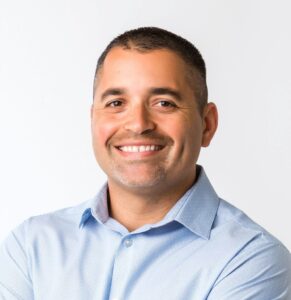
“Kettle was formed off the back of the major wildfire events in 2017, 2018 and 2020,” said the company’s CEO Isaac Espinoza. “The industry had never seen anything like it. You had more than US$10 billion of insured losses and thousands of properties burning down in each of those years. No one really had a good grasp on how to model wildfire risk. It was all over the place.”
The idea behind Kettle was to use emerging AI modeling techniques to better predict wildfire risk in the US. “Nowadays there is rich satellite data, weather data, topographical data, tax data, and real estate data,” said Espinoza, who is based in Cayman and was appointed CEO in November 2024. “You can bring these sources together through data engineering and model the risk at a granular level. You can work out the probability of a property being hit by a fire, and if it is hit, the likelihood it is damaged or totalled.”
Cayman’s attraction
Kettle also has entities in the US and Bermuda but Espinoza believes Cayman makes the most sense for the Kettle risk-taking model. In particular, Espinoza hails the Biii licence available in Cayman.
“The Cayman Biii model allows tech-forward MGAs to participate in the risk of the business they produce, through a reinsurance entity. A number of major insurtechs have set up Cayman Biii entities, including Lemonade, Root, Hippo and Next Insurance. It is a more optimal structure for taking risk on the business you produce.”
Essentially it is easier to be a reinsurance start-up in Cayman, said Espinoza. “Setup costs tend to be higher elsewhere. Historically, a reinsurer often needed about US$1 billion in capital to start and would require an AM Best rating.”
The Biii model doesn’t just appeal to insurtechs, it also works for other reinsurance companies that don’t have a rating. “In addition to insurtechs retaining their own risks, there are many recent reinsurance startups in Cayman on the Biii model that write non-related business on a collateralised basis,” Espinoza added.
For now, Kettle’s focus is wildfire-prone parts of the US, but Espinoza believes the firm could help Caymanians in the future. “Kettle is focused on adapting to climate change,” said Espinoza. “Frequency and severity of wildfires have increased, and similar trends are relevant for hurricanes too. As risk changes, we need better prediction and better incentives. If people harden homes and prepare properly, they should pay lower premiums.”
Related Videos