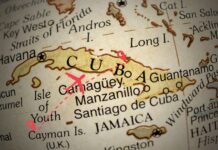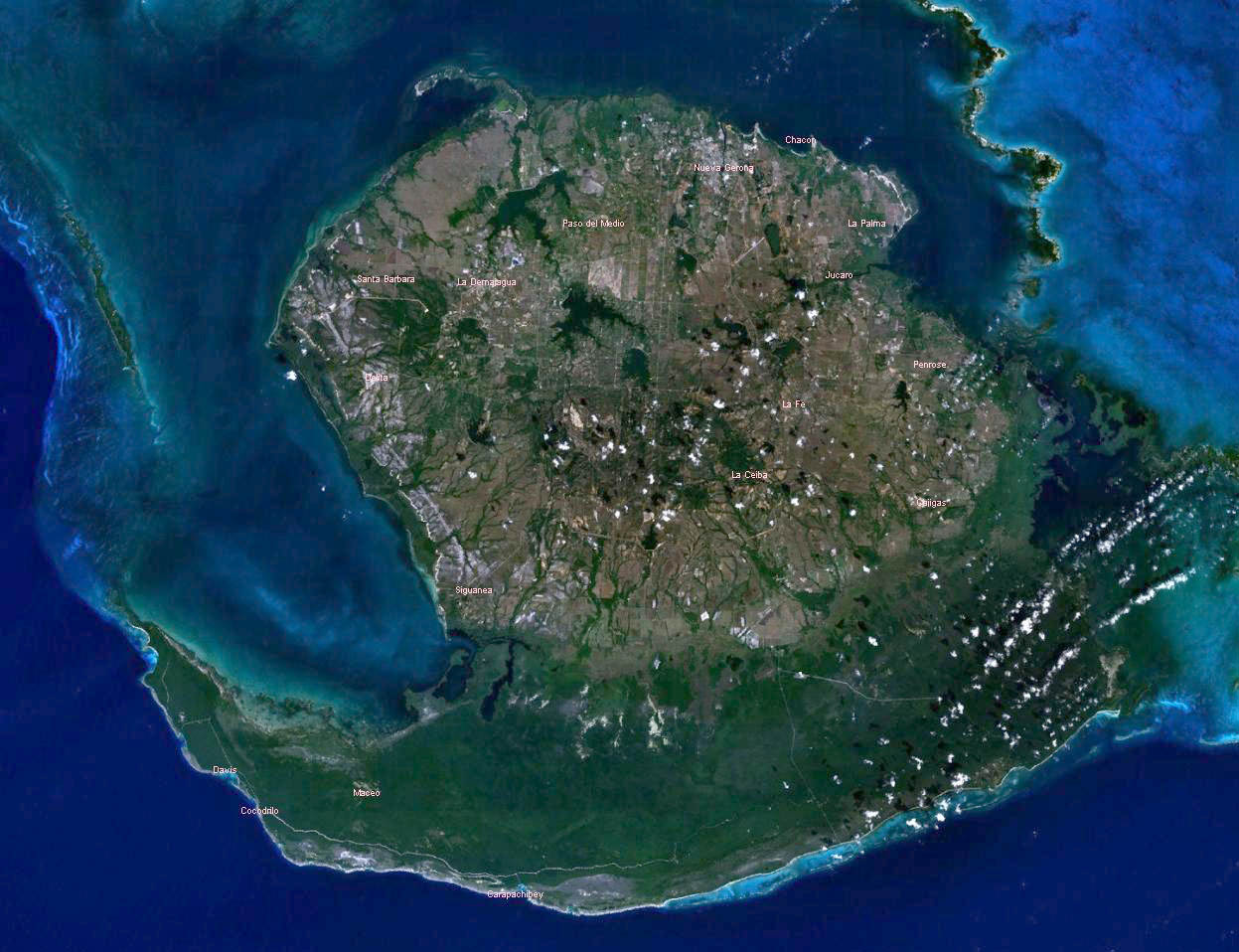
The people of the Cayman Islands have a long history with Cuba, and in particular, the Isla de la Juventud, which until 1978 was known as the Isle of Pines.
From the 1700s onward, Caymanian turtle hunters sailed north toward Cuban banks. Logwood cutters camped along the remote southern coastline. Small schooners provisioned in Cuban ports.
The Isla de la Juventud, Cuba’s second largest island, became part of Cayman’s extended maritime landscape. Caymanian names took root there. Some returned home, other stayed, but close connections have remained.
Today, Cuba faces a deepening fuel and energy crisis. Power outages have lengthened. Transport has tightened. Tourism, vital for foreign currency, remains fragile. For families on Isla de la Juventud, daily life is growing harder.
John Ebanks, who left the Isla de la Juventud more than three decades ago but still has close relatives there, said the situation has shifted.
“For a while they had it better than they had on the big island because they weren’t experiencing the same extended power outages,” he said. “But now they are also going 12 or 18 hours a day without power.”
He said that in some rural parts of the Isla de la Juventud, people can still access locally grown crops and fish more easily than in mainland cities, where ration books dictate limited supplies. “The average salary is around $25 dollars a month and the informal exchange rate has risen to over 500 Cuban pesos to the US dollar,” he added.
Yoandy Swaby said his relatives on the island are also facing severe difficulties. “It is definitely a struggle for my relatives over there. I just hope it starts to get better. They are suffering; it can’t get much harder for them.”
David Ebanks said his family on the island “are surviving … They live in the country, and somehow, they are getting by”.
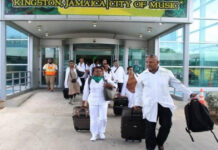
Jesusalberto McLaughlin, who travelled to the Isla de la Juventud in December and returned in January, described tightening transport links. “The plane that transports people back and forth from Havana to Gerona is now only running once or twice per week and the catamaran has stopped running completely,” he said.
“At the present time, it is only the ferry, the ‘Perseverancia,’ that is still running, but it is getting hard to get a ticket.”

The ‘Perseverancia’ only has room for 400 passengers on board and it is also the main transportation for food and supplies from the mainland.
“There is less food on the shelves, and I am praying for the people there. Some don’t even get one plate of food a day.” McLauglin said.
McLaughlin added that people in Cayman are trying to help. “They send the money to their family members through people who are flying to Havana on the flight on Friday, and there are people in Cuba who then collect the money and get it to their relatives.”
Yemmy Hernández, who lives on the south coast of Isla de la Juventud, described “problems with transportation, communications, lack of medicine and food,” though she adds that government assistance is focused on families with young children. “The people of Cocodrilo (formerly Jacksonville) are hunting and fishing more than ever.”
Despite the hardship, McLaughlin said there are “still no signs of disorder or protests, and it is still a relatively safe place”.
David Ebanks said that like Havana and other parts of Cuba, “Long lines are now starting to form in Nueva Gerona and Santa Fe, the largest towns in the Isle of Pines [Isla de la Juventud], with people waiting hours for gasoline. I just hope the gasoline situation gets resolved soon because it is getting very hard, particularly for the elderly people.”
Possible migrant surge
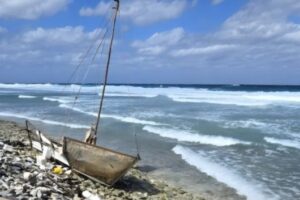
Cayman has experienced previous surges of Cuban migrants when economic conditions worsened in the country.
Right now, the Cayman Islands Government has signalled that preparations are already under way in case the current situation in Cuba leads to another mass migration.
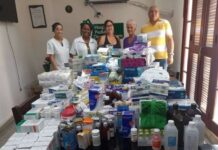
For Caymanians with family members in the Isla de la Juventud, it is a stressful time watching the lives of their relatives become increasingly hard due to the lack of fuel, medicine and even food.
Related Videos