Members of the Cayman Islands Garden Club gathered in the conference room at A.L. Thompson’s home store on 6 March for a presentation about bees from Peter Fitzgerald, founder of Pestkil Ltd. in the Cayman Islands.
Although the topic was bees, the discussion quickly expanded into something much larger: the delicate, largely unseen system of pollination that supports much of the planet’s plant life.
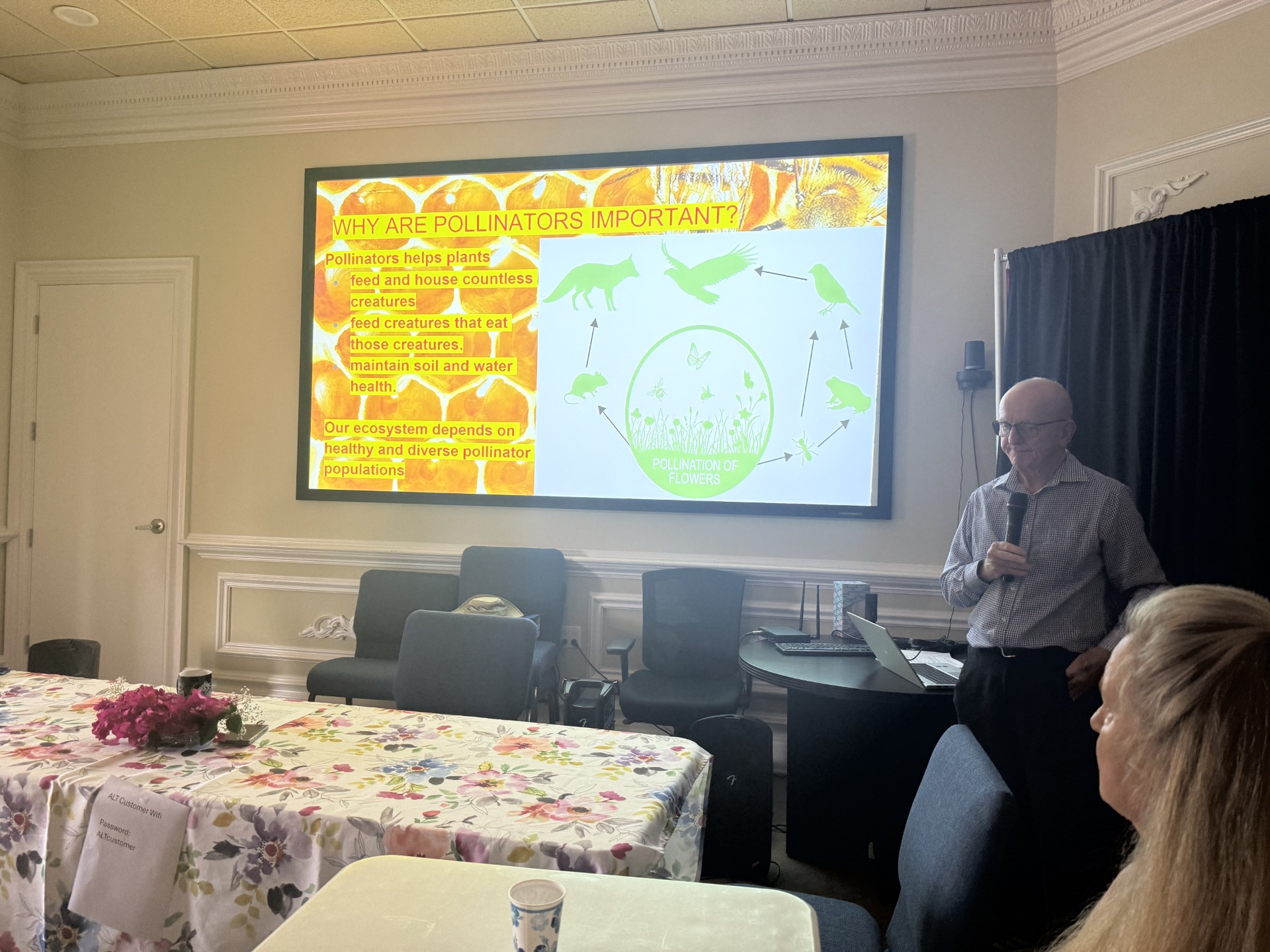
Pollination, Fitzgerald said, is the biological exchange that allows most plants to produce fruits, seeds and new generations. Without it, a lot of the food we depend on would not exist.
“Pollination underpins almost everything we eat,” he told the audience.
Although not all plants require pollination to reproduce, about 80% of all pollination is carried out by animals, bees, butterflies, moths, birds and even bats. Among those pollinators, bees are the undisputed champions.
Nature’s most efficient workers
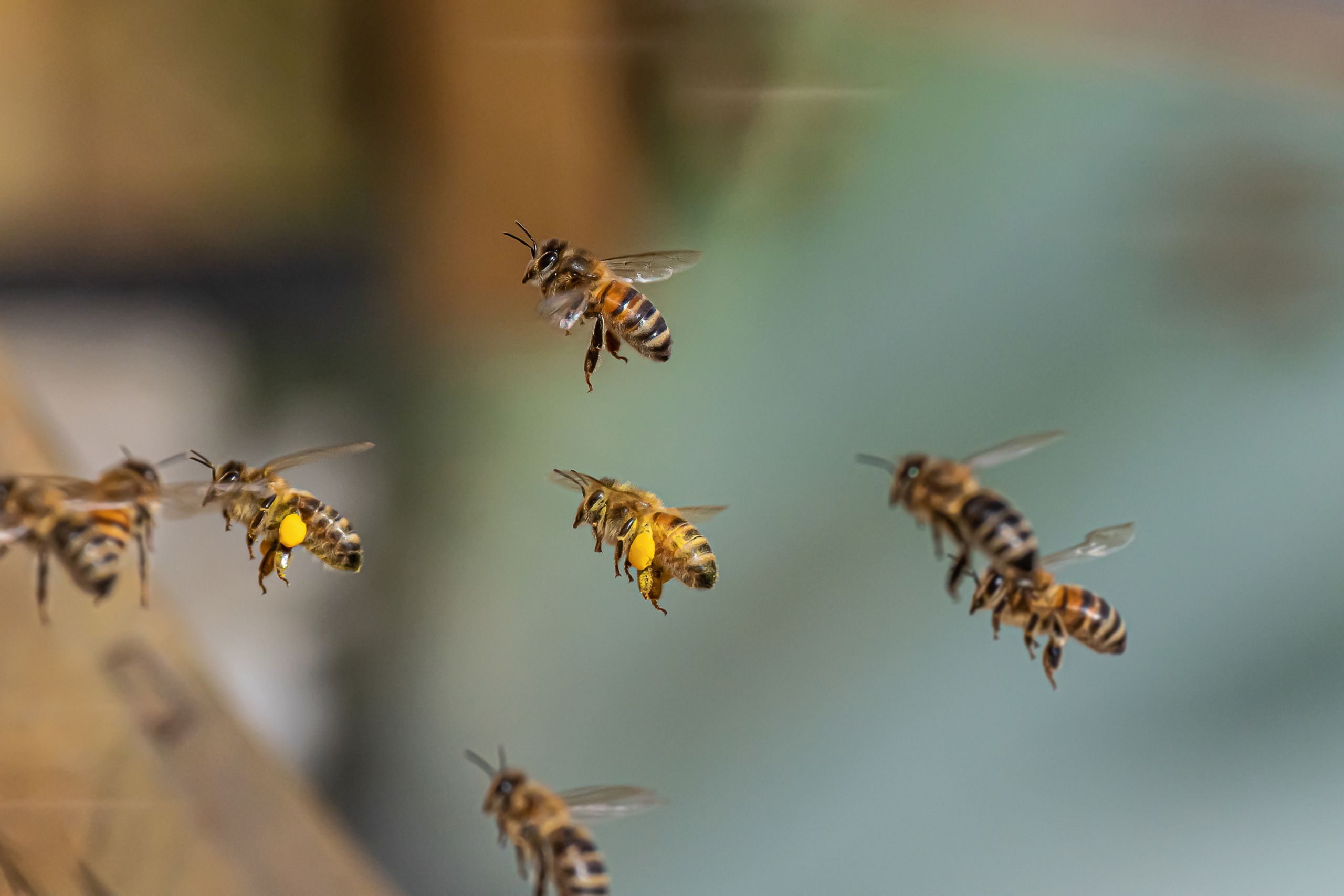
When a bee visits a flower in search of nectar, tiny grains of pollen cling to the fine hairs on its body. As it moves from flower to flower, some of that pollen is transferred to other plants, allowing fertilisation to occur and fruits or seeds to form.
It is a simple process, but an incredibly important one.
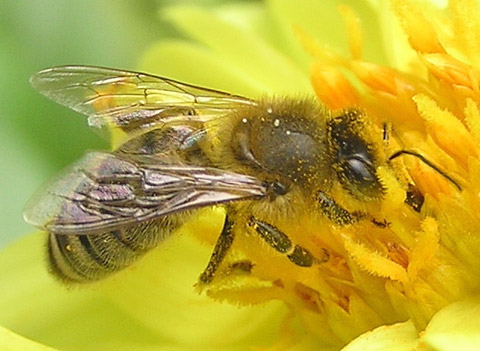
Bees are particularly effective because they have evolved for the job. They can see ultraviolet patterns in flowers; markings invisible to humans that act like landing guides pointing them to nectar.
Their bodies also build up a small electrostatic charge while flying, which helps pollen jump onto them when they land on a bloom.
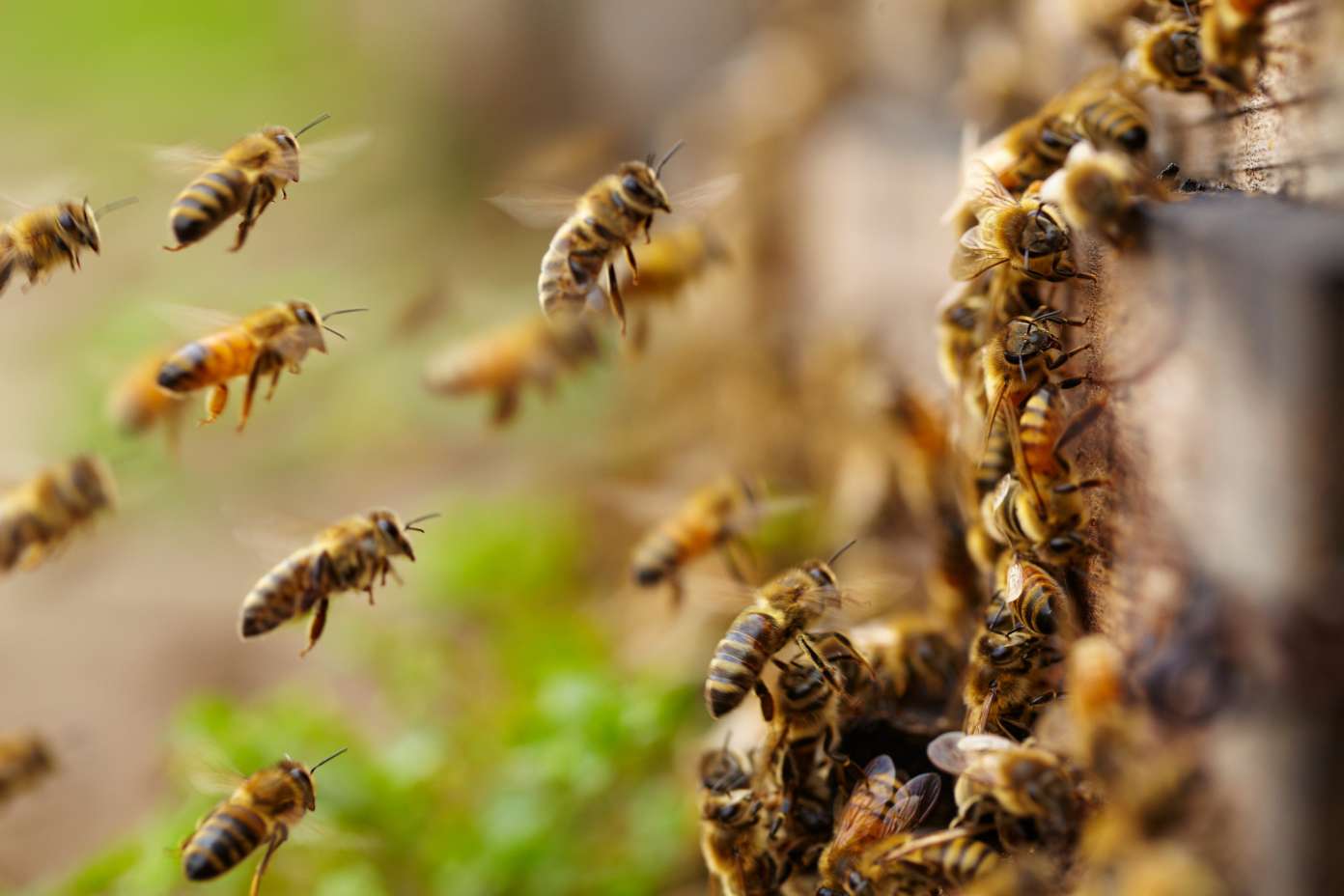
Worker bees may travel up to three miles from their hive searching for nectar and pollen. When they find a rich source of flowers, they return to the hive and perform a communication ritual known as the ‘waggle dance’.
Through this movement, they tell other bees the direction and distance to the food source.
“It’s one of the most sophisticated communication systems in the insect world,” Fitzgerald said.
The life inside a hive
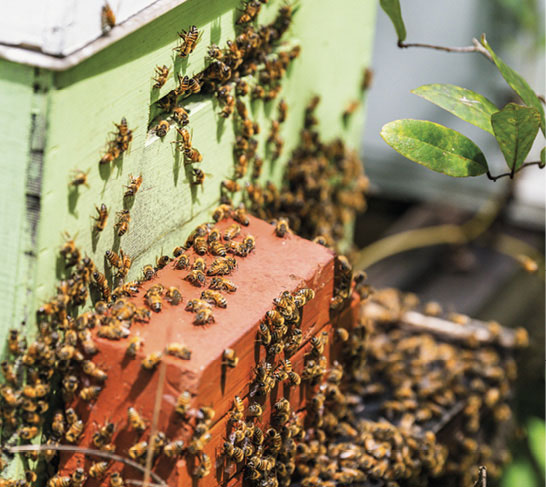
“A beehive operates like a perfectly organised society,” Fitzgerald told the assemble group from the Cayman Islands Garden Club.
“At its centre is the queen, whose primary role is reproduction. She can live for up to five years and lay thousands of eggs.”
“Worker bees, which are all female, perform nearly every other task; gathering nectar, feeding larvae, building wax comb and defending the hive. Their lives are short but busy, lasting only four to five weeks during peak season.”
Drones, the male bees, exist mainly to mate with a queen. When the season ends, they are often expelled from the hive as resources become scarce.
The development of each bee follows a precise schedule: Queens emerge in about 16 days, workers in 21 days and drones in around 24 days.
Within the hive, bees also produce substances that have fascinated humans for centuries.
Honey is created when bees collect nectar and gradually reduce its moisture content. The result is a dense, energy-rich food packed with antioxidants.
Bees also produce wax, used to construct honeycomb cells, and propolis, a resin collected from plants that bees use to sterilise and seal their hives. Propolis has long been valued for its antibacterial properties.
Pollinators under pressure
Despite their importance, pollinators around the world are declining.
Fitzgerald highlighted several causes: habitat loss, climate change and the widespread use of pesticides.
Modern agricultural practices, particularly monoculture farming where large areas are planted with a single crop, have dramatically reduced the diversity of flowering plants that insects rely on.
“In the past there were hedgerows, meadows and wildflowers everywhere,” Fitzgerald recalled. “That diversity supported huge numbers of insects.”
Today, many of those habitats have disappeared.
The result has been declines in species ranging from bumblebees and solitary bees to butterflies such as the monarch.
Even in the Cayman Islands, where development pressures continue to reshape the landscape, pollinator habitats face increasing challenges. However, Fitzgerald explained there are still opportunities to protect them.
Lessons from abroad
Fitzgerald pointed to several biodiversity initiatives in Ireland that offer encouraging examples.
Local councils there have begun converting sections of traditional lawns into wildflower meadows, dramatically increasing insect populations.
Schools and communities have also started building ‘bug hotels’, which are small structures made from logs and natural materials that provide nesting sites for solitary bees and other insects.
These actions help restore the small pockets of habitat that pollinators need to survive.
Fitzgerald said, “In the Cayman Islands, the situation is particularly interesting because the islands are home to at least 11 species of solitary bees – insects that live and nest individually rather than in large colonies.”
While less visible than honeybees, these solitary pollinators also play an important role in maintaining biodiversity.
A shared responsibility
Fitzgerald said that protecting pollinators does not necessarily require large-scale environmental programmes. Often, small decisions made in gardens and communities can have a meaningful impact.
“Planting flowering plants, reducing pesticide use and allowing parts of gardens to grow more naturally can create vital feeding and nesting areas.”
Education also plays a key role.
Fitzgerald emphasised the importance of teaching younger generations about pollinators and their role in the natural world.
“When people understand how important these insects are,” he said, “they begin to see their gardens differently.”
As Fitzgerald reminded the Garden Club audience, protecting pollinators ultimately means protecting the living systems that support us all.
Related Videos