

At a glance
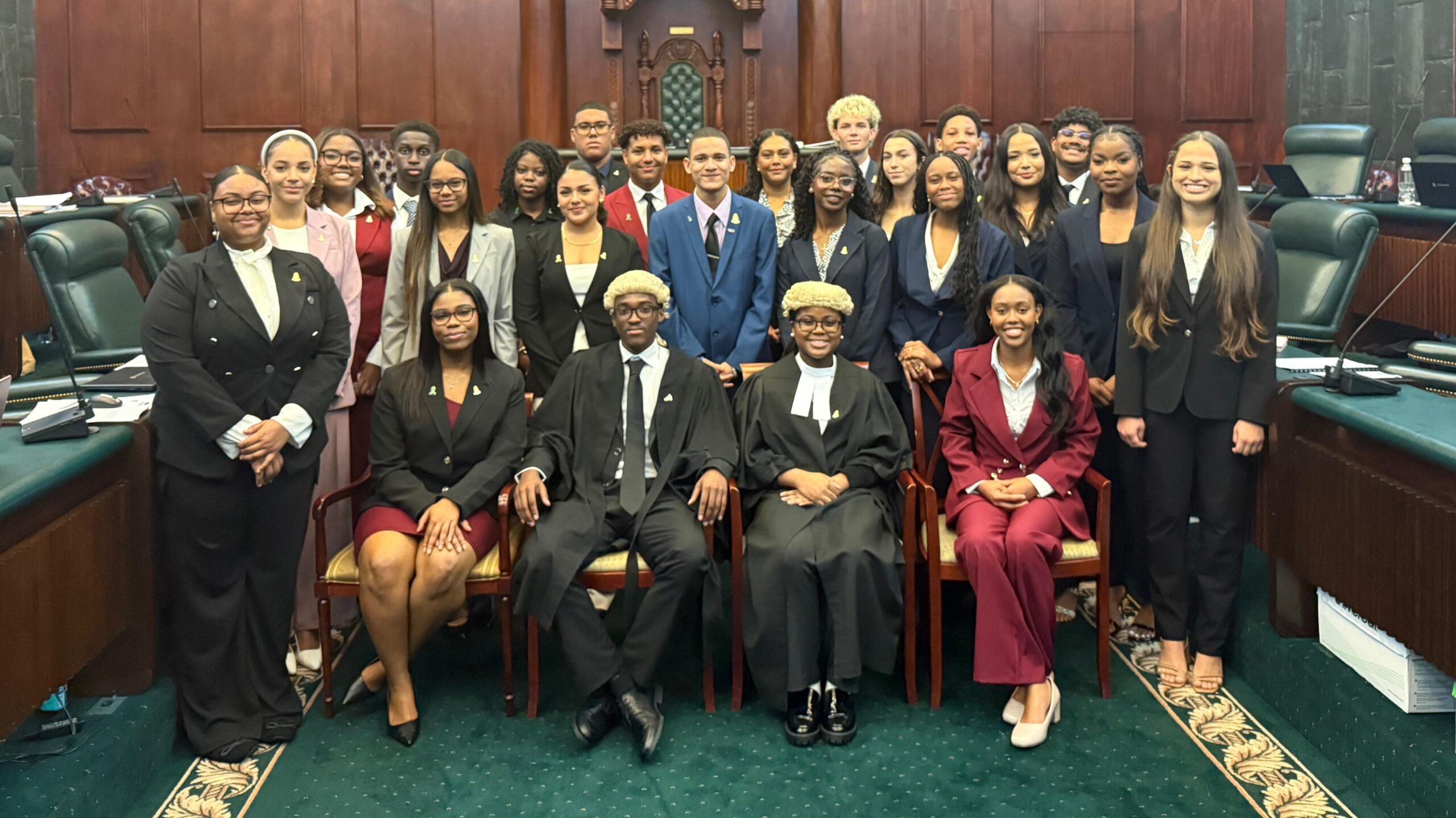
- The 19th Cayman Islands Youth Parliament met on 9 March, with young potential policymakers debating key community issues
- Youth Parliament was held in tandem with Commonwealth Day 2026
- Topics for debate included mental health support and youth rehabilitation
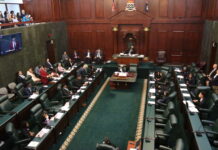
The next generation of potential political policymakers took over Parliament with passionate debates and quick-fire repartee at the 19th session of the Cayman Islands Youth Parliament on Monday, 9 March.
No assertion was left unchallenged as the youthful politicians discussed issues that are at the forefront of the current national debate, with motions on mental health support and jobs for Caymanians on the order paper.
The Youth Parliament meets every year and is an opportunity for young people aged between 15 and 25 to learn first-hand about how Parliament works and to practise their debating skills.
Influencing debate
Youth Parliamentarians are nominated by their respective schools or universities and, once nominated, attend the House of Parliament and organise meetings, write speeches, draft motions and bills, and have the chance to influence decision-makers on the issues that matter to young people.
The young politicians, who have spent the last few months learning about parliamentary procedures, showed themselves to be unintimidated by the grand surroundings of the parliamentary chamber and debated the issues with style, confidence and a brevity that might inspire their real-life political counterparts.
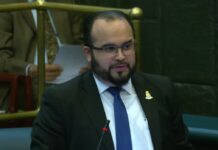
The day was held in tandem with Commonwealth Day 2026 under the theme ‘Unlocking opportunities together for a prosperous Commonwealth’. Opening the proceedings, Opposition Deputy Leader and Chairman of the Youth Parliament Committee Kenneth Bryan said, “I look across the floor and see a generation ready to move beyond being spectators of history to becoming participants who write it.”
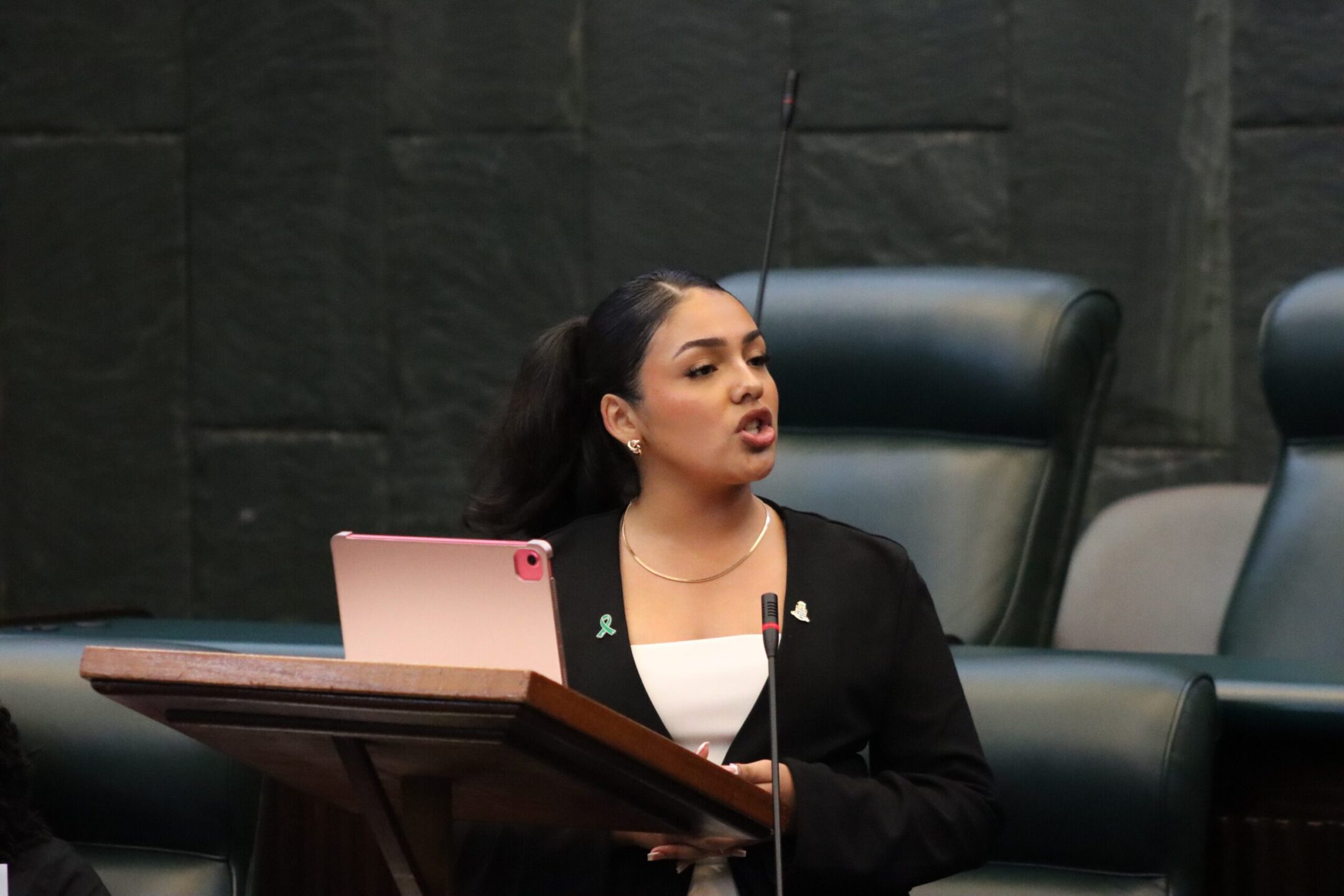
He told them: “You have chosen to be active creators of change. By preparing for this debate, you have already signalled that you are ready to carry the weight of leadership.”
While not all those present had aspirations for political office itself, Opposition Leader Joey Hew pointed out, “Debating here today is excellent preparation for life in Cayman because if you can stand up in here in this chamber and confidently defend your ideas, you’ll be well prepared for everything from community meetings to your family WhatsApp groups.”
Those taking part in Youth Parliament assume the role of members of Parliament for a day, debating solutions to real issues, chosen by them. First on the schedule was a government motion proposing to support youth mental health and youth rehabilitation in the Cayman Islands with a community hotline and a nationwide support programme to deliver activities such as mentorship, counselling and skill-building opportunities to support young people.
Mental health a priority
Moving the motion was Rayne Harding, Youth Parliament’s MP for George Town South. Wearing a green pin to signify the importance of mental health, he noted how an Alex Panton Foundation study showed that the depression rate in the Cayman Islands is 4.6%, more than four times the global average of 1.1%, revealing a growing mental health challenge that requires urgent attention.
“Help is not just a word that means rescue, but a word that also means prevention,” he said, “because sometimes help is not about saving someone after they fall. It’s about making sure that they never fall.”
Describing the current “mental health crisis”, he spoke movingly of how “our biggest enemy is not just depression. It is silence. The silence of a teenager who deletes the messages before pressing send. The silence of a child who thinks no one will understand. The silence of a family too ashamed to admit that they are struggling. A national hotline breaks that silence. It tells every young person in Cayman, you may be quiet in your house, but you are not alone in this country.”
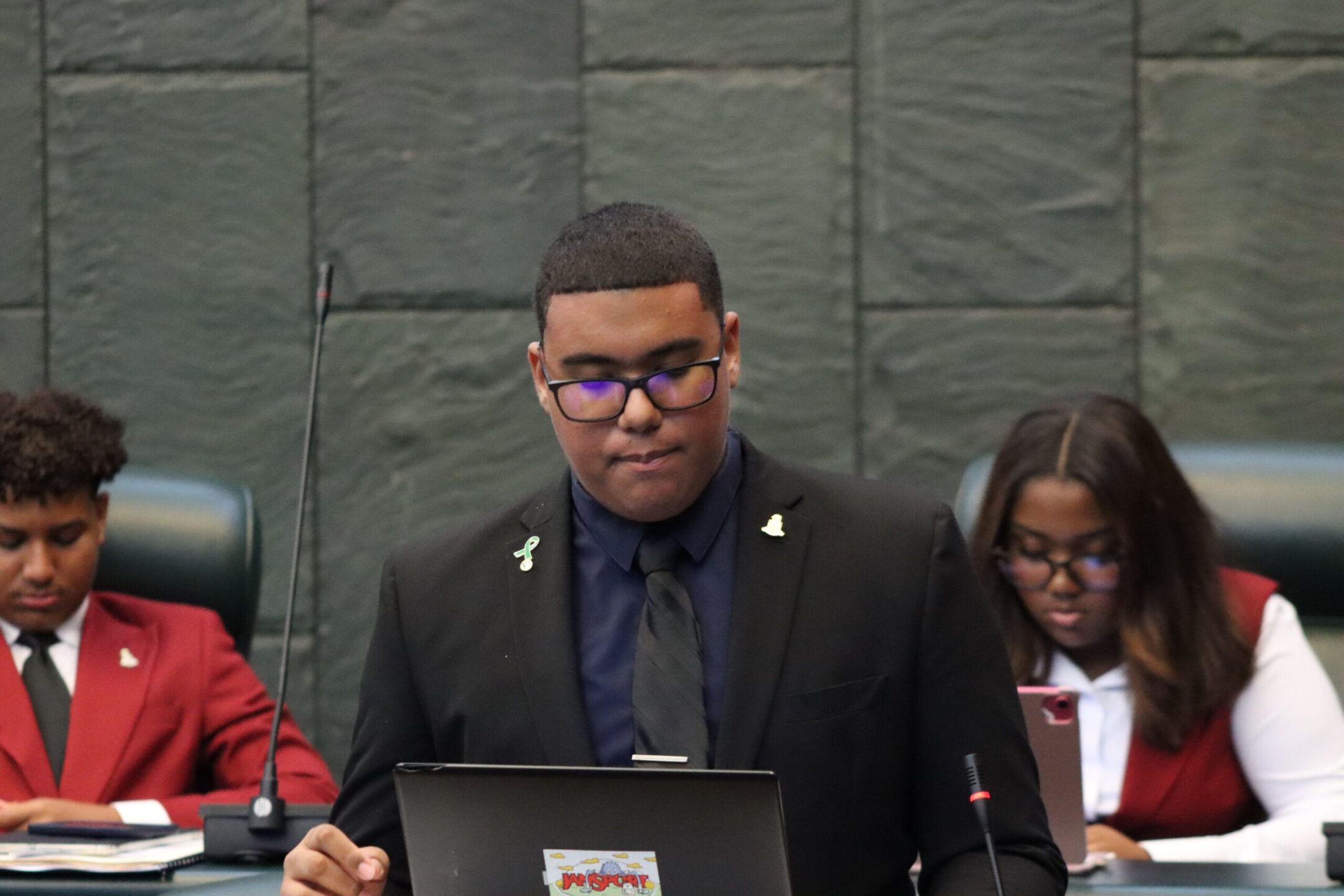
Speaking for the opposition, Red Bay MP Shantel Robinson said that while she supported the concept of mental health provisions, she challenged, “Why are we even comparing Cayman to a global average in the first place? The global average includes countries with vastly different healthcare systems, reporting standards, cultural attitudes toward mental health and access to diagnosis. Comparing a small country with a small population like the Cayman Islands to a global figure that includes underreported regions is not only misleading, but also statistically irresponsible.”
Robinson also asked for clarity as to what exactly was being proposed. “Are we duplicating services instead of improving the ones we already have, or are we solving a problem, or simply rebranding?”
Demand for evidence
High usage of hotlines does not necessarily indicate positive outcomes, Robinson added. “It may instead indicate rising distress, lack of follow-up care or insufficient early intervention. … The opposition urges this honourable house to demand stronger evidence, clearer definitions and genuine accountability before moving forward.”
The government carried the day, with the motion passed.
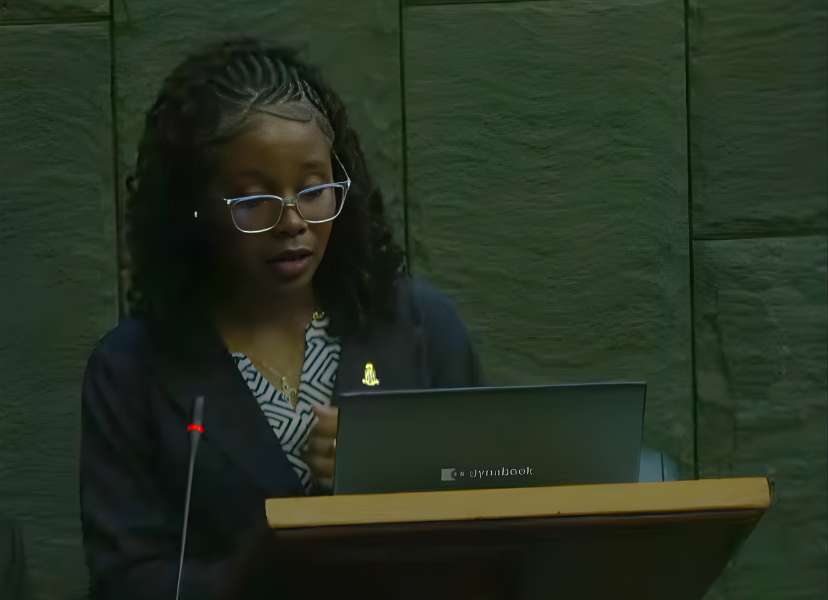
The second debate of the day was on the opposition’s motion to consider establishing a national job criteria list to ensure transparency and equal qualification standards across both public and private sectors.
The motion was proposed by Opposition Leader Johanah O’Connor, who said that it was based on “one fundamental principle – fairness, transparency, and opportunity for Caymanians”.
“Too often, we hear the phrase ‘there were no suitably qualified Caymanians’. The reality is this. There is no standardised nationally agreed definition of what constitutes a qualified candidate for many roles across the industries and, as a result, employers apply subjective criteria. Caymanian applicants are rejected without clear reasoning. Work permits are granted where transparency is questionable and the public trust in the labour system is weakened.”
O’Connor received support from her opposition colleague Reeci-Lee Dewar, MP for George Town East, who said, “Applying for a job in Cayman today feels like trying to solve a puzzle where the pieces keep changing shape. … I would like to stress that we understand Cayman will always need immigrant workers due to our small population. But that doesn’t mean we shouldn’t prioritise our locals. Cayman will always welcome the world, but not at the expense of its own people.”
Policy discussion
Although he agreed that Caymanians deserved opportunity, Premier Raniah Berry cautioned: “Good intentions do not automatically produce good policy.”
He added, with a lyrical flourish that drew loud support from the government benches, “The opposition has clearly spent time in the kitchen crafting this motion, and I commend the effort. But let me be clear. They should stick to being MPs rather than trying to pursue a career in the culinary arts. What they presented to this honourable house is uncooked and missing a few season peppers, if you ask me. In other words, Mr. Speaker, it looks appealing on the menu, but once you taste it, it does not nourish.”
The debate, ably chaired by Speaker De-Andre Beckford, became heated, with accusations of unparliamentary language flying around, and the result was close, reflecting the strongly held views on either side: a narrow defeat for the motion.
After the debate, all participants were treated to a formal reception attended by politicians past and present, including Premier André Ebanks and former Premier McKeeva Bush who was instrumental in setting up the Youth Parliament.
Related Videos








I’m curious if these young people are taught Civics in school and or some form of political science? Are they taught and encouraged to approach politics with ideals or to perpetuate Cayman’s immature populist political styles?
They are the future, after all. So, if we really want changes to the system, as is a popular public outcry, then training them in the latter style offers no hope.
Can anyone clarify, please?