Women’s reproductive health was at the centre of a conference that drew hundreds of members of the public and medical professionals.
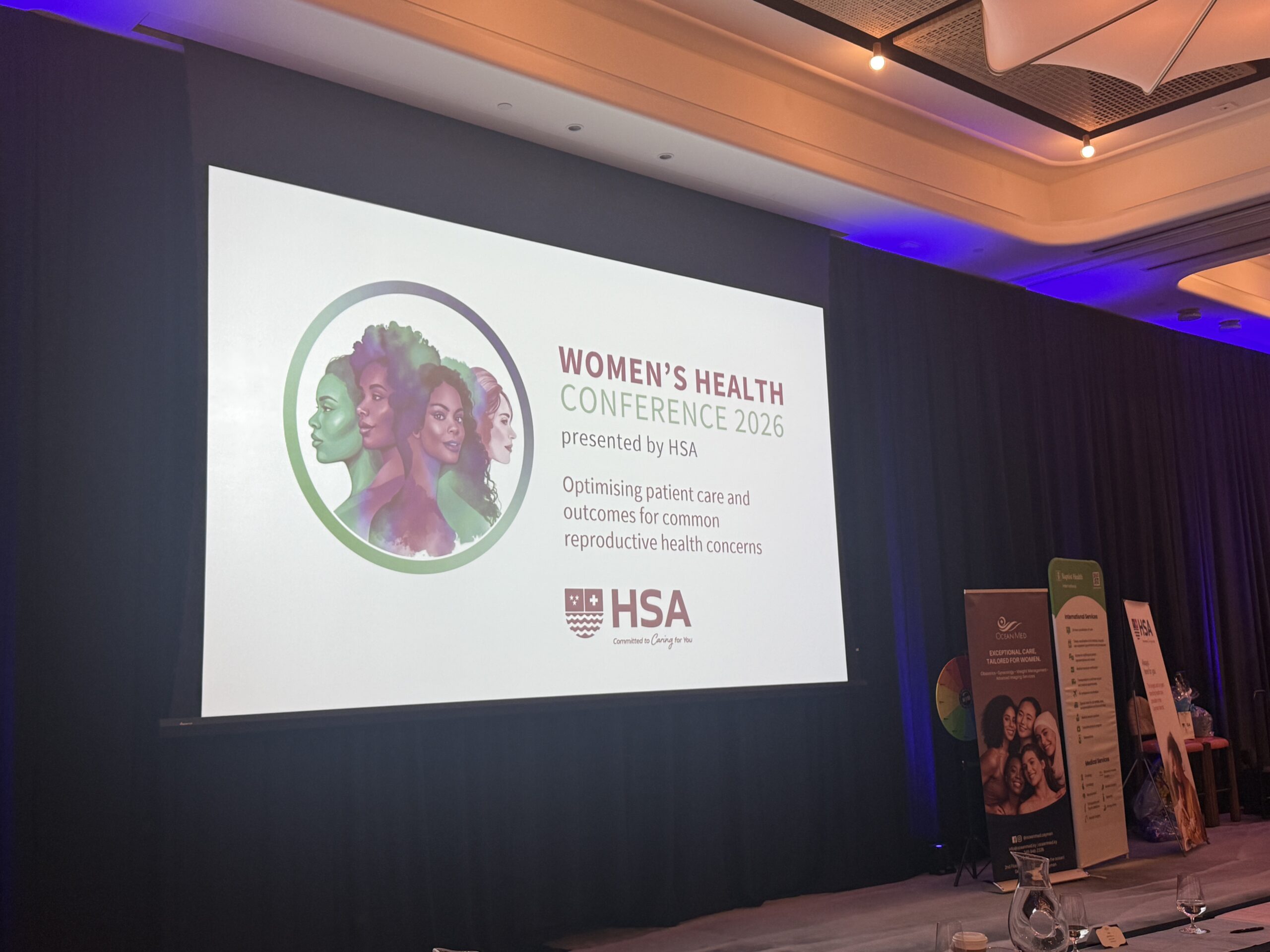
The 14th annual Women’s Health Conference, hosted by the Health Services Authority at Hotel Indigo Grand Cayman on Friday, 13 March, involved presentations and discussions that addressed health issues facing adult women through each stage of their lives.
The wide range of topics highlighted by the more than a dozen speakers included pregnancy, fertility, contraception, polycystic ovary syndrome, cancer care, vulval health, testosterone use, pain management and menopause.
Health Services Authority CEO Lizzette Yearwood, in an opening address, told attendees that the subject of women’s health was not a niche one.
“It is central to the physical wellbeing, emotional health, family stability and community development,” she said. “When we optimise care in this area, we are strengthening the very fabric of society. Women are the heartbeat of our families. They are the force that drives economies and the glue that holds our societies together.”
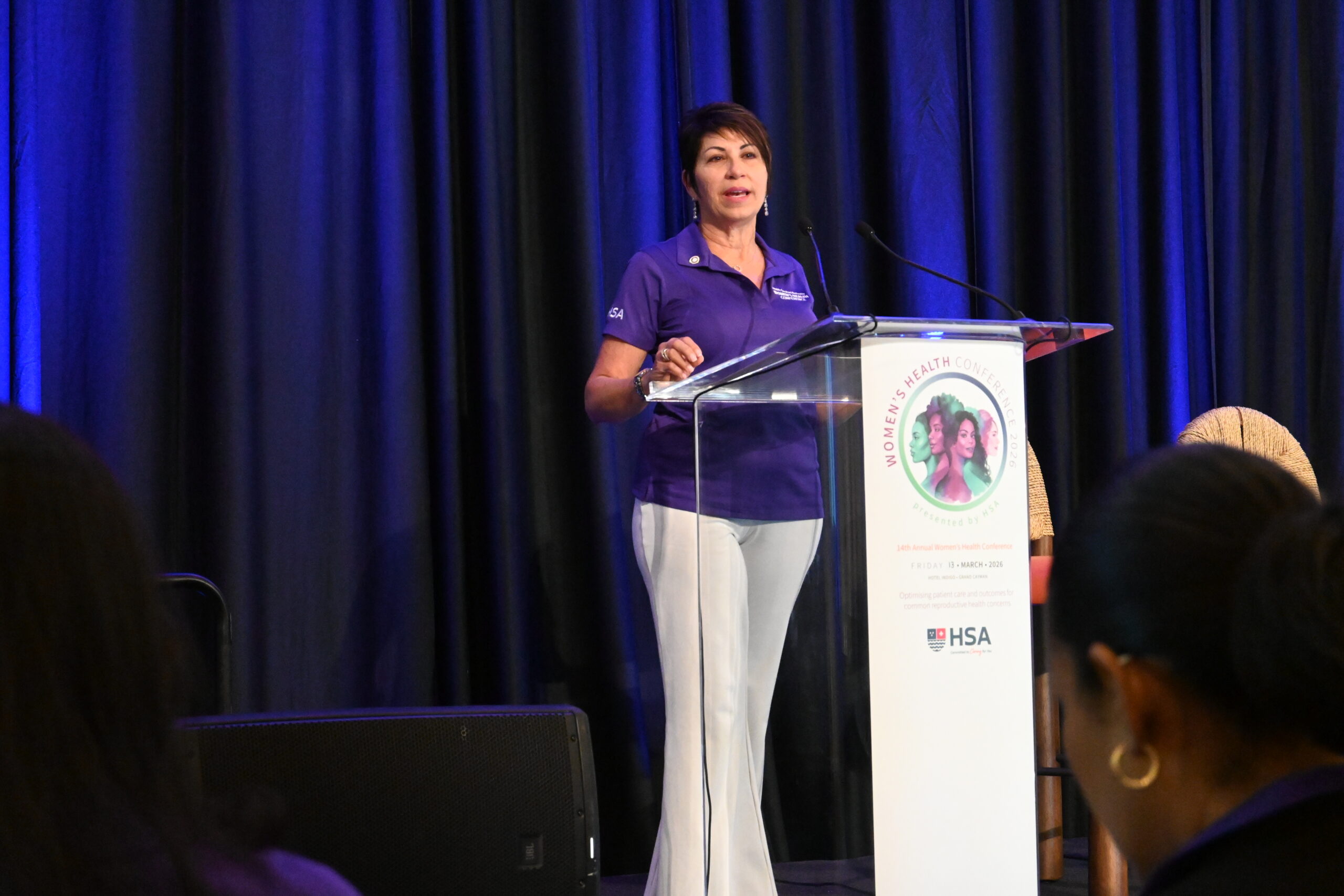
She noted that the theme of the conference, held during International Women’s Month, was ‘Optimising patient care and outcomes for common reproductive health concerns’ – a subject chosen to address issues that face many women, but that are not always spoken about openly.
“Conversations around reproductive health must be open, informed and grounded in compassion. We cannot improve outcomes if we are unwilling to address challenges directly,” Yearwood said.
This message was echoed throughout the conference, with speakers presenting on subjects that are, for some, considered taboo or embarrassing, such as challenges to sexual relationships during perimenopause or menopause, urinary incontinence or vulval health in general.
In a ‘fireside chat’ on stage during the conference, three medical professionals – a surgeon, a radiation oncologist and a urologist – outlined the various stages of treatment and after-care a patient with uterine cancer would undergo, explaining their roles in the process and the modern and ever-evolving approaches that are available.
The surgeon, Dr. John Diaz, chief of gynaecologic oncology at Baptist Health Miami Cancer Institute, noted that, according to available statistics, cancer accounts for about 20% of deaths on island. He said endometrial cancers account for 10-14% of these cases, with numbers rising amid an aging population and alongside obesity levels.
He said cervical cancer makes up 25% of cases in Cayman, noting that the Ministry of Health has made it a priority to supply the HPV vaccine on island.
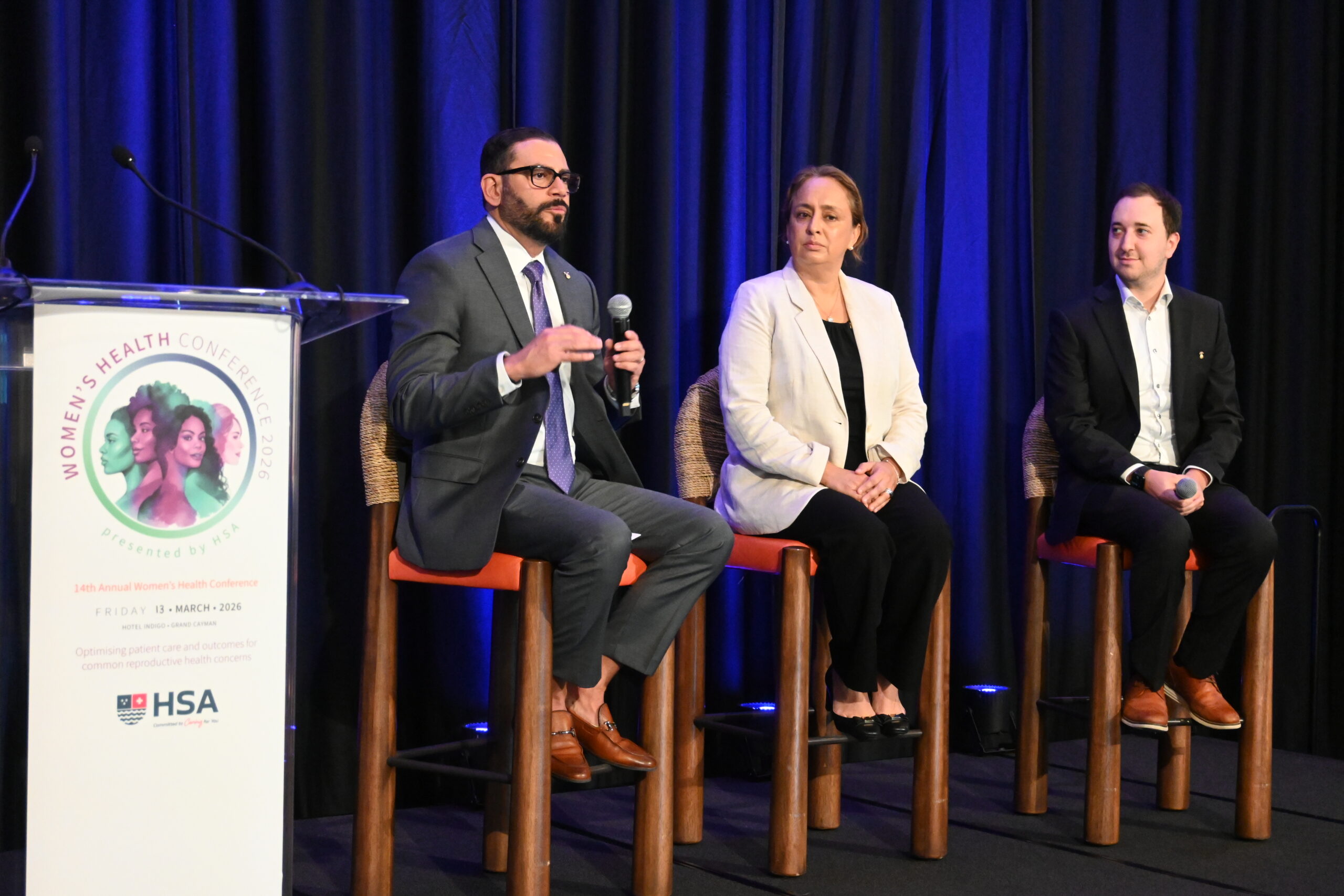
Diaz, who uses robotic surgery to remove tumours or perform hysterectomies, said the goal is to ensure that patients “do not just survive their cancer treatment – we want them to thrive after this”.
He added that this means “addressing the concerns that come up during their cancer care, their side effects, but also their quality of life after this, addressing things like sexual health, menopause – either caused by cancer treatment or surgery – and making sure that our patients evolve beyond their cancer….”
Perinatal health
Health Minister Katherine Ebanks-Wilks, who spoke at the start of the conference, said her ministry and the Health Services Authority’s midwifery and paediatric teams were working together to “review and enhance pre-natal education”, to ensure that pregnant women receive clear guidance on nutrition, immunisations and vitamin intake.
Part of that work includes launching an updated national immunisation schedule, she said.
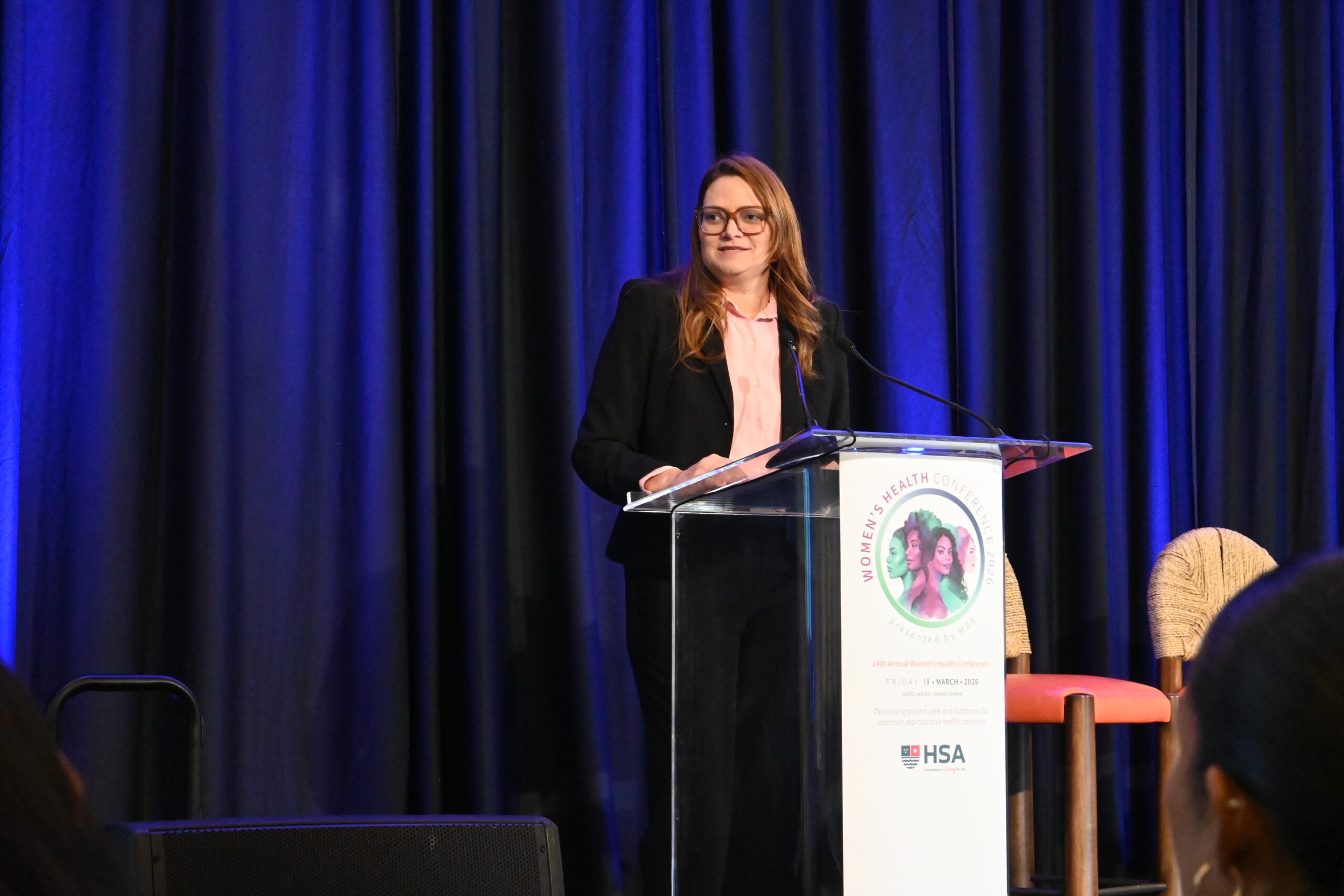
“We’re also developing policy advice to support perinatal health more broadly,” she added, “including screening for maternal mental health concerns, safeguarding against domestic violence where it can be present, and ensuring that new moms have adequate support before and during childbirth”.
The minister also noted that under the Pharmacy Act of 2024, which she said would soon commence, healthcare professionals other than doctors will be able to prescribe medication, thereby increasing access for patients.
“As part of that conversation,” she said, “we encourage prescribers to assess the capacity of young people … to ensure they can consent to contraceptive or sexual health advice and treatment. This approach helps ensure that young people, particularly young women, receive accurate information and appropriate care to protect their health and future.”
More than 450 people attended the annual Women’s Health Conference at Hotel Indigo. The event has grown exponentially over the years, since it first began with about 50 attendees at the Hibiscus meeting room at the Anthony S. Eden Hospital in George Town.
Related Videos