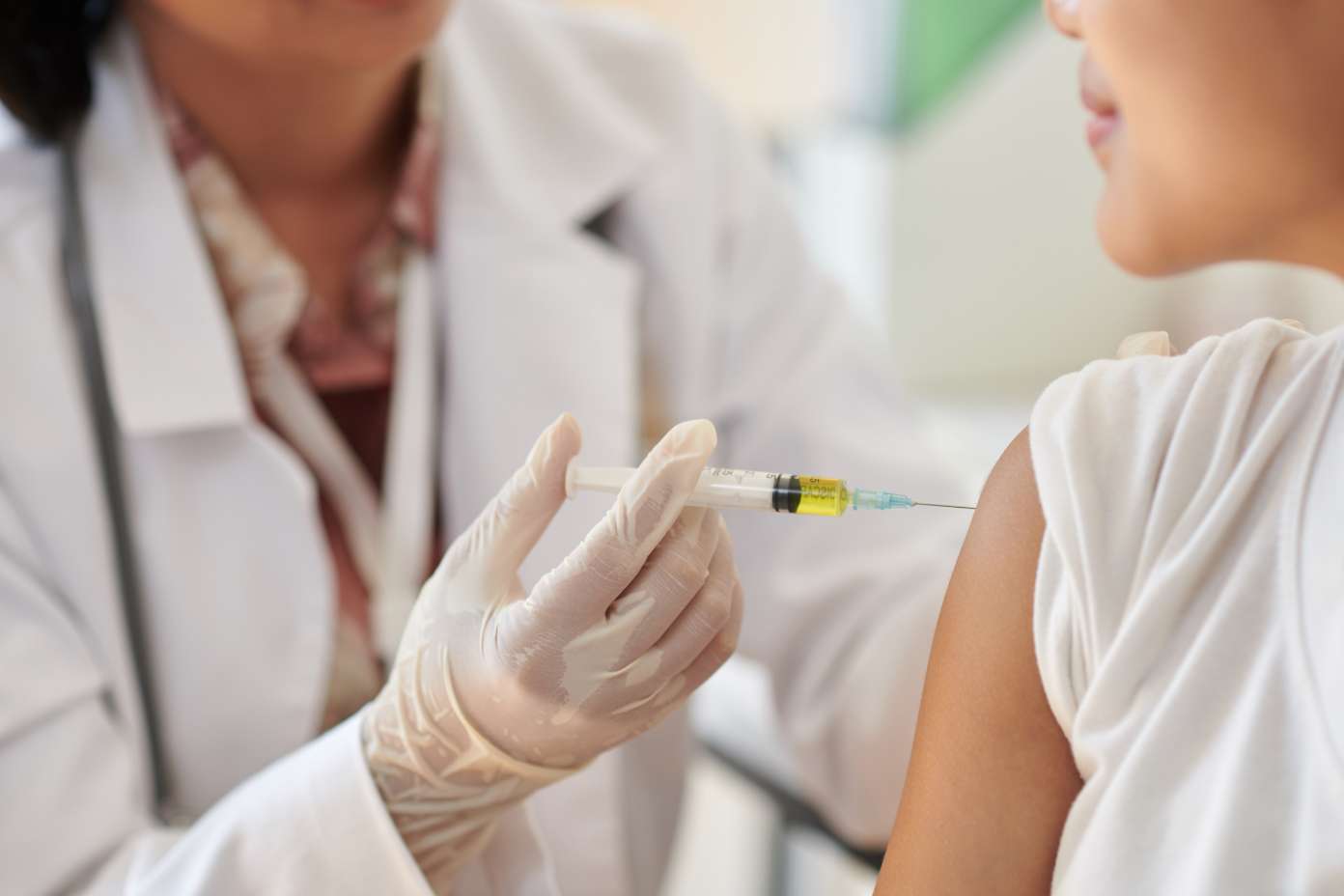
Groundbreaking research recently published in “The Lancet” has revealed that the human papillomavirus vaccine has virtually eliminated cervical cancer mortality among young women in the UK. The findings come as Cayman continues to expand HPV vaccination and screening efforts aimed at reducing the burden of cervical cancer locally.
Researchers found that between 2020 and 2024, no women aged 20 to 24 died from cervical cancer in the UK, marking the first time there have been zero deaths in that age group since the introduction of the HPV vaccine. Cervical cancer is the fourth most common cancer among women and the second most common cause of cancer death in women globally with close to all cases caused by HPV.
The HPV immunisation was introduced in the UK in 2008 for girls aged 12 and 13 and achieved coverage rates of 80% to 90% before the COVID-19 pandemic. The vaccination was introduced in Cayman in 2012 with the jurisdiction currently striving to meet the World Health Organization’s mandate to have 90% of children fully vaccinated.
For Cayman, the findings of the UK study offer a glimpse of what could be achieved through sustained public health measures. A study examining cervical cancer trends in Cayman found incidence rates climbed from 19.2 cases per 100,000 women to 62.6 per 100,000 over a six-year period, giving Cayman the highest reported rate in the Caribbean at the time.
The research also showed that more than half of cases occurred in women under 40, while nearly three-quarters of those diagnosed had not undergone a Pap smear within the previous five years.
Although those figures date back more than two decades, cervical cancer remains a major focus for local health authorities. Cancer is the second leading cause of death in the Cayman Islands after cardiovascular disease, and specialists speaking at a women’s health conference earlier this year said cervical cancer accounts for roughly a quarter of cancer cases diagnosed locally.
In recent years, Cayman has broadened access to the HPV vaccine through the government’s Arm Against Cancer campaign. The initiative was expanded in 2025 through partnerships with private healthcare providers, allowing more children and young adults to receive the vaccine free of charge.
The country offers Gardasil 9, which protects against nine strains of HPV, including those linked to most cervical cancer cases. The vaccine is available locally for people aged nine to 45.
“There are studies from countries with robust vaccination programmes, screening programmes and registries that show that the HPV vaccine is essentially erasing cervical cancer among those who have been vaccinated,” said Felicia McLean, chief nursing officer in a prior government statement.
The push comes as health officials seek to improve participation in routine testing. Results from the 2023 STEPS National Health Survey found that nearly one-third of women aged 25 to 49 who were eligible for cervical screening had never been screened.
Across the wider region, progress has been uneven. According to the Pan American Health Organization, women in the Caribbean are three times more likely to die from cervical cancer than women in North America, despite the disease being largely preventable.
HPV vaccination is the cornerstone of the World Health Organization’s global plan to eliminate cervical cancer as a public health problem. The new findings from England provide a glimpse of what may be possible in Cayman if vaccination and screening targets are achieved.
“I continue to urge parents and young people to get vaccinated. The vaccine is available free of cost via the public health department and can be administered at schools upon request with written parental consent,” McLean said.
Related Videos