By Cayman Compass contributor Melissa Quinn

In my last article, I explored how smartphones may be fuelling anxiety through constant stimulation, fragmented attention and nervous system dysregulation. But if smartphones have changed the way we think, the next question becomes even more important: What have they done to the way we feel?
Dopamine is a chemical messenger that floods our nervous system when we are seeking, anticipating or predicting reward. We have become a little like Pavlov’s dog, drooling every time we receive a notification, a like, a text message or when social media suggests a new reel. This means that even when our phones are silent, we are constantly checking them, anticipating the next hit of stimulation. We do this without conscious awareness. It has become an autopilot response.
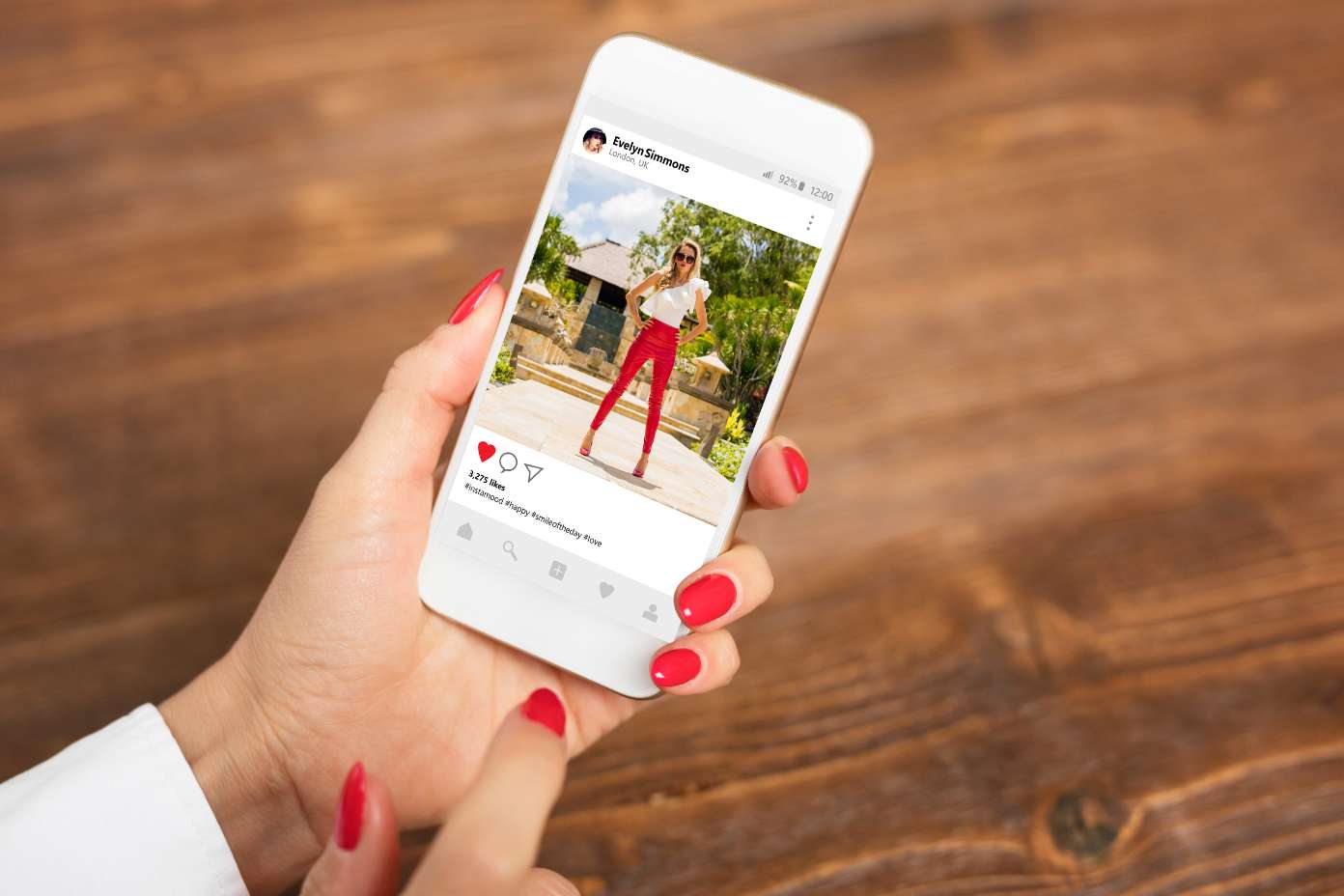
Social media has become a comparison trap, particularly for younger people. Those born before the late 1990s compared themselves to classmates, co-workers and neighbours, people who were, for the most part, unedited, unfiltered and wonderfully ordinary. Today, our youth and young adults compare themselves to celebrities, influencers, entrepreneurs, athletes and models on a global scale. We are comparing our real lives to somebody else’s carefully curated highlight reel, often leaving us feeling inadequate, anxious and dissatisfied.
Never before in human history have we had access to so many opinions, personalities and self-proclaimed experts. Some are brilliant. Many are not. The problem is that our brains are not particularly good at telling the difference.
Social media has also altered something much deeper psychologically: It has changed the way we behave and the way we experience our lives. Younger people are no longer simply moving through life. They are documenting it, curating it as content and, at times, becoming desperately hungry for approval. People obsess over the best angle, the best lighting and the best Facetune app in pursuit of the perfect Instagram carousel or viral reel. We are no longer simply living our lives; we are editing them.
Which begs the question: Are we truly living, or are we performing for the approval of people we do not actually know?
Let’s keep it real. Smartphones did not create insecurity, loneliness or anxiety. They amplified them.
We have become one of the loneliest generations in history, armed with perfectly curated photographs and endless opportunities to connect. Social media has, in many ways, isolated our young people. Despite being constantly connected, many teenagers spend less time with friends in real life than previous generations. Where Friday nights once involved causing chaos around town, many now stay home and doom scroll.
And with an endless stream of content being shoved down their throats, we are seeing rising rates of self-esteem issues across all genders, body image struggles particularly among young women, and increasing concerns around mental health.
Then comes cyberbullying.
Previous generations only had to worry about bullying at school, often finding refuge at home. Today, the bullying follows children into their bedrooms. Embarrassing moments are captured on smartphones and can live online indefinitely. The pressure to be liked, accepted and visible is relentless.
We are living in a time when many people simply do not feel safe, and where nervous systems remain in a near-constant state of hypervigilance.
The irony is that smartphones were designed to connect us, yet many people report feeling more disconnected than ever – more connected to information, more connected to strangers, more connected to noise, but less connected to themselves.
Perhaps the solution is not abandoning technology altogether, but remembering that our brains, our bodies and our nervous systems were built for something far older than algorithms.
The question is not whether we can survive without our phones. The question is whether we still remember how to be without them.
Melissa Quinn is a yoga educator and wellness entrepreneur with 24 years of experience. She specialises in transformative teaching and holistic health education.
Related Videos