More than 1,000 feet below the surface of the Cayman Islands, where sunlight fades into a permanent twilight and pressure builds to crushing levels, something stirred in the darkness.
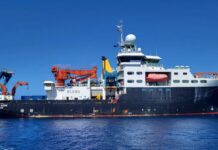
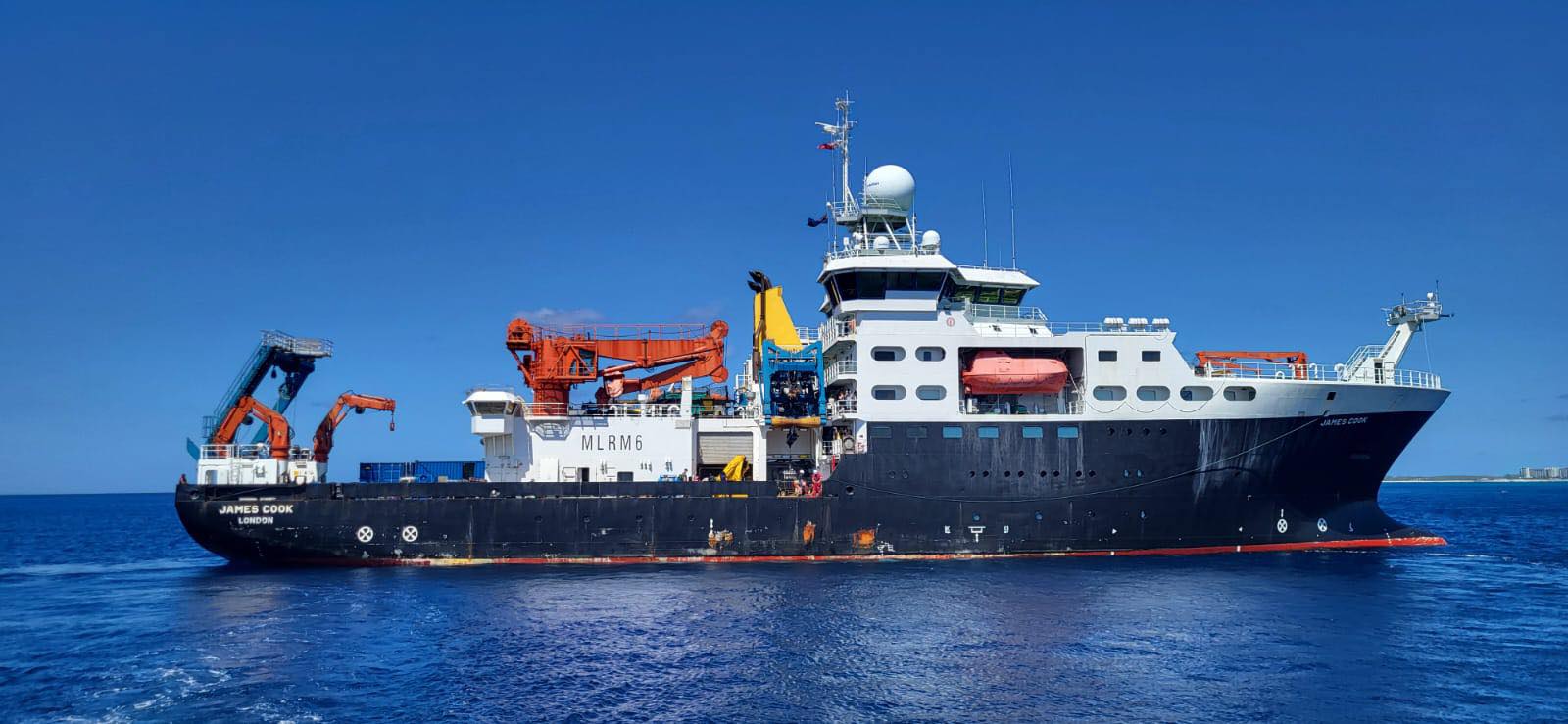
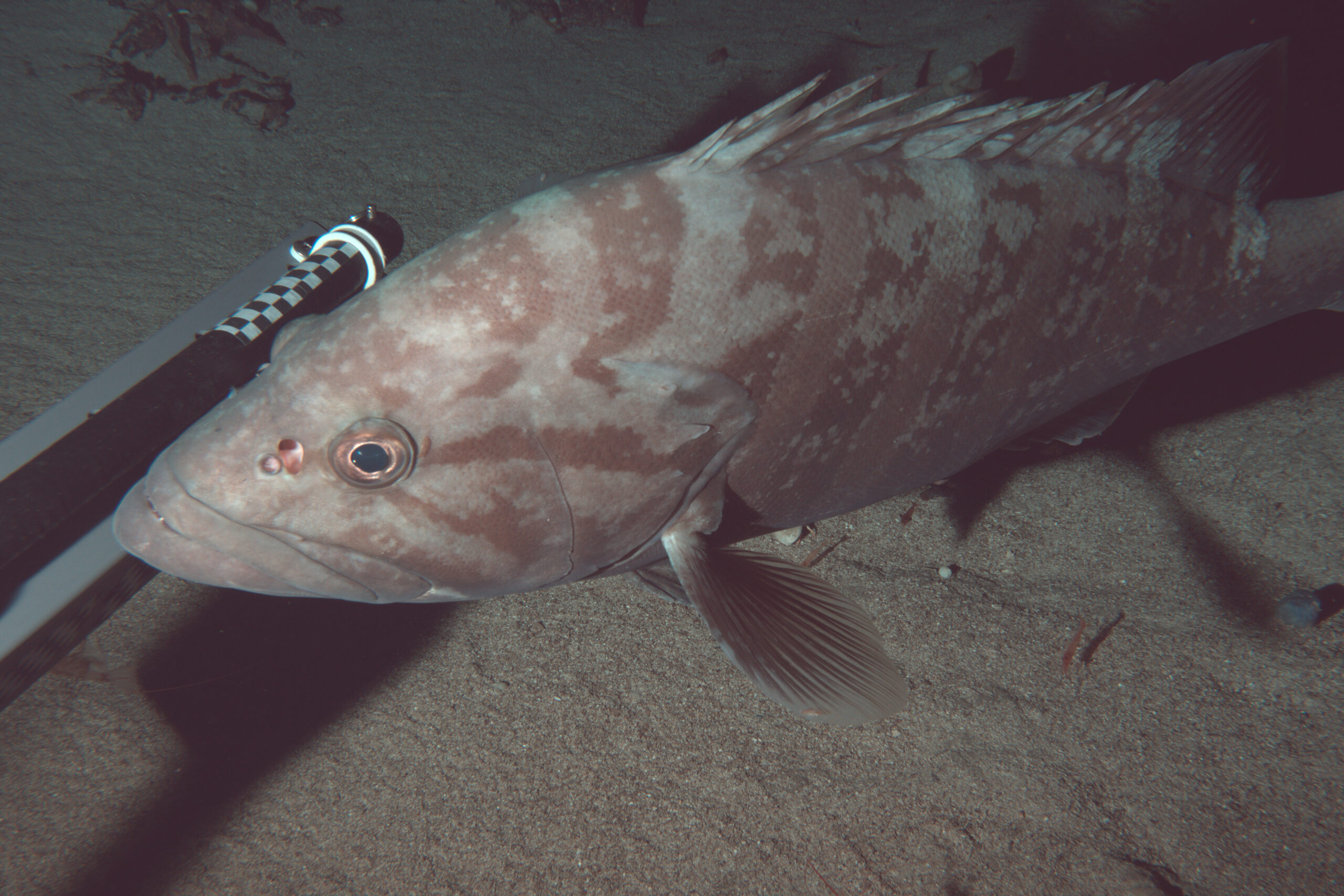
During one of the final ‘bathysnap’ camera deployments on the 60-mile Bank, at a depth of 1,312 feet, a large, unfamiliar silhouette drifted into view. When the images were recovered, the team aboard the Royal Research Ship James Cook, realised they had captured something rarely seen; a misty grouper, over three feet long, calmly investigating the baited camera.
For the scientists and Department of Environment team working on the ‘Beyond the Reef’ expedition exploring the deep waters around the Cayman Islands, it was a moment of genuine surprise, because what lies beneath Cayman’s waters is still, in many ways, a mystery.
“This was the first time on the expedition that a grouper species and an individual this large had been captured on the camera,” the team noted. Rarely observed at such depths, the sighting builds on local research that only recently extended the known depth range of this elusive fish.
Often compared to its more famous relative, the Nassau grouper, the misty grouper remains one of the Caribbean’s least understood deep-water predators; a reminder that even familiar families of fish have hidden chapters far below recreational diving limits.
But the grouper was only the beginning.
A forest of glass and light
At the same site, the bathysnap cameras revealed what can only be described as an alien landscape.
Glass sponges, delicate organisms built from silica, appeared in remarkable abundance. Blue Belt Programme Officer for the Cayman Islands Department of Environment Kelly Forsythe, described the view, “Some spread wide like teacups, others rose on slender stalks, forming intricate structures that looked more architectural than biological.”
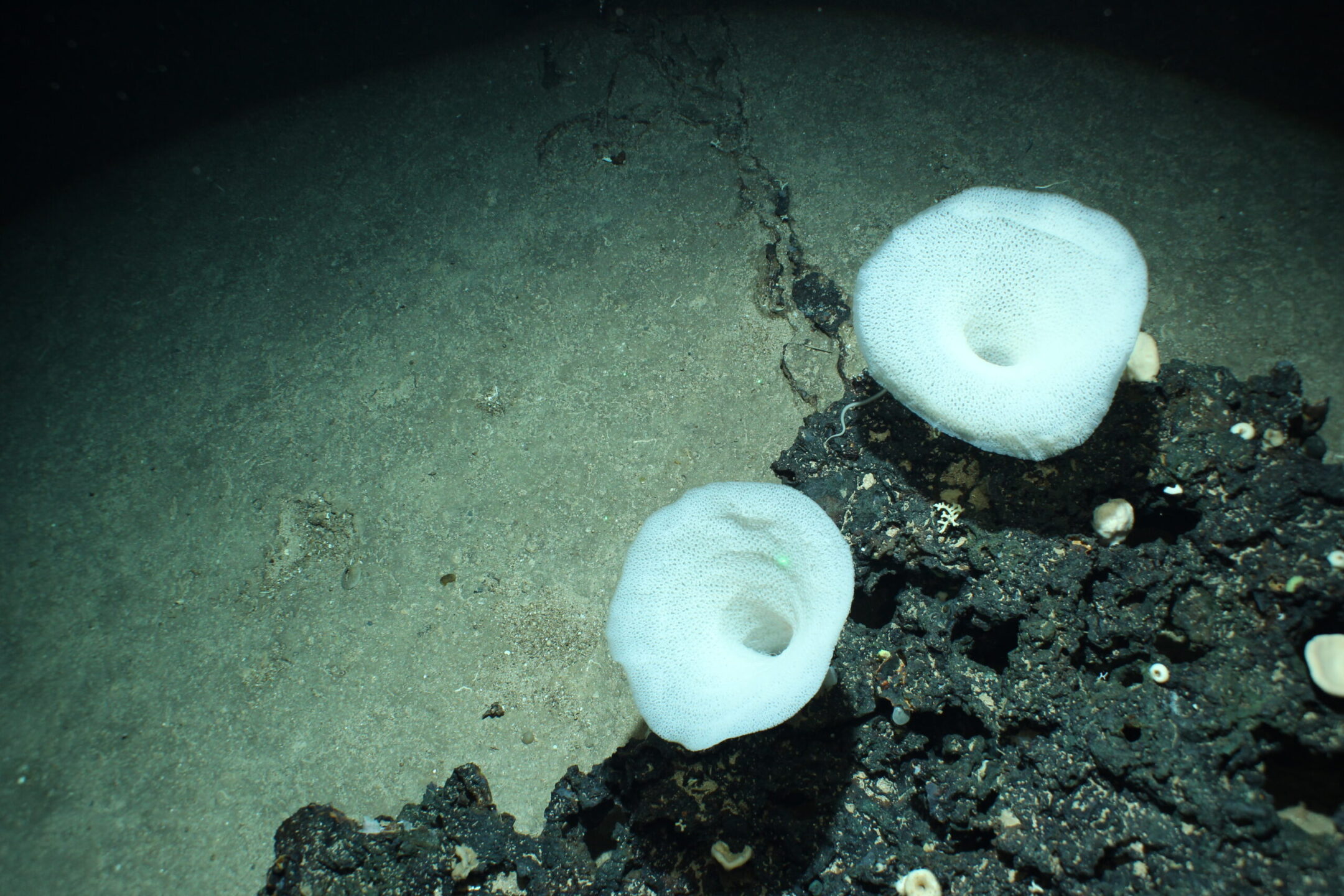
While scientists expected to encounter these sponges, the scale and diversity came as a surprise.
“These are extremely fragile habitats,” Forsythe explained. The glass sponges form complex structures that support other life, but they can be damaged very easily.
In the stillness of the deep ocean, these sponge fields act as living scaffolds, quietly shaping ecosystems that have remained largely unseen until now.
Unexpected visitors in the deep
Not all the discoveries aligned with expectations.
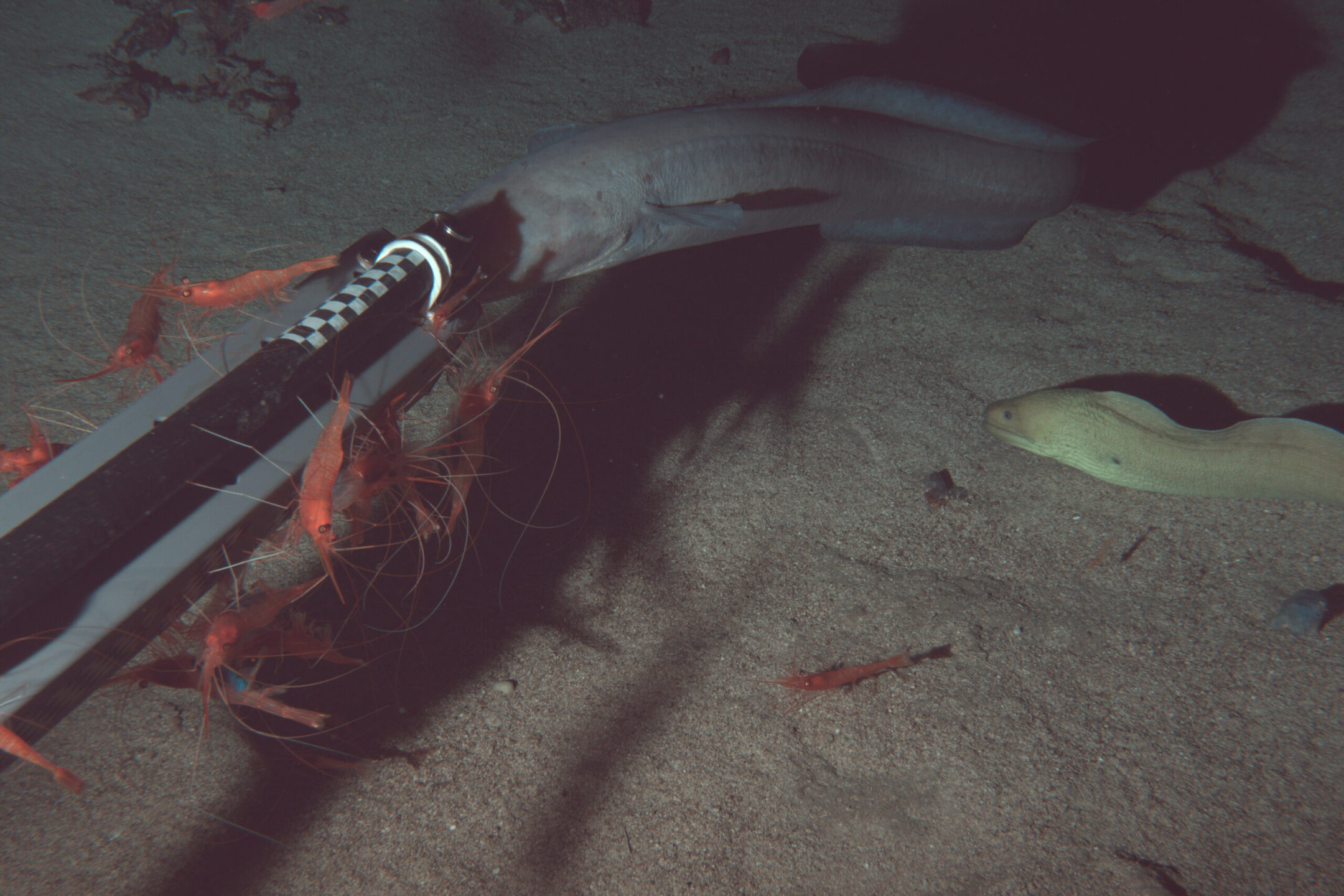
Moray eels, typically associated with shallow coral reefs, made a surprising appearance at 1,300 feet, alongside a conger eel. While the species identification is still being confirmed, the encounter hints at how much remains unknown about species behaviour at depth.
Further down, at nearly 2,000 feet on Lawford’s Bank, another unexpected visitor emerged from the darkness: a deep-sea lobster, equipped with claws, unlike the familiar spiny lobsters of Cayman’s reefs.
Drawn by the bait, Forsythe said it lingered in front of the camera, seemingly unbothered by the repeated flashes.
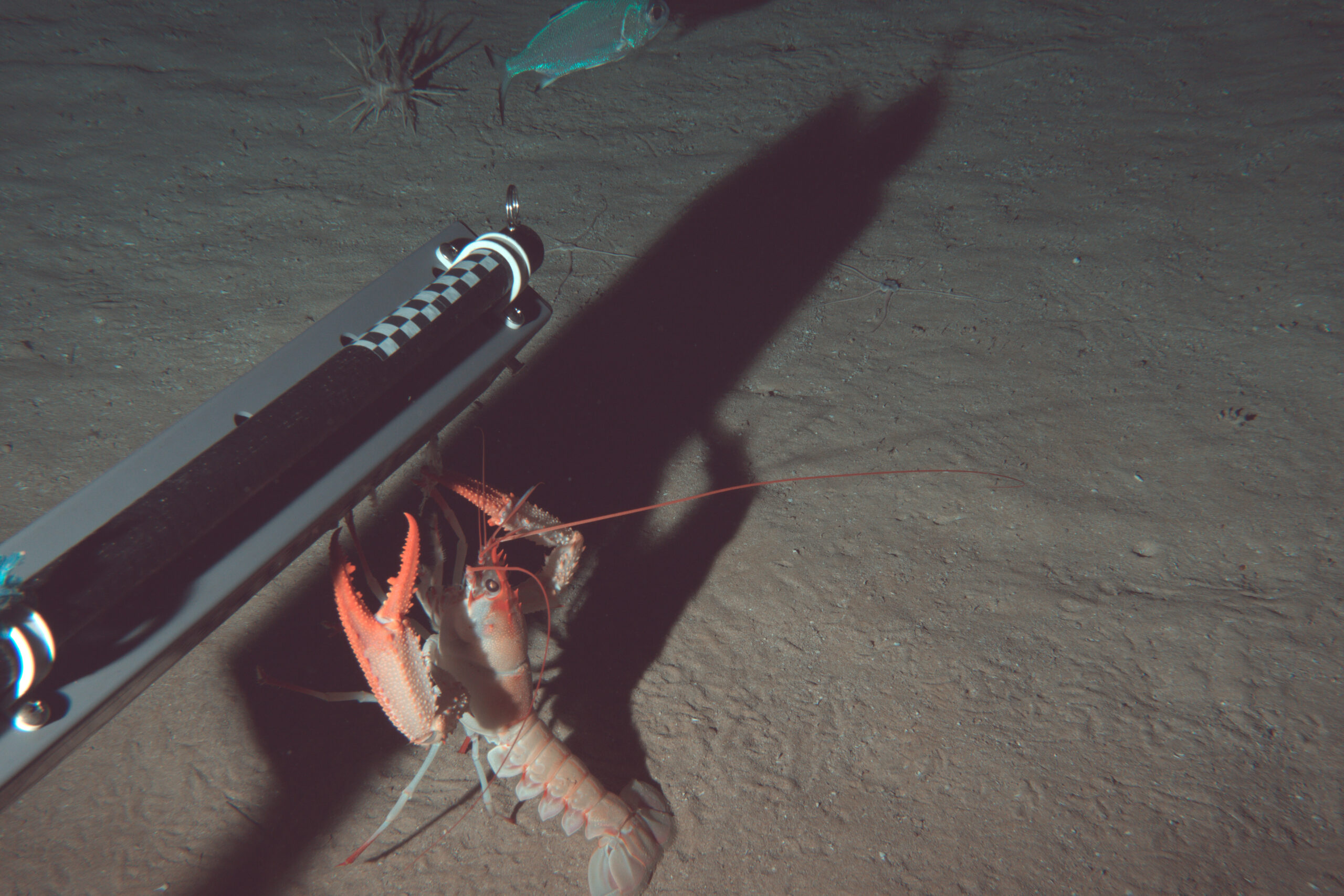
The team had seen a related species earlier in the expedition: Acanthacaris caeca, a blind, clawed lobster, highlighting the strange evolutionary pathways of life in the deep ocean, where sight is often replaced by touch and chemical sensing.
Colour in the darkness
If the deep sea is often imagined as a dark and colourless void, the expedition challenged that perception.
Forsyste said, “At depths of around 1,476 feet on an unnamed ridge north of Grand Cayman, the cameras captured deep-sea crinoids, relatives of starfish and sea urchins in vivid shades of pink, purple, orange and yellow.”
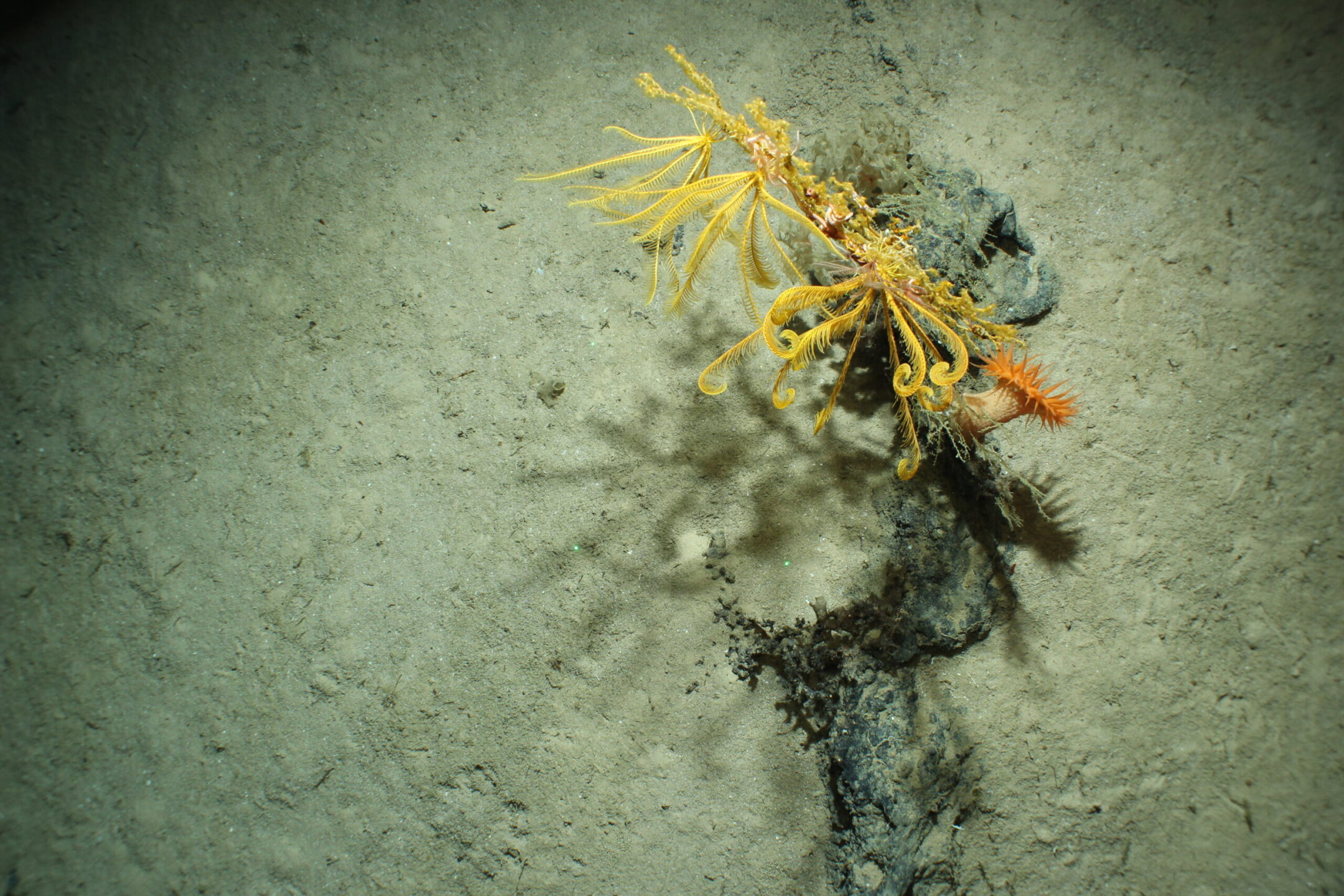
Commonly known as sea lilies or feather stars, these animals anchor themselves to the seabed with their delicate, feathery arms extended into the current.
Their colours, invisible in natural darkness, were revealed only by the camera lights, a hidden vibrancy in a world humans rarely see.
Giants of the abyss
One of the expedition’s most striking finds was at a depth of more than 3,000 feet.
“At a depth of 3,116 feet, inside the bait box itself, the team discovered a giant isopod,” Forsythe said. The deep sea isopod is a distant relative of woodlice, but vastly enlarged by the pressures and conditions of the deep ocean.
“It had consumed much of the bait and showed little interest in leaving.”
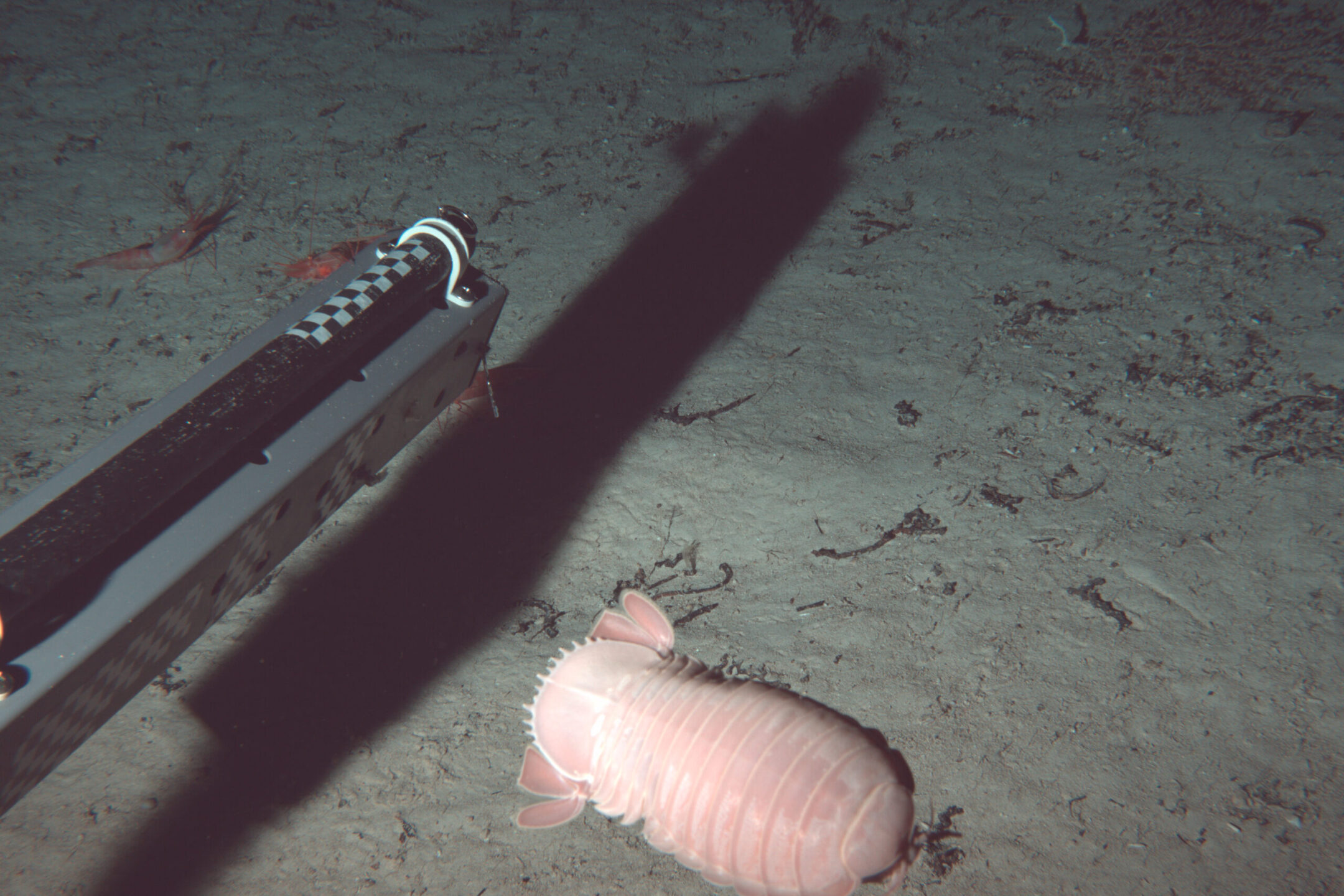
These creatures are classic examples of ‘deep-sea gigantism’, where species grow far larger than their shallow-water relatives. But they are more than curiosities; they are essential recyclers, feeding on organic material that drifts down from above.
These discoveries form part of the wider ‘Beyond the Reef’ expedition, a UK Blue Belt Programme mission that involved 46 scientists mapping and sampling vast areas of the Caribbean seabed.
In Cayman waters alone, more than 4,000 square miles of seafloor were mapped and nearly 10,000 specimens collected, from the surface to depths exceeding 3,600 feet.
Using tools ranging from multibeam sonar to environmental DNA sampling, scientists are building a clearer picture of what lies beneath Cayman’s offshore banks such as 60-mile Bank, Pickle Bank and Lawford’s Bank.
For decades, most of Cayman’s attention has been focused on its 100 square miles of land area and its shallow coastal waters. Efforts like the ‘Beyond the Reef’ expedition are giving scientists a glimpse at what lies in the depths of Cayman’s territorial waters and exclusive economic zone.
Related Videos