

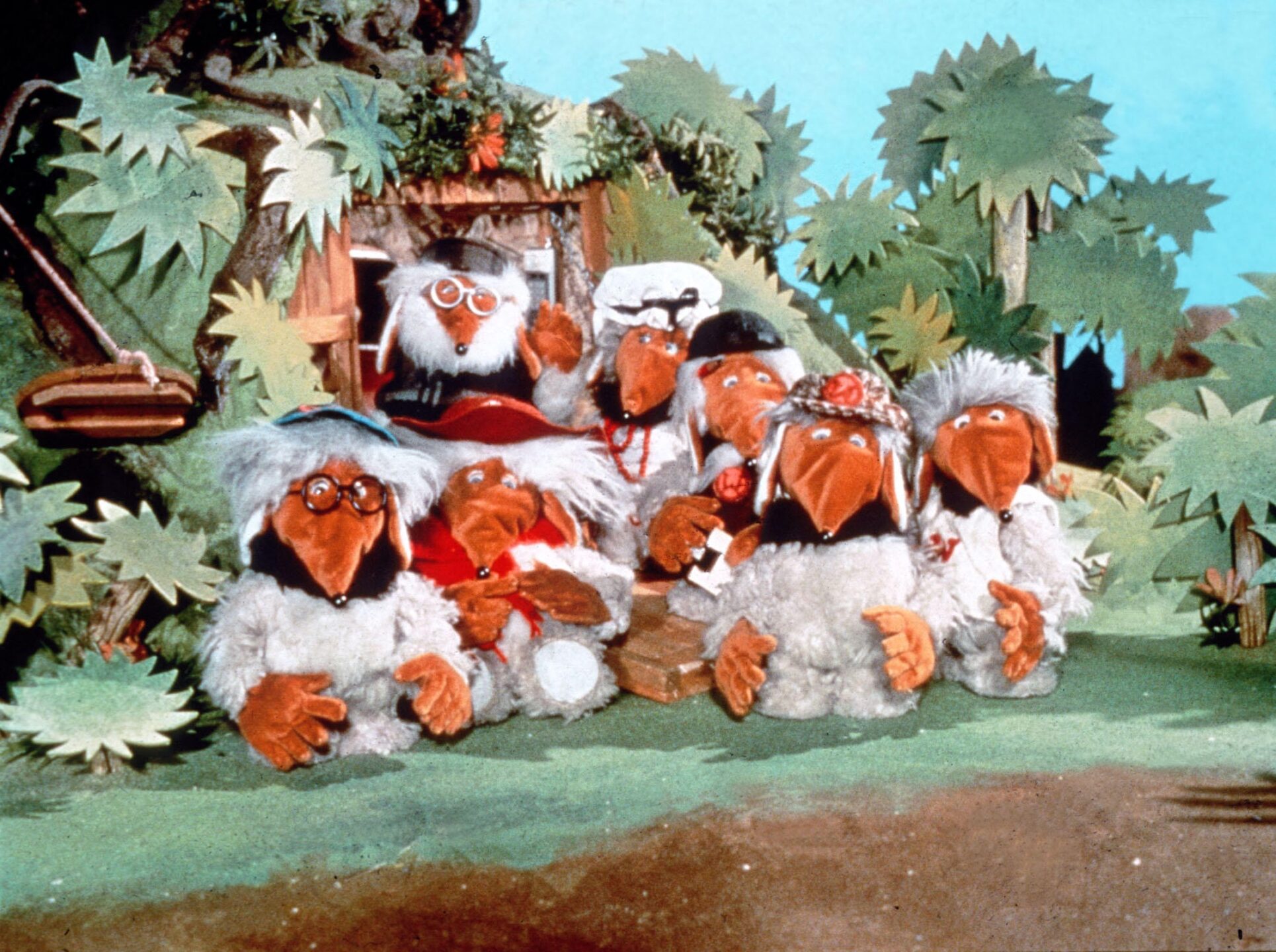
Generations of British children grew up listening to the stories of the Wombles, little furry creatures that pick up litter from the huge expanse of Wimbledon Common in South West London.
While the original Wombles are thousands of miles away, they have their counterparts in Cayman. From organised beach clean-ups to dedicated individuals such as dog-walkers, students, environmentalists, retirees, home workers and hospitality employees, Cayman’s own Wombles are doing their best to ensure that the islands remain as trash-free as possible.
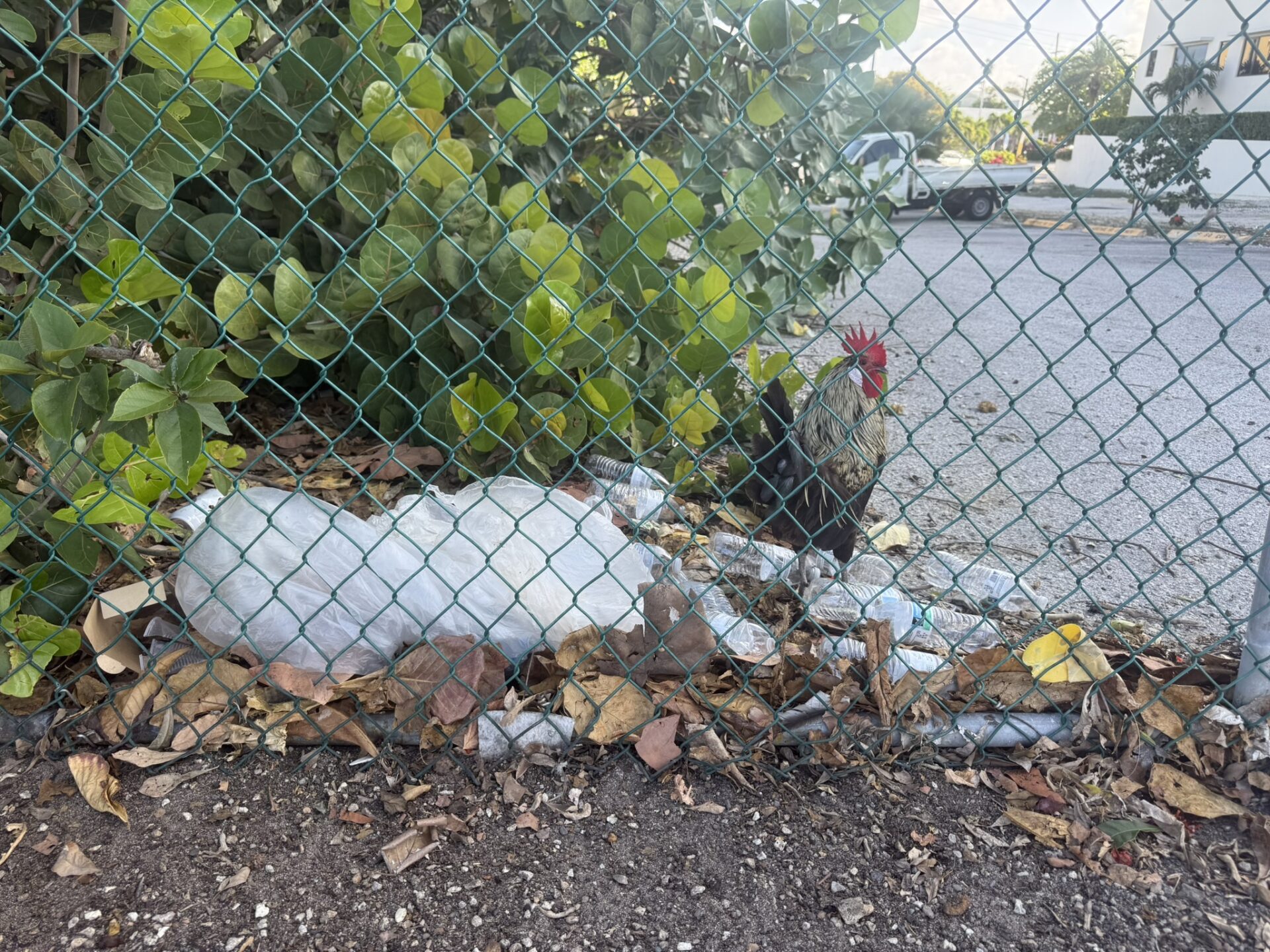
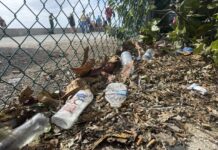
Litter can harm local wildlife and risk wildfires, as well as damage Cayman’s crucial tourism industry, which relies on clean waters and pristine beaches, but it can sometimes feel like a never-ending task.
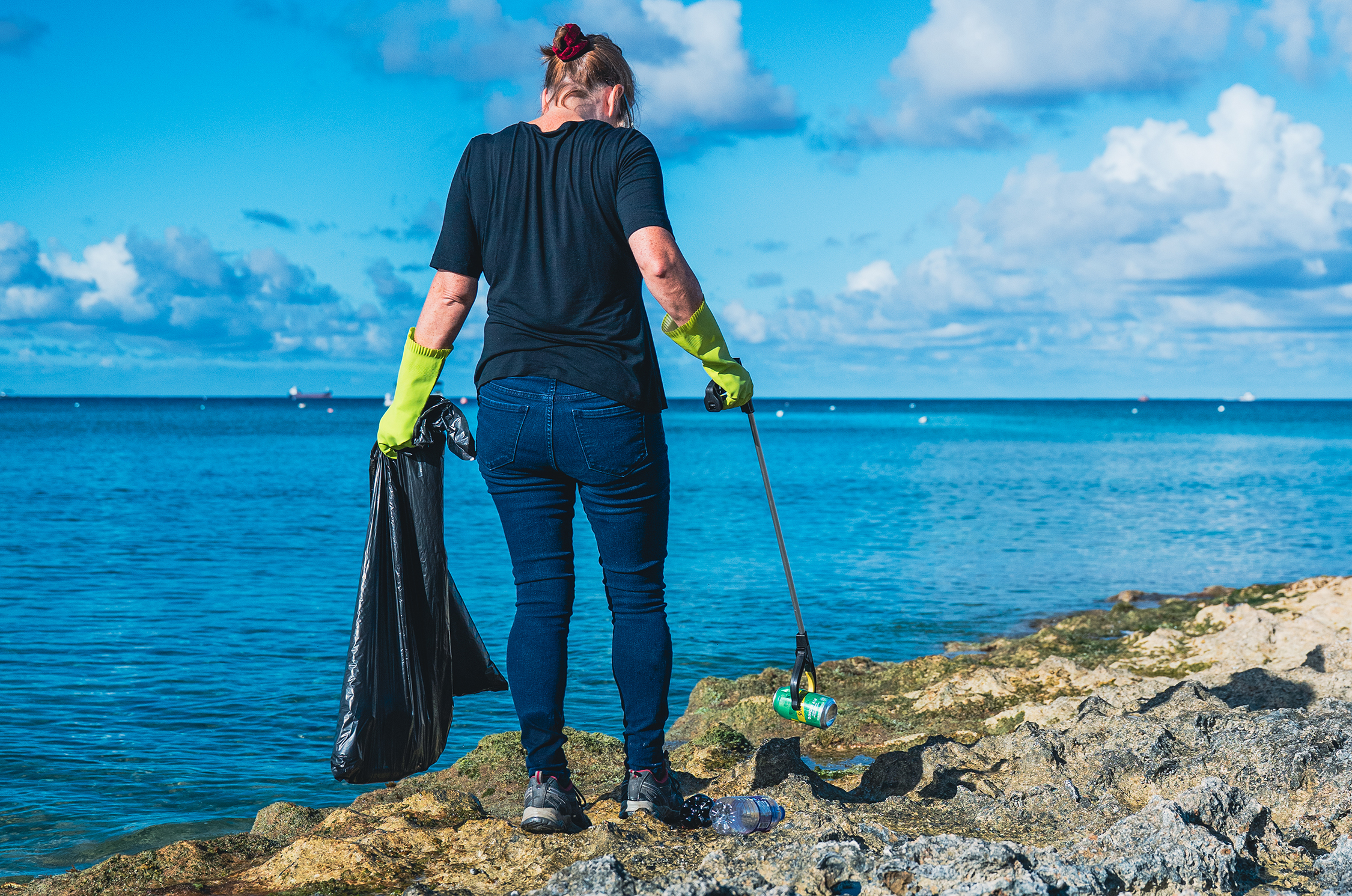
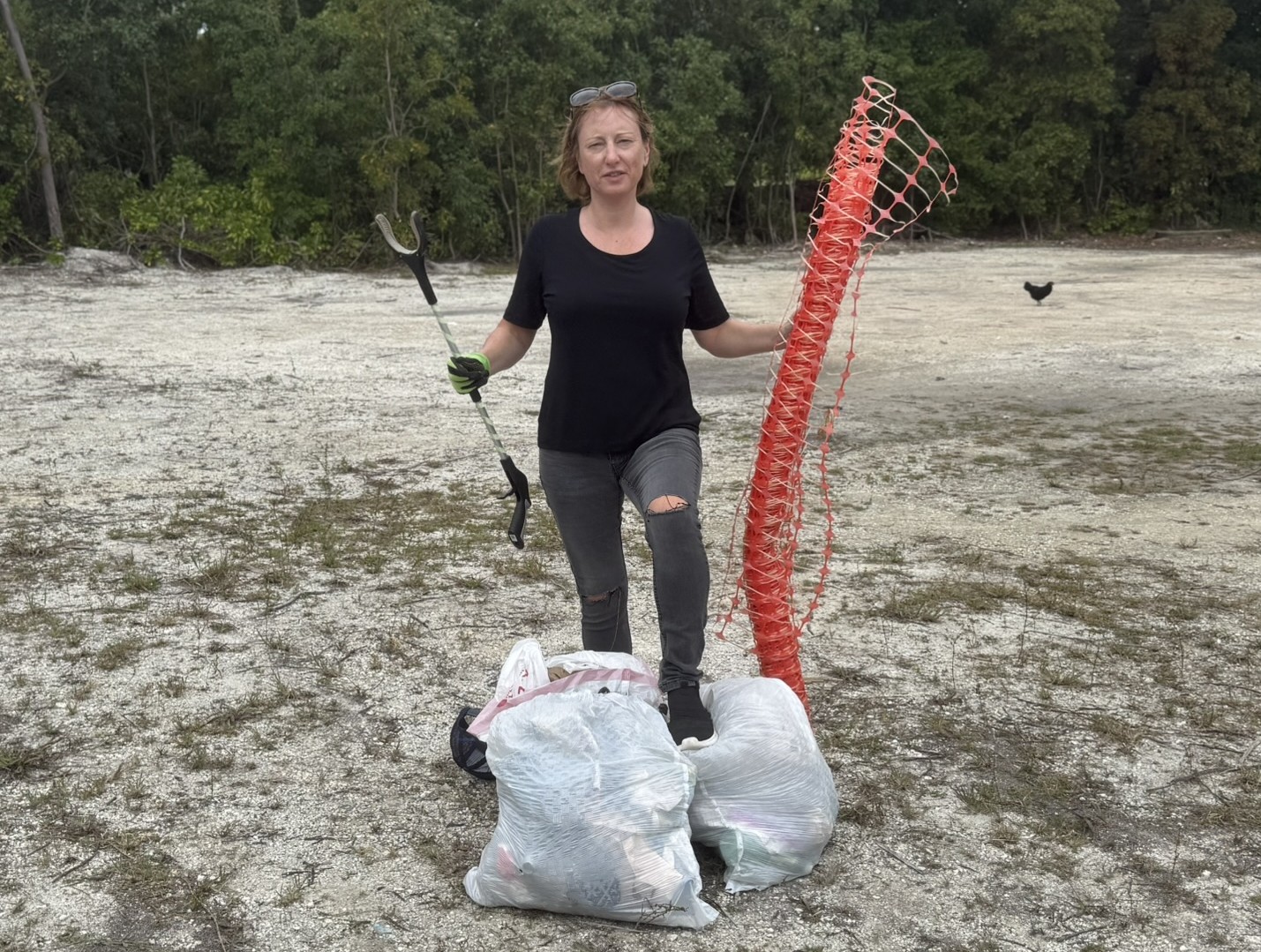
Resident Anne Evans takes a lengthy litter-picking walk every day. Armed with a pair of gardening gloves, a supply of trash bags and a ‘litter-picker’ device, Evans is a familiar figure along Cayman’s roads, venturing all around George Town and West Bay in search of rubbish.
“What I pick up falls into three categories,” says Evans, who walks thousands of steps every day in an attempt to keep Cayman clean. “There’s accidental litter, such as a box I dragged off Esterley-Tibbetts [Highway] the other day into a dumpster because it fell off a truck. There’s the lazy litter, where people leave their beer bottle on a wall because they’re too lazy to take it to a trash bin.
“And there’s the intentional litter, the ‘I’m just going to leave this stuff here even though I see the trash bin that’s five yards away,’ and that really hurts.”
Evans says that she is often noticed on her daily route for her efforts and has even been bought coffee in thanks.
Litter legislation
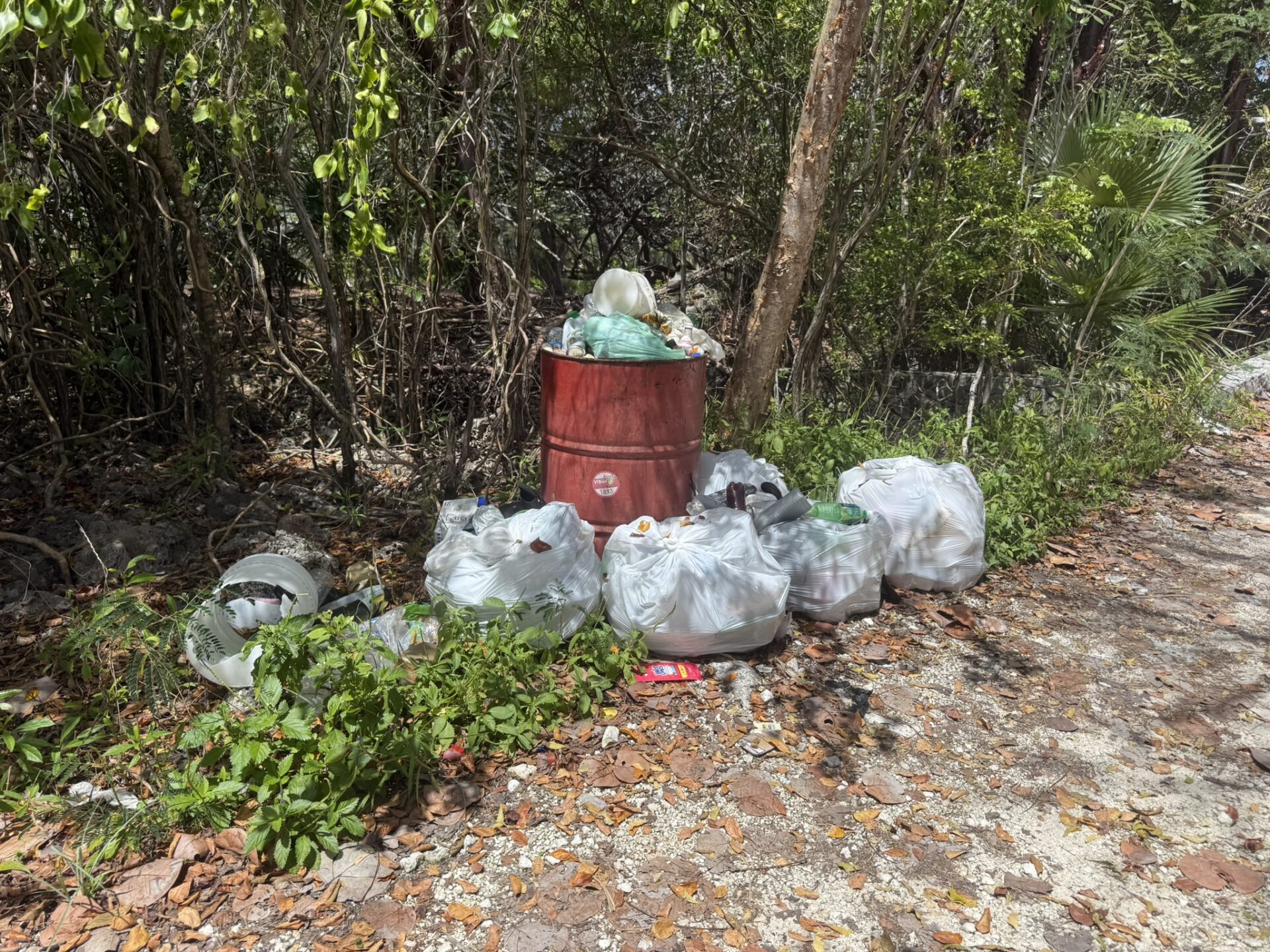
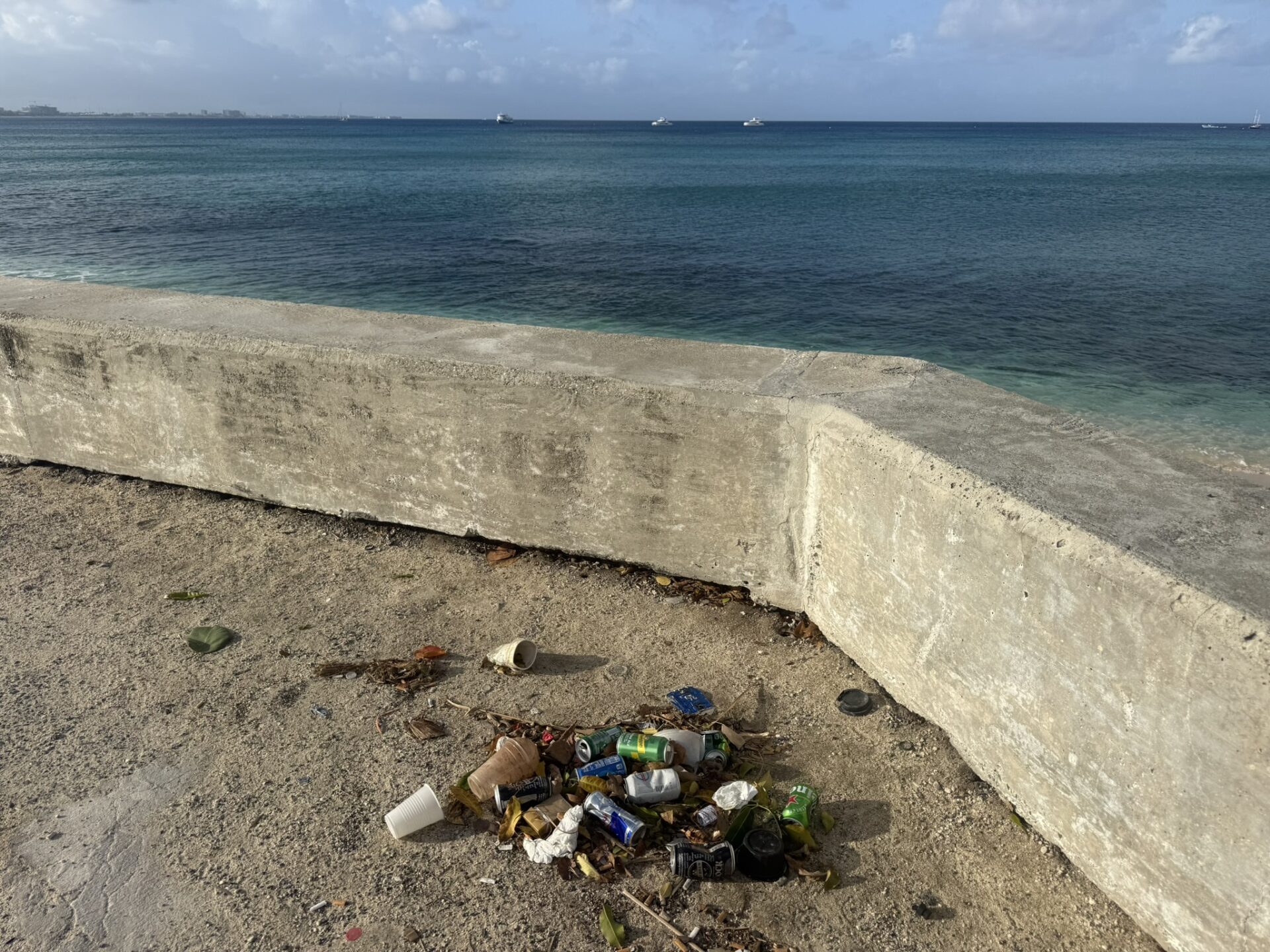
Ocean currents bring waste from other Caribbean nations, as well as from cruise ships, commercial shipping and fishing boats, but domestic litter can be seen on beaches, pavements and open spaces across Cayman, from bottles and cutlery to larger abandoned items such as derelict cars and discarded household appliances.
Recent action by government would indicate that it is taking the littler issue seriously. The Litter (Amendment) Bill 2026, which was passed during the February sitting of Parliament, increased the fine for littering from $500 to $5,000 or imprisonment from six months to 12 months, and empowered police and environmental health officers to issue on-the-spot fines without having to go through a lengthy court process.
Failure to remove derelict vehicles after receiving an enforcement notice can result in a $1,500 fine, plus $250 per day for continued non-compliance and the vehicle being removed at the owners’ expense.
Introducing the bill, Environment Minister Katherine Ebanks-Wilks said that the changes were “about standards, they are about pride and about fairness, because the majority of the residents who dispose of their waste properly should not bear the cost of the careless few. … Those who disrespect and disregard our public places must understand that there are consequences.”
But, she added, “Legislation alone will not keep Cayman litter free. Clean communities are built on culture, on pride, and on personal responsibility.”
In the debate that followed, Heather Bodden, MP for Savannah, paid tribute to “the many community volunteers and residents who regularly take the initiative to pick up litter in their neighborhoods and along beaches and roadways. Their efforts often go unseen, but they play an important role in helping to preserve the cleanliness and beauty of our islands.”
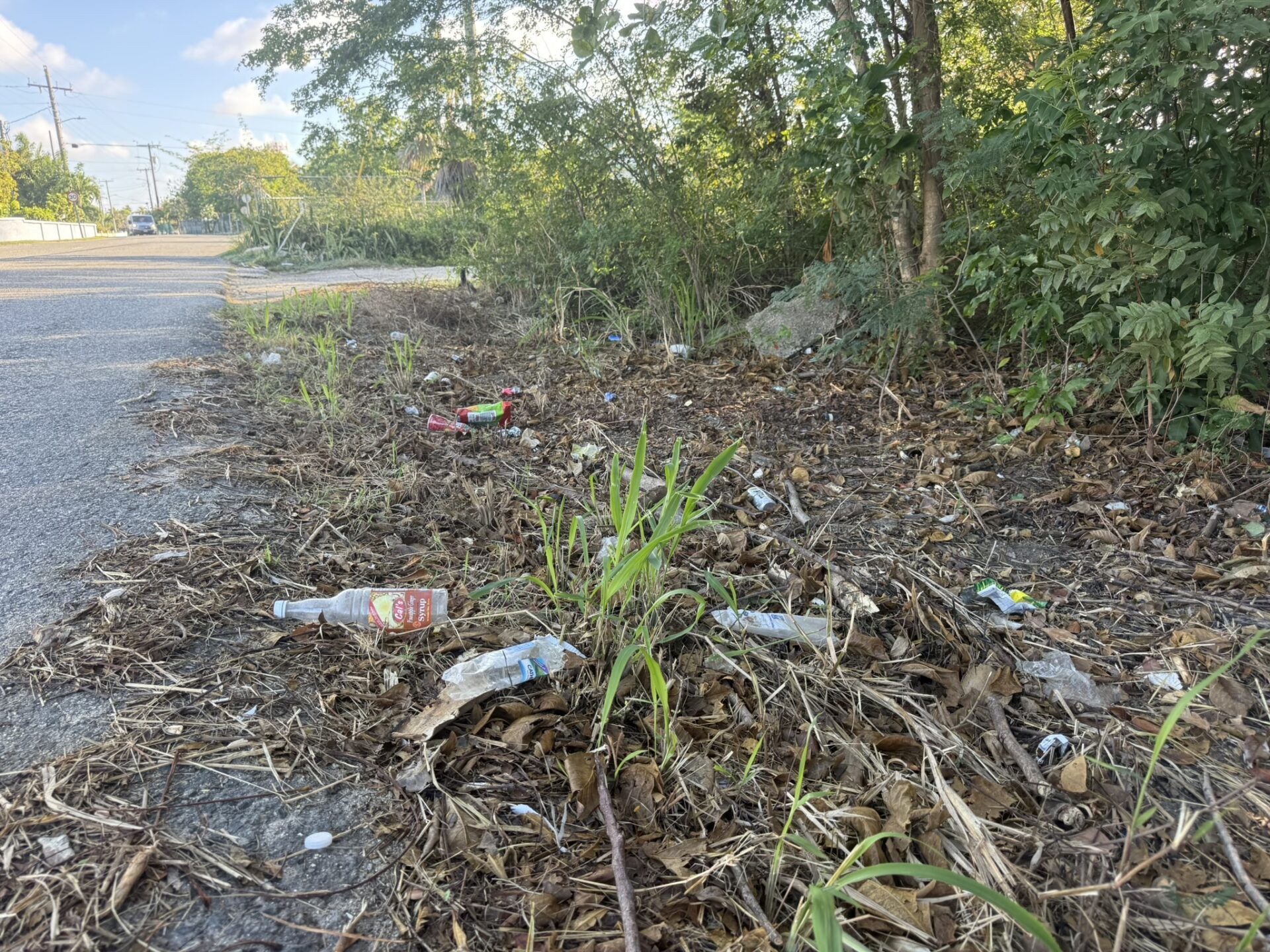
Bodden described seeing “old washing machines, refrigerators and old mattresses discarded in bushes and roadsides or simply tossed in vacant properties. Household garbage is left outside for days where it is disturbed by dogs, chickens and rodents. In every one of these instances, the expectation is that someone else will come along to clean up the mess. … Our islands are often described as a gem of the Caribbean, but a gem only retains its brilliance if it is cared for.”
Issuing fines
Richard Simms, director of the Department of Environmental Health, said the legislation would speed up the current enforcement process.
Previously, any breaches of the litter laws had to be taken to court and would often take months. Convictions under the old law were rare, as revealed by the Compass in 2023 when it reported on Gayon Omar Harris becoming the first person to have been successfully prosecuted, convicted and fined for littering since the Litter Act was initially enacted in 1982.
The amended legislation will now mean that Department of Environmental Health officers will be able to issue tickets directly and the courts will only be involved if a fine is challenged.
While it will be easier to levy fines, Simms said his main aim is to force the community to be more mindful and not litter in the first place, with staff from his department spending time in schools and taking groups around the landfill site to show the importance of taking care of the environment.
“We want everybody to be responsible,” he said. “They should be thinking, ‘This is our island. Let’s keep it clean. Let me play my role.’ If everybody played their role, then we wouldn’t have to worry about making all these new laws and amendments … just to hold people accountable for their actions.”
The new laws also mean that it won’t just be the person who litters who is held responsible, but companies that allow their employees to dump construction or garden waste, for example, or the driver of a car whose passenger decides to throw rubbish out of the window.
“You would see my guys out on the Linford Pierson Highway, cleaning up litter,” Simms said, “but, by the afternoon, it’s like we’ve never been, because people are just driving by, throwing stuff out of their windows.”
However, enforcement still needs either Department of Environmental Health officers or members of the public to see littering taking place, and then statements will have to be taken so that they can move ahead with fines.
The overall message from Simms is that there is a proper way to dispose of everything, from cars and household waste to batteries and pet mess, and there is no excuse for littering any item.
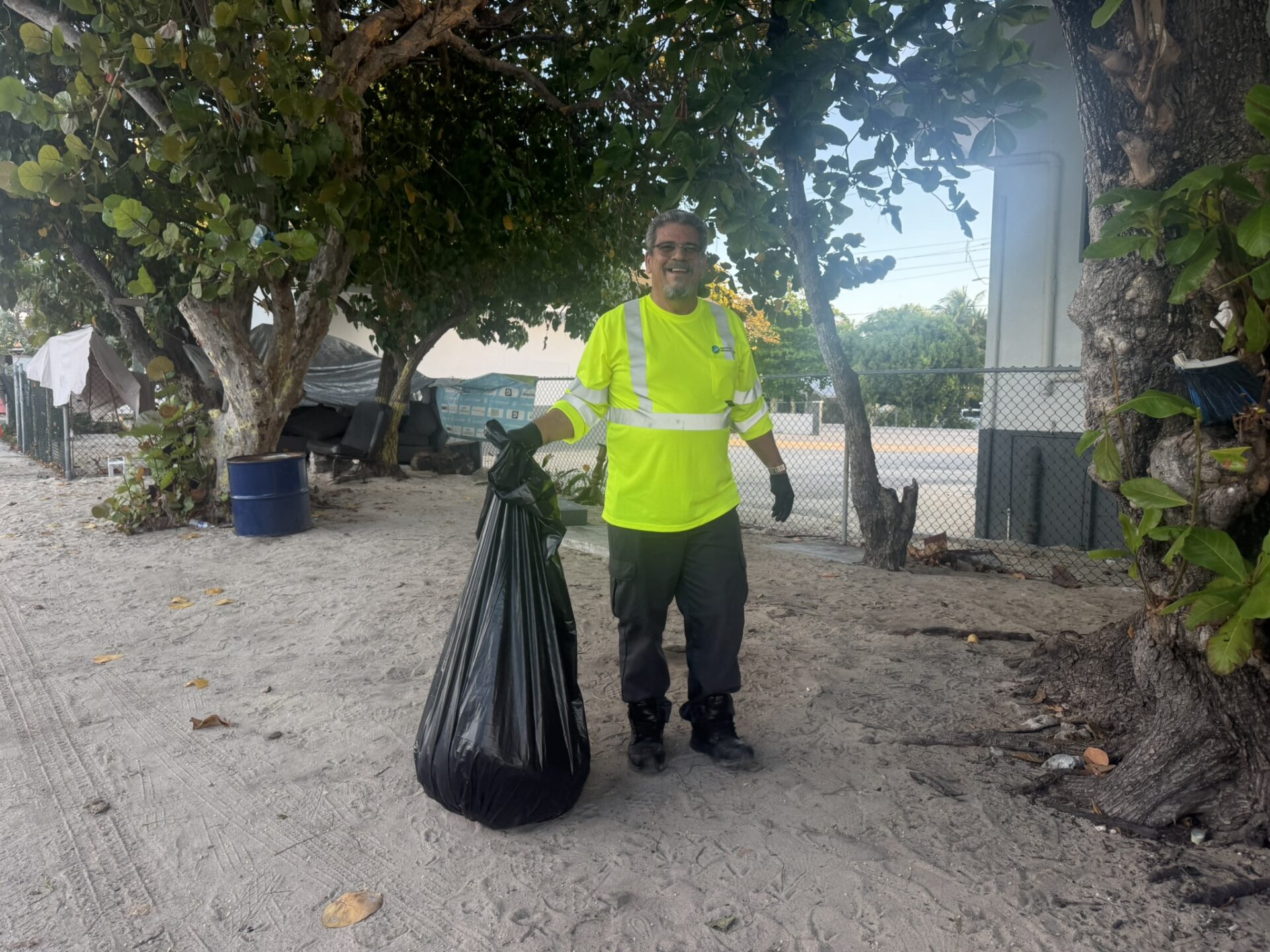
The Department of Environmental Health has staff to pick up litter on the roadside, but the team is small – just six people to cover the whole of Grand Cayman, according to government figures, although a pledge by Ebanks-Wilkes to increase that met with a rare round of applause in Parliament.
Wheeled bins would also go a long way to help and after a successful pilot project in Prospect, Simms is hopeful that a business case for funding might see them rolled out across island by this time next year.
Like MPs, Simms was grateful to the Cayman’s army of litter-pickers and said his department was happy to support them, by way of bags, gloves and collecting the filled trash bins, all of which can be applied for online.
“We have a great deal of volunteers who care, and so we try to help them keep the beaches smart and clean, and we appreciate them and we are thankful for them,” he said.
Other Wombles
While other people might not have Evans’ time or dedication for a daily litter patrol, she hopes that her example inspires others.
“I have had people tell me that they have changed the way they behave, such as taking litter home with them or carrying a sack to pick up litter they come across,” Evans says.
“Anne is a huge inspiration to me,” says fellow ‘Womble’ Natasha White, who lives with her husband in South Sound. “I work from home and in December last year people started setting off fireworks just nearby … and left behind all their firework trash. So I cleaned all that up and, since then, I’ve been picking up trash on a regular basis.”
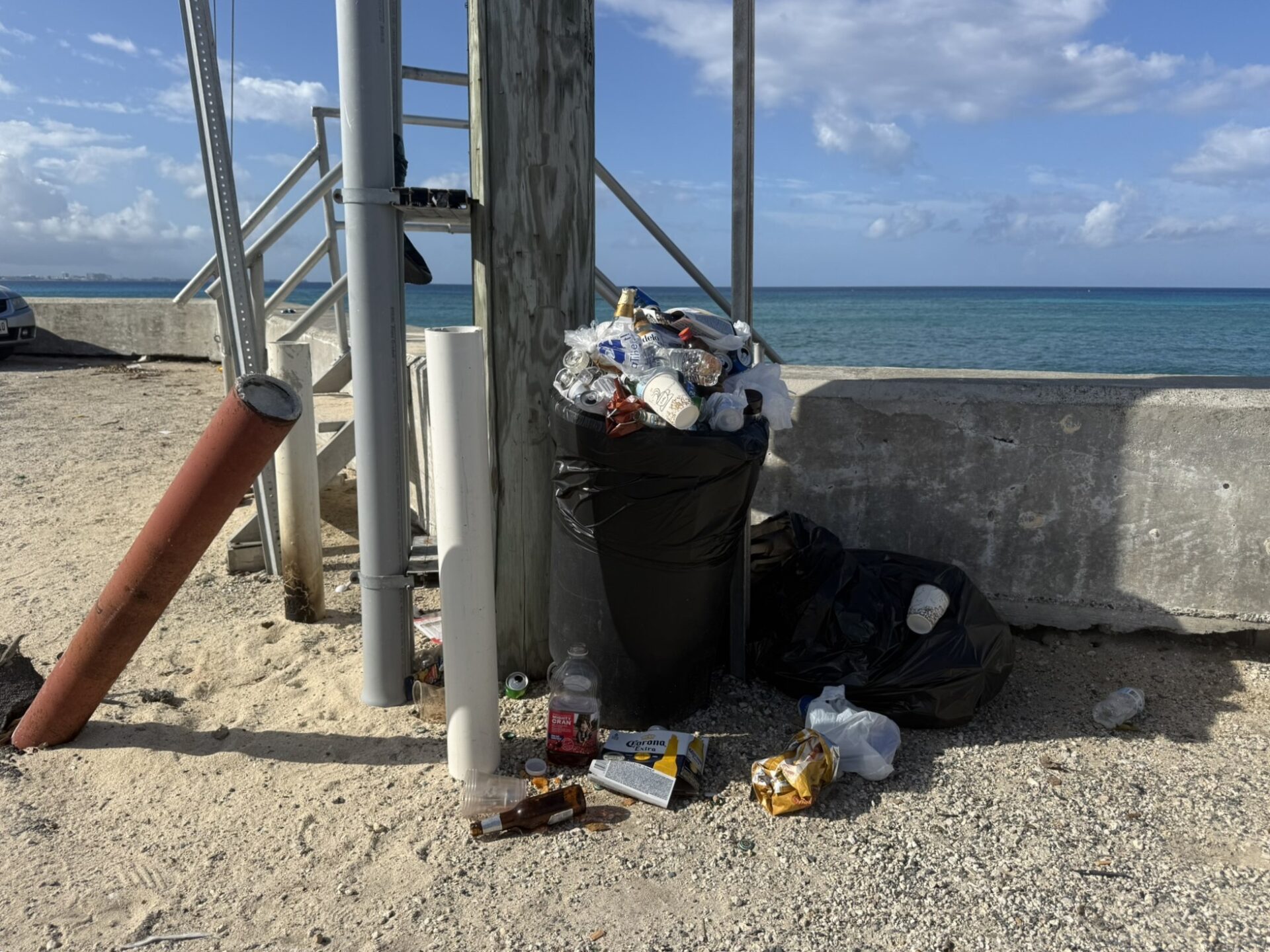
Just beyond White’s home near the boardwalk is a dead end which, she says, is a favourite spot in which people congregate after hours. That in itself isn’t a problem, but what they leave behind certainly is, with beer bottles, food wrappers and an other trash frequently littering the area.
“We walk our dog Walter back there and people have been smashing beer bottles on the ground,” she said. “I don’t understand the mentality of doing that. I usually take a garbage bag with me when I go walk my dog in the mornings or at night, and if I see something, I pick it up.”
While White says that more litter bins might help, she says that people’s attitudes need to change.
“I think we’re far away from a situation like in Japan, which we have visited, where there are no trash bins anywhere, because the culture there is, you take it with you,” she said. “But having extra bins is less of an eyesore than having the litter lying around.”
Raymond Wong has a busy job as concierge at The Ritz-Carlton Grand Cayman, but spends some of his free time picking up litter near his home. Wong says that his main motivation for maintaining a clean environment is a matter of taking pride in Cayman’s appearance and to be part of a collective care effort.
“As someone granted the privilege of living and working in the Cayman Islands, I have felt a strong responsibility to contribute to the islands’ beauty and well-being,” Wong said. “My aim has always been to encourage the community to come together, raise awareness about the environment, and foster a shared sense of responsibility for the spaces we all enjoy.”
He said he spends about four hours a week picking up litter.
Occasionally, Wong comes across shoes, clothes, car parts, and abandoned shopping carts which he pushes back to the retailer. He also collects and separates items that can be recycled.
“I simply want to take pride in the place I call home,” he said. “When you walk the same routes often enough, you start to notice the small things – and picking them up becomes second nature.”
He added, “Litter‑picking itself is a small act, but it feels good to know you are contributing to the island tangibly. There’s something satisfying about leaving a place better than you found it.”
While Wong usually litter-picks alone, he sometimes comes along someone else, such as Anne Evans, doing the same.
“There’s a quiet sense of camaraderie in that,” he said. “Even a quick nod feels like a shared commitment to keeping Cayman beautiful.”
Organised groups
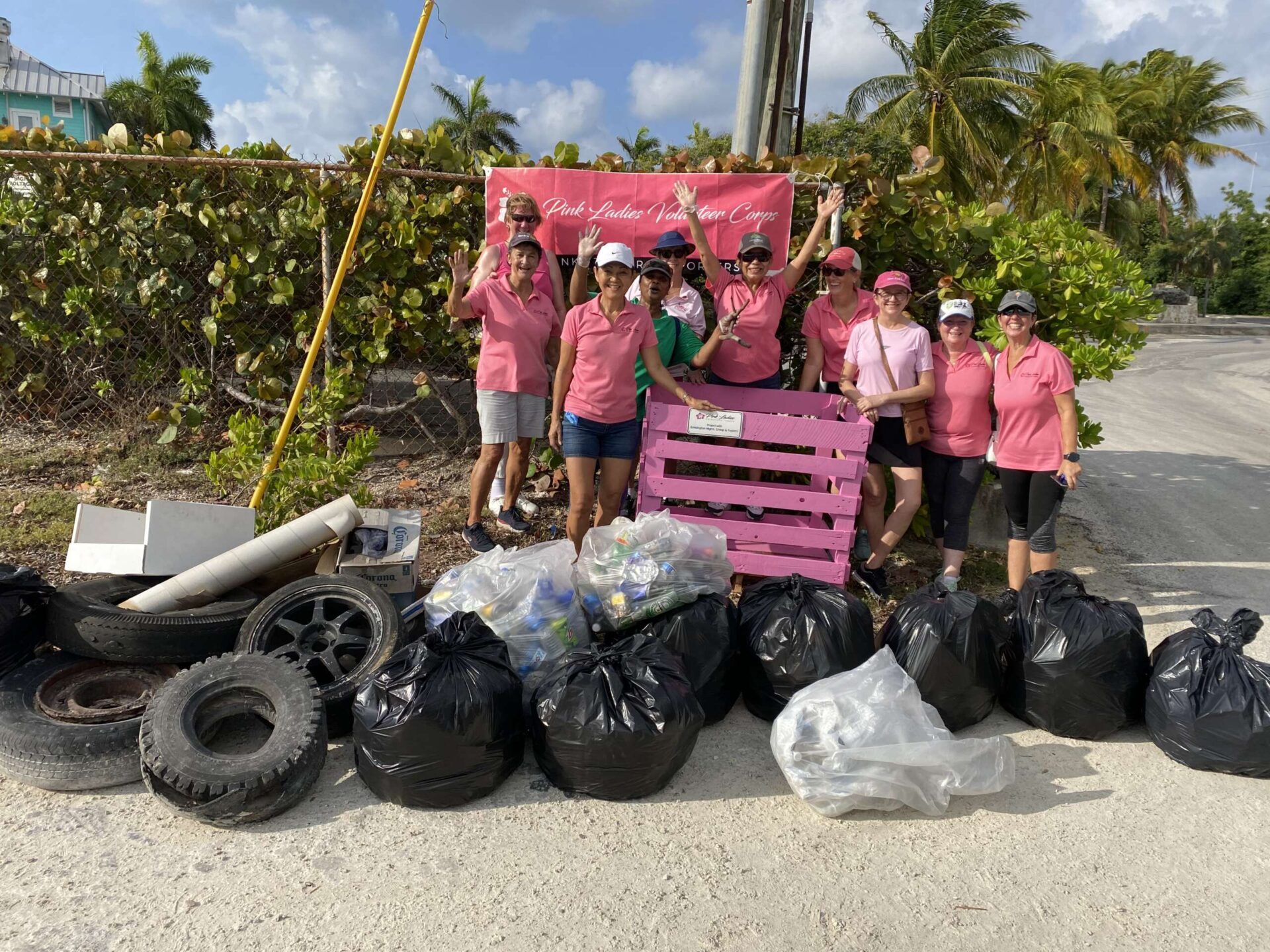
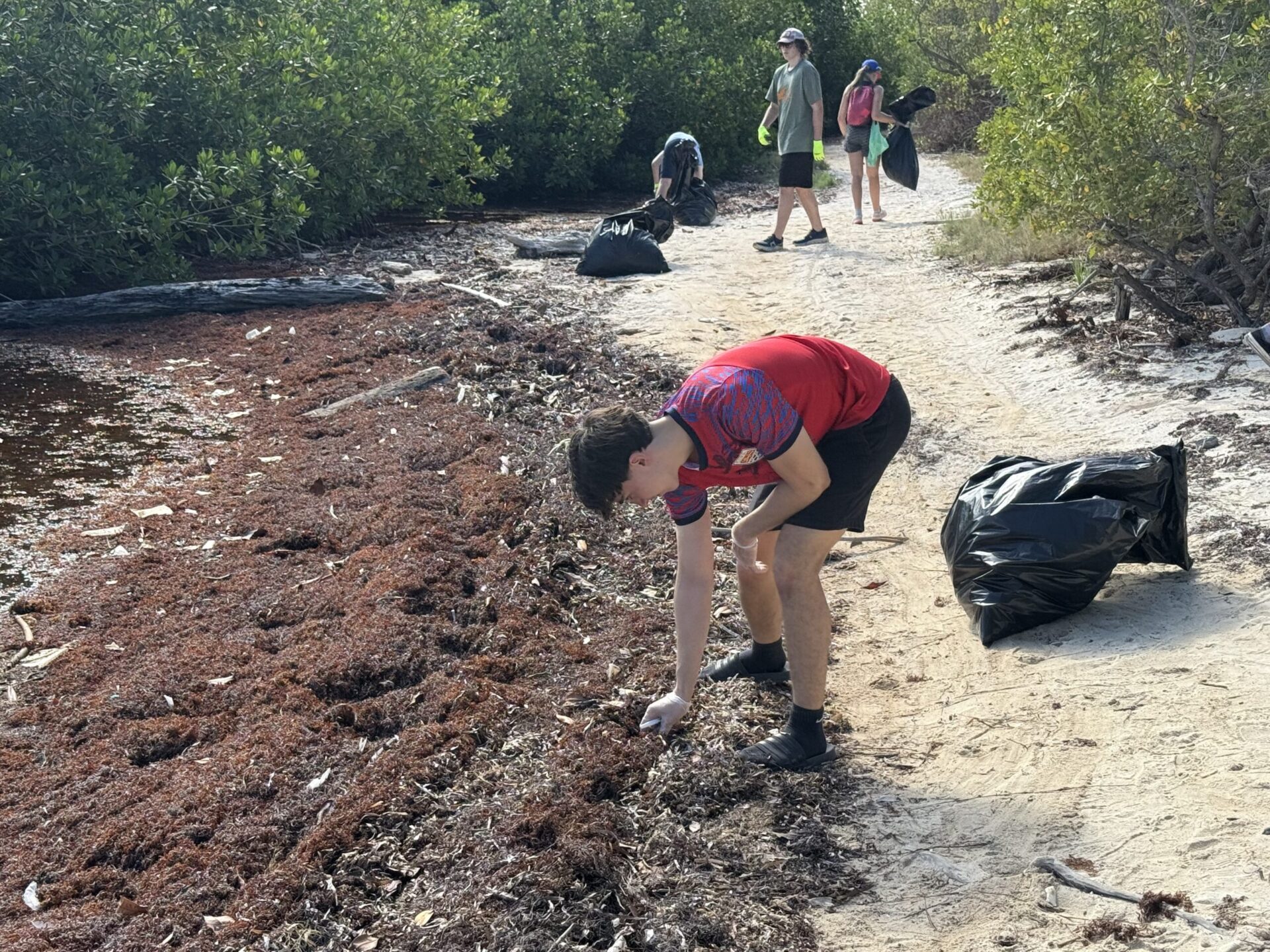
Evans, White and Wong all pick up litter on their own, but there is also a regular schedule of group clean-ups, including the annual Earth Day Roadside Clean-Up organised by Cayman Islands Chamber of Commerce, that attract numerous volunteers, including school and community groups.
Wil Pineau, Chamber of Commerce chief executive, said that the Earth Day Clean-up event, planned this year for 18 April, aims to be the largest such event in Cayman and not only removes large amounts of litter from major roadways and public spaces, but also helps to reinforce a visible culture of civic responsibility. It has also led to the Chamber’s Cayman Clean initiative, a public awareness campaign to focus attention on littering and its impact on the environment, tourism and communities.
Pineau said the Chamber has long been concerned about litter and illegal dumping, and has called for strong enforcement where appropriate.
“We have urged government to increase surveillance of illegal dumping sites and to apply meaningful fines where violations occur,” he said. “At the same time, we believe enforcement alone is insufficient. Education, infrastructure, including adequate receptacles and collection services, and cultural change must work in tandem.”
Changing attitudes
Rotary Central is another body which has tried to tackle Cayman’s litter problem. Rotary Central president Steve Tippetts said, “Rotary Central is extremely active in many of the initiatives for clearing up litter on the island, and each year we spearhead teams that help clean up the beaches and other prominent areas on Earth Day.”
One particular initiative was to put litter bins out in Rotary Central’s network of bus shelters around Grand Cayman and Cayman Brac to be maintained by the Department of Environmental Health, but that later ran into problems, said Tippetts. The last few remaining bins with Rotary Central’s logo on will soon be removed, but Tippetts is optimistic that some can be salvaged.
“We have noted that some litter bins in different parts of the island have been adopted and show identification of privately sponsored ventures,” he said. “If other sponsorship or agreements could be considered, it may provide a partial solution to a growing problem on the island.”
Related Videos











Cayman’s solution for trash is to collect it and put it on a centralized pile. While I hate littering, I do find it important to point out that the real issue here is in the lifestyle that creates all this trash and the absence of any form of better suited garbage handling. Moving plastic, glass, metal etc from the side of roads and placing it together on one designated pile is only a marginal enhancement as it just moves the problem from where its in your face up close to a large mountain in of trash in the back. Current and past governments are committing a crime against future generations by not immediately addressing this issue aggressively. Talk is cheap.
Thank you to all the dedicated trash collectors. In the meantime, this temporary remedy must be an ongoing full time effort 24/7. Cayman beaches are it’s greatest natural resource. The beaches are so devastated with all kinds of trash, that it will take a miracle to show off the beaches as pristine. Again, thank you to all who participated.
Enforcement is sorely lacking.
You are correct. The streets, curbs are one big dump. People don’t take pride in their yards. Dry by and you will see. It doesn’t take a lot of energy to maintain one’s castle. Step up folks.
Cayman Islands is way ahead others but always can strive to do better. I would like to see prisoners, put to work in our trash cleanups along our highways. They need to give back to our communities for their wrong doings.
You carried it in YOU carry it out.
Amen Keith S. Take responsibility. Your kids will see this and follow suit. This is your island. Take pride in it.