A ground-breaking partnership between Autism Acceptance Cayman Islands and the Cayman Islands Rugby Club is bridging the gap between neurotypical children and those with autism through a new sports initiative.
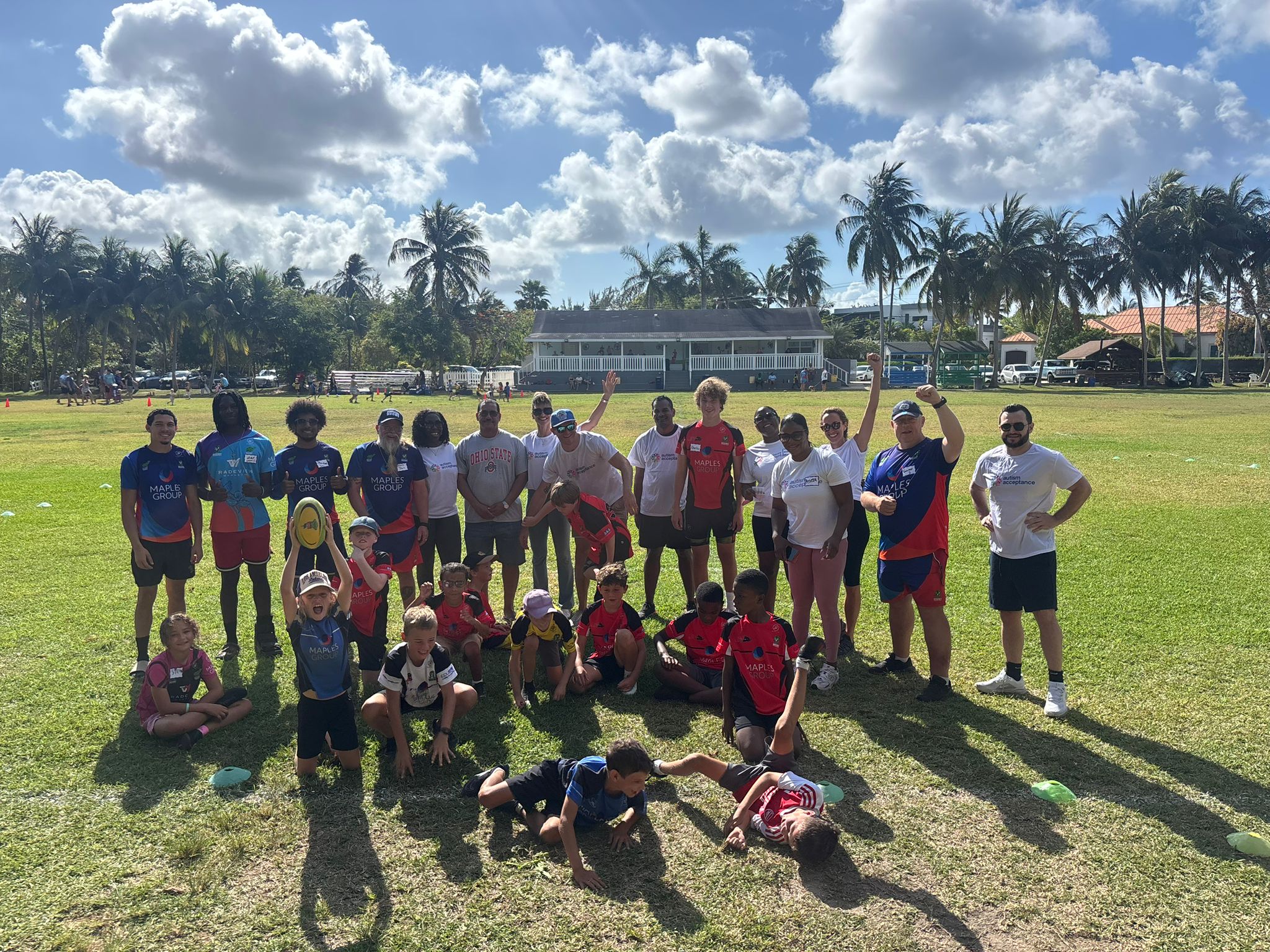
The free six-week pilot programme, known as All In Rugby, debuted on 11 April at the Cayman Islands Rugby Club in South Sound and marks a significant shift in the local sporting landscape by offering a mixed-abilities environment where inclusion is the primary objective rather than an afterthought.
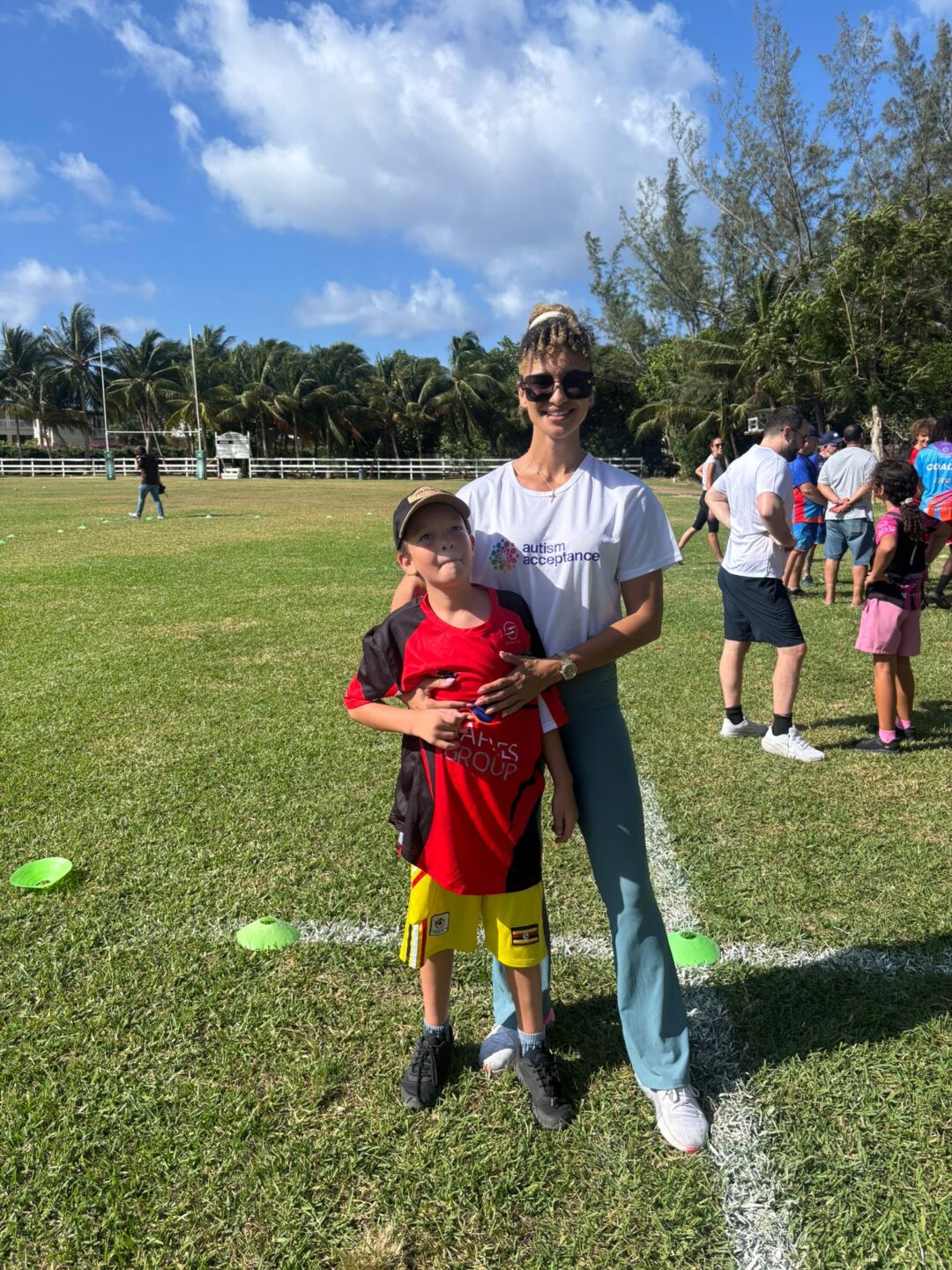
“Autistic and neurotypical children play side by side, paired together as buddies from the very first session because inclusion is not an afterthought here, it is the entire point,” said Chelsea Flynn, chair of Autism Acceptance and mother to 9-year-old son Jacob who has autism.
‘A shared vision’
Providing insight into how the initiative began, Flynn said, “Every transformative programme starts somewhere and for All In Rugby it started with a conversation with Graham Smith, the acting director of the local rugby club.”
“He connected with me as the work we are doing with Autism Acceptance in the community resonated deeply with him. Over coffee, a shared vision took shape: to create an adaptive, integrative, inclusive rugby programme unlike anything the Cayman Islands had ever seen,” she added.
Within a week of that first meeting, Flynn said that she had “mobilised volunteers from Autism Acceptance and Smith had rallied coaches and families from the club … and the organisational machinery that would underpin All In Rugby began to hum.”
For Flynn, what makes the Cayman Islands Rugby Club’s involvement even more “remarkable” is the timing.
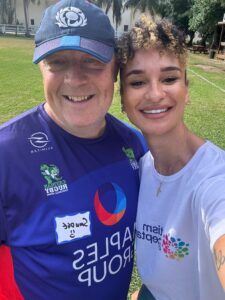
“The club is currently in its off-season, but they have stepped entirely outside their regular schedule to make this programme happen because they believe in it. Because some things matter more than schedules,” she said.
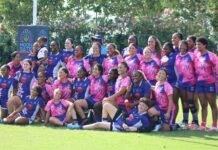
Additionally, Flynn said that young Caymanian coaches from Next Gen Rugby “have taken up the challenge with remarkable heart and skill” by providing coaching during the sessions. She said they are showing up with their whole selves, leading with empathy, and demonstrating to younger children what inclusion in sport can look like.
The sessions, held every Saturday at 8am at the club’s South Sound pitch, utilises adaptive coaching techniques that Smith and the rugby club have drawn from global best practices to accommodate different learning and physical needs.
Sense of belonging
For both Flynn and Smith, the primary goal is to create a space where children who are often marginalised in traditional sports settings could find a sense of belonging.
“The programme was designed with meticulous care. Before the first whistle blew, we created individual profiles for every participating child, paired with a detailed registration process. Each autistic child was matched with a buddy – a neurotypical peer – ensuring integration was woven into every drill and every game,” said Flynn.
“Crucially, the children wear mixed-coloured tops – like a spectrum – deliberately avoiding any ‘us and them’ dynamic,” she said.
The immediate feedback from families highlights the emotional impact of the initiative.
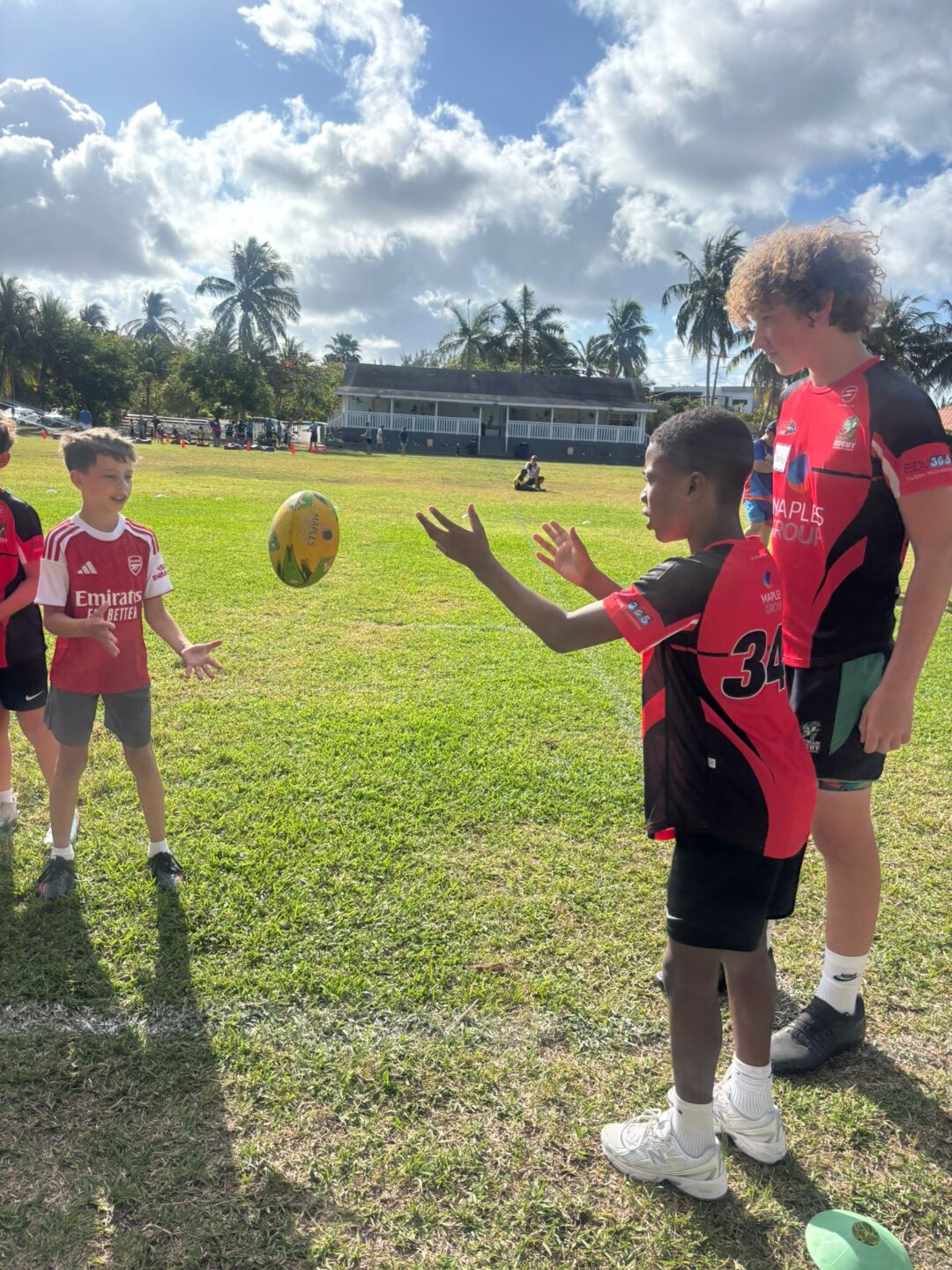
“Families who have long felt marginalised – who have been told that inclusive spaces simply do not exist in Cayman – are seeing their children run onto a pitch, find friends, and belong. That is not a small thing. For many of these families, it is everything,” said Flynn.
While the current programme focuses on children aged eight to 10, Flynn said that the long-term vision is to expand it to more age groups, extend its duration, and ultimately create a league – the Cayman Clan – that could one day see these children travelling overseas to compete alongside their peers on an international stage.
To join the movement or learn more, interested persons can contact Autism Acceptance Cayman Islands at [email protected], or reach out to Graham Smith at [email protected].
Related Videos