

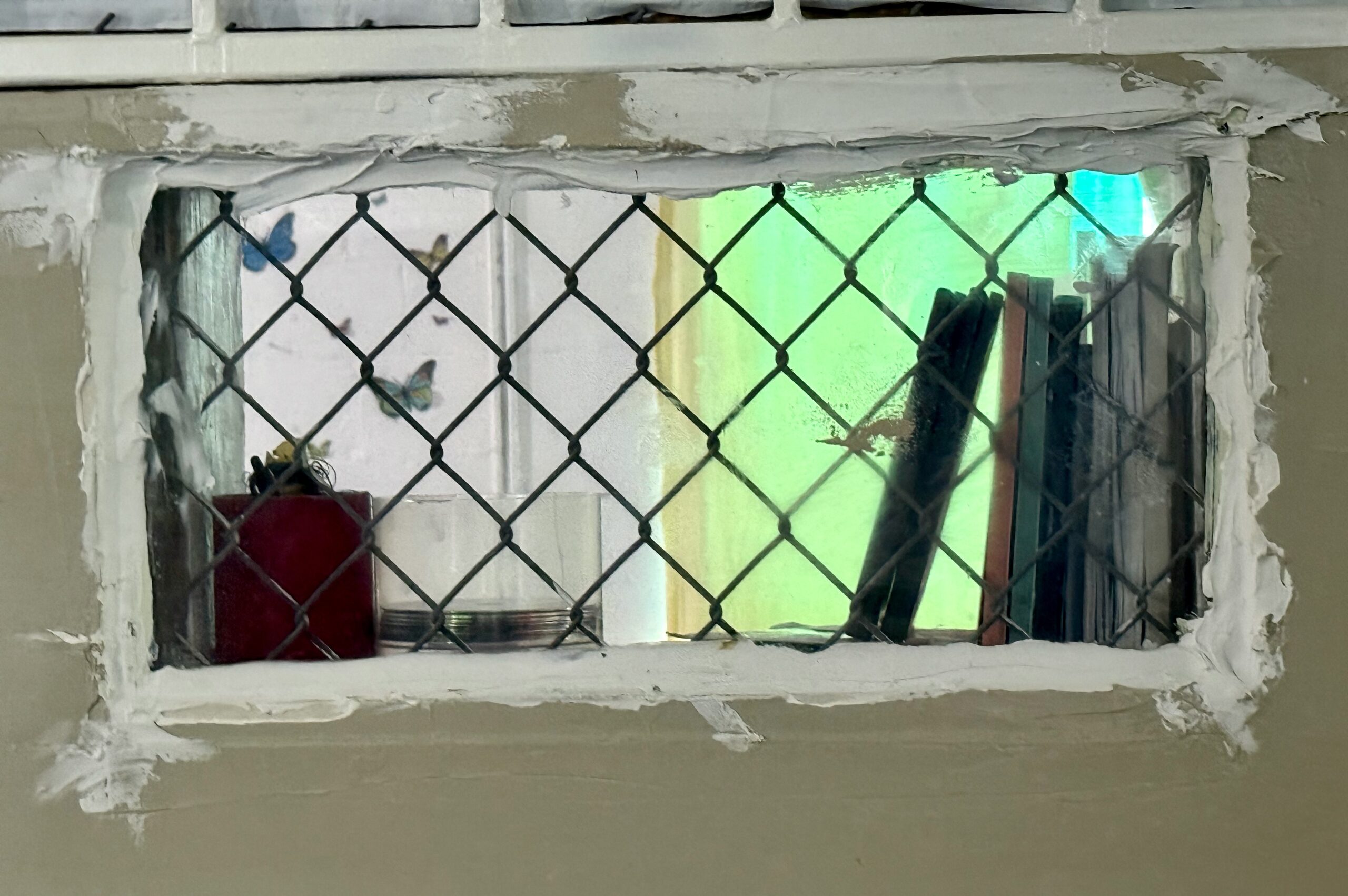

Inmates at Cayman’s female prison say HMP Fairbanks is unfit and unsafe, covered in mould and lacking facilities for a growing population.
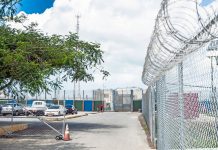
The squat concrete building off Fairbanks Road was occupied after a fire in 1999, initially on a temporary basis. But it has become the permanent home for Cayman’s female prisoners.
“The mould in that building is crazy. It is in the walls, in the ceiling, in the bathroom by the AC vents, in the gym,” said one former inmate, speaking on condition of anonymity.
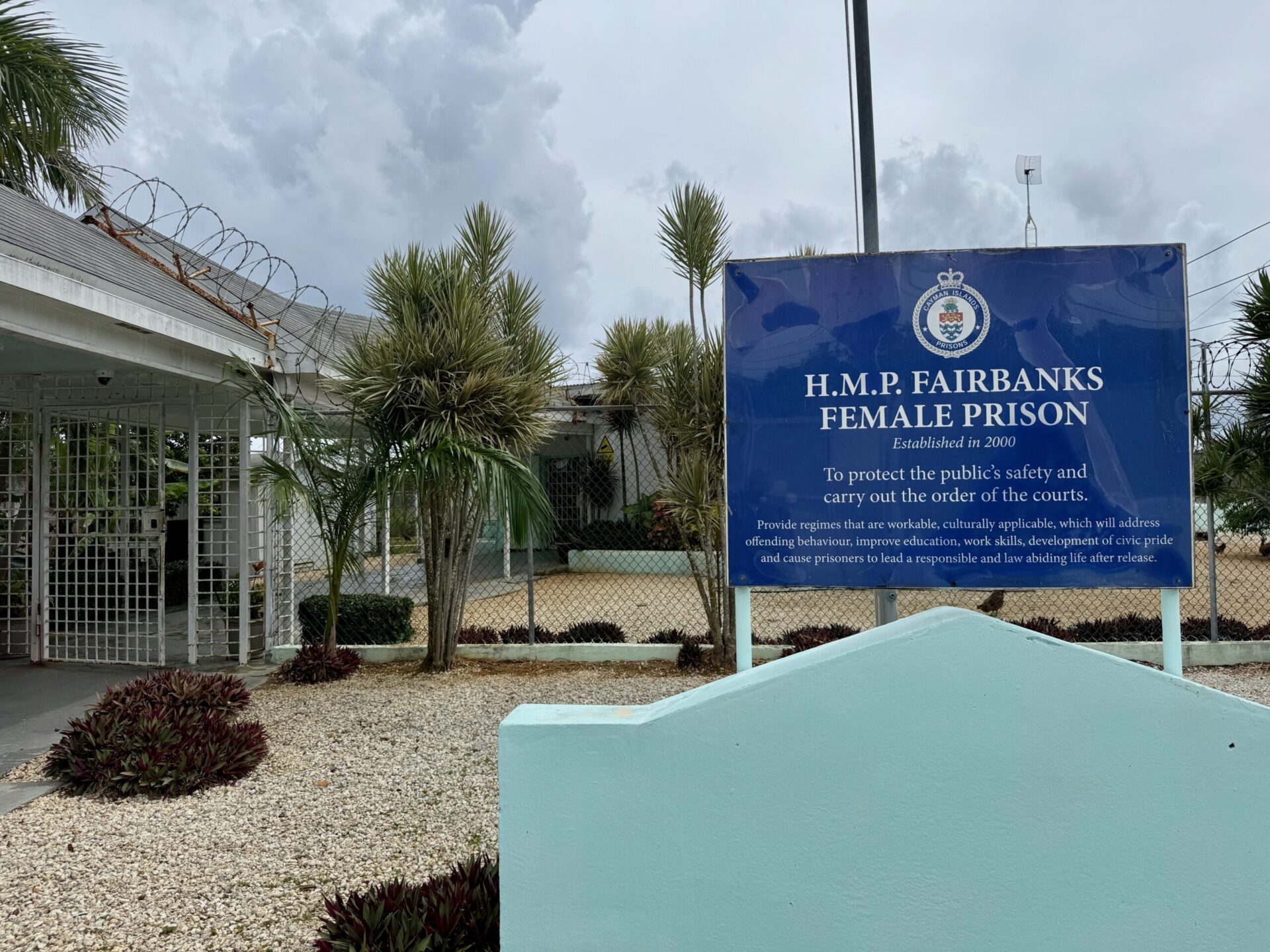
Government has carried out running repairs over the years, but officials accept a new facility is needed.
“They have been trying to put Band-Aids on a dam,” the former inmate said.
The facilities were criticised in a 2012 UK inspection report that examined the entire Cayman Islands prison system. Inspectors found the dormitory accommodation at Fairbanks to be “basic”, with bed spaces that were “unscreened and provided little privacy”, and communal areas that were “run-down and dingy”. The lack of ventilation and air conditioning, inspectors noted, made the prisoner accommodation “unbearably hot”.
The inspectors recommended that many of the current facilities at both Northward and Fairbanks should be demolished, with the remainder undergoing complete renovation.
Since that report, little about the physical infrastructure has changed and the female prison population has grown.
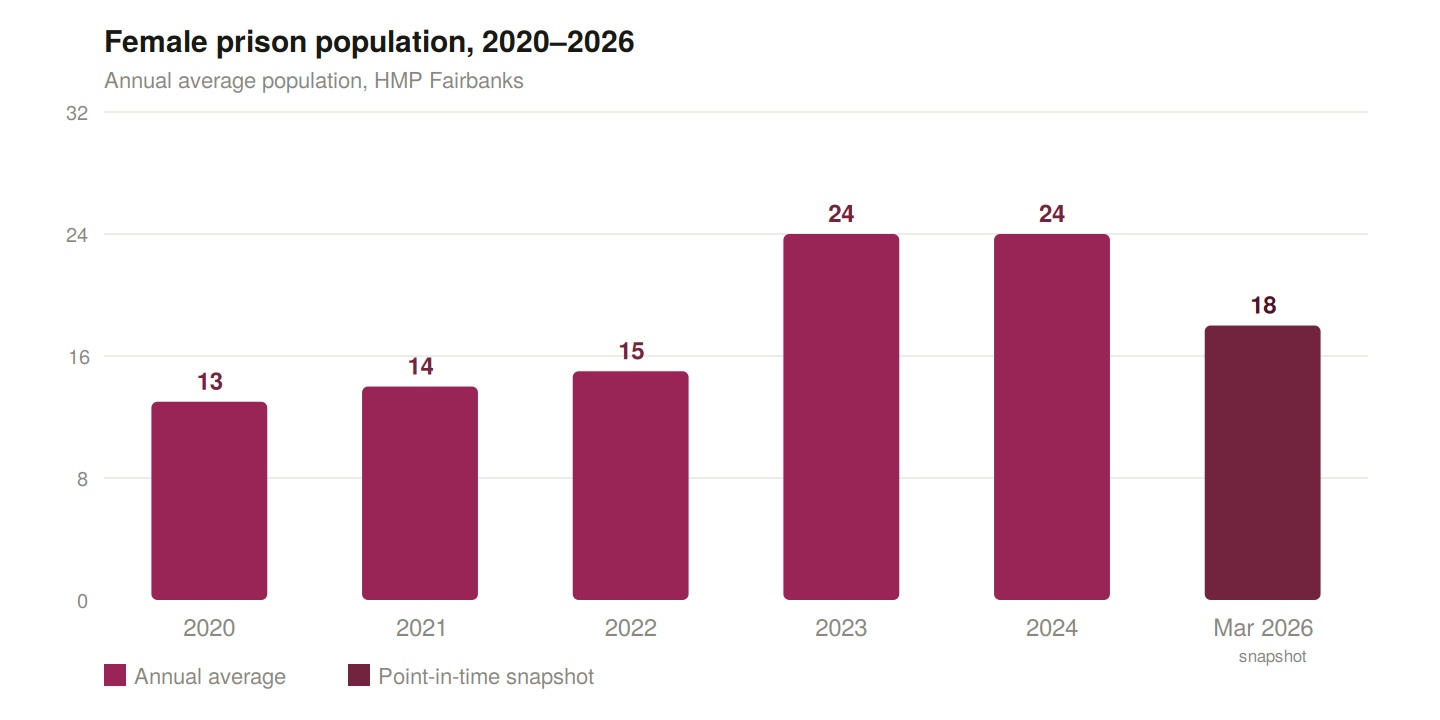
At the time of the Compass’ visit in March, there were 18 women held on the site across four dormitories, compared with just four prisoners when the UK inspectors visited. The female prison population has varied widely over the years, but has shown steady increases in recent times, reaching an average of 24 inmates over the past three years.
While it is certified for more than that, prisoners complain about the cramped accommodation, lack of privacy and insufficient bathroom spaces.
The issues raised by inmates were similar to those at the men’s prison. The mingling of inmates with mental health conditions alongside the general population was a key area of concern.
“We have problems battling with mental health people here, as well as people who are drug addicts,” said one prisoner. “We’re amongst them. Everyone is together. It’s not like anything is segregated. They’re just placed here amongst us and we have to fight the battle. You’re sitting in the class and you can hear them screaming from the back.”
There were also concerns about limited bathroom facilities shared with inmates with drug problems and health conditions.
“Everything is amongst the population,” said another prisoner. “You use the same kitchen, the same shower, gym – everything. If someone has anything, yes, any kind of thing – it’s all there. That’s the battles we fight on a daily basis.”
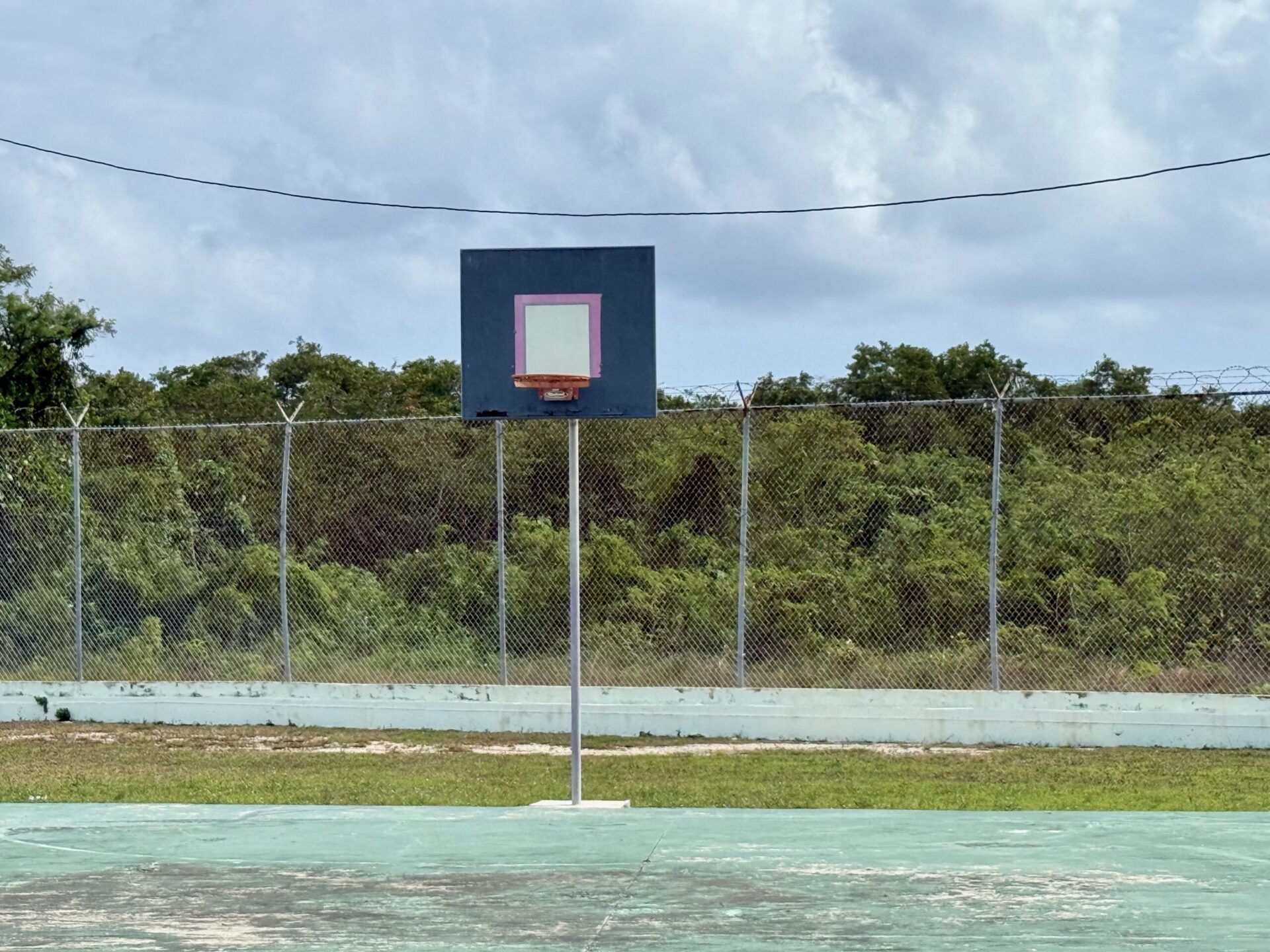
The decrepit state of the facilities is another issue. The basketball court was unusable. The air conditionng had been broken in one dormitory and in the gym for more than a year before one former prisoner was released.
“There’s a basketball court, but the mould gets to use it more than we do,” she said.
“It feels inhumane,” she added.
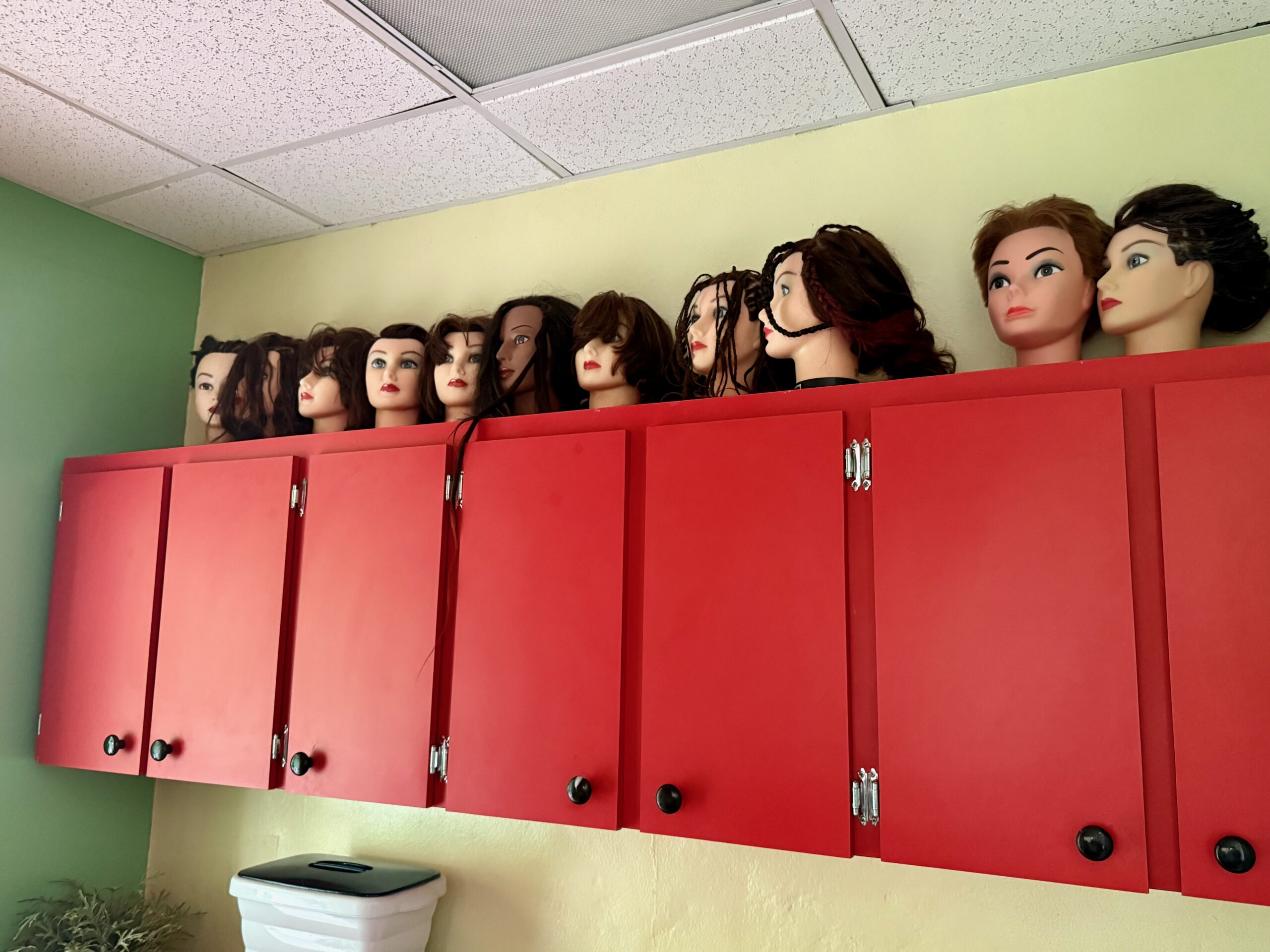
Unlike at HMP Northward, the consolation of a strong vocational training facility and outdoor recreation opportunities do not exist to the same degree at Fairbanks. The site includes a training salon where the women can do their own hair, but there is currently no structured programme. When the Compass visited, rows of mannequin heads sat gathering dust on top of a cupboard.
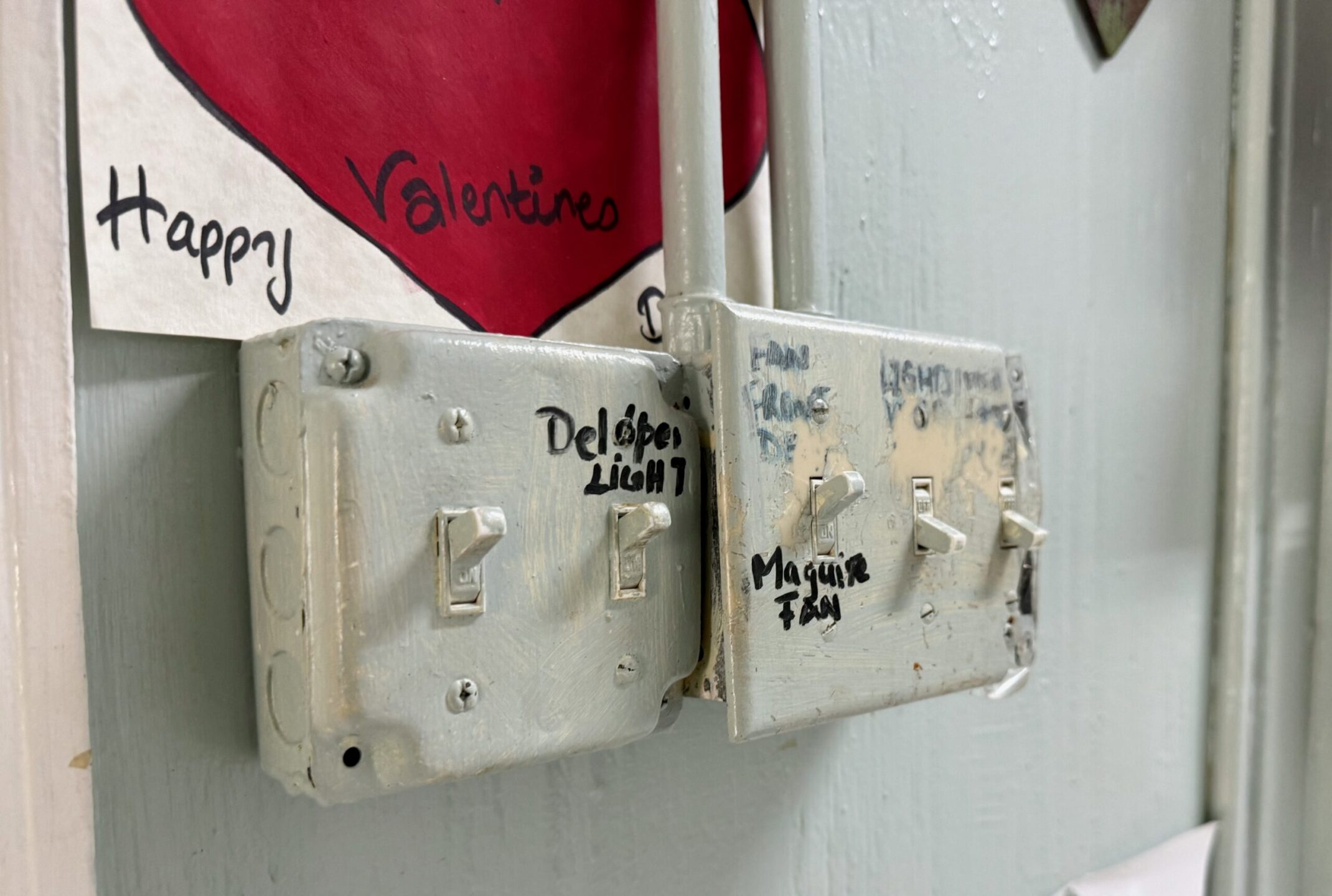
In a written submission passed to the Compass during the visit, one inmate listed her concerns directly. She described a building condemned by mould and electrical problems, food she described as inadequate, and a rehabilitation offering she characterised as feeling more like punishment than preparation for release.
She called for a separate facility for mental health prisoners, proper education programmes, and ankle monitoring as an alternative for mothers with young children.
Prison staff acknowledge the challenges.
Director of Prisons Daniel Greaves told the Compass the building was never meant to last this long. It was quickly modified to meet an urgent need after riots in 1999 at HMP Northward saw the old Eagle House building set on fire.
“Hopefully, it would have been for a short term,” said Greaves. “I think we have gone over 20-plus years now.”
He said electrical problems were being addressed through the ministry.
There are some brighter notes.
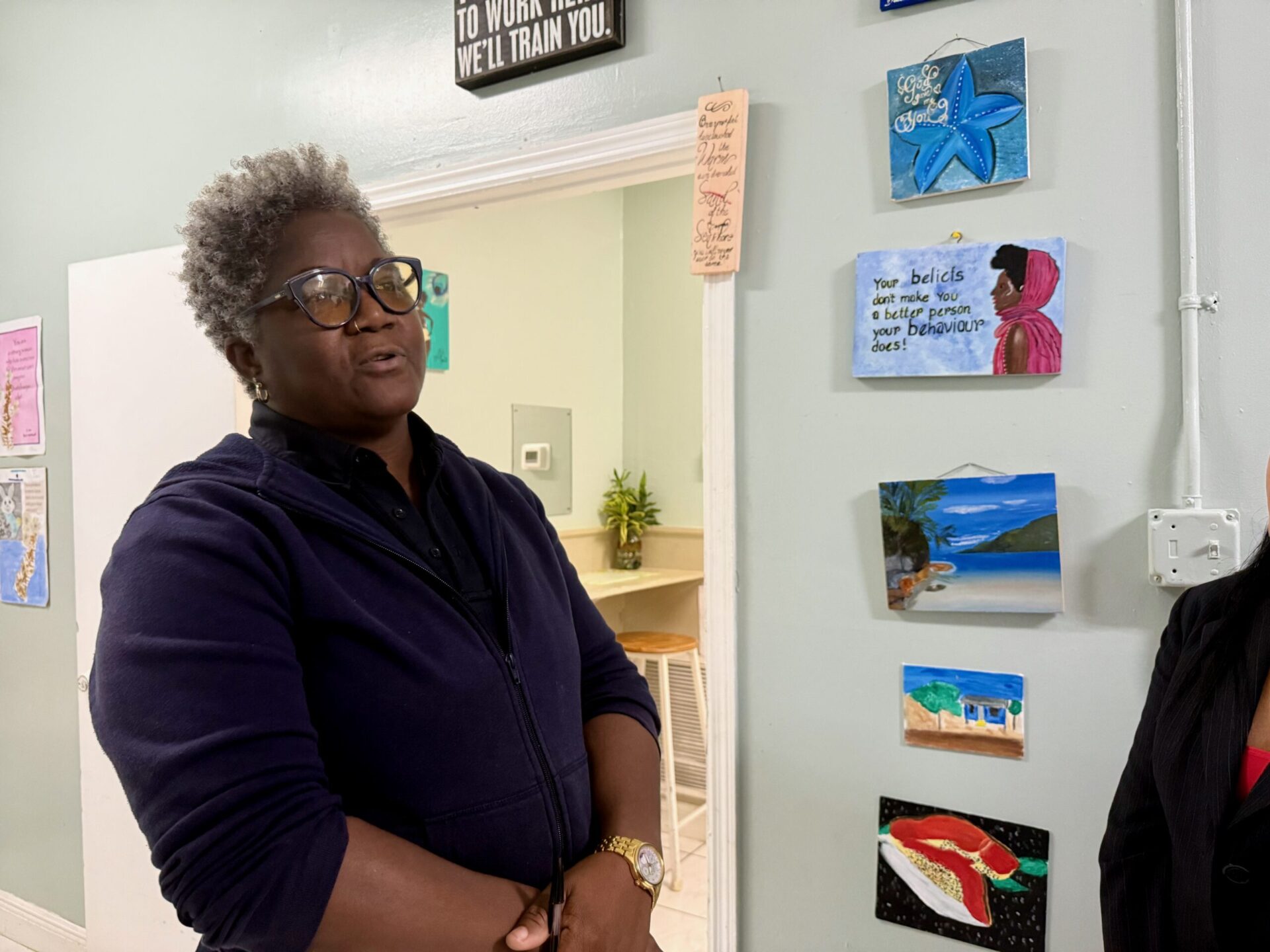
Education classes run regularly and prisoners told the Compass they were engaged with the programmes on offer. Art sessions and a library provide some structured activity. A rehabilitation class was under way during the Compass’ visit, its whiteboard visible through the door.
“On the whole, rehabilitation has helped us,” said one prisoner. “But we think the prison can offer more.”
As with the men’s facility, the long-term solution remains a new prison. When it is built, the plan is to bring the female population onto the same estate as the men and youth offenders.
The design for that new facility is under way. There is no confirmed build date.
Related Videos







If you did the crime, do the time. Yum yum.
While the current facilities are in need of funding, using these emotional reports to justify a $100 million mega-prison is the wrong approach.
A massive, high-end prison is simply not an asset that a small island nation like Cayman should be building, funding, or maintaining.
Instead of forcing the Caymanian taxpayer to shoulder the massive, ongoing costs of housing every inmate, dangerous and non-resident offenders should be actively deported or transferred off-island.
Large-scale prisons are incredibly expensive to construct and run (as we see here). Funding a project of this size will inevitably lead to new taxes and fees, directly raising the cost of living for hard-working, law-abiding Caymanians and residents.
We must stick to the principles of small government and disciplined spending.
There are ways to reduce the prison population through aggressive deportation and off-island transfers, rather than burdening our children and grandchildren with the debt and maintenance of a $100 million facility.