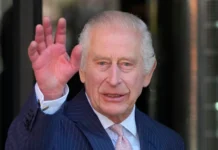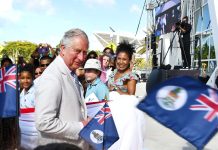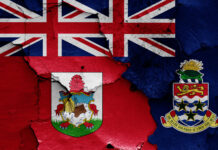
King Charles III concluded a two-day visit to Bermuda on Saturday, marking his first official trip to a British Overseas Territory since becoming monarch in May 2023 and closing a wider diplomatic tour that began in the United States.
The Bermuda visit, which ran from 30 April to 2 May, followed a four-day programme in Washington, DC, New York and Virginia.
While the US leg focused on reinforcing the transatlantic alliance, the stop in Bermuda shifted attention to the United Kingdom’s relationship with its overseas territories, blending tradition and diplomacy.
From East to West
Across a tightly scheduled series of engagements, the king travelled from the historic streets of St. George’s to Hamilton and the Royal Naval Dockyard, meeting community leaders, artists, students and volunteers.
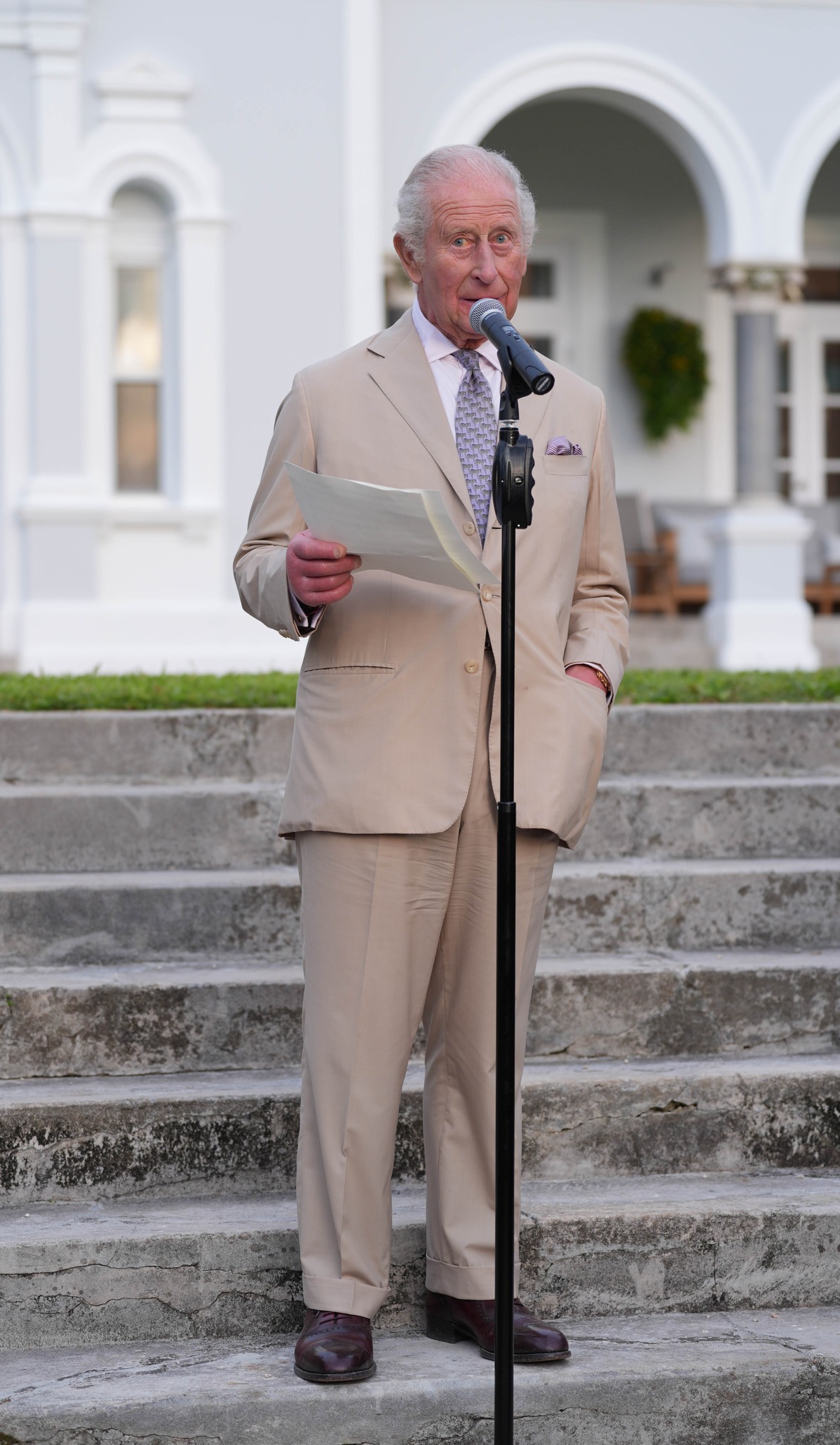
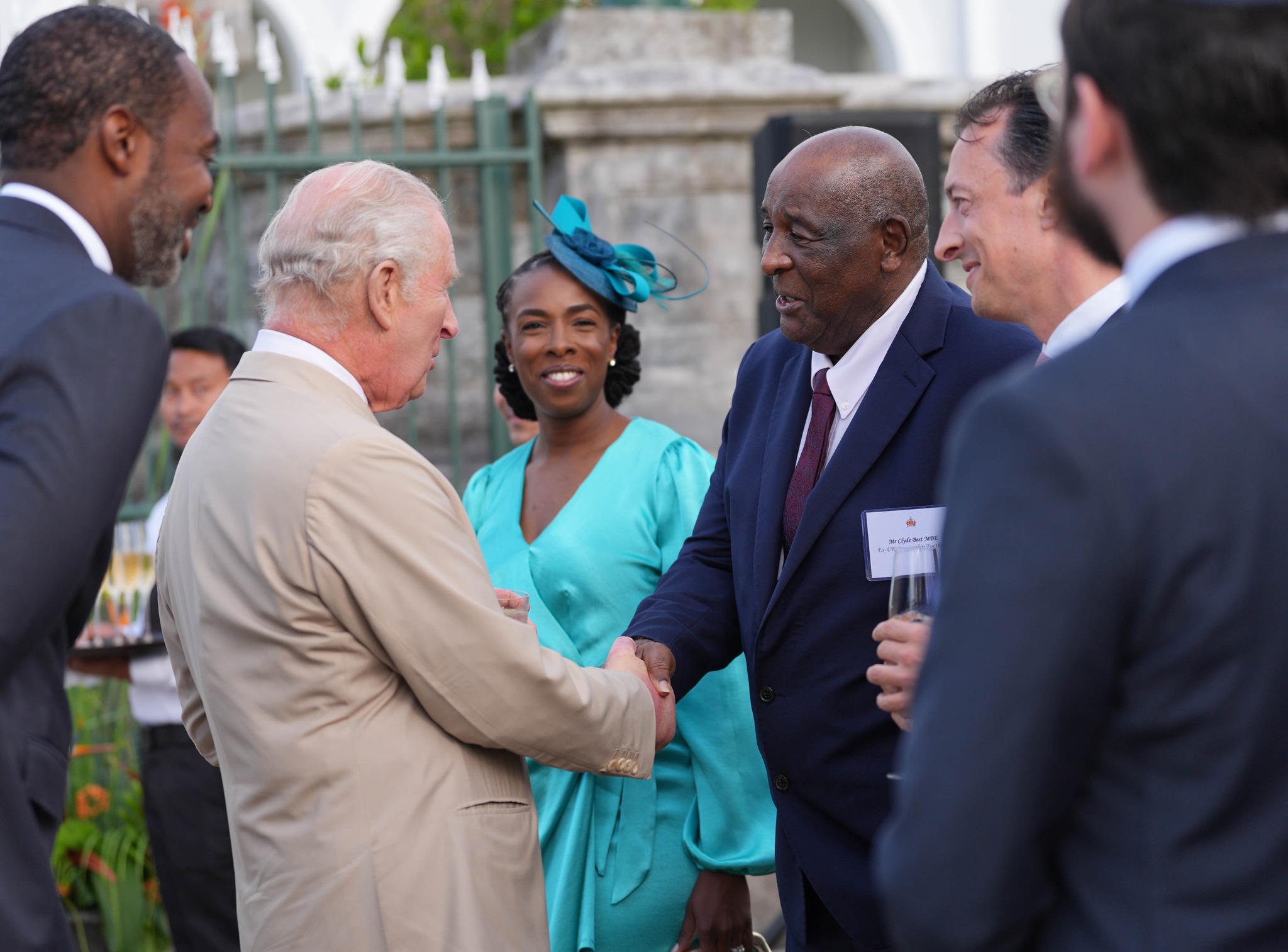
Speaking at Government House on the first day of the visit, the king underscored the significance of the relationship, stating, “Bermuda, like all the overseas territories, is a most cherished and important member of the British family, with a friendship as solid as this so-called rock.”
He added that “it meant a very great deal… to receive your generous invitation to come here myself and to make Bermuda my first overseas territory visit as king”.
The programme highlighted Bermuda’s cultural identity, environmental stewardship and the role of young people in shaping the island’s future.
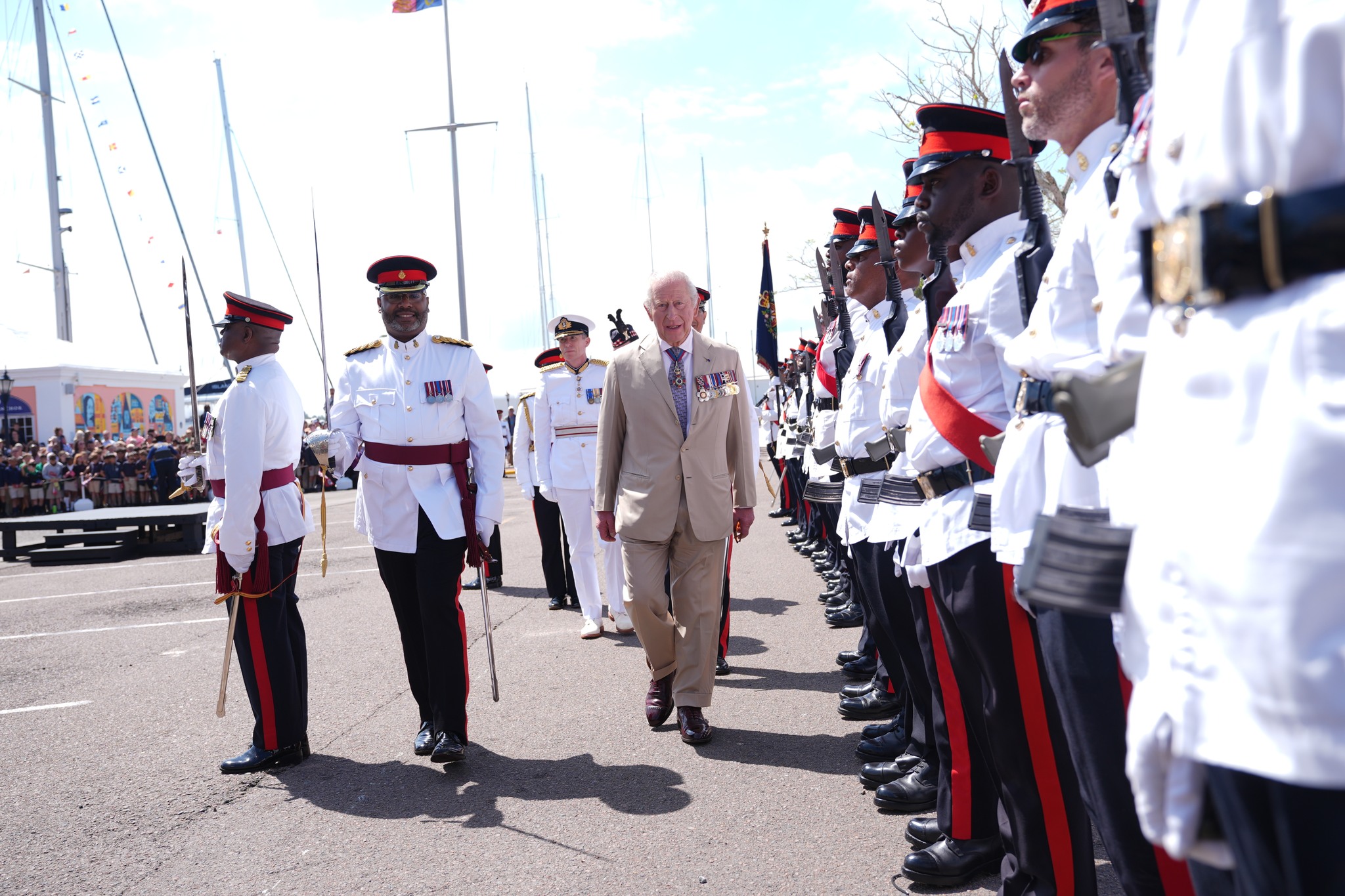
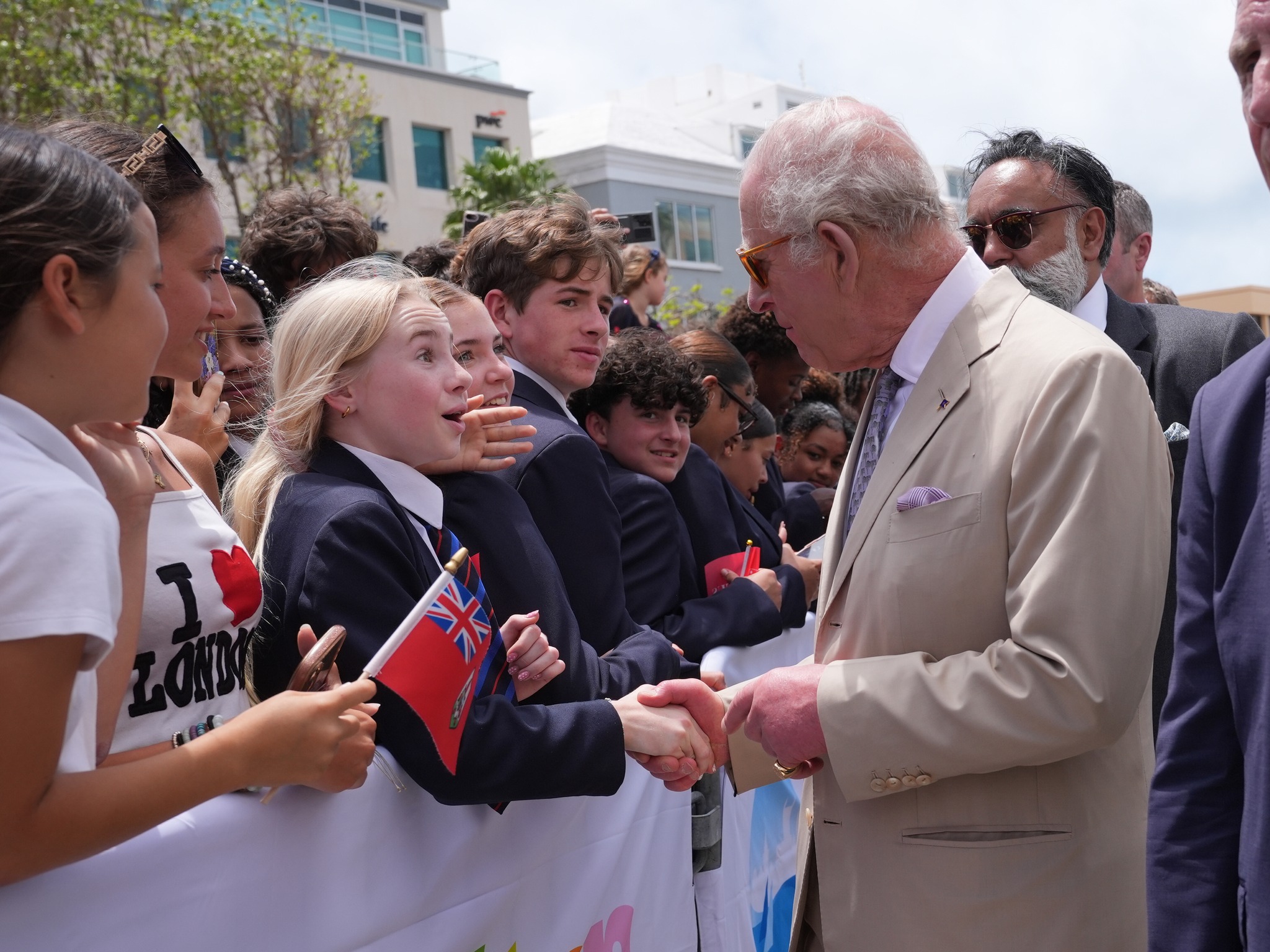
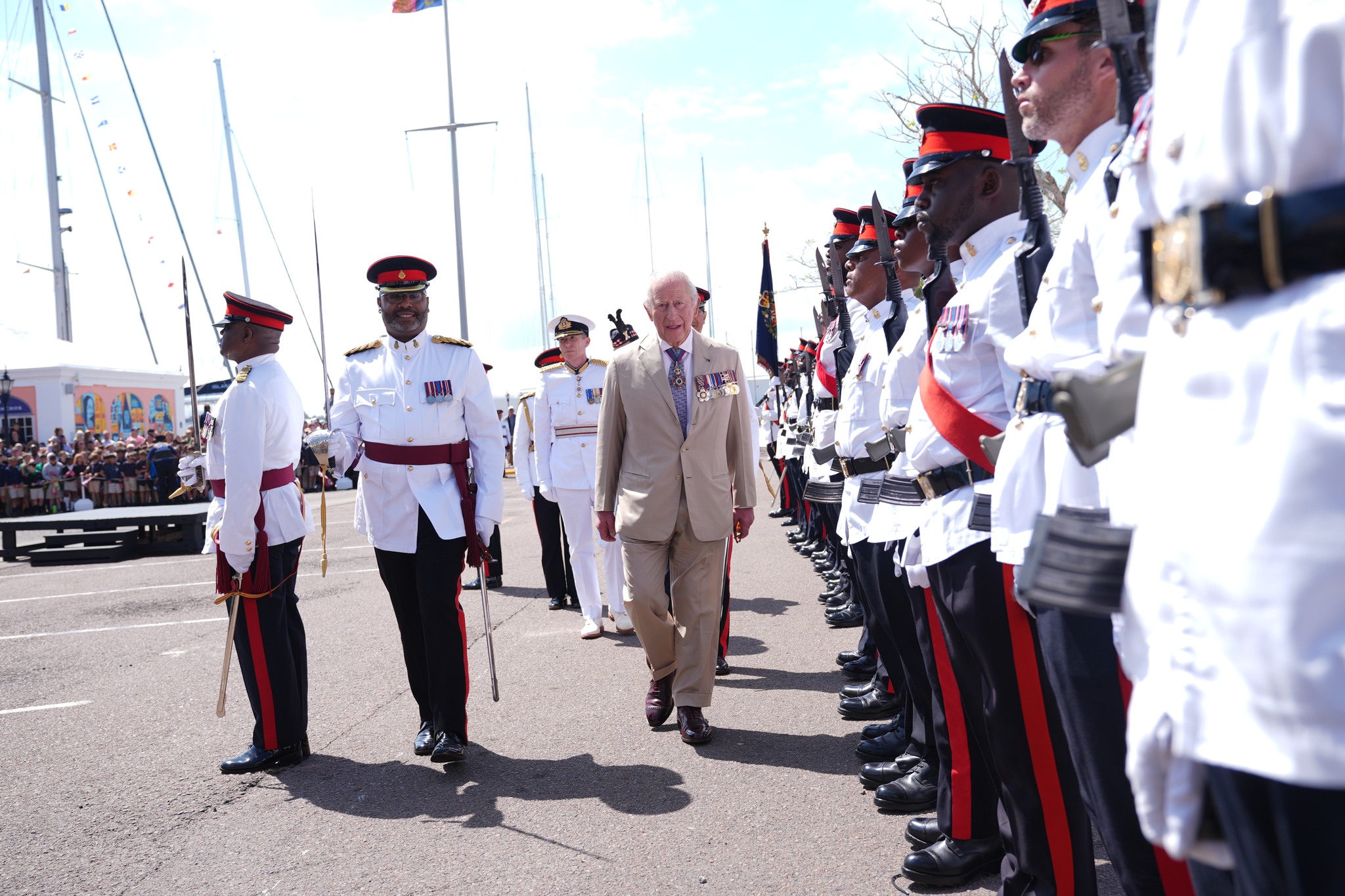
Crowds gathered in St. George’s for a ceremonial welcome that included a 21-gun salute and an inspection of the Royal Bermuda Regiment.
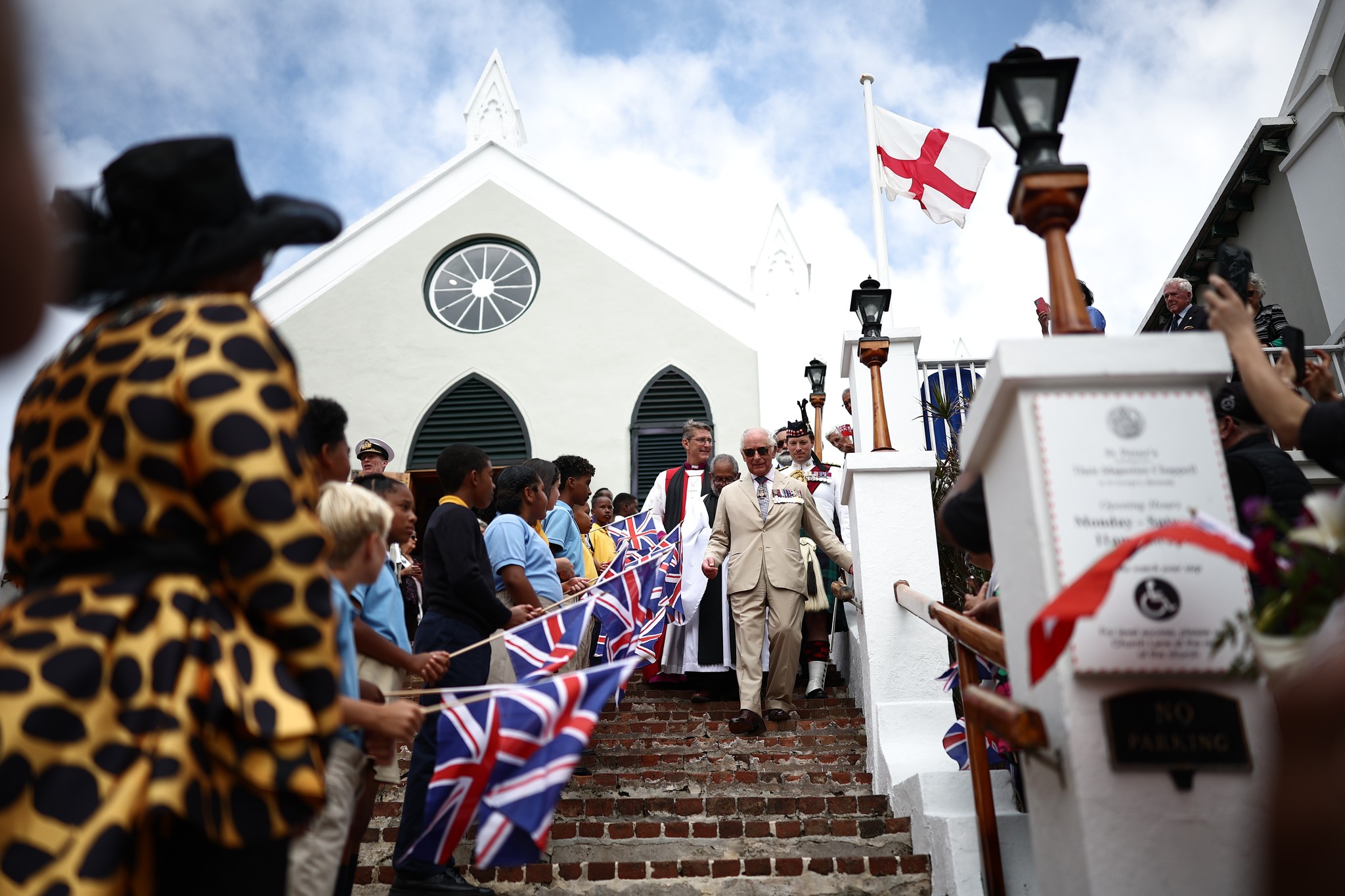
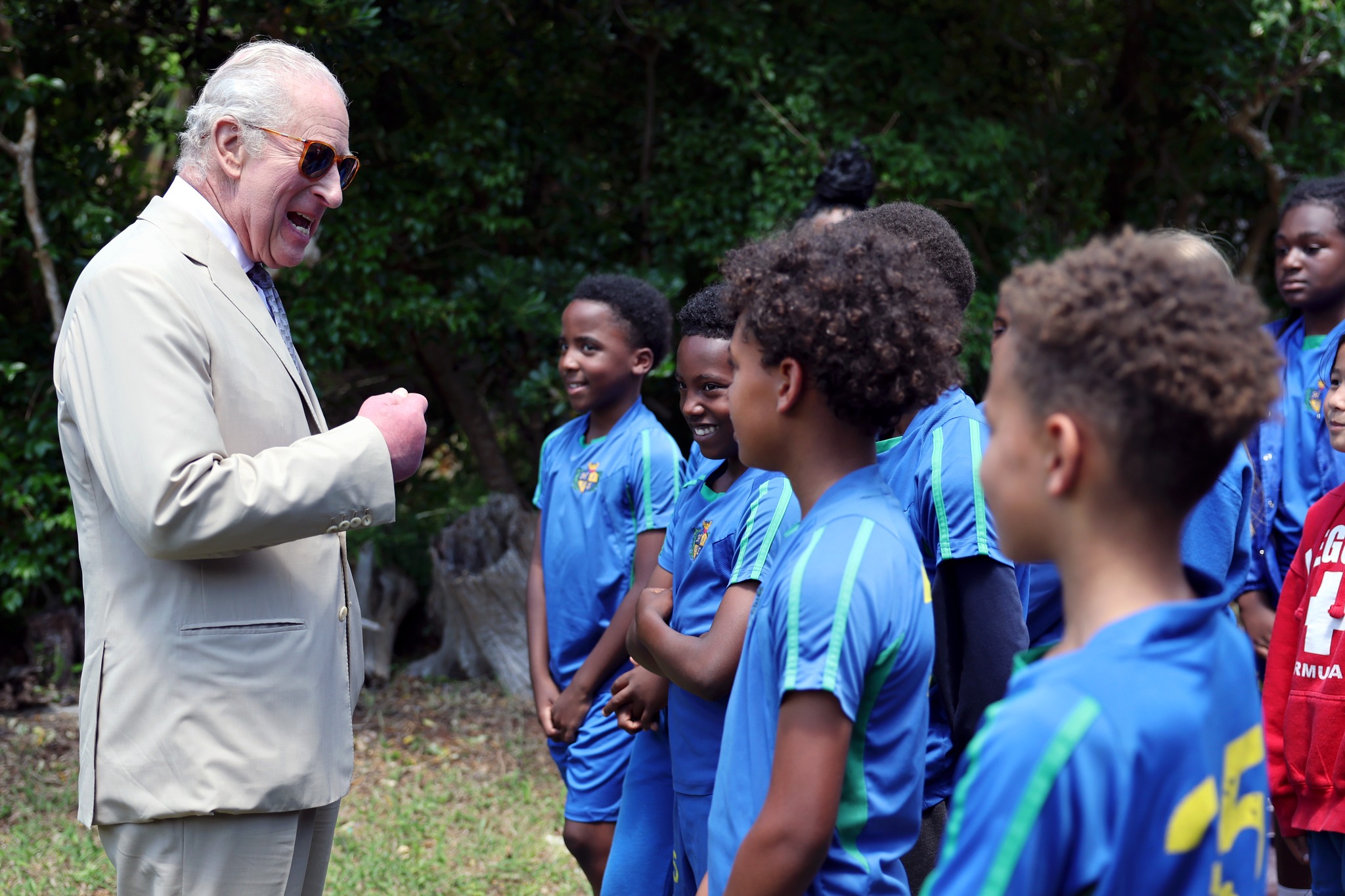
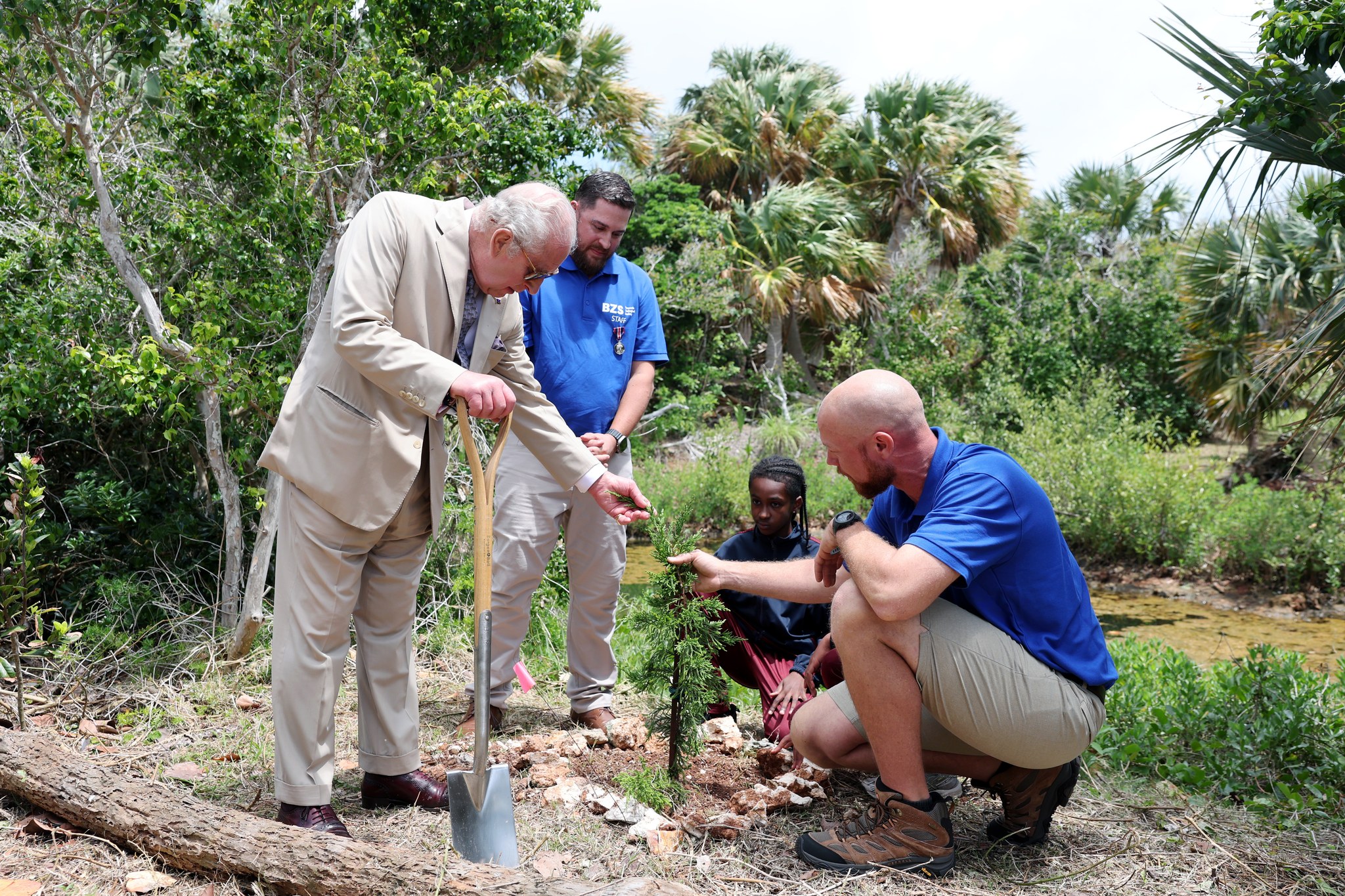
The king visited St. Peter’s Church, the oldest surviving Anglican church in continuous use outside the British Isles, before continuing to Trunk Island, where students showcased conservation work as part of the “Living Classroom” initiative.
At the Bermuda Aquarium, Museum and Zoo, he joined centenary celebrations and learned about efforts to protect local biodiversity.
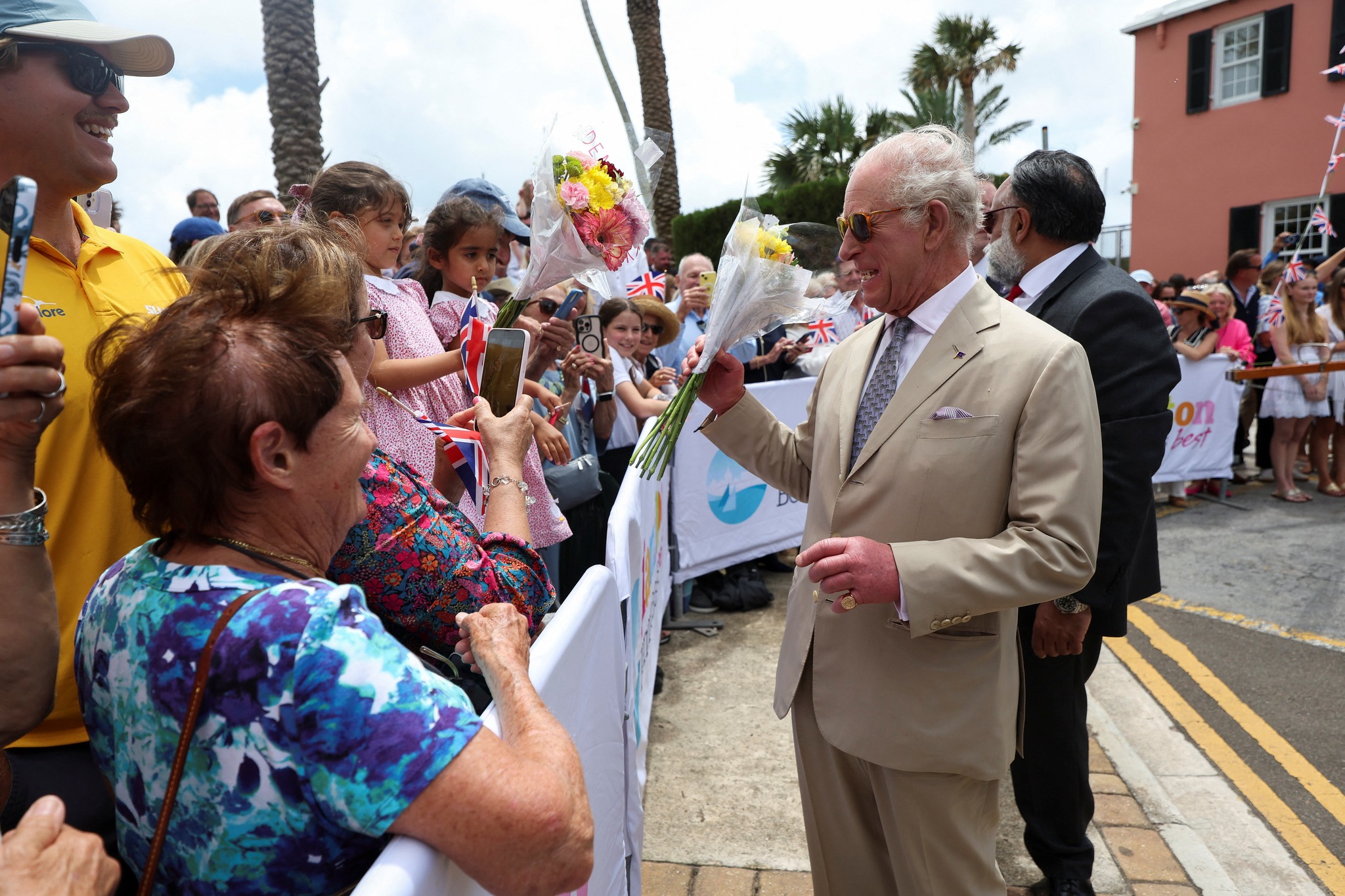
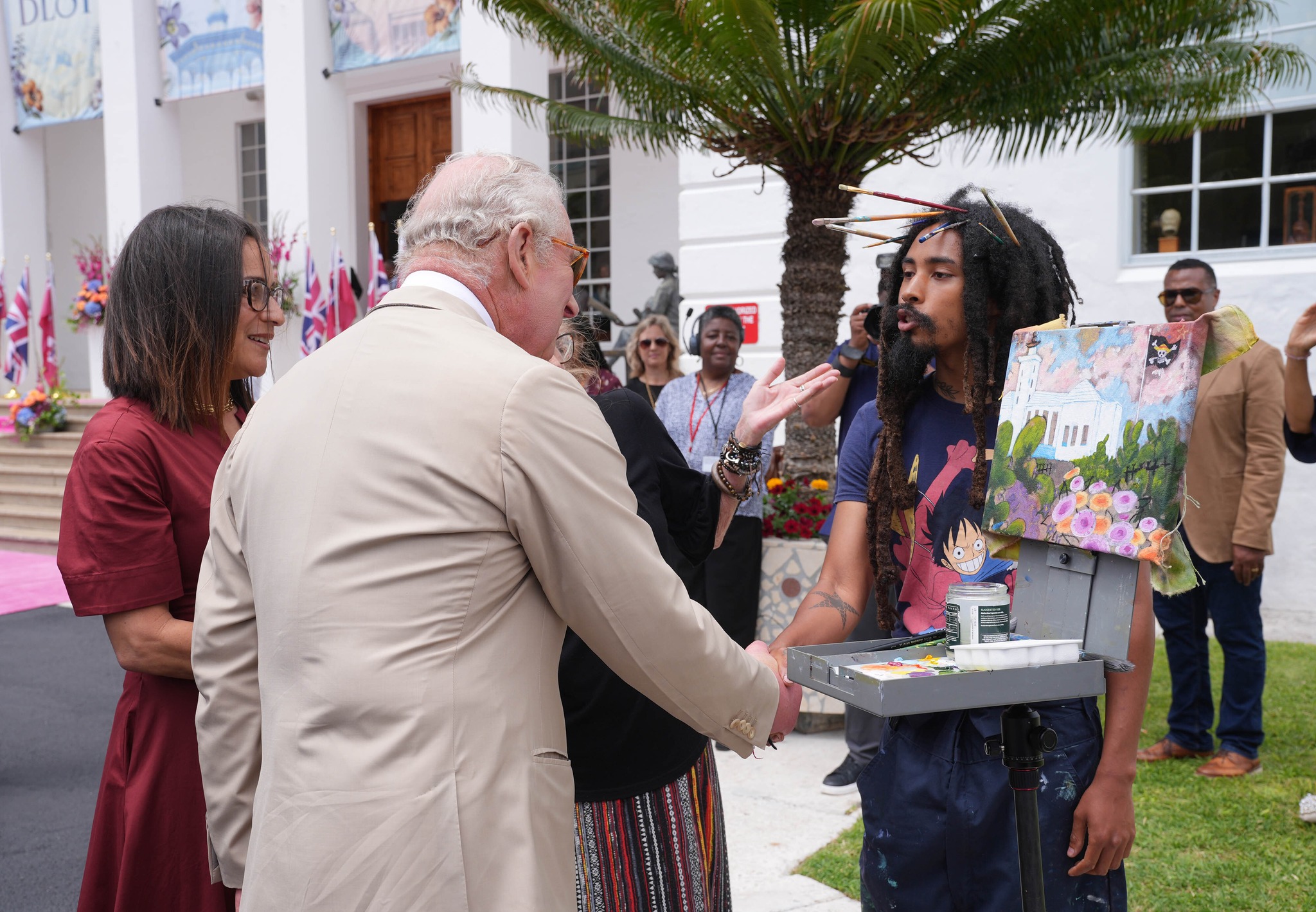
At City Hall, the king met Bermudian artists and artisans, with local residents turning out in large numbers.
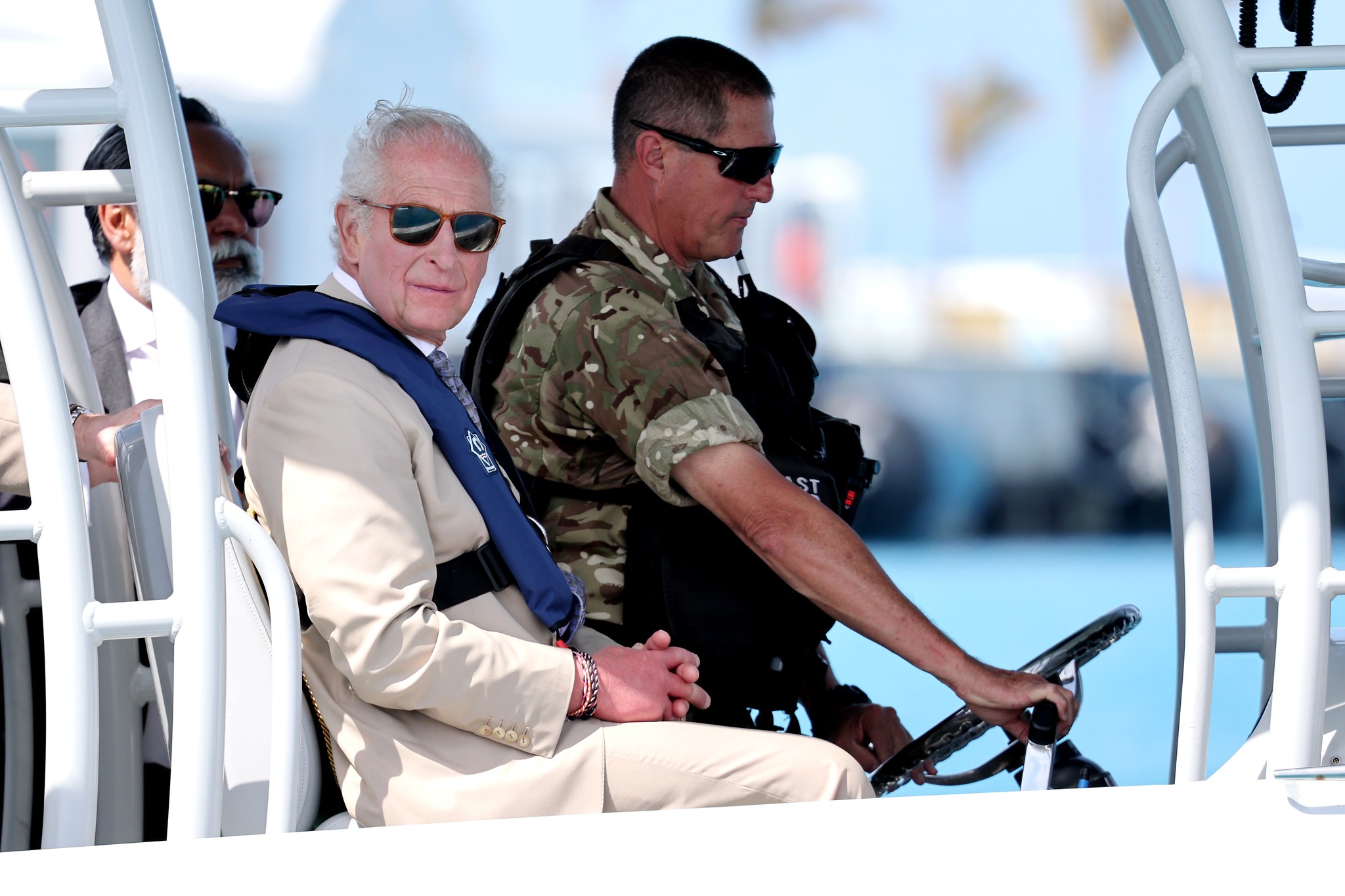
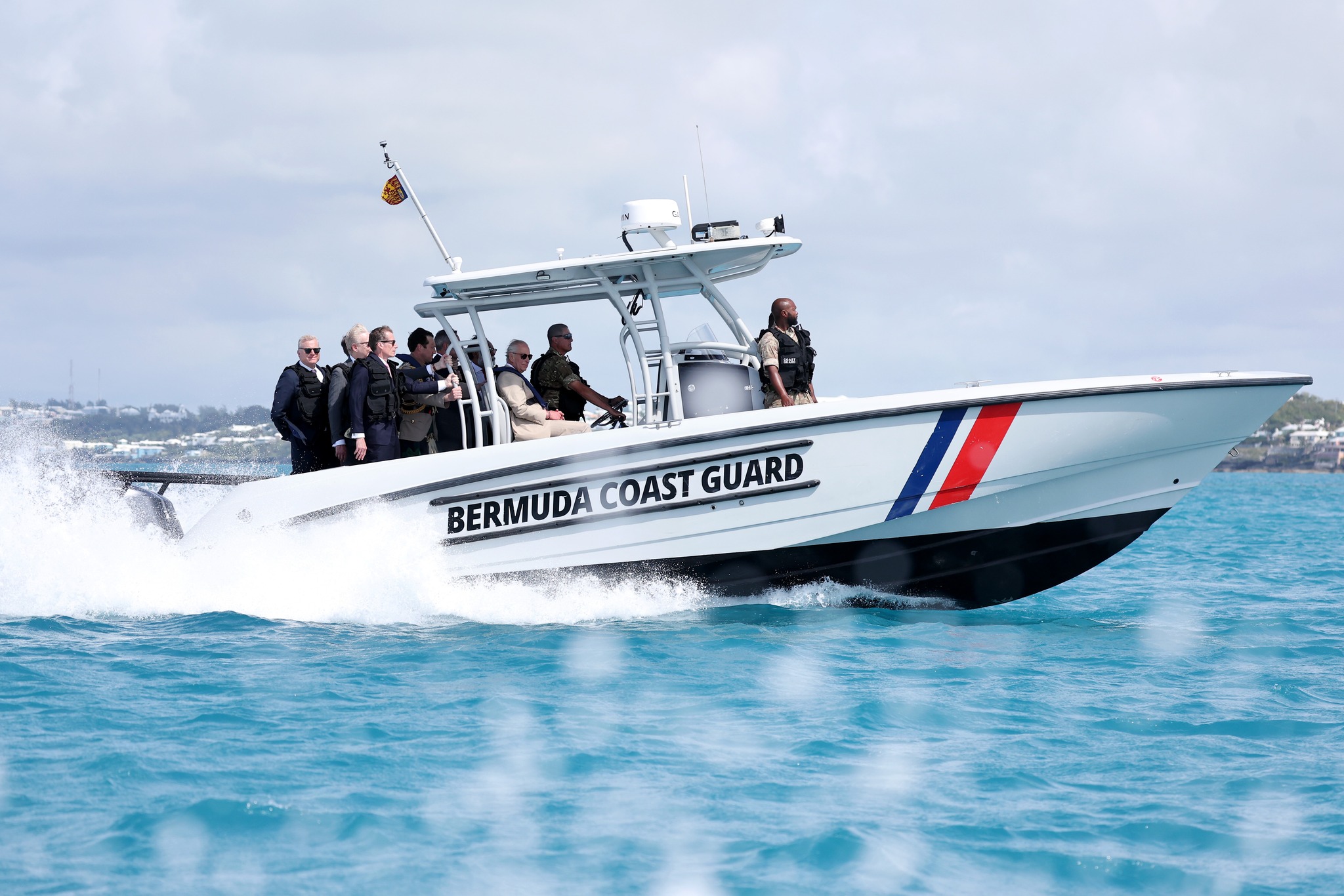
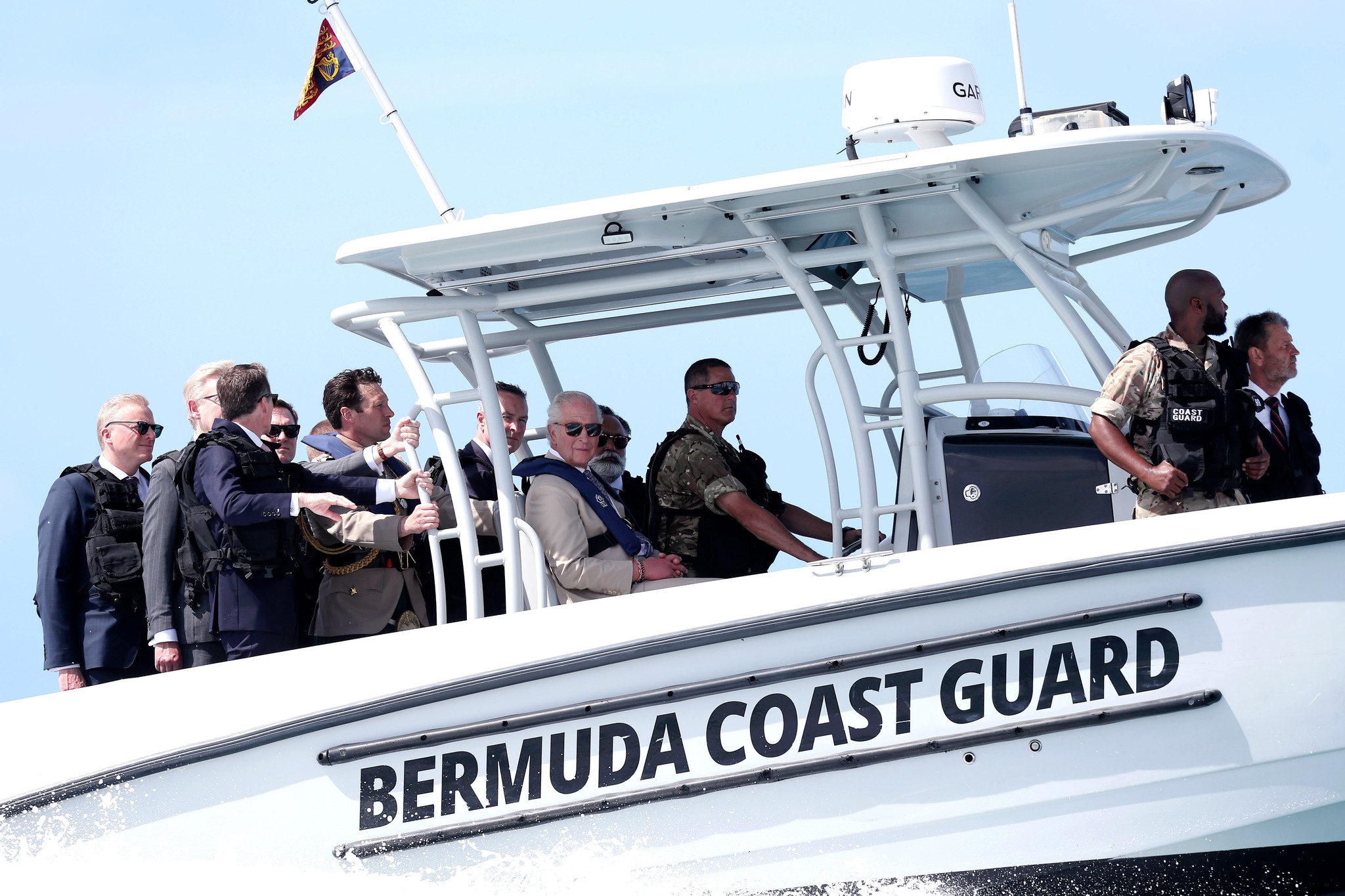
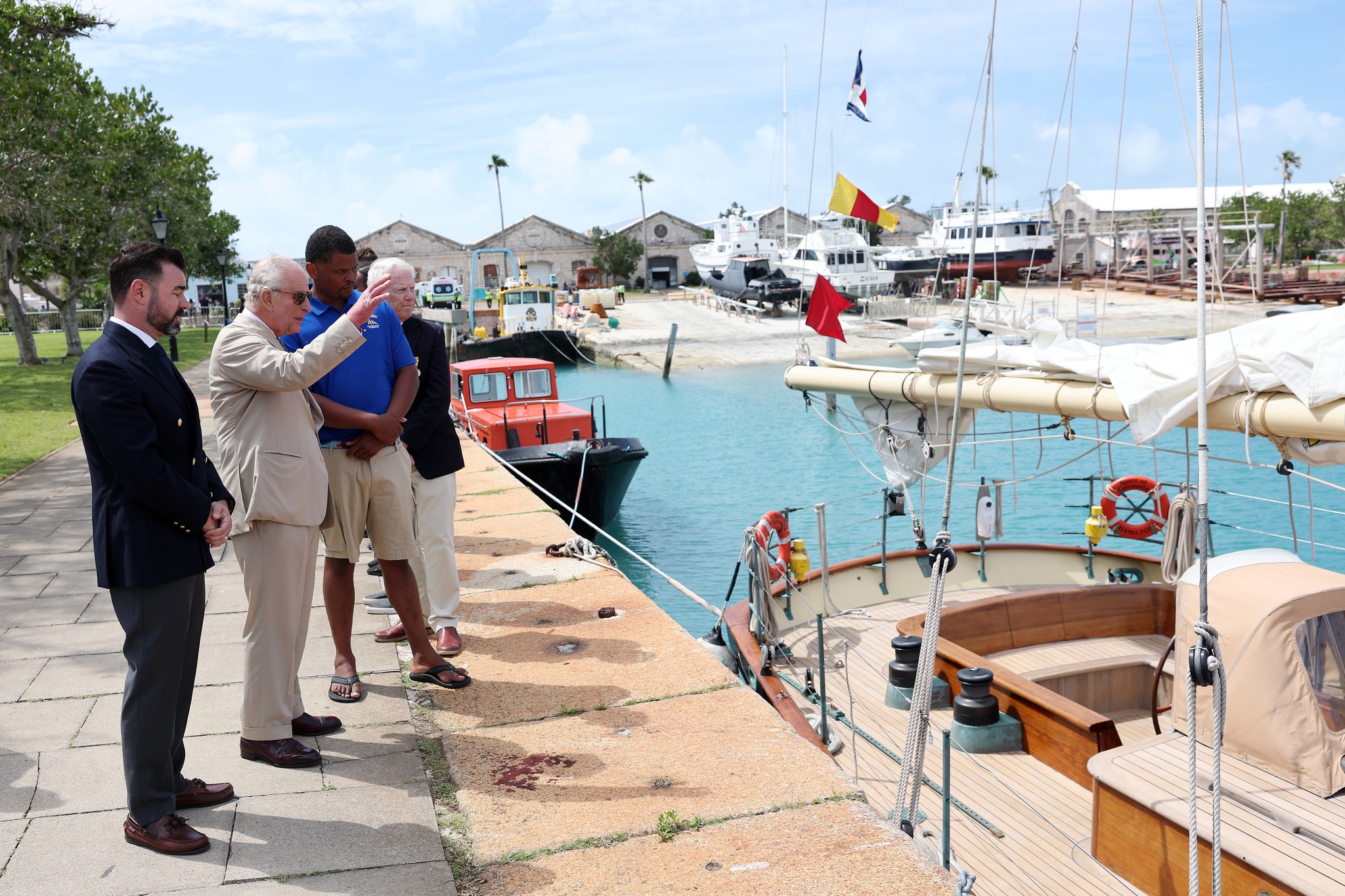
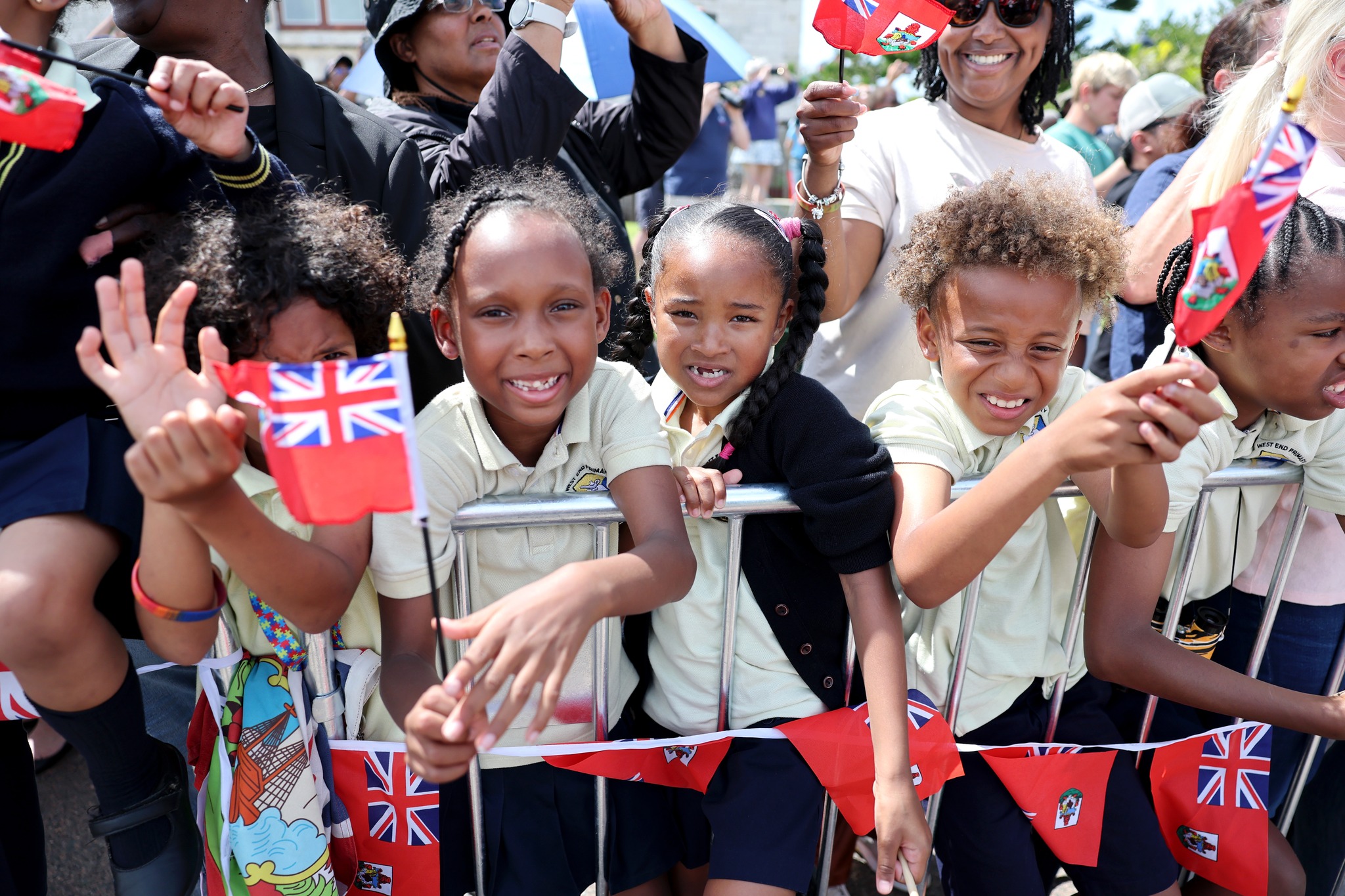
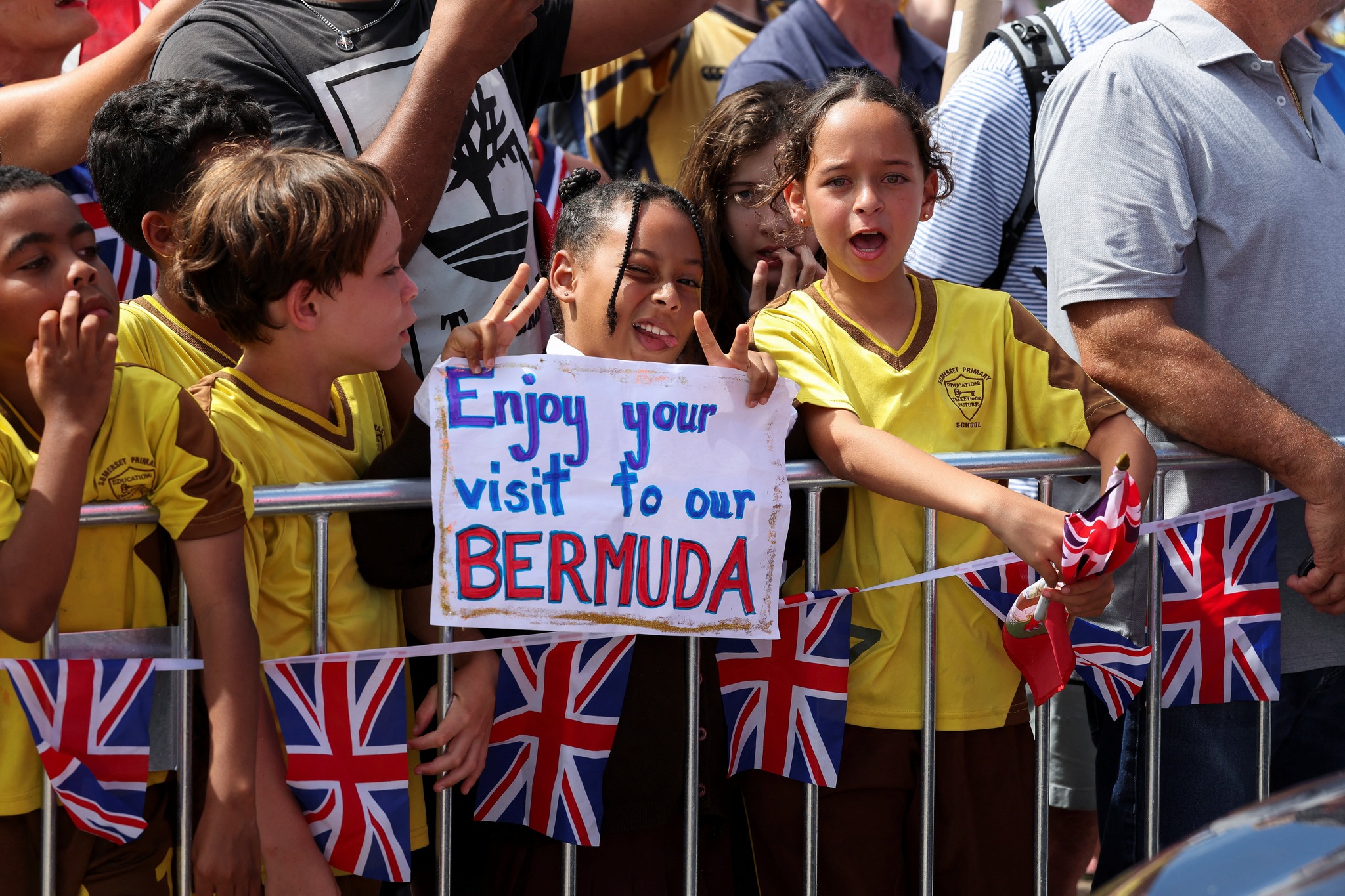
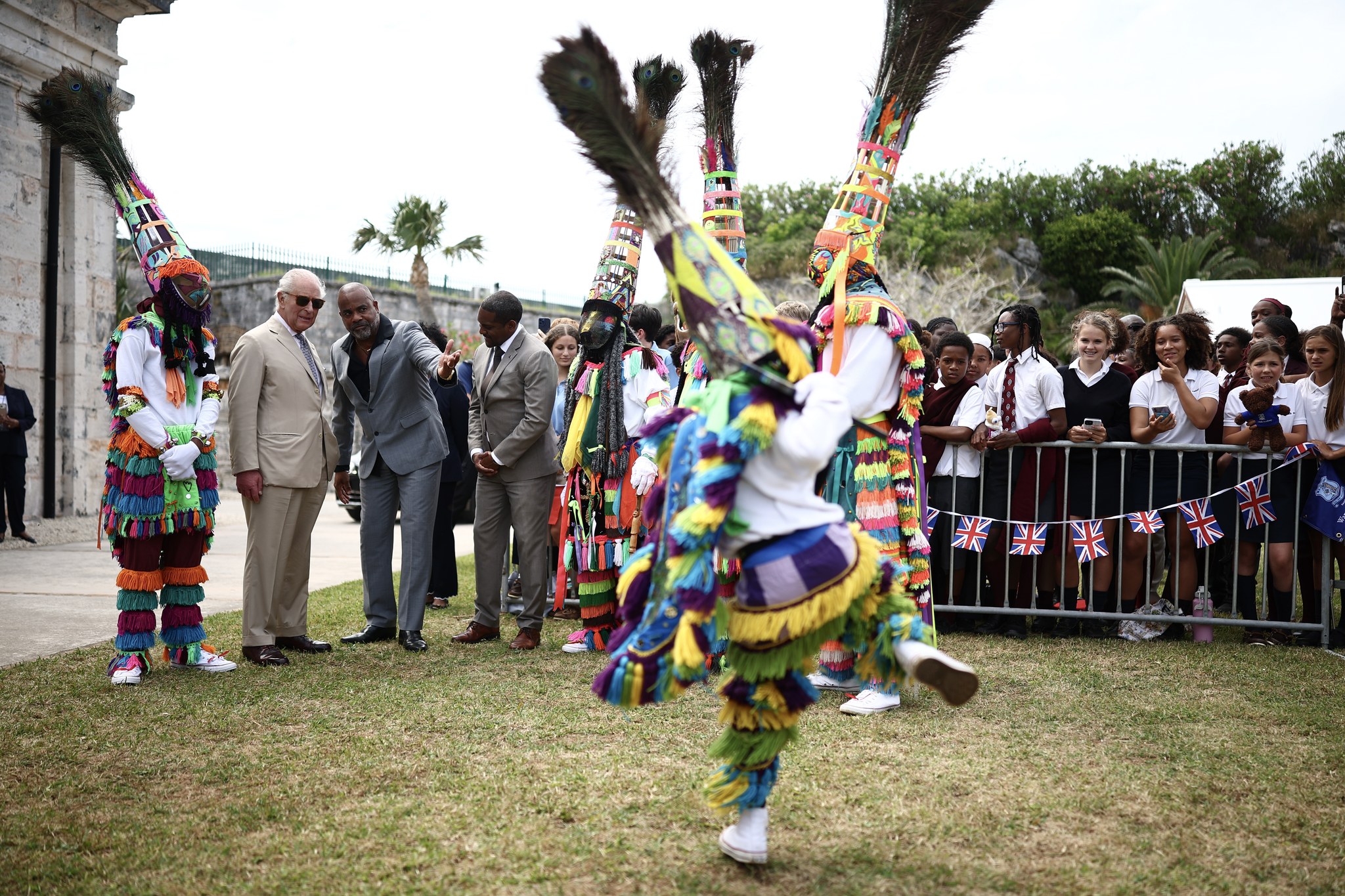
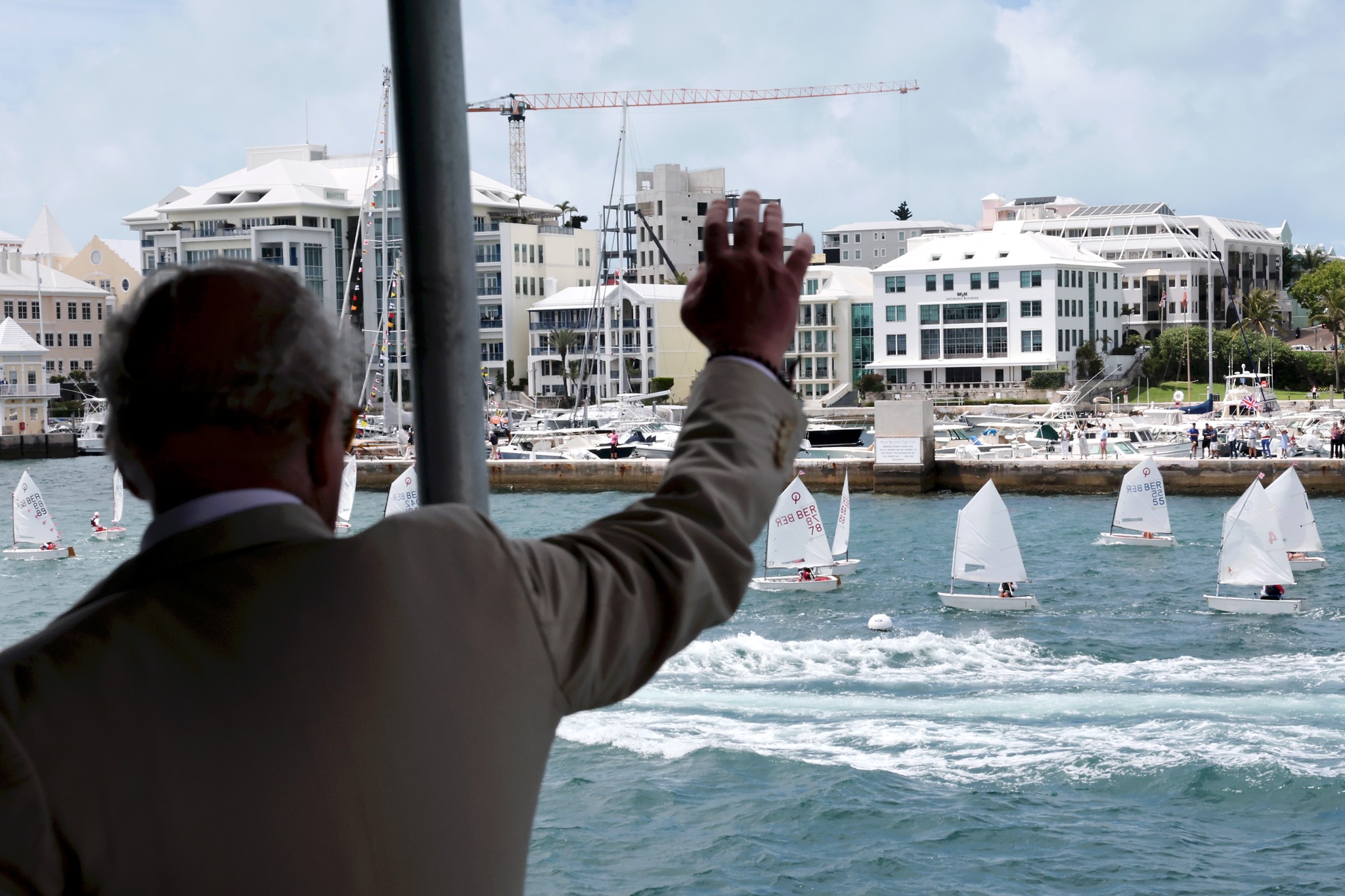
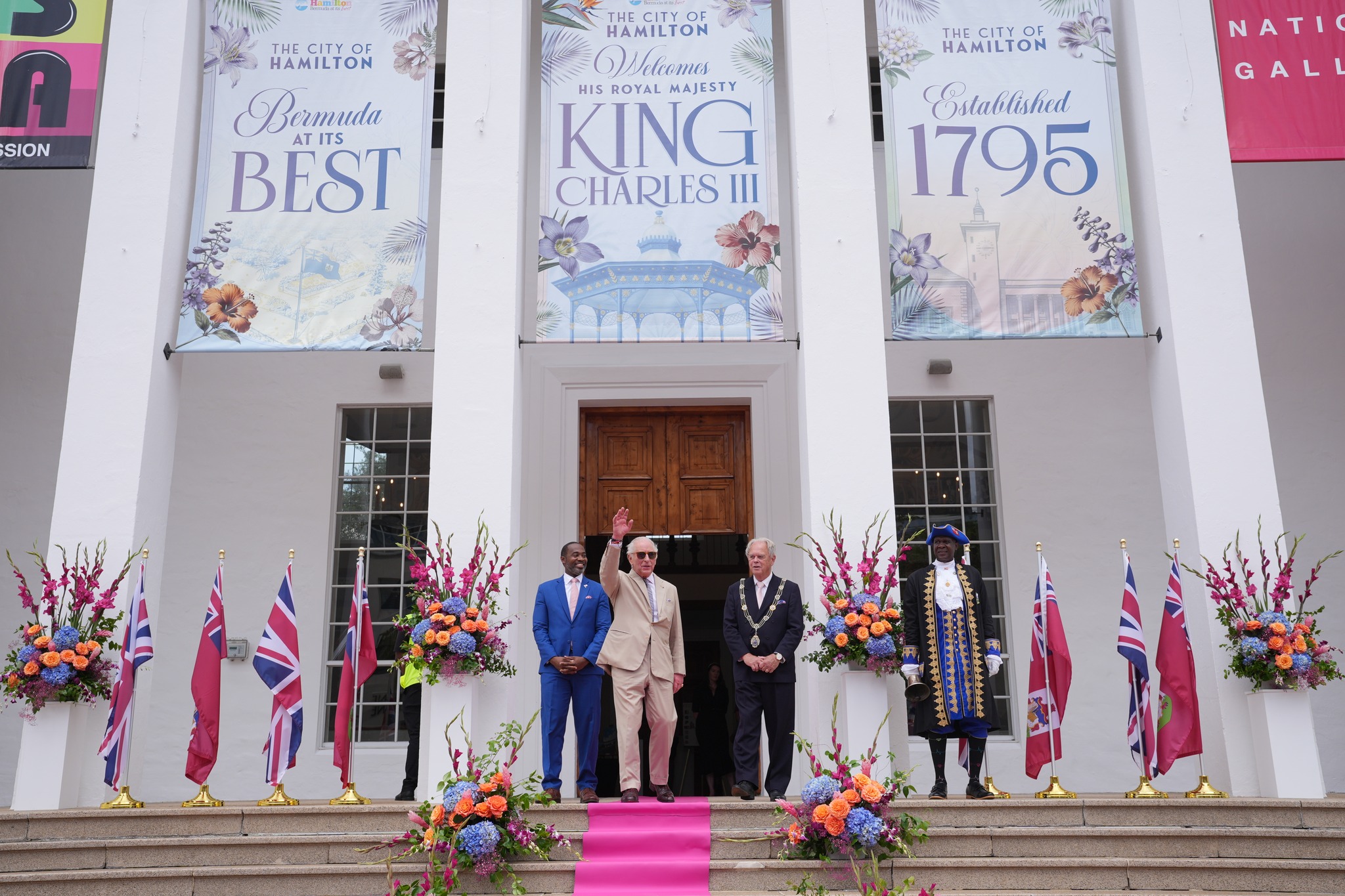
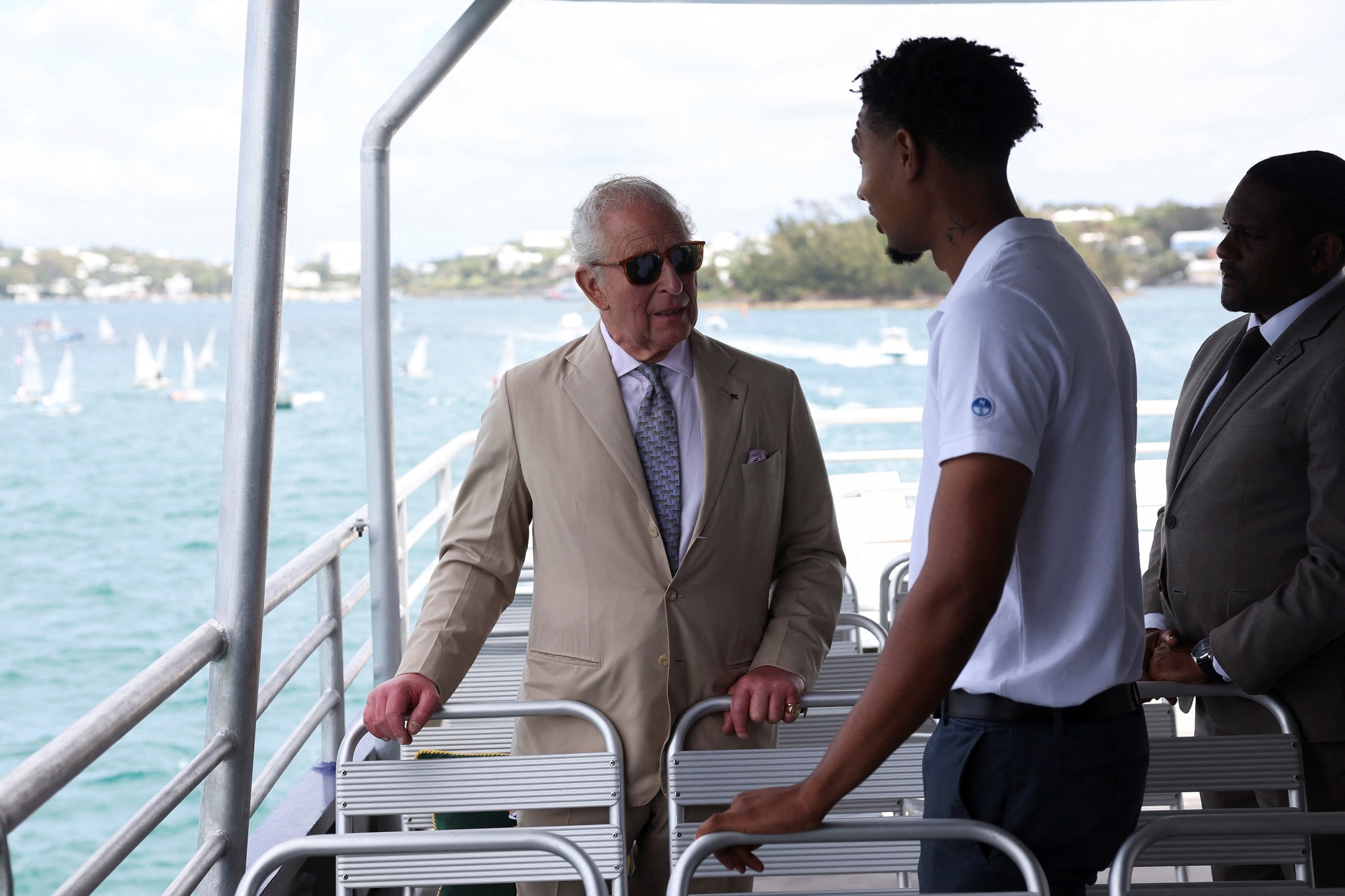
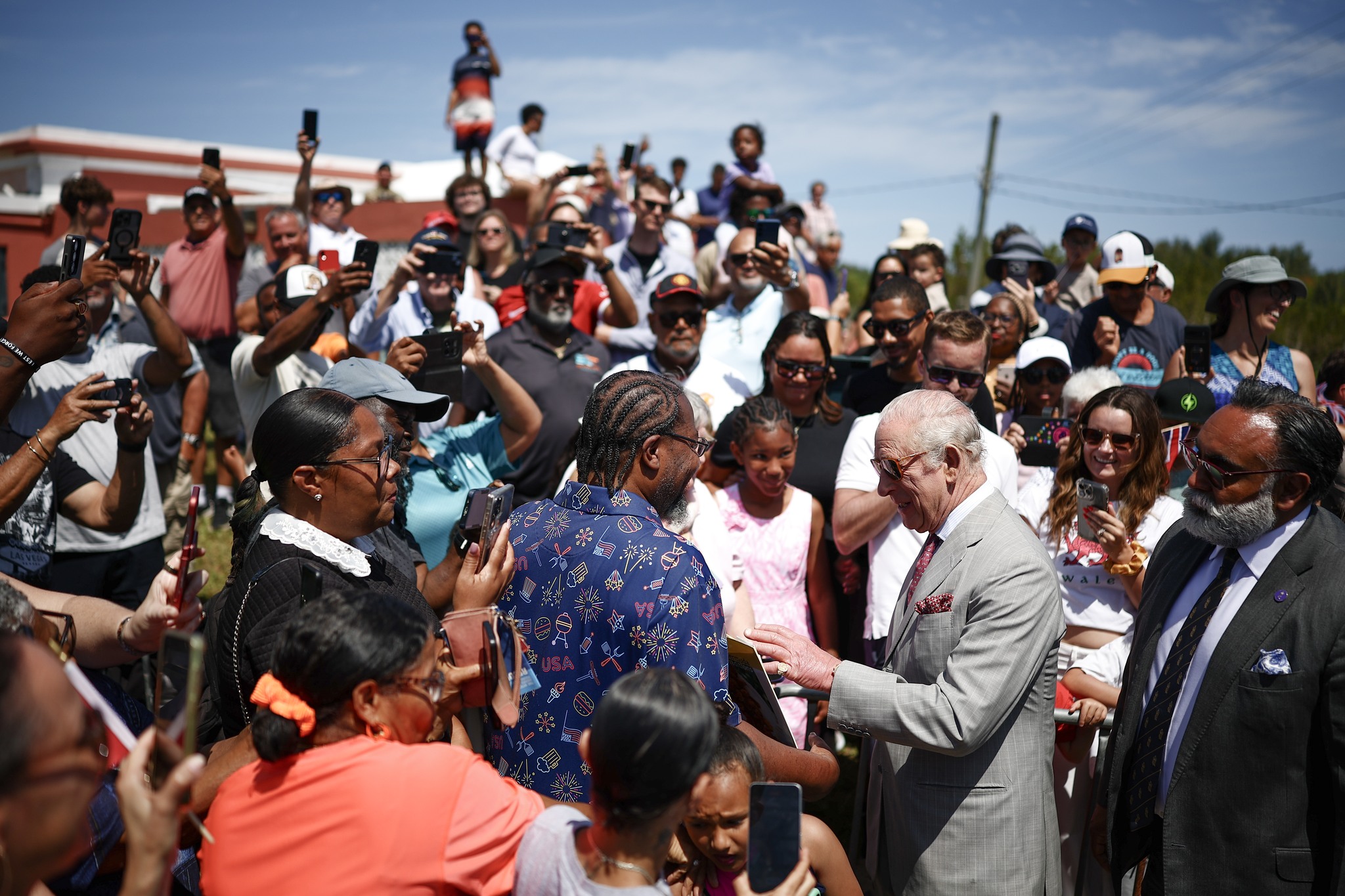
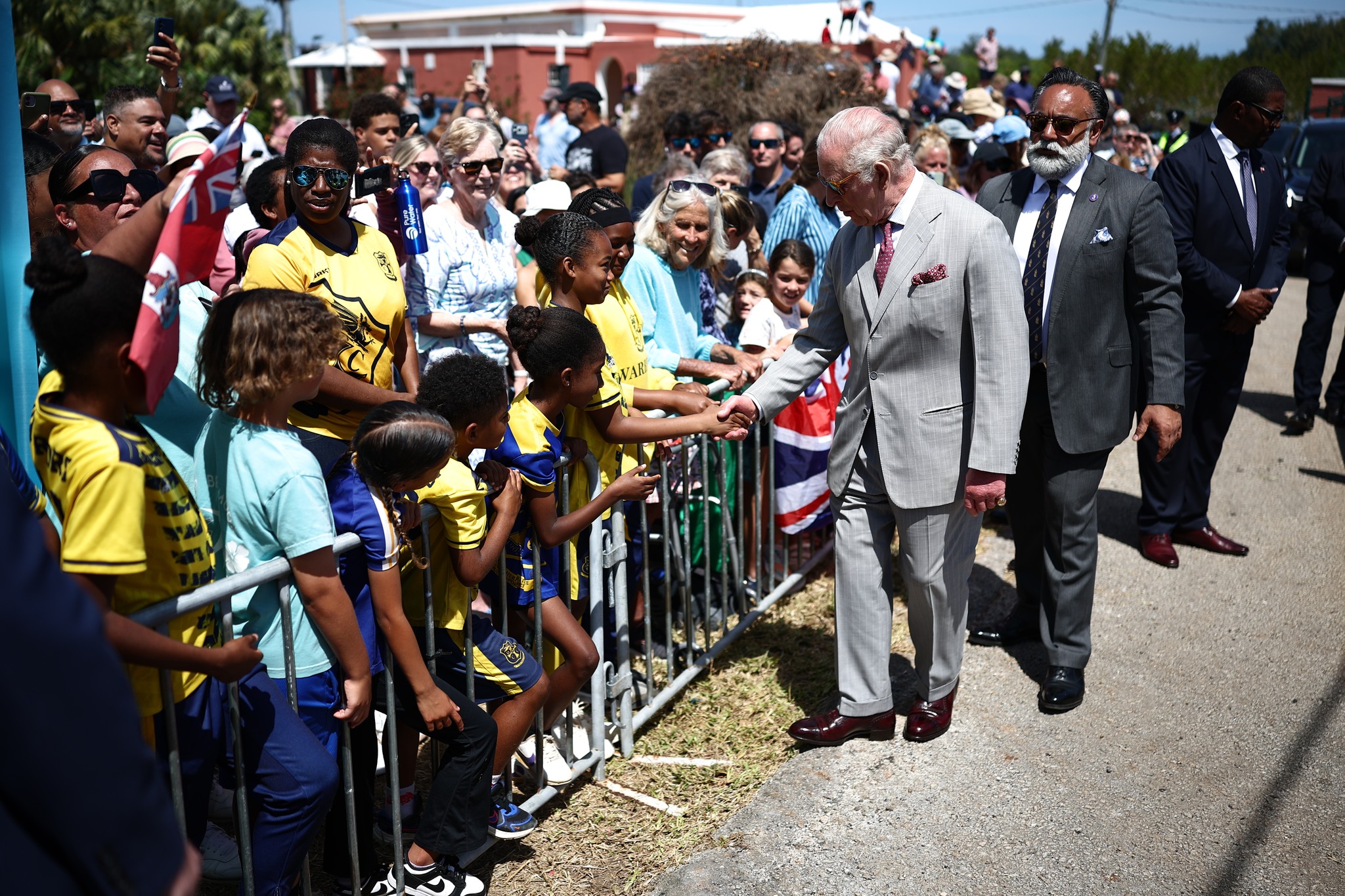
At Albuoy’s Point, the king met young sailors from the Royal Bermuda Yacht Club before travelling by ferry, accompanied by a flotilla, to the Royal Naval Dockyard.
There, he watched a performance by the National Gombey Dance Troupe, toured the National Museum of Bermuda and met athletes and youth organisations, including those preparing for the upcoming Commonwealth Games.
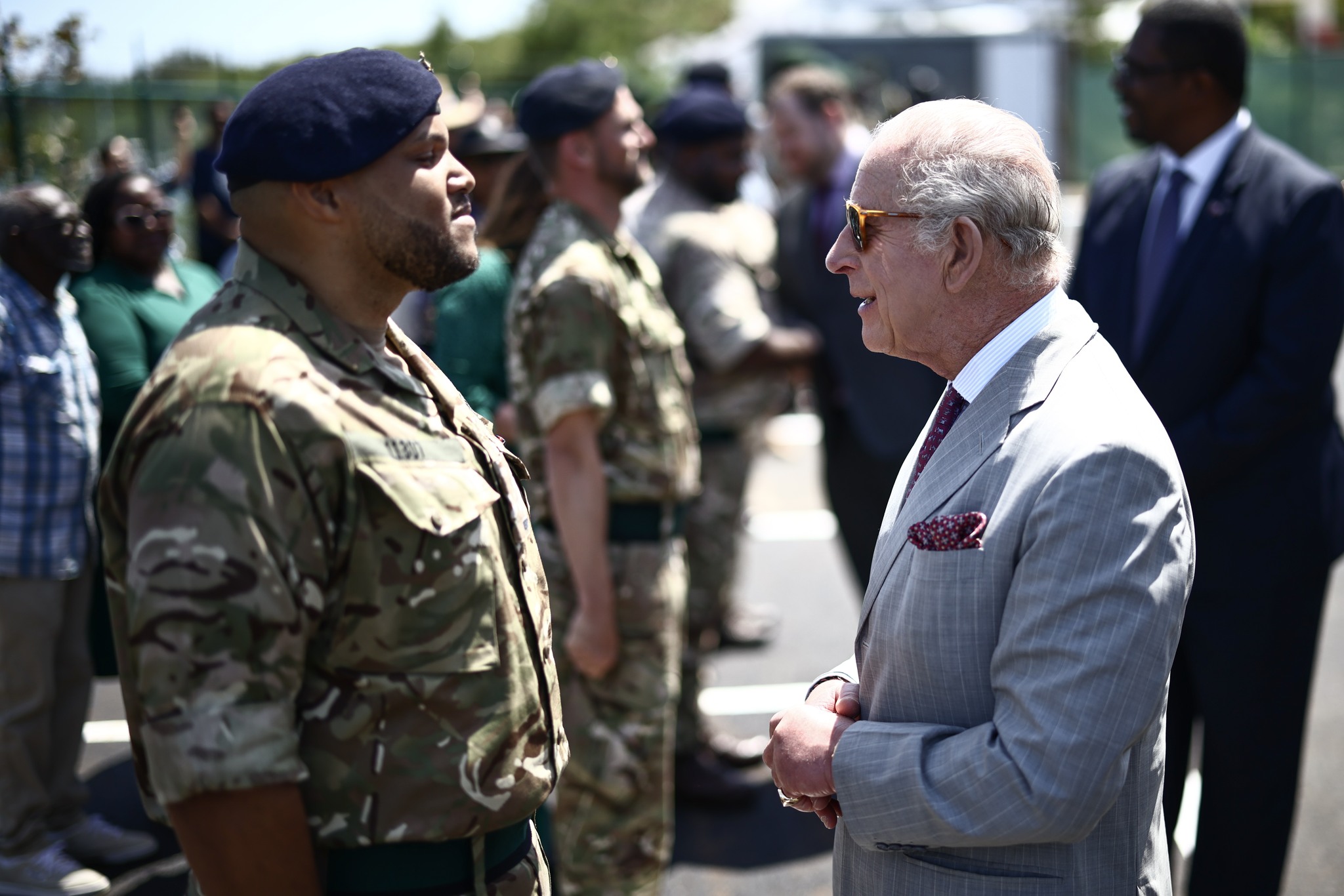
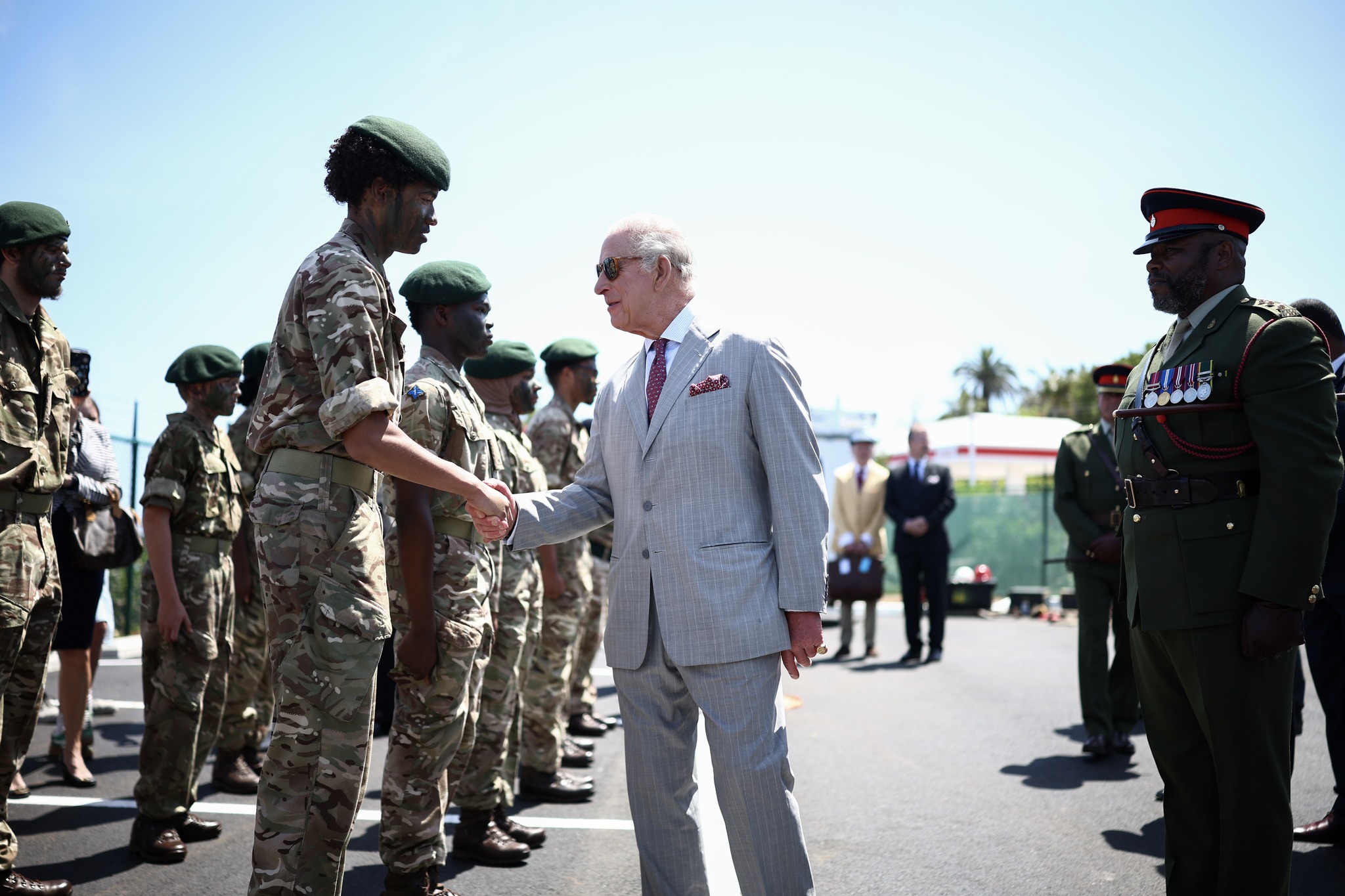
The final day of the visit turned to service, innovation and international cooperation. At Great Bay, the king formally opened a new coast guard station, recognising the role of the Royal Bermuda Regiment in protecting the island’s territorial waters.
He viewed advanced maritime technologies, including unmanned underwater and aerial vehicles, and presented Operational Service Medals to five members of the Regiment.
At a new observatory site, the king attended the launch of Project Nova, an initiative led by the UK Space Agency to establish a network of telescopes designed to track space debris.
The project, aligned with the Astra Carta environmental framework, positions Bermuda within a broader international effort to safeguard orbital space. During the engagement, the king examined a sample of space debris and heard from experts about the growing risks to satellite operations.
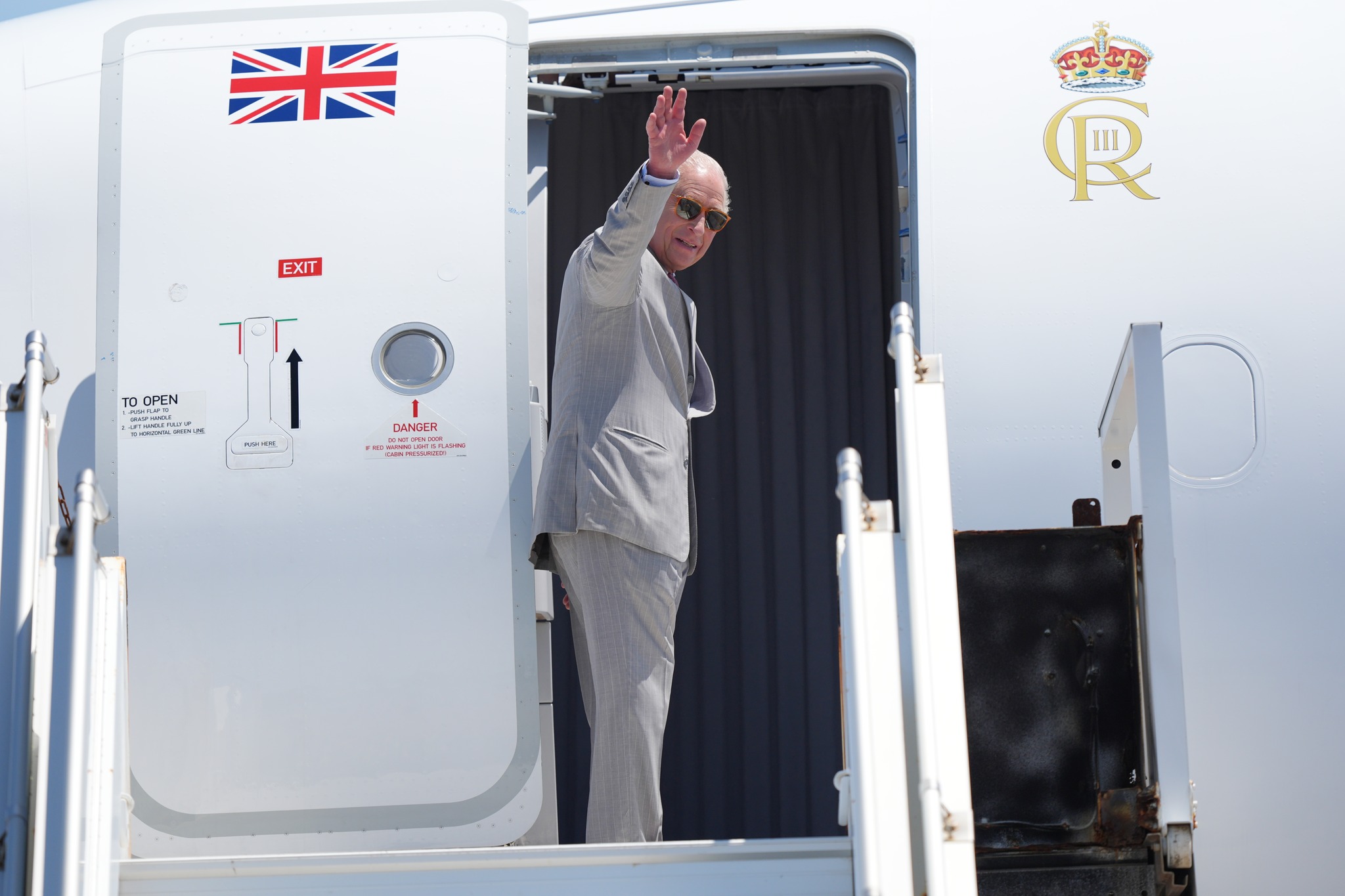
The visit concluded with a departure ceremony at LF Wade International Airport, where the king bid farewell to government officials, judiciary representatives and members of the Royal Bermuda Regiment.
Historical significance
The trip carried historical significance, as it was the first visit by a reigning king to Bermuda.
Royal visits to the island have been relatively rare. Queen Elizabeth II first visited in 1953 at the start of her coronation tour and returned several times, most recently in 2009 for Bermuda’s 400th anniversary of settlement. Charles himself last visited in 1970.
Although King Charles III has visited the Cayman Islands several times in the past, there are no confirmed plans for a return.
Related Videos