

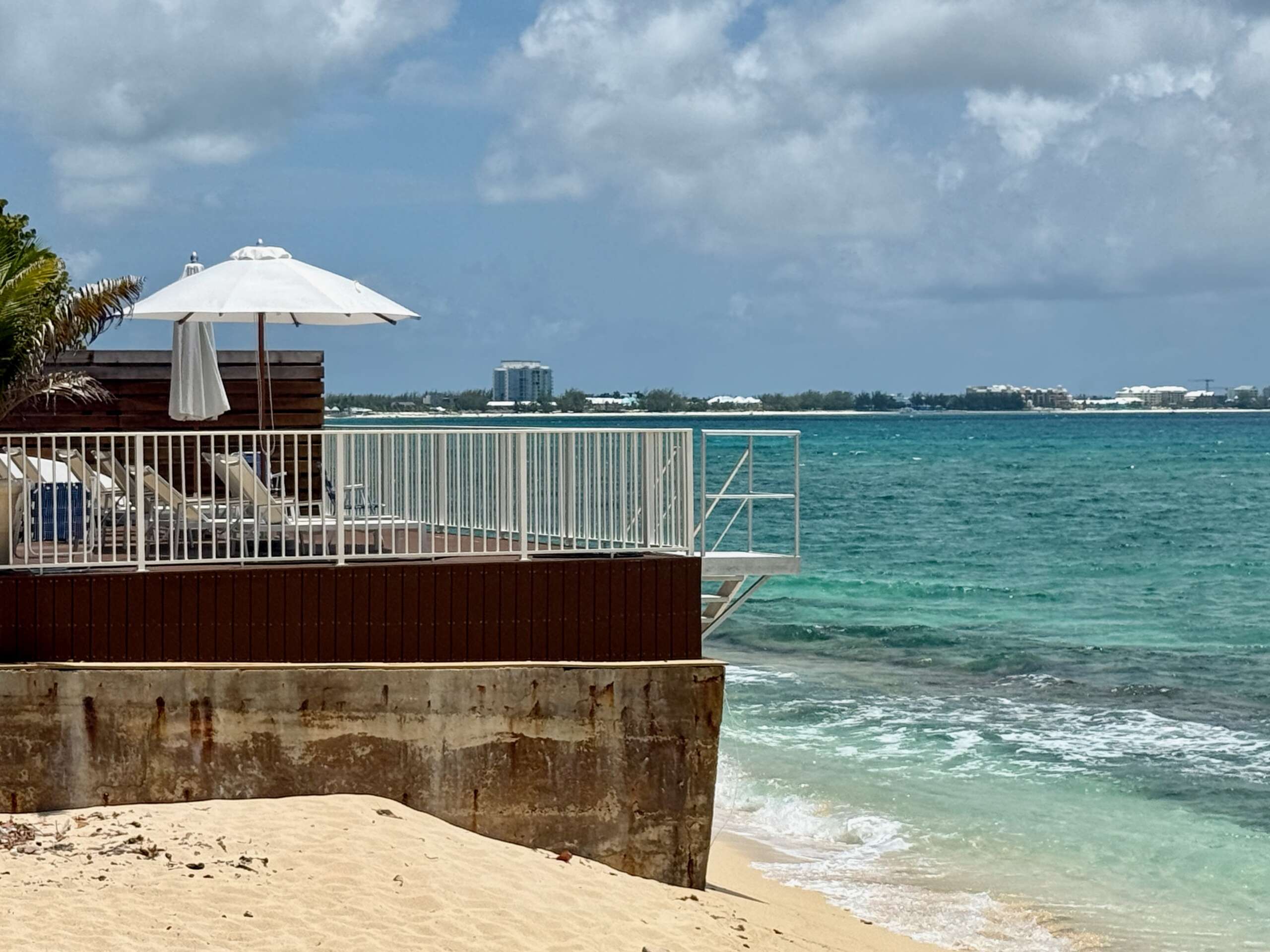
Government has stripped the Central Planning Authority of discretion to vary coastal setbacks in an effort to ensure new construction does not impact the island’s eroding beachfront.
The decision, unanimously approved in Parliament Friday, was framed by government as part of a broader effort to better protect Cayman’s coastline from erosion.
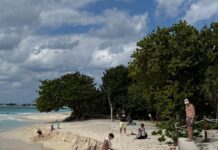
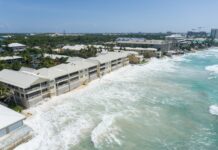
It comes amid concern over significant loss of sand along Seven Mile Beach, where a major sand replenishment project is being contemplated to help restore Cayman’s main tourist attraction.
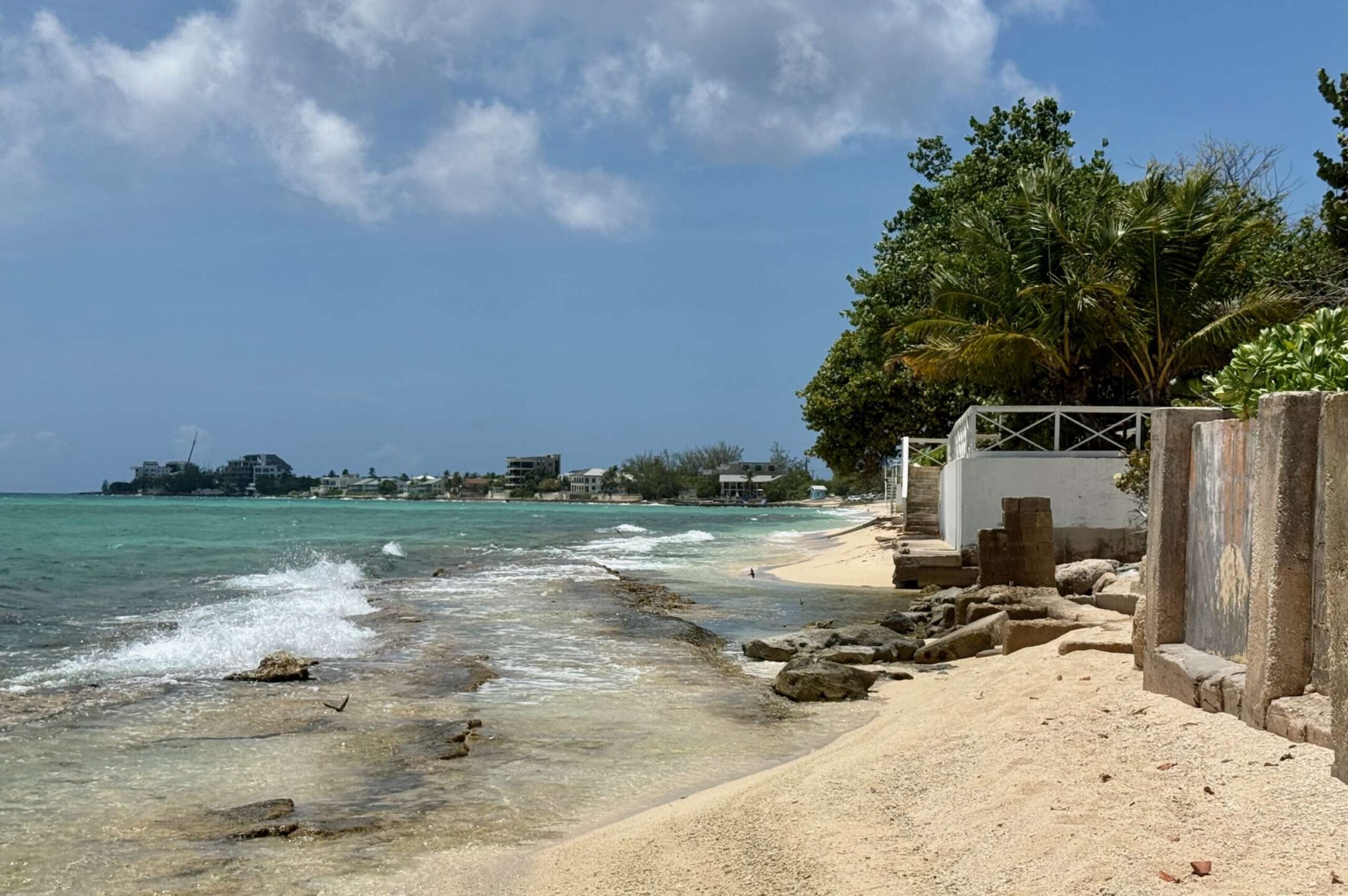
Planning Minister Jay Ebanks said the hardline on coastal setbacks was necessary, in part, to prevent landowners from building on the newly restored beach. There was no update on the status of the replenishment plan, however, and no public funds were allocated for that in the two-year budget period through the end of 2027.
The Compass understands separate regulations are also being drafted which would standardise the line from which those setbacks are measured.
A government task force report, obtained by the Compass under the Freedom of Information Act, previously revealed that the baseline from which setbacks are calculated is so misleadingly measured that in some cases it falls under several feet of water, allowing developers to build closer to the sea than the rules intend.
Speaking in Parliament Friday, Ebanks said the overall aim was to learn from the mistakes of the past and ensure any coastal building was far enough from the water that it did not contribute to erosion.
“We have heard for too long about our coastline. “We see what building close to our waterline has done.
“We see what is facing us right now on Seven Mile Beach when it has to come back about putting more sand on the beach,” he said.
“Individuals that have built too close to the beach have lost the most beach in their area.”
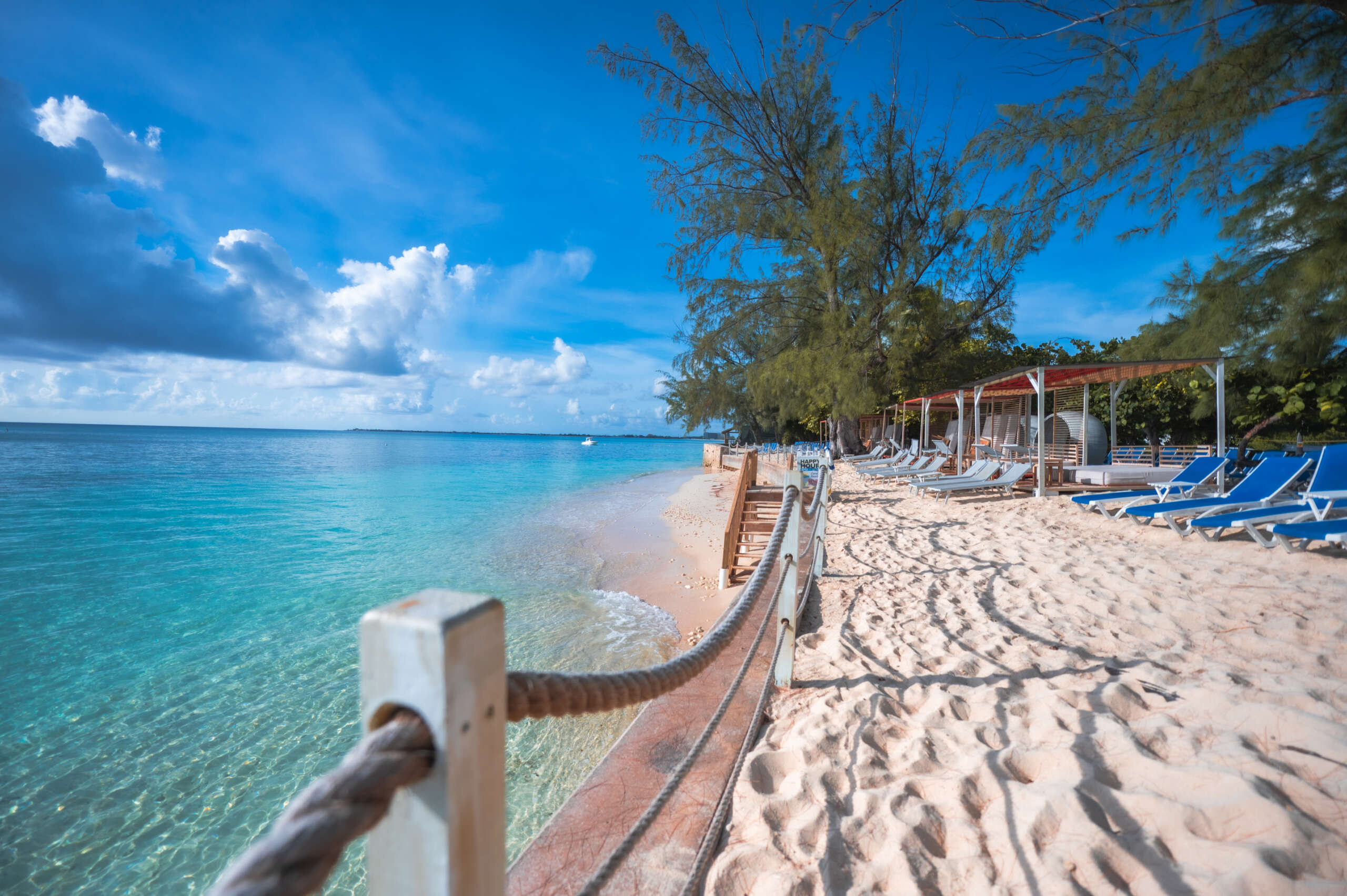
The amendment removes the CPA’s ability to make discretionary exceptions on a case-by-case basis.
Setbacks vary across the islands depending on zone and shoreline type, but in a Hotel/Tourism zone such as Seven Mile Beach, the prescribed minimum is 130 feet from the high water mark.
Ebanks warned that the replenishment process would be undermined if coastal landowners were then permitted to develop on newly deposited beach.
“The last thing I want is for the Minister of Tourism to go out there and try to build back the beach, and as soon as we get a good beach back it is just built out another 100 feet,” he said.
“This will take that discretion out of that. That won’t happen again.”
He said further change was still needed to put a fixed line in place from which setbacks will be measured.
Currently the line is evaluated on a property-by-property basis using a survey of the mean high-water mark.
Landowners have six months to have the survey taken and have previously exploited the dynamic nature of the coastline to obtain favourable setback lines.
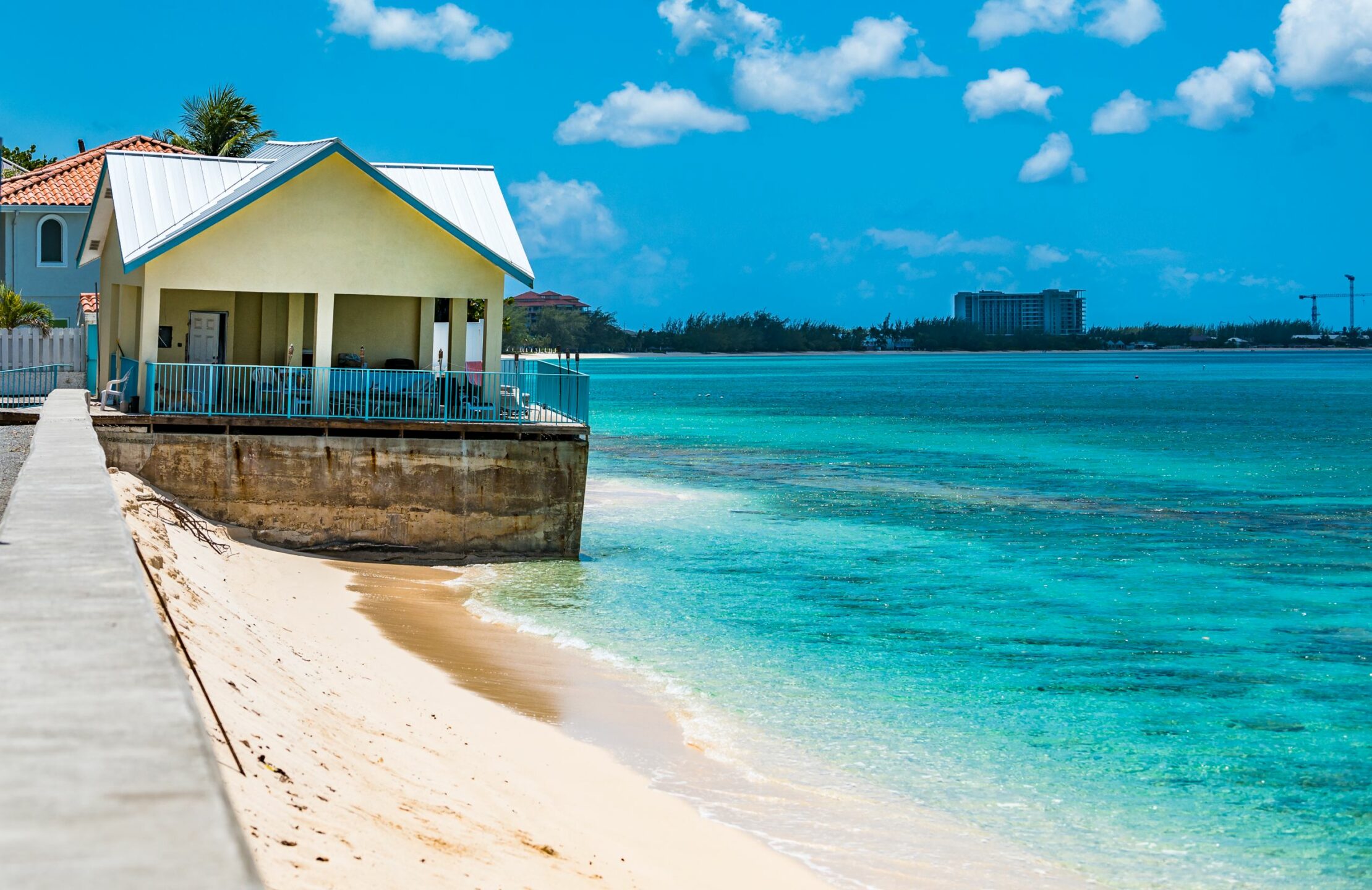
In one well documented case, on Boggy Sand Road, a survey was registered in the aftermath of a tropical storm when the beach was plentiful, according to previous Compass reporting.
By the time a planning application was submitted, the beach had retreated 31 feet, but the survey line, by then under several feet of water, remained valid.
A new structure has since appeared on that same property, though on a smaller scale than its predecessor.
The motion to remove CPA discretion to vary setbacks passed without opposition.
Leader of the Opposition Joey Hew raised questions about how the change would be applied to owners of structures such as pools or decks built legally under previous regulations who now want to enhance them or build ancillary structures. He said he supported a standardised setback measured from a fixed vegetation line rather than the shifting high-water mark.
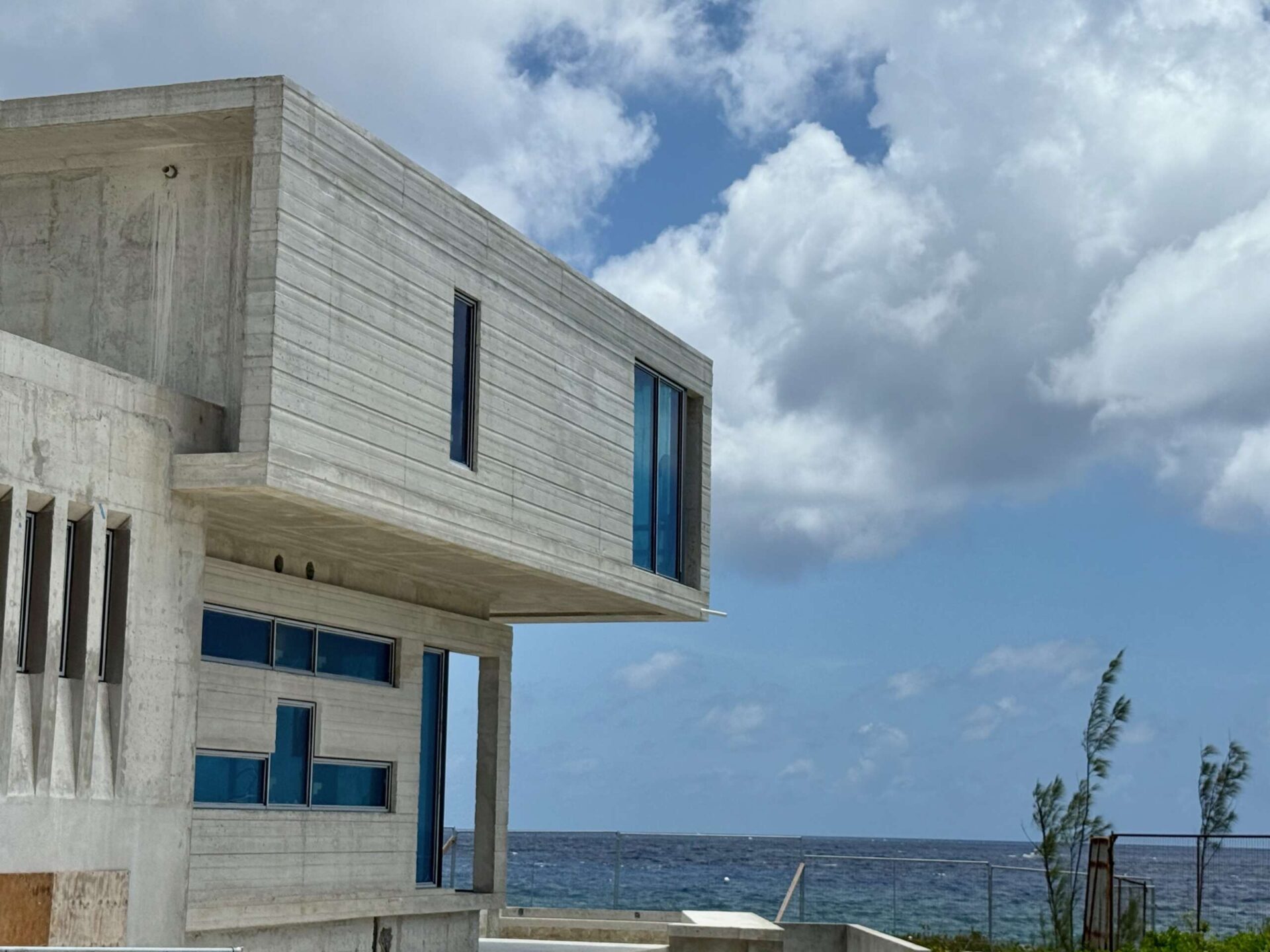
It is unclear whether properties already built under prior variances would be grandfathered if owners sought planning approval to rebuild or extend on the same footprint.
There was no timeline or update given on plans to replenish the beach. Nothing was budgeted in the 2026 and 2027 financial years for the project, though government has indicated it believes a private sector consortium could fund the work.
Related Videos








This is a great move, even if only a prelimimary or interim one.
I look forward to seeing the new Regulations, including new intellegent “reference point” adopted soon, AFTER a reasonable period of public consultation.
Happy to see this Government dealing with this loose-end, even if late. Thanks.
Who changed the definition of the meaning of the high water mark? My father who is now 95 years old taught us that the high water mark is where the vegetation stops growing.
This is a good start. But We need to lobby this Government to prioritize the completion of a proper Development Plan for the Cayman Islands.