Emergency services dispatchers say 911 callers need to inform them of their location to get help on the way as quickly as possible.
Jenelle Crooks, an operator at the Department of Public Safety Communications, said people often assumed the service knew the location, or were unable to remember important details under stress.
She added, “A lot of persons think we automatically know where they are when they call because some will call and say, ‘you know where I am – you can see it on the screen’.
“No, we can’t see, unfortunately. We don’t have that technology yet, so we don’t know where you are. So when we ask where you are, just give us the location.”
She added, “If some persons don’t exactly know their address, we say ‘what is the street you are on?’. We will ask questions like ‘all right, which house down on that road? Are you the second house down, the third house down … so we can try and get the closest house to you if you can’t get the exact address.”
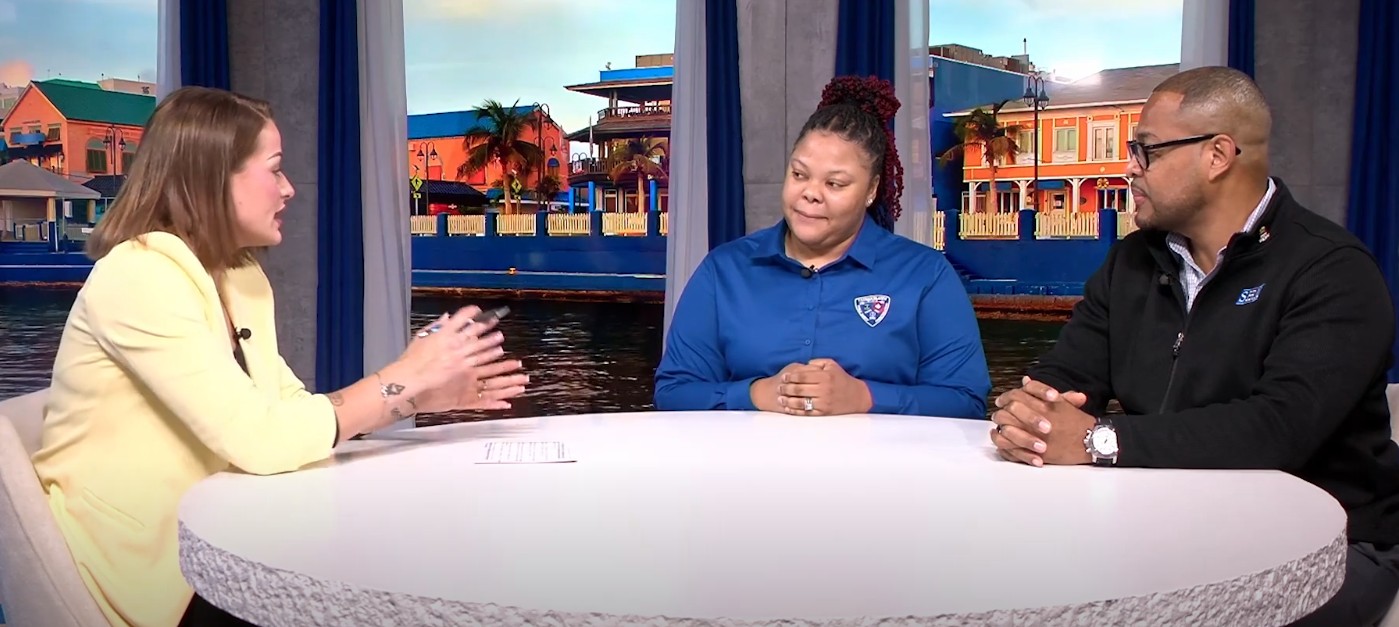
Crooks was speaking as she appeared with department director Sean Vasquez on Compass TV’s Daybreak show on Thursday, 14 May.
“When callers are facing an emergency, they can be very frantic, hyperventilating and it delays dispatch a lot because it wastes time,” Crooks said. “But I can’t be illogical and say ‘don’t call us and be frantic’ because you’re having an emergency. In that situation, we do have to empathise with you.
“But it’s our duty to get the necessary information, the pertinent details, so that we can coordinate … and dispatch the relevant responders to that call.
“And so, the first thing that we want persons to know is that where you are really matters. That’s the primary information that we need – your location.”
Vasquez highlighted that the department did not just handle 911 calls, but kept tabs on people wearing electronic monitoring tags, the national CCTV system and the national emergency radio station, as well as the tsunami warning centre and earthquake alerts.
He said the department carried out regular exercises with partner agencies in preparation for natural or manmade disasters.
Operating in a ‘high-stress’ environment
Vasquez said the service handled hundreds of calls a day and operated in a high-stress environment.
Vasquez told the public, “I mean, you’re calling 911 on your worst day, so these guys take the first brunt of every anxiety; you can call it excitement, you can call it trauma, daily, hourly, by the minute … these guys are exposed to second-hand trauma all day.”
He added that dispatchers, in addition to calming down callers, were trained to offer potentially life-saving advice on techniques such as CPR and dealing with major bleeding as emergency services raced to the scene.
Crooks said, “Essentially, we know how to separate our emotions from the job because it’s something that we’re trained to do.
“So, whenever we receive a call, we have to be that voice of command; we can’t necessarily put ourselves in the situation. We just have to know that, hey, we are the persons that are there to give you help, to send help to you, and to attend to you before the responders get there.”
She explained that dispatchers’ responsibility did not end when the first emergency services vehicles’ rubber hit the road.
Crooks said, “We have to give you care before they get there and so we are trained to do that.”
Related Videos