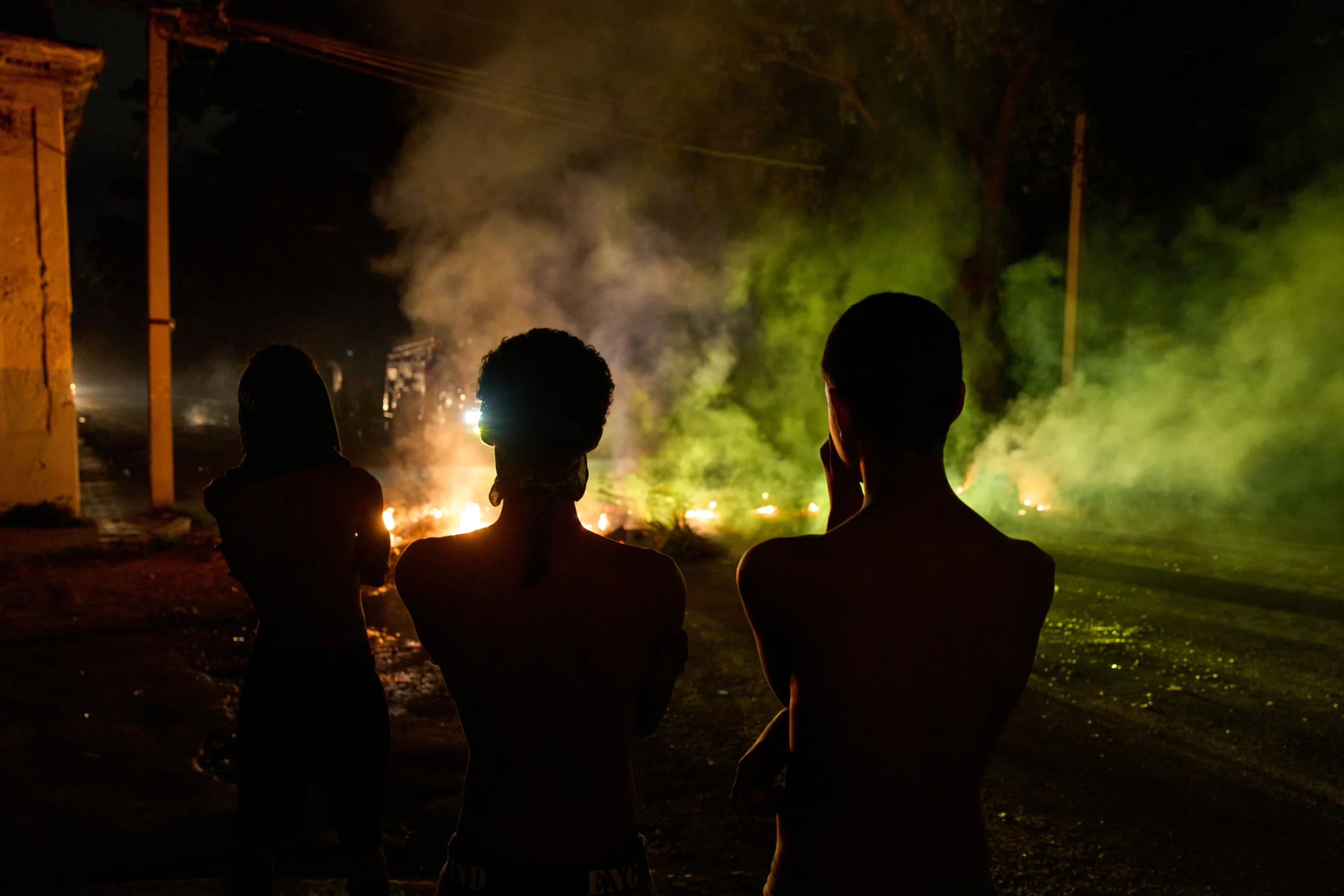
Cuba is once again grappling with widespread blackouts and severe fuel shortages amid growing uncertainty following new US sanctions, a visit by the CIA, and allegations surrounding Cuba’s reported acquisition of military drones.
On 13 May, Cuban President Miguel Díaz-Canel blamed the electricity crisis on US sanctions and what he described as a “genocidal energy blockade.”
In a statement posted on X, he referred to “brutal measures of economic and energy strangulation” while insisting Cuba remained resilient despite mounting hardships.
On the same day, the Trump administration publicly offered Cuba US$100 million in humanitarian assistance to be distributed through the Catholic Church and independent aid organisations.
Cuban officials signaled cautious openness to the proposal while arguing that easing sanctions would do far more to alleviate suffering on the island.
Díaz-Canel said Cuba would not reject humanitarian assistance offered “in good faith,” but argued that the country’s deepest problems stem from the tightening US embargo and sanctions regime.
Growing pressure
Díaz-Canel’s remarks came as Washington continues to escalate pressure on Havana under President Donald Trump’s renewed ‘maximum pressure’ strategy following his return to office.
On 1 May, the White House issued Executive Order 14404, expanding sanctions against Cuba by authorizing asset freezes and travel bans targeting individuals, companies and financial institutions linked to the Cuban government, including its energy, defense, financial and security sectors.
The order also grants the US Treasury and State Departments broad authority to target foreign banks and entities that facilitate transactions with sanctioned Cuban actors.
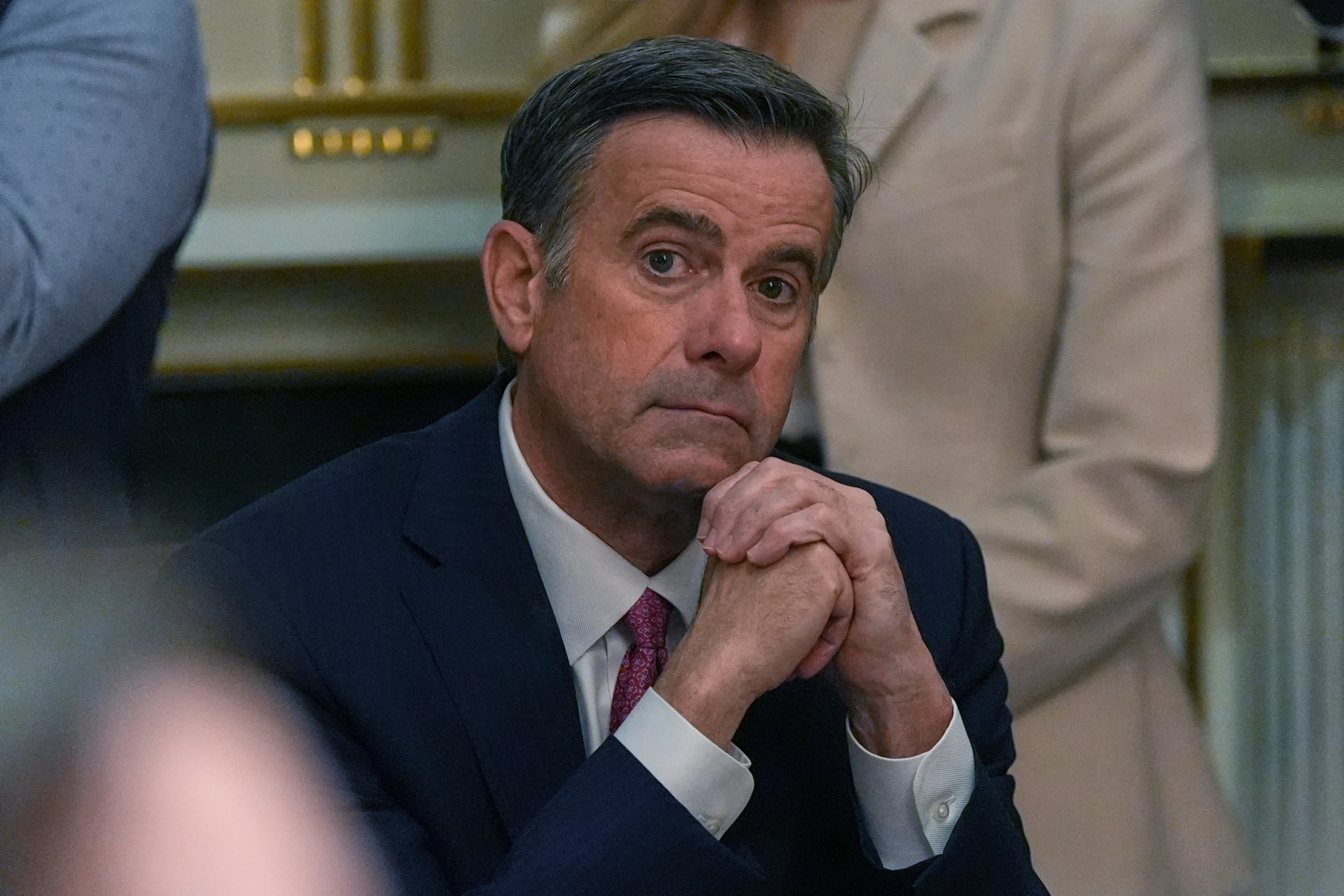
Amid the escalating tensions, the Cuban government confirmed that a US delegation headed by CIA Director, John Ratcliffe, visited Havana on 14 May at Washington’s request for talks with Cuban officials.
In a statement, Cuba said the meeting took place “in a context characterized by the complexity of bilateral relations” and was aimed at contributing to political dialogue between the two countries.
Cuban authorities said they used the meeting to reiterate that Cuba does not threaten US national security and should be removed from the US list of state sponsors of terrorism.
A CIA official later told the Associated Press that Ratcliffe was in Havana “to personally deliver President Donald Trump’s message that the United States is prepared to seriously engage on economic and security issues, but only if Cuba makes fundamental changes.”
The visit was quickly followed by further signs of escalating pressure from Washington.
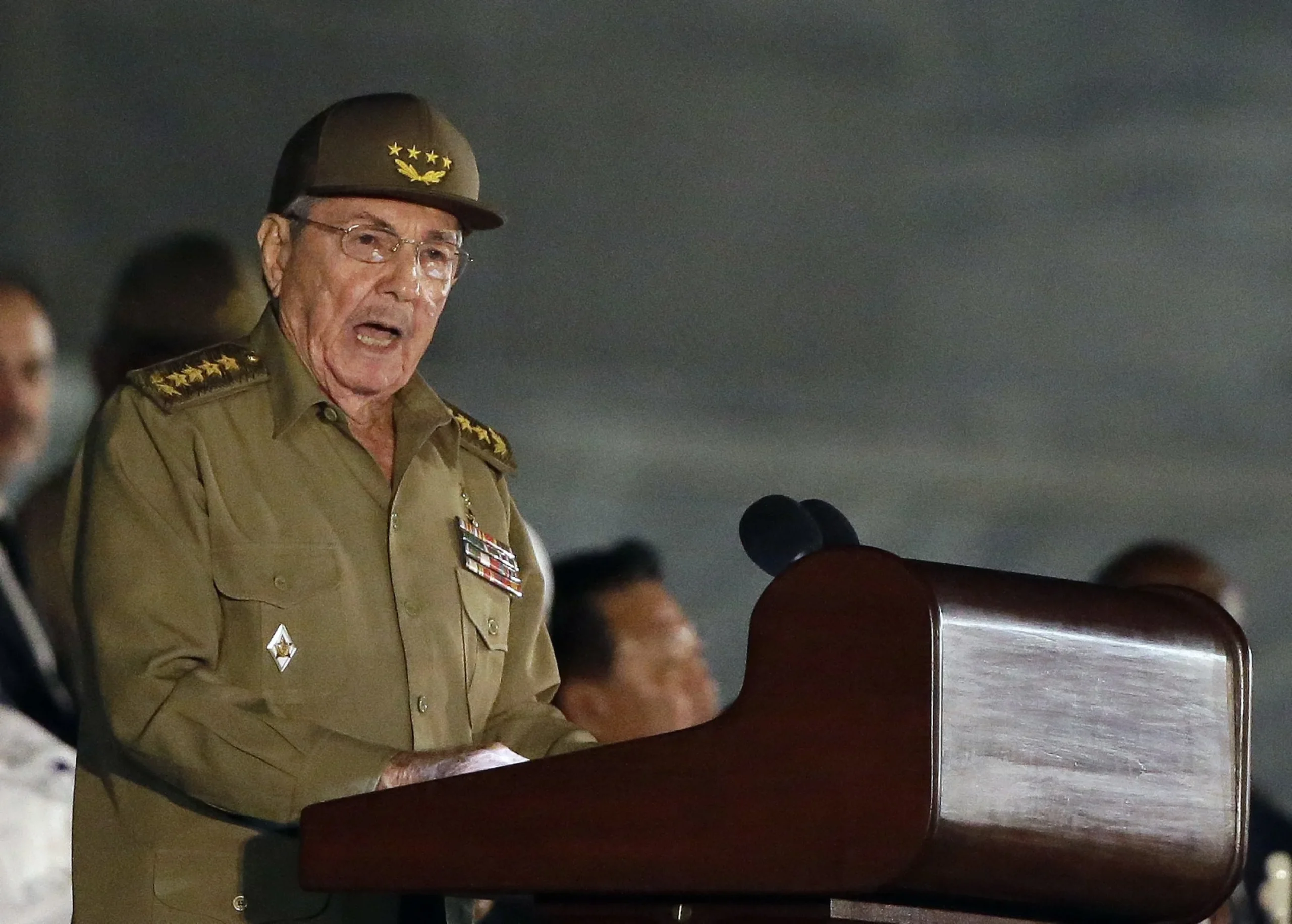
The following day, reports emerged that the Trump administration was considering a criminal indictment against former Cuban leader Raúl Castro over the 1996 shootdown of two Brothers to the Rescue planes, an case that has long strained US-Cuba relations.
That same day, Lianys Torres Rivera, Cuba’s top diplomat in the United States, told The Hill that Cuba’s independence was “not up for negotiation” and confirmed that the government was conducting military drills in preparation for a potential invasion.
She also insisted Cuba was not seeking direct confrontation with Washington.
“It’s not that we are preparing to be the first to do any action against the US territory or against the US people,” she said. “We don’t want that. We are preparing to defend ourselves.”
Adding to the tensions, on 17 May, Axios reported that US intelligence officials believe Cuba has acquired more than 300 military drones from Russia and Iran since 2023 and has discussed possible wartime scenarios involving Guantánamo Bay and US military assets.
Cuba has not denied possessing drones but has strongly rejected suggestions that it poses an offensive threat to the United States.
In a statement published on X, Cuba’s embassy in Washington said, “Like any country, Cuba has the right to defend itself against external aggression. It is called self-defense, and it is protected by International Law and the UN Charter.”
Cuban Deputy Foreign Minister Carlos Fernández de Cossío accused the United States of intensifying efforts “hour by hour” to justify possible military action against the island, calling the allegations “increasingly implausible.”
Related Videos