At a glance:
- Loss of Venezuelan oil and restricted fuel imports have triggered nationwide blackouts, disrupting transport, food distribution and healthcare.
- Russia resumed oil shipments, China is providing food aid and backing solar energy, while Mexico and CARICOM are coordinating humanitarian assistance.
- President Miguel Díaz-Canel is pushing economic changes and limited private-sector expansion as the crisis reshapes policy at home.
As Cuba’s social and economic crisis deepens, the island is increasingly relying on a range of international partners – including Russia and China – for energy shipments, humanitarian assistance and diplomatic support.
At the centre of the crisis is a sharp escalation in US policy.
Since returning to office, President Donald Trump has used a “maximum pressure” campaign on Havana, signing a January executive order declaring a national emergency over alleged ties to hostile powers and threatening tariffs and reprisals against countries supplying oil to the island.
The result has been a dramatic tightening of Cuba’s energy lifeline.
Oil shipments from Venezuela – long a critical supplier – were cut off earlier this year following the ousting of President Nicolás Maduro by the United States.
With Cuba relying on imported fuel for the vast majority of its electricity, the impact has been immediate: nationwide blackouts, transport disruptions, a severe strain on food distribution and a struggling healthcare system.
The United Nations reported three nationwide outages in March alone, leaving more than 10 million people without power for extended periods.
Washington disputes the idea that its actions are to blame.
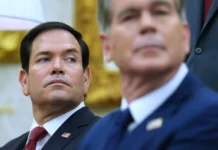
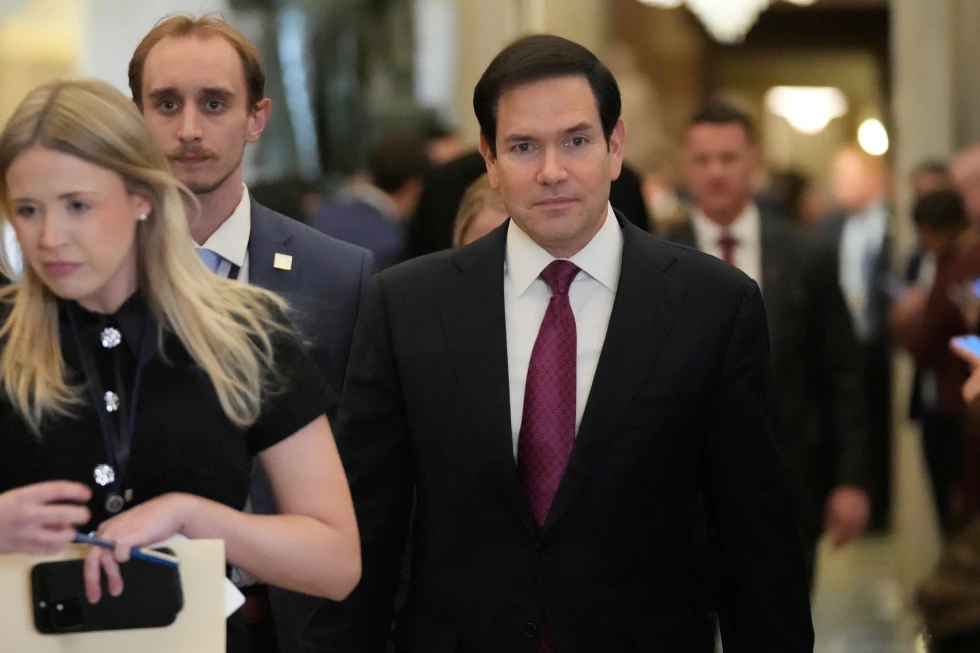
In an interview with Al Jazeera on 31 March, US Secretary of State Marco Rubio said the United States had done “nothing punitive” to Cuba, arguing that the island’s humanitarian crisis predates the current administration’s policies.
“Their system doesn’t work,” Rubio said. “It’s completely dysfunctional. It’s just not a real system, and you can’t change it unless you change the government.”
He pointed instead to the loss of Venezuelan oil subsidies as the primary driver of the crisis, saying, “The only thing that’s changed for the Cuban regime is they’re not getting free Venezuelan oil anymore,” Rubio said. “They’re not getting subsidies anymore. That’s the only thing that’s changed.”
Rubio dismissed claims that US actions were behind the recent blackouts, attributing them to outdated infrastructure and long-term mismanagement.
Nevertheless, calls from across the global community – and increasingly within the United States – suggest current US policy has led to a rapidly unfolding humanitarian crisis. Against that backdrop, the island is drawing increased support from a range of countries, including longstanding partners Russia and China.
Russia and China
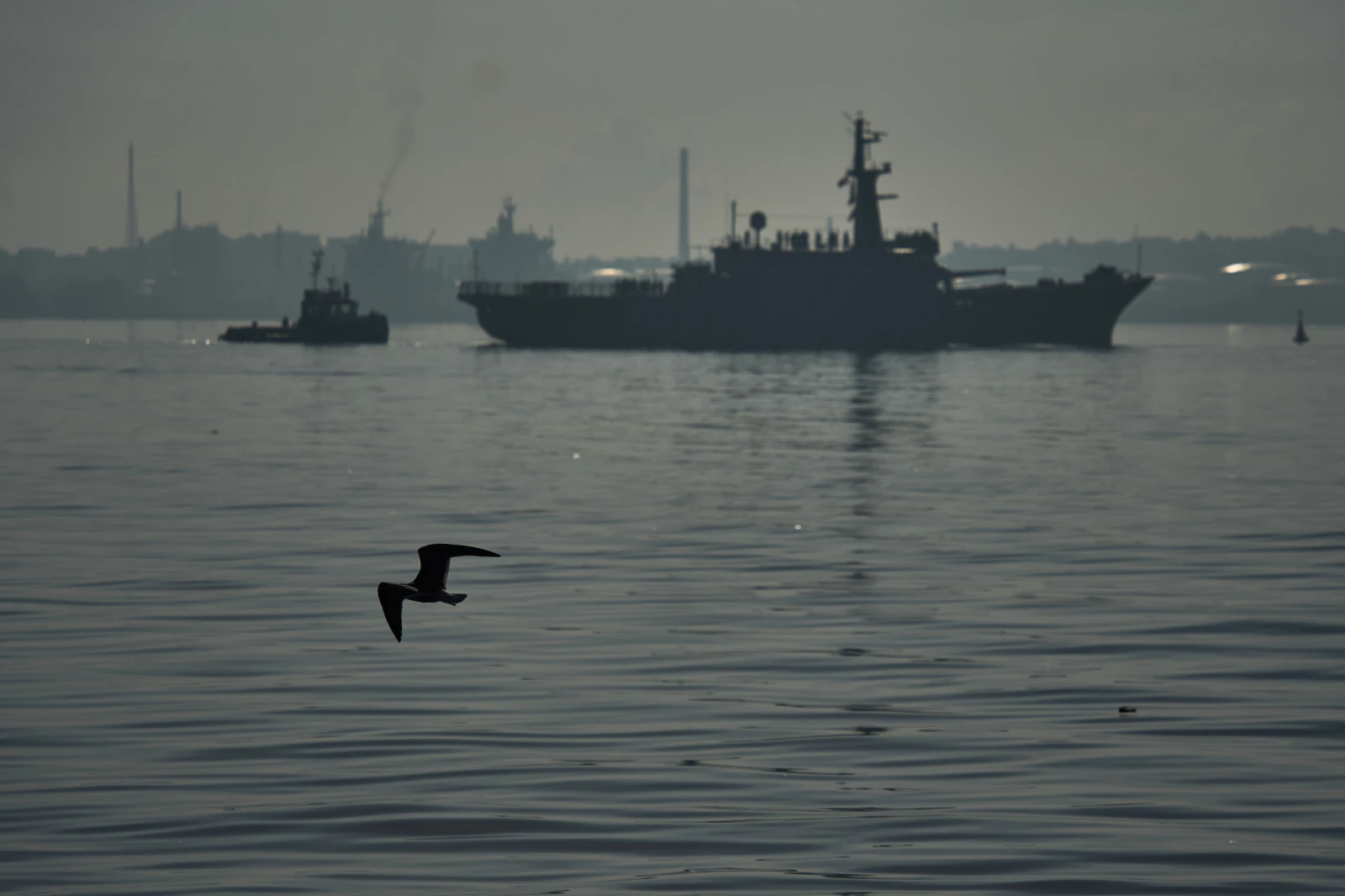
In late March, a Russian oil tanker, the Anatoly Kolodkin, arrived in Cuba carrying roughly 700,000 to 730,000 barrels of crude, the first major delivery to reach the island in three months.
Moscow has since signalled it will continue supplying fuel, with a second tanker now being prepared, positioning itself as a critical lifeline as Cuba struggles through widespread blackouts and fuel shortages.
China, meanwhile, has paired political backing with material support. In a formal statement on 31 March, Foreign Ministry spokeswoman Mao Ning called on Washington to “immediately cease the blockade and sanctions against Cuba,” describing them as coercive measures that violate sovereignty.
Beijing has delivered humanitarian aid, including a shipment of 15,600 tons of rice, underscoring what it described as solidarity with the Cuban people.
China’s engagement has also extended to the energy sector through the backing of solar projects in an effort to help reduce the island’s dependence on fossil fuels.
Chinese-backed solar installations could already be supplying as much as 10% of Cuba’s electricity, estimates suggest.
The Americas
Mexico has taken a leading regional role in the provision of humanitarian aid and other support to Cuba.
More than 3,000 tonnes of Mexican humanitarian aid have been shipped to Cuba, with a fourth vessel having arrived on 2 April. The Mexican government is also preparing a 588 million peso (US$35 million) donation programme aimed at boosting food self-sufficiency and creating rural jobs on the island.
At the same time, President Claudia Sheinbaum has opted to maintain Cuban medical brigades in Mexico, even as other countries in the region have scaled back such arrangements. She has also signalled that Mexico could resume oil shipments to Cuba, either as humanitarian assistance or on a commercial basis.
A broader regional response is taking shape through CARICOM, whose 15 member states have agreed to coordinate a collective humanitarian shipment.
The initiative will include essential food items, such as rice, beans and flour, along with baby formula, medical supplies, solar panels, batteries and water tanks. The effort is being coordinated by the CARICOM Secretariat in Georgetown, Guyana, with Mexico supporting logistics by identifying suppliers and providing free shipment from Mexican ports to Cuba.
The Cayman Islands has yet to announce any coordinated government effort to provide humanitarian aid or other assistance to Cuba, although residents and NGOs on Grand Cayman have arranged some relief shipments.
The United Nations
The United Nations has spoken out about the humanitarian consequences of the current situation, warning that ongoing fuel shortages could trigger a “rapid deterioration” in conditions on the island.
A US$94 million plan has been proposed to secure humanitarian assistance, as pressure on Cuba’s energy system continues to disrupt essential services and daily life.
Concern at the multilateral level has been consistent. In February, the United Nations warned that Cuba was approaching a humanitarian breaking point, citing strain on the power grid and widening economic hardship.
Beyond the UN, the European Commission said it “stands with the people of Cuba in their hour of need” as it announced 2 million euros in humanitarian aid on 1 April.
Cuba changing its approach
Within Cuba, the crisis is reshaping both daily life and the government’s response.
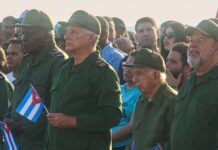
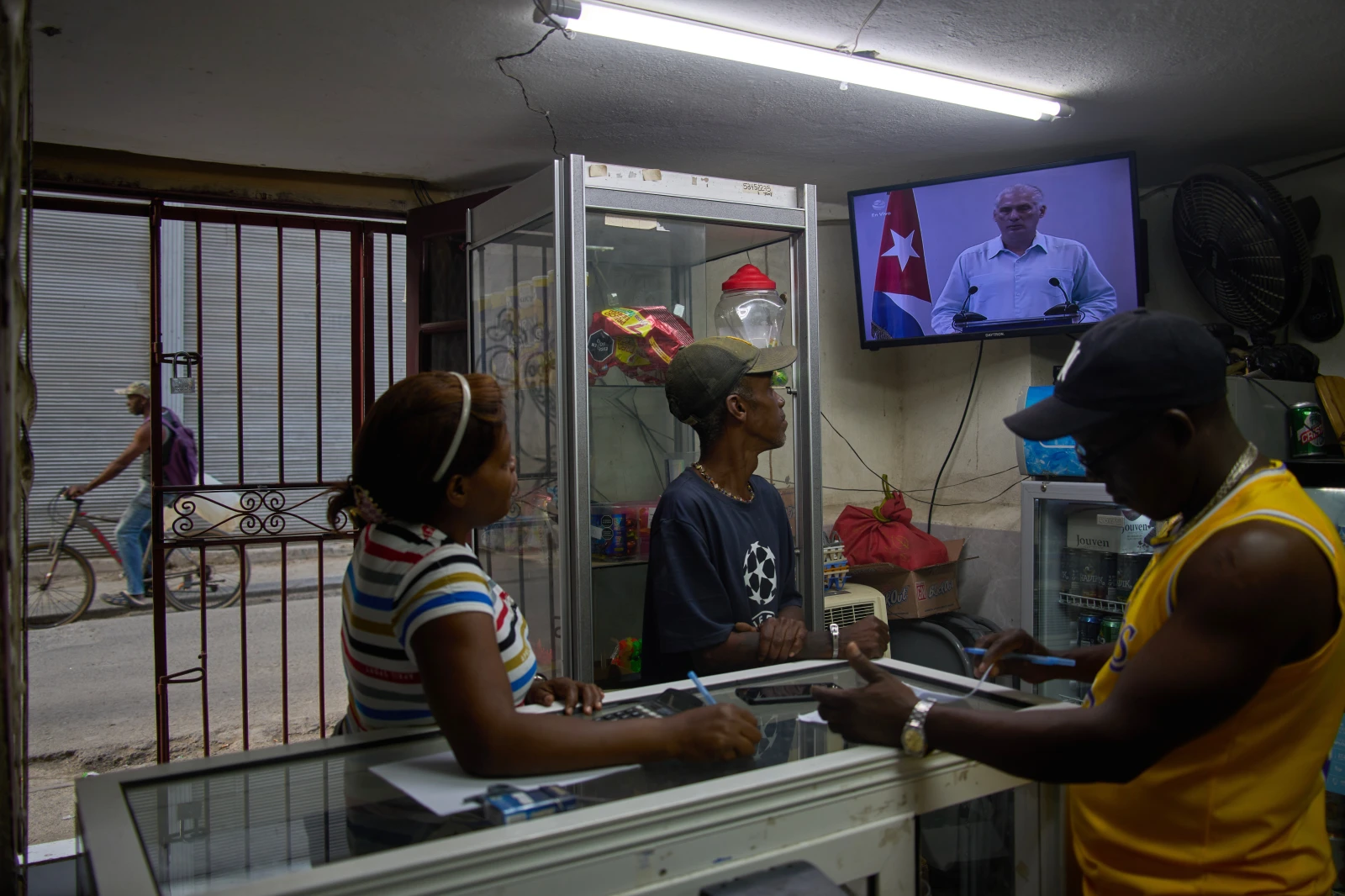
Facing mounting pressure, President Miguel Díaz-Canel has called for “urgent transformations” to the country’s economic model. In recent weeks, authorities have moved to expand the role of public-private enterprises and opened the door to investment from Cubans living abroad – a notable shift for a system long dominated by the state.
Those changes, however, are unfolding under intense strain. Economic forecasts point to a sharp contraction this year, underscoring the limits of reform in the current environment.
At the same time, Havana has signalled cautious engagement with Washington. Díaz-Canel confirmed on 13 March that discussions had taken place with US officials to identify key issues in the bilateral relationship and explore possible solutions.
Signals from the US have been mixed. President Trump has at times suggested flexibility – saying he would not oppose humanitarian fuel shipments – while also escalating rhetoric, hinting that “a great change will soon come to Cuba” and raising the prospect of further action.
Cuban authorities have responded with defiance. Díaz-Canel has warned that the country would meet “any external aggressor” with “impregnable resistance” – framing the standoff as a matter of national sovereignty.
Amid these tensions, Havana announced on 2 April that it would release 2,010 prisoners as a “humanitarian gesture” for Holy Week.
Related Videos