Caribbean governments are taking divergent paths on Cuban medical missions as pressure from the United States intensifies, with the British Virgin Islands maintaining its programme as Jamaica looks to renegotiate a now-ended agreement.
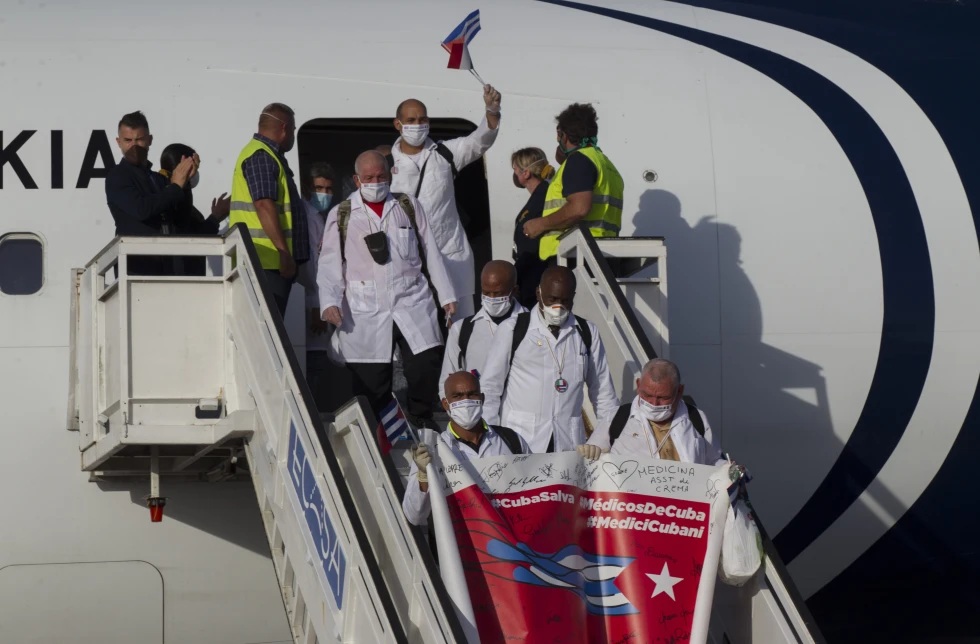
For decades, Cuba’s medical programme has deployed hundreds of thousands of healthcare professionals to over 160 countries – including many in Latin America and the Caribbean.
But a US State Department strategy, detailed in a memo reported by Politico, aims to reduce and ultimately eliminate Cuba’s medical missions in the Western Hemisphere within two to four years.
The plan offers countries support for healthcare modernisation, including telemedicine and training, as well as assistance in recruiting medical workers from other countries if they end Cuban agreements.
US officials argue the programme exposes workers to exploitative conditions, including withheld wages and restricted movement, and serves as a key revenue stream for the Cuban government. Cuba rejects those claims, saying the missions are voluntary and fund its domestic health system.
An estimated 19,000 Cuban medical professionals are currently working in 16 countries across the region, in some cases making up more than 20% of the healthcare workforce, according to the memo.
In response, Jamaica, Honduras, Guatemala, Guyana and The Bahamas have all moved to end or restructure agreements, while others, including Dominica, are exploring direct hiring models that bypass government-to-government arrangements.
BVI not terminating agreement with Cuba
In the British Virgin Islands, officials say there is no immediate plan to terminate long-standing arrangements with Cuban medical professionals.
BVI Health Services Authority CEO Dr. June Samuel confirmed that no directive has been issued to end the agreement with Cuban Medical Services, even as the number of personnel is gradually declining.
“The Virgin Islands currently maintains an existing contractual arrangement with the Cuban Medical Services,” she said in an interview with BVI News. “At this time, there has been no directive issued to terminate this agreement.”
There are currently four Cuban doctors and seven nurses in the territory’s healthcare system with one doctor and three nurses expected to leave this year as part of routine rotations.
Samuel said the BVI Health Services Authority is not actively seeking new Cuban personnel and continues to assess staffing needs as part of broader workforce planning, with a focus on maintaining consistent care.
Jamaica ends programme, seeks revised terms
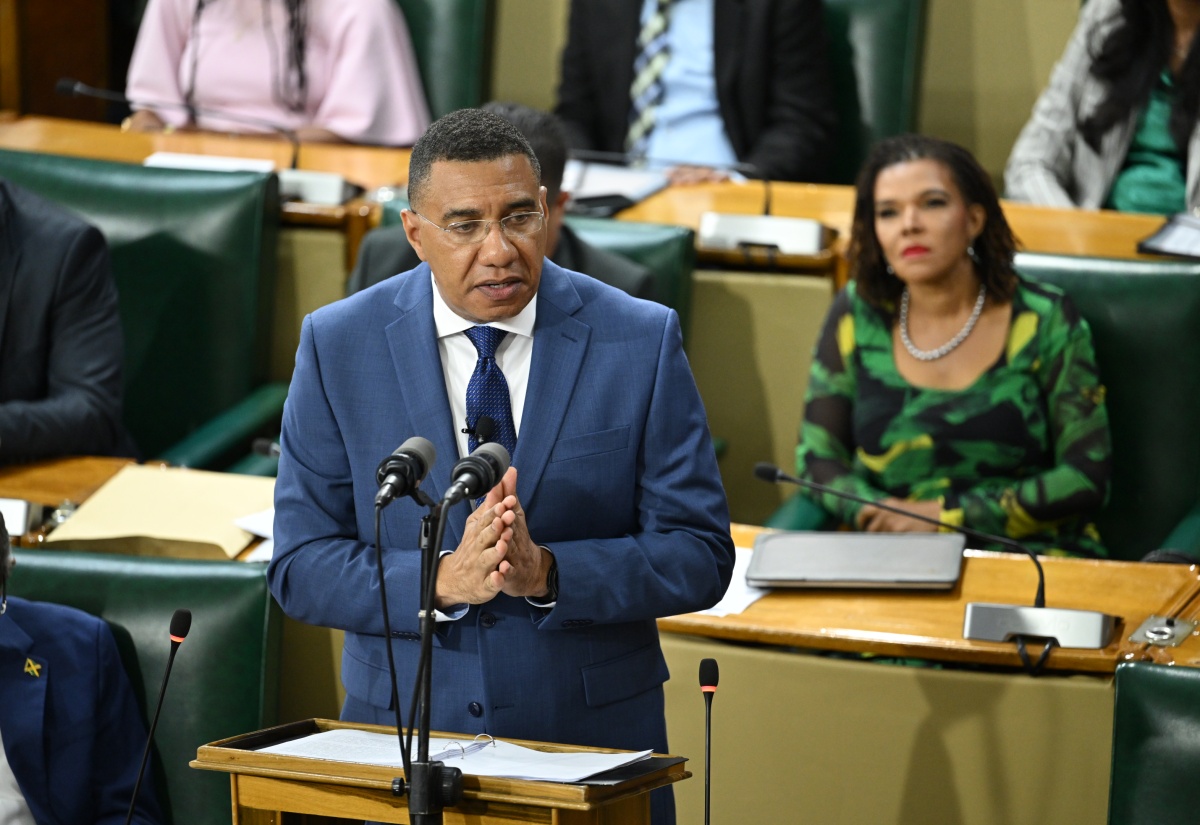
Jamaica, by contrast, has ended its decades-old Cuban Medical Mission but has signalled interest in a reworked agreement.
Prime Minister Andrew Holness said the government remains hopeful that changes can be made to allow the programme to continue in a compliant form.
“We continue to be hopeful that some agreement … some changes can be made to the programme,” he said during the 2026/27 Budget Debate on 19 March.
Holness described the mission as deeply beneficial, noting that Cuban doctors and nurses had integrated well into Jamaica’s health system and built strong ties with patients.
“The Cuban Medical Mission has been beneficial to the people of Jamaica … Jamaicans love them and want them to stay,” he said.
Cuban medical teams have long filled critical gaps in Jamaica’s healthcare system, particularly in rural areas, supporting services ranging from general care to ophthalmology and cancer treatment. Hundreds of Jamaicans have also trained in Cuba under the Jamaica-Cuba Bilateral Medical Scholarship Program.
Public support for the programme was evident on 17 March, when patients and supporters staged a gratitude walk in Kingston to honour Cuban healthcare workers.
Holness said the government’s decision followed a review prompted by concerns raised by the United States more than a year ago.
The review found aspects of the programme – including payment structures – that conflicted with Jamaican law and international obligations.
“We were hopeful that adjustments to make the programme compliant could have been agreed so that we could continue to have the direct service of the Cuban health professionals,” he said.
Those adjustments have yet to be finalised, leaving Jamaica seeking a new framework.
Related Videos