
Markets digest good news quickly. The real economy absorbs bad news slowly.
That is the lesson from the latest US-Iran framework deal. The planned reopening of the Strait of Hormuz, one of the world’s most important energy chokepoints, pushed oil prices lower and lifted equity markets. For investors, this reaction is understandable: less geopolitical risk, lower oil prices, reduced inflation pressure and more room for central banks to remain patient.
But this is not yet a signed settlement, and it is not a permanent solution. At the time of writing, the agreement is expected but not final. More importantly, it appears to create a 60-day negotiation window rather than resolve the core issues. Iran’s nuclear programme, sanctions relief and the future security framework for the region remain unresolved.
That matters for oil. Prices can fall sharply when a blockade ends or a peace headline crosses the screen. But it would be too neat to assume energy markets simply return to normal. The crisis has drained inventories, forced countries to lean on strategic reserves, disrupted trade routes and changed behaviour across shipping and insurance markets. Once a risk premium enters a market, it rarely disappears just because the latest headline improves.
The Strait of Hormuz may formally reopen, but flows are unlikely to snap back overnight. Insurers will still price risk. Shipowners will still consider safety. Governments will still think about naval protection. Refiners will still question supply reliability. Energy buyers will still want backup options.
There is also a political dimension. President Trump has a strong incentive to avoid another oil-price shock before the US midterm elections. Higher gasoline prices are one of the fastest ways for foreign policy to become domestic politics. That may constrain Washington’s appetite for renewed escalation. Iran, meanwhile, may calculate that surviving the conflict and demonstrating its ability to threaten a major chokepoint gives it negotiating leverage.
The bigger point: The world is moving from an efficiency economy to a resilience economy.
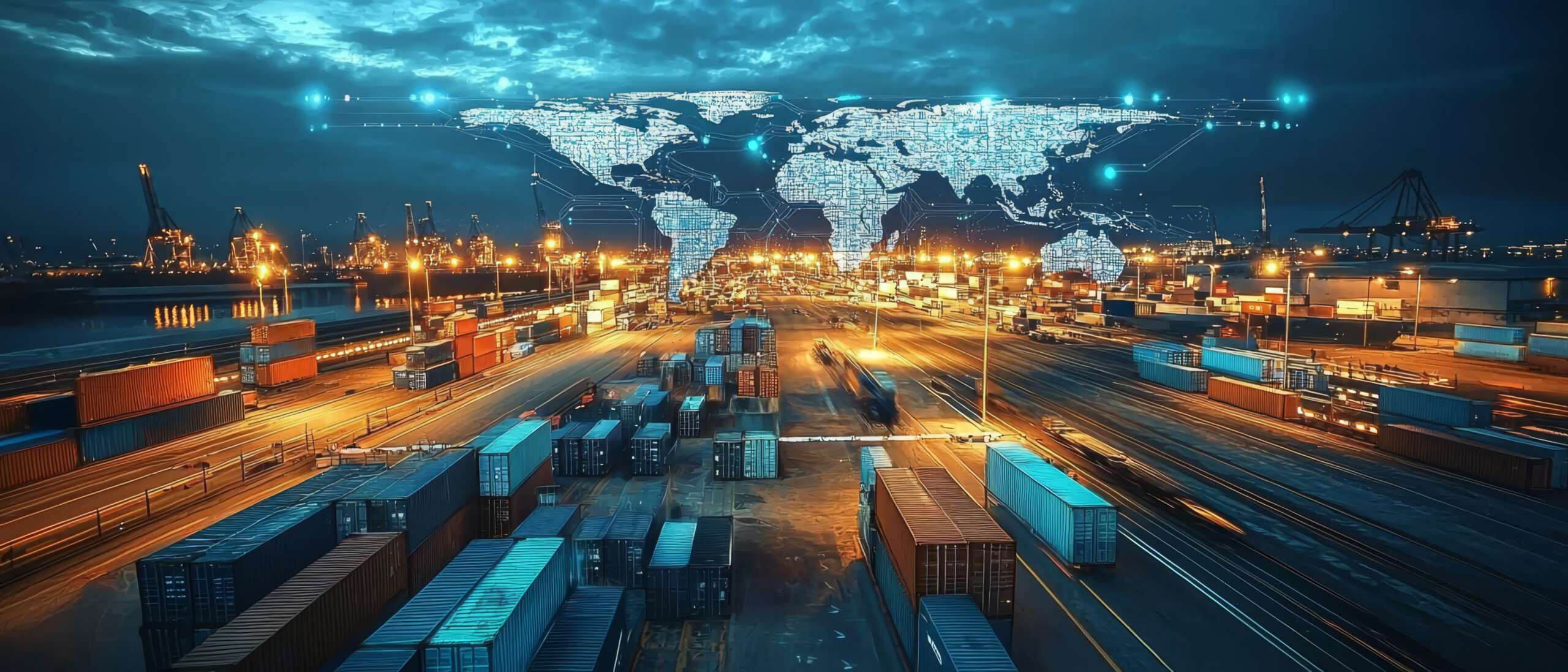
For most of the past 30 years, the global economy had a simple objective: make everything cheaper; manufacture where labour was cheapest; ship through the lowest-cost route; hold minimal inventory; borrow cheaply; assume global trade would keep flowing and central banks would rescue markets when conditions became uncomfortable.
It lowered prices, lifted margins and gave consumers access to more goods than any previous generation. It also made parts of the system fragile.
The old economy was built on “just in time”. The new economy is moving towards “just in case”. That means more backup suppliers, more warehouses, more strategic reserves, more defence spending, more insurance, more grid investment and more capital tied up in things that look wasteful until the next crisis arrives.
This is why the inflation debate is more complicated than the usual discussion about food, fuel and rent. Some price pressures are cyclical. Others are structural, because they come from a world trying to make itself safer.
Energy security is inflationary if it requires new generation, storage and grid investment. Defence spending is inflationary if governments compete for skilled workers, technology and manufacturing capacity. Tariffs are inflationary if production moves from the cheapest location to a safer but more expensive one. Climate resilience is inflationary if buildings, roads, ports and insurance models must be upgraded. Artificial intelligence is inflationary if data centres compete for electricity, land, cooling and construction capacity.
None of this means the world is making the wrong choices. A fragile low-cost system is not automatically better than a safer, more expensive one. But investors should be honest about the trade-off. Resilience has a price.
For markets, oil remains more than a commodity price. It is a transmission channel from geopolitics to inflation expectations, central-bank policy and household confidence. Bond yields are not just about the next inflation print. They also reflect how governments fund defence, energy security, industrial policy, ageing populations and higher interest bills. Equity valuations should not be judged only by revenue growth, but by whether companies have pricing power, strong balance sheets and supply chains that can survive disruption.
Cayman is wealthy, well connected and financially sophisticated. But it is not self-sufficient. It imports food, fuel, vehicles, construction materials, consumer goods, labour and financial conditions. It sits at the end of very long global supply chains.
When the world adds a resilience premium, Cayman imports that premium too.
Higher oil prices do not stay in the Strait of Hormuz. They appear in shipping costs, airfares, utility bills, imported food and central-bank policy. Higher global bond yields influence mortgage rates, investment portfolios, borrowing costs and the discount rate applied to almost every asset. Supply-chain stress can show up locally in construction costs, vehicle prices, supermarket shelves and infrastructure projects.
That is why investors should resist treating every market rally as proof that the old world is back. Markets may celebrate a ceasefire, a reopening or a temporary fall in oil. But the structural forces remain: depleted buffers, higher public debt, energy insecurity, defence spending, climate adaptation, AI infrastructure and more fragmented trade.
The old economy rewarded whoever could remove the most friction. The new economy may reward whoever can survive the most friction.
Reece Jarvis is the VP, group head of fixed income, asset management, Butterfield.
Disclaimer: The views expressed are the opinions of the writer and whilst believed to be reliable may differ from the views of Butterfield Bank (Cayman) Limited. The Bank accepts no liability for errors or actions taken on the basis of this information.
Related Videos