 Rising tensions in the Middle East have triggered a sharp move higher in oil prices, drawing attention to the immediate impact on fuel costs. This headline narrative is too narrow. Even with a ceasefire in effect, shipping through the Strait of Hormuz remains badly disrupted, and markets are making a very aggressive bet that diplomacy will outrun physical damage.
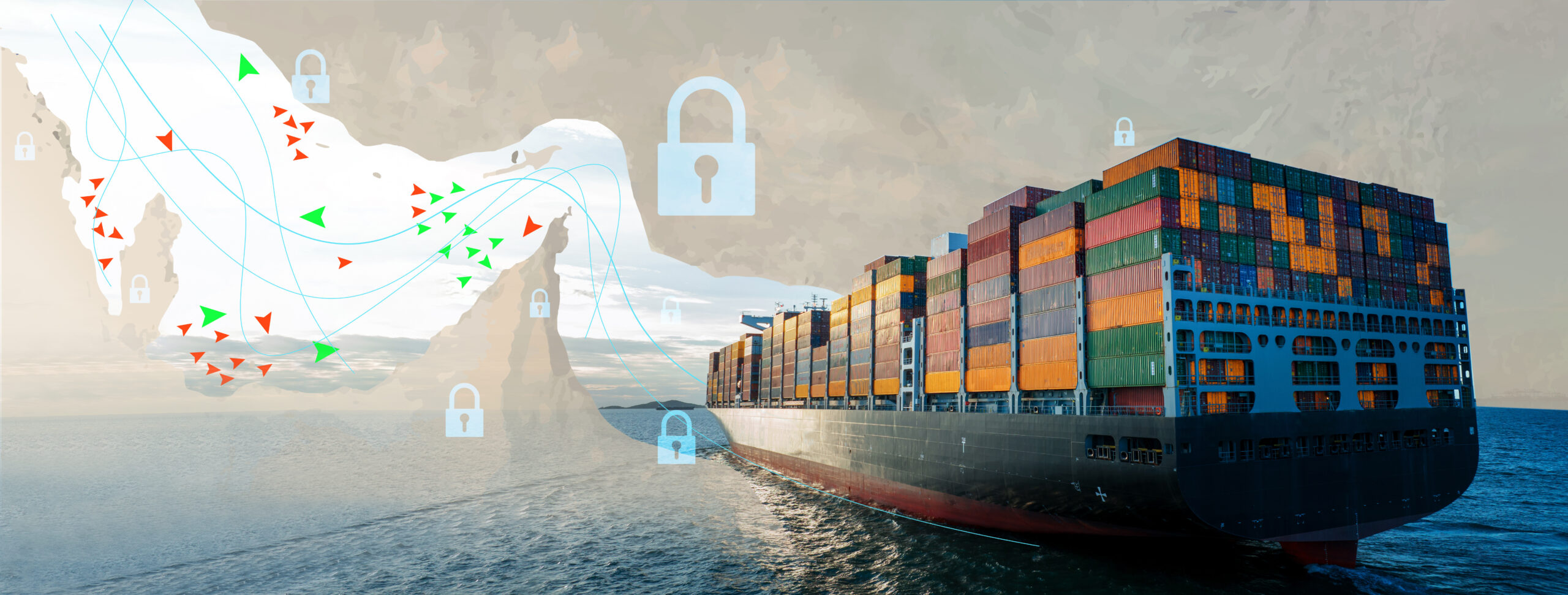
This provides additional context but may prove to be premature. The strait normally handles about 20 million barrels per day of oil and products, roughly a quarter of global seaborne oil trade, while Qatar and the UAE also send almost a fifth of global liquified natural gas (LNG) through the same chokepoint. The key point is that this is not just about oil. It is a broader global supply shock with implications for inflation, growth, central bank policy and trade. Markets have mostly priced the ceasefire; the supply chain has not.
Rather than comparing this situation to a routine geopolitical flare-up, it is better to consider the supply shock of 2020. COVID-19 broke the global economy by jamming logistics and supply chains. The impact of restricting the Strait of Hormuz does something similar because this single narrow waterway sits inside far bigger trade networks.
Monetary and fiscal response
The critical difference is policy. In 2020, governments responded with massive fiscal transfers, central banks slashed rates and printed money. This time, debt is already high, the IMF is warning against broad fuel subsidies, and finance ministers are openly talking about targeted relief and fiscal restraint instead of another wave of stimulus. Even if energy flows normalise, officials are already warning of lasting damage, and the infrastructure hit across the region means the economic scarring is likely to outlive the shooting.
Expected Federal Reserve base rate cuts have effectively disappeared, while in the UK and euro area the debate has swung from cuts to whether higher energy costs could force tighter policy. That would be a mistake. An oil shock pushes headline inflation higher, but it also acts as a tax on demand by crushing real incomes and confidence.
Growth forecasts have been cut across the G10, especially in the UK and Australia, while the UK looks increasingly stuck with a stagflation problem: weaker growth, higher inflation and rising borrowing costs at the same time. By contrast, the US has been more resilient because it is far less exposed to imported energy than Europe or Asia. That helps explain why US nominal growth expectations and risk assets have held up better than many expected.
Asia remains the most exposed part of the world. The International Energy Agency estimates around 80% of the oil moving through Hormuz is normally destined for Asian buyers, and Asian LNG dependence is heavier too. South Korea is already scrambling to secure alternative crude and naphtha routes, while Japan remains vulnerable after years of energy insecurity and reduced nuclear reliance.
Europe has a different, but serious, problem: not just crude and gas, but refined products. That matters for tourism. Travel and tourism contributed US$11.6 trillion, or 9.8% of global GDP, in 2025. Higher fuel costs hit airline tickets, shipping, hotels and household travel budgets all at once. Europe is already warning about possible jet-fuel stress if the Gulf supply does not recover. For island economies, this is a primary transmission channel, directly affecting visitor arrivals as well as increasing travel costs for residents.
More than just energy
Food is the other underappreciated transmission channel. The Persian Gulf matters here because nitrogen fertilisers such as ammonia and urea are heavily dependent on natural gas, and Gulf producers have the gas, scale and export infrastructure to dominate global trade. Reuters reports that roughly one-third of global fertiliser trade passes through Hormuz.
That is why this shock does not stop at the petrol station. It moves into farming costs and then into supermarket prices. India’s latest urea tender came in at roughly double the level seen two months ago, and Europe is already discussing support measures as fertiliser costs surge. Food inflation tends to arrive with a lag, but when it comes it is politically toxic, especially in lower-income economies that cannot simply outbid richer countries for scarce supply.
There are not many true safe-havens in this environment; in practice, energy exporters have been better insulated than textbook defensive markets. Russia is the clearest example. Estimates are that its main oil-tax revenue will double to about US$9 billion in April, giving Moscow a direct financial windfall from the shock and, by extension, more room to keep the war in Ukraine grinding on.
Closer to home, Cuba looks increasingly fragile. It produces less than a third of the oil it needs, has suffered nationwide blackouts, rare violent protests and severe tourism damage in some areas. A recent Russian cargo buys time, but it is not a solution. Another external energy shock does not guarantee regime change, and it would be sloppy to present that as certainty. But it does raise the odds of deeper instability.
For Cayman, yes this is about higher fuel costs, and with WTI around US$91 per barrel versus US$57 at the start of 2026, that matters. But it is also about what comes next: higher food bills, more expensive imports, stickier mortgage rates, pressure on long-haul tourism demand, and a more unstable Caribbean region if Cuba deteriorates further. Local fuel prices are already around 15% higher, and that squeeze will spread.
Higher-for-longer rates may be good for banks, but they are not good for households refinancing debt or taking on new mortgages. And if the ceasefire fails and Washington seriously considers restricting fuel exports to protect US drivers ahead of the mid-term elections — still a low-probability event, but one already being discussed — the Caribbean would be directly exposed. Cayman cannot control events in the Strait of Hormuz. But it does need to recognise that this is not a distant war with distant consequences.
By: Reece Jarvis, VP, Group Head of Fixed Income, Asset Management, Butterfield
Disclaimer: The views expressed are the opinions of the writer and whilst believed reliable may differ from the views of Butterfield Bank (Cayman) Limited. The Bank accepts no liability for errors or actions taken on the basis of this information.
Related Videos