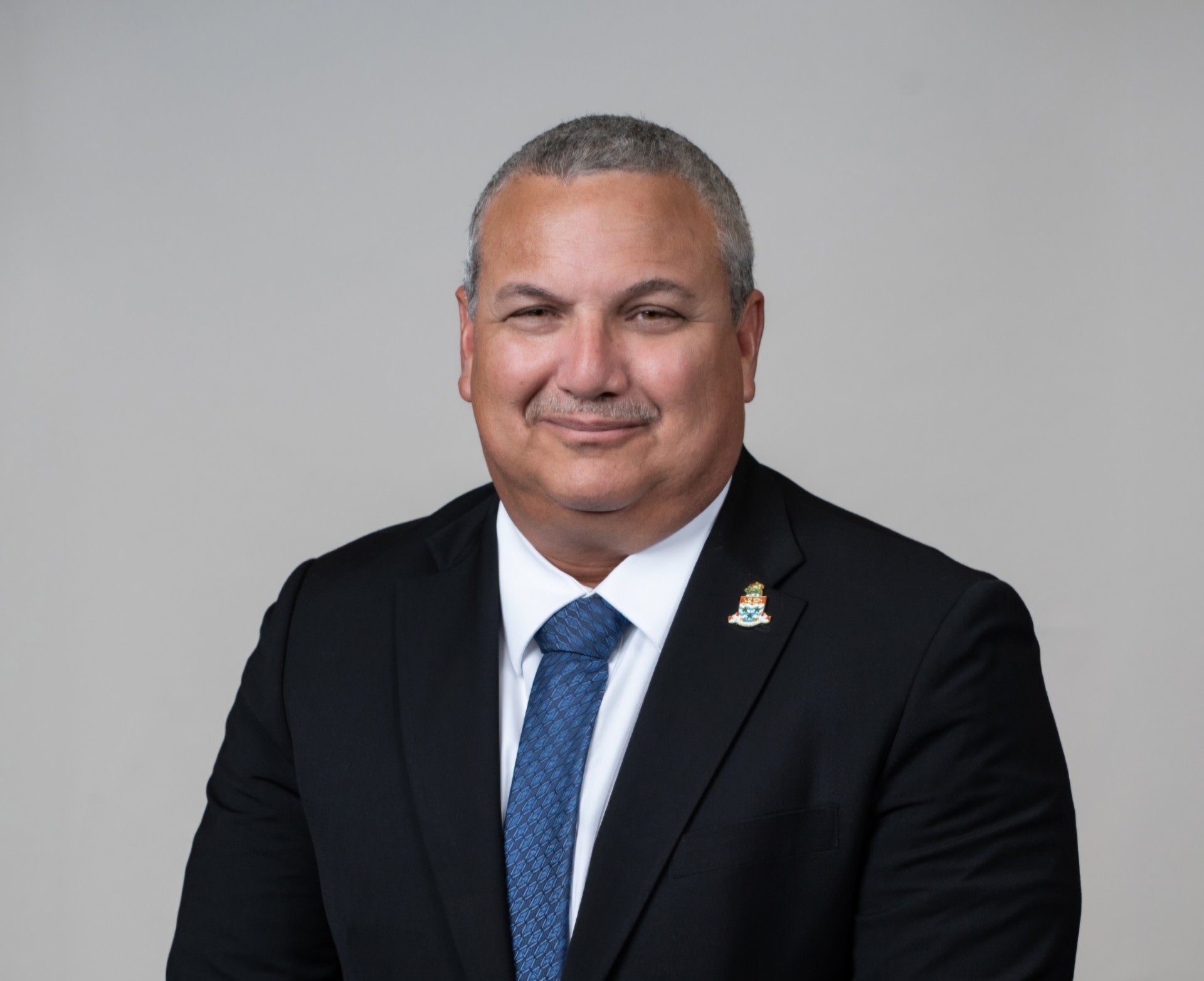
Cayman’s top civil servant, Franz Manderson, steps down today after 44 years in government, saying his proudest legacy is not surviving hurricanes, pandemics and political upheaval – but improving ordinary people’s lives and leaving the public service “in good hands” with its first female deputy governor.
Reflecting on his career in an interview with Compass TV’s Shanda Gallego, the outgoing deputy governor and head of the civil service described the “immense responsibility” of his role and the personal and family sacrifices that had come with the job.
Recalling his first day as deputy governor in 2012, he said, “Walking into the office that morning, the sense of responsibility, the pride in being appointed to the role that is the highest civil servant … the gratitude of being given that opportunity” meant his first instinct was to seek “blessings for patience, for understanding, for knowledge, for strength, for conviction and compassion”.
Manderson said he viewed his core duty as ensuring that the 5,000-strong civil service staff were treated fairly, given opportunities and understood that they were “valuable and appreciated”.
From bottom rung to top post
Manderson’s first job in the civil service, at the age of 16, was as a clerical officer, paid by the hour in the then-Immigration Department in 1981.
He worked his way up the department’s ranks, earned a law degree and eventually was promoted to chief immigration officer, a post that he held for five years. In 2009, he became chief officer to the Portfolio of Internal and External Affairs, which had responsibility for and oversight of law enforcement in the Cayman Islands.
In February 2012, he was appointed deputy governor, taking over from Donovan Ebanks, who had retired the previous month.
Manderson said beginning his career as a clerk in the service and climbing the ranks had served him well, giving him insight into the work of his colleagues and the obstacles they encounter.
“The fact that I started at the very bottom and I’m now at the very top has given me the edge, in terms of understanding civil servants, and what they go through as they move up the ladder. Some of the things that they feel, some of the challenges they face, I’m able to relate … I’ve been there. I’ve lived it,” he said.
Crises that defined a career
His tenure in the civil service spanned some of the Cayman Islands’ most testing periods: a Cuban migrant crisis, Hurricane Ivan, financial challenges and the COVID-19 pandemic.
Recalling the Cuban migrant crisis in the mid-1990s, Manderson, as assistant chief immigration officer at that time, was in charge of security and had to manage the more than 1,200 detainees in the hastily erected “tent city” in George Town.
“That was a huge challenge,” he said.
Manderson was promoted to chief immigration officer in July 2004, just weeks before Hurricane Ivan struck in September of that year. The hurricane devastated Grand Cayman, and as it rebuilt in the aftermath, the island required a major injection of foreign labour to construct new buildings and repair the ones that were left standing.
“Managing the immigration department post-Hurricane Ivan, making sure people were able to leave, making sure the right people came in, making sure that we could rebuild, was a huge job,” he said.
In 2012, when he took up the deputy governor role, challenges already awaited him.
“The government was just coming out of the global financial crisis,” he said. “We’d just cut salaries, the government was struggling to pay bills, and my job was to keep the civil service lean, to make sure that we were counting every dollar and being fiscally responsible in everything that we did.”
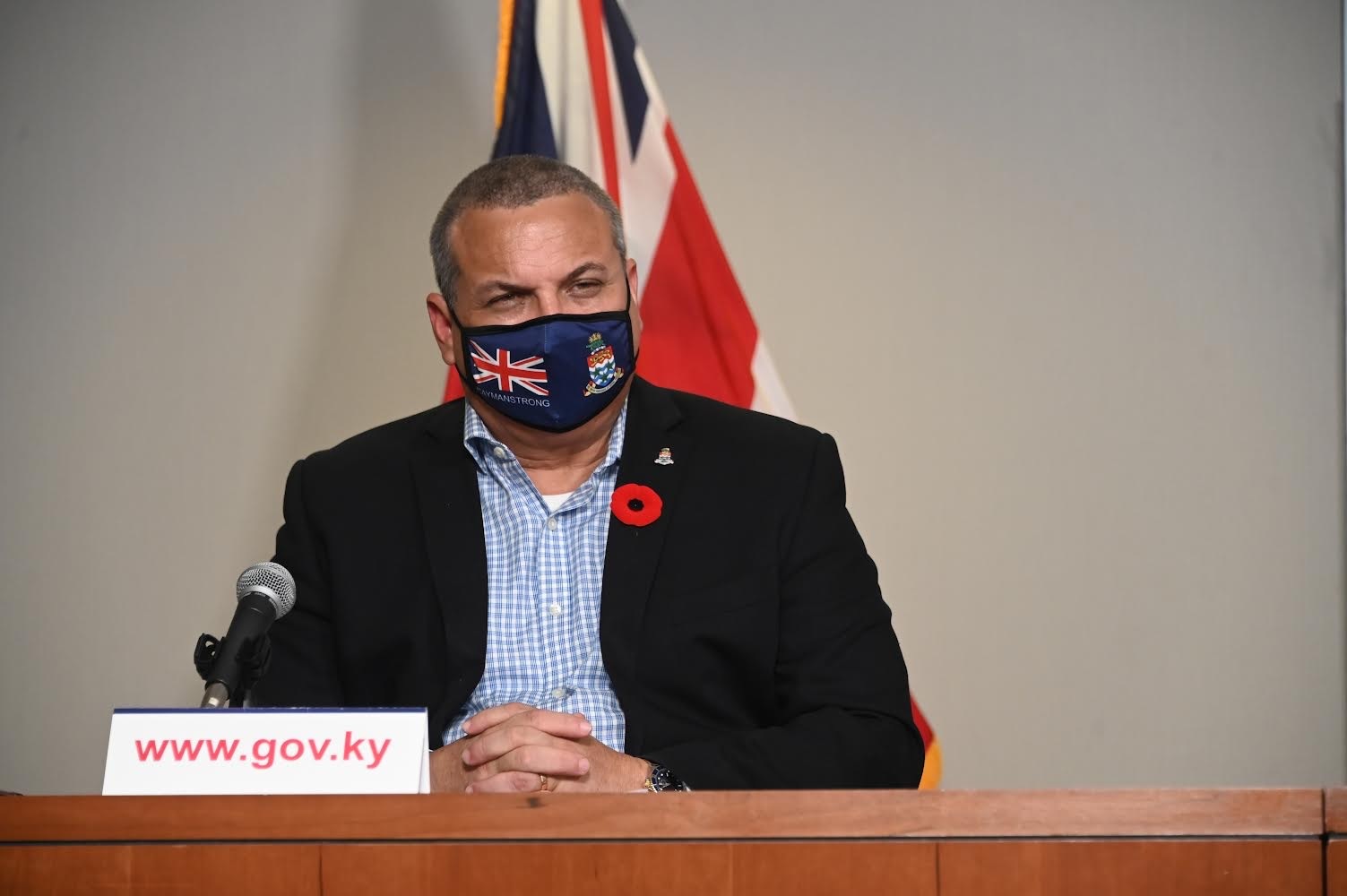
Eight years later, he steered the civil service response to the COVID-19 pandemic.
He noted that, unlike immigration operations where the risks and dangers were expected, COVID was different because frontline staff faced possible infection just by doing their jobs.
Sending staff to deal with COVID-related operations, meant “not only could that person get infected, but they could infect their colleagues, their family”. Making decisions in those circumstances, he said, weighed heavily on him.
“Those extremely challenging times were my best times … to see how civil servants stood up and performed at the highest levels when it mattered.”
First female deputy governor taking over
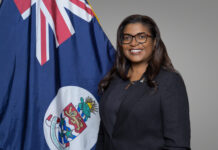
Manderson’s role is being taken up by Gloria McField-Nixon, Cayman’s first female deputy governor.
The outgoing deputy governor said the time is right for new leadership, as he feels he has accomplished what he set out to do.
He praised McField-Nixon as an “incredible leader” who has already acted in his role on several occasions, including in Cabinet and Parliament.
“She understands the importance of taking care of the team, having a very clear vision and mission as to what we want to achieve,” he said. “So, I have no doubt she’s going to be doing very well.”
Manderson described the role of deputy governor as “the glue” between administrations.
“Governors change, premiers change; deputy governors don’t change that often,” he said, pointing out that so far, prior to McField-Nixon’s appointment, there had only been two deputy governors since the role was created in 2009. In that same period, there has been six governors and five premiers.
“Our job is continuity of government,” he said.
Personal impact and the DG 5K
Looking back, Manderson said some of his proudest moments were not high-level policy wins, but rather individual stories of lives changed, when “I’ve made other people’s lives better”, such as a young graduate who secured a job or a person whose naturalisation has opened doors of opportunity.
He also highlighted the Deputy Governor’s 5K, the annual charity walk/run known simply as the DG 5K, which he helped create after his own health struggles and as a means of leading by example. He takes part in the run every year.
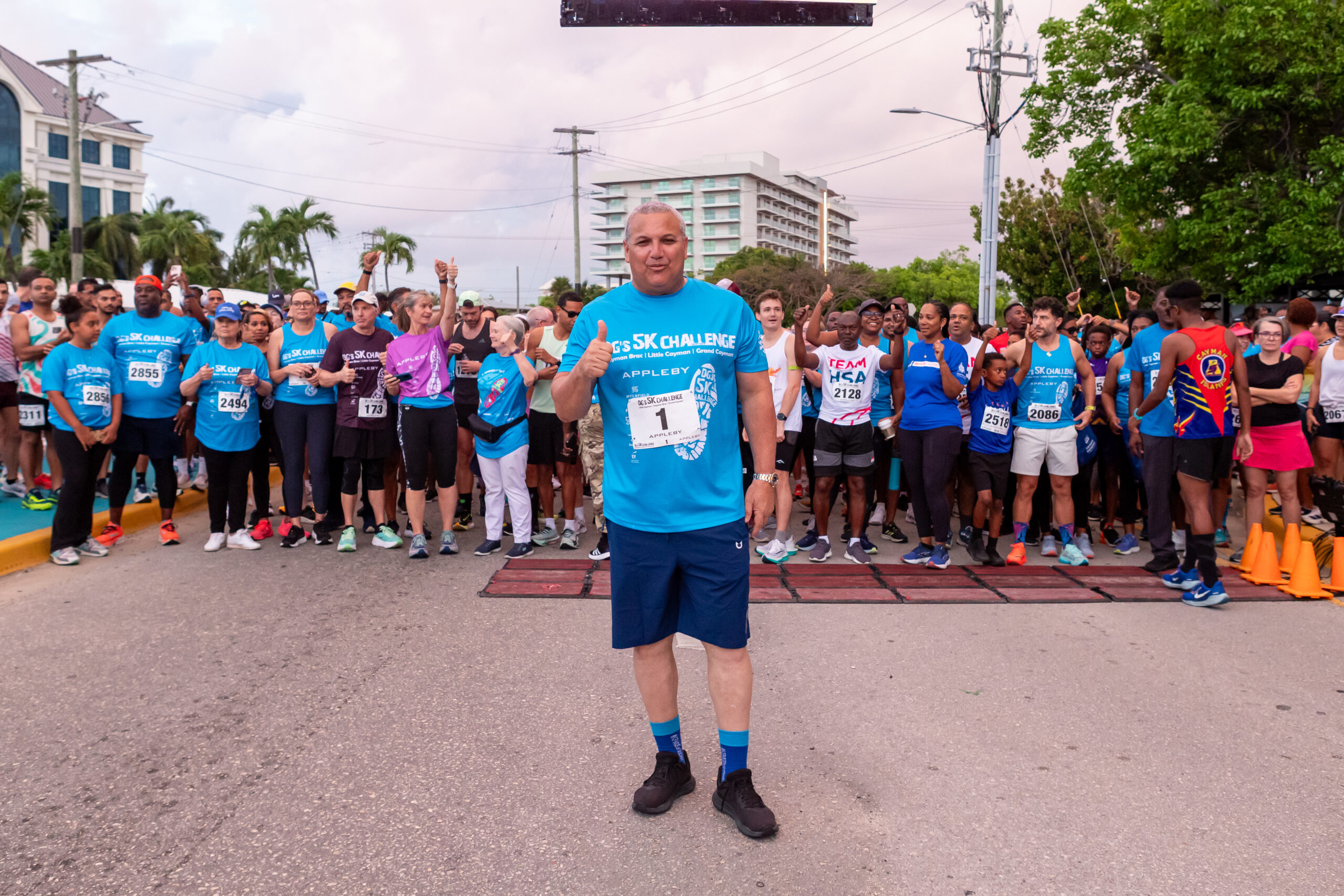
The DG 5K, established in 2014, has drawn thousands of participants and encouraged a culture of exercise and wellness among civil servants and the wider community. It has also raised more than US$1 million for local causes.
Family sacrifices and what comes next
Manderson acknowledged the strain his roles as chief immigration officer, chief officer and deputy governor had placed on his family over the years.
He said, when he led the Immigration Department, there was a rarely a big family event that was not interrupted in some fashion, with a person coming to his house and asking for help, for example, while his wife Nuvia regularly fielded calls from those seeking updates or assistance.
He credited his family for providing him with a “very loving home base”, giving him a respite from work stress and enabling him to perform in his job at a high level.
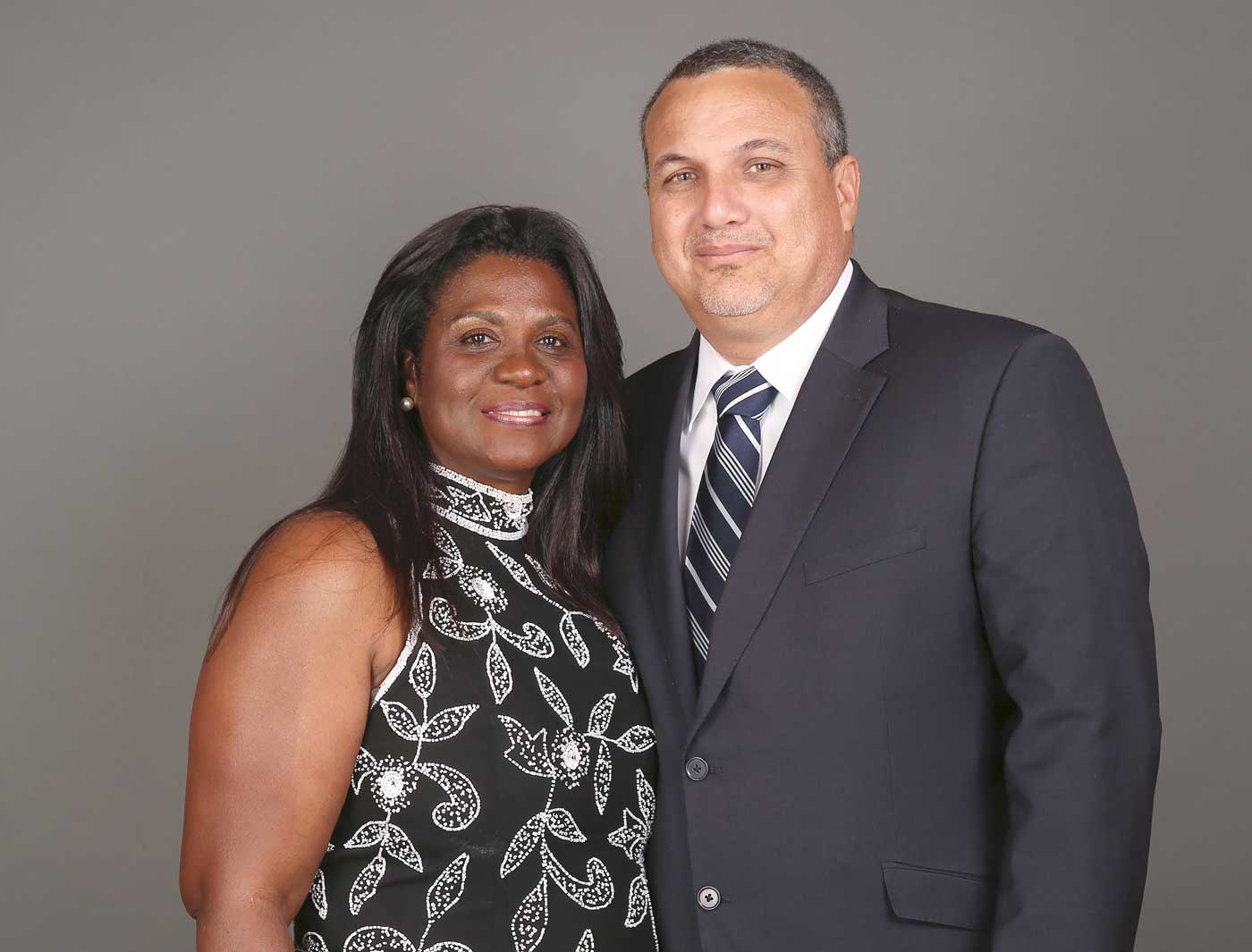
As he steps down after 44 years in the civil service, and 14 years at its helm, he plans to travel with his family, including an upcoming trip to Austria – a nod to his dad’s Austrian best friend Franz, whom his father met on a tanker and after whom he was named. He also wants to spend more time with friends and family and generally enjoy life.
“I want to get away from schedules,” he said. “I want to not have to wake up and know exactly what I have to do every day.”
“I want to be a better friend,” he added. “I want to be a more present son. I want to spend more time with my wife and my children and do the things that really make me happy.”
In his parting message, he offered “profound thanks” to every civil servant for their support, cooperation and love.
“None of the outcomes that we have achieved for government and others would have been achieved without the hard-working men [and women] of the civil service,” he said. “It’s been a great privilege to lead them.”
Related Videos