

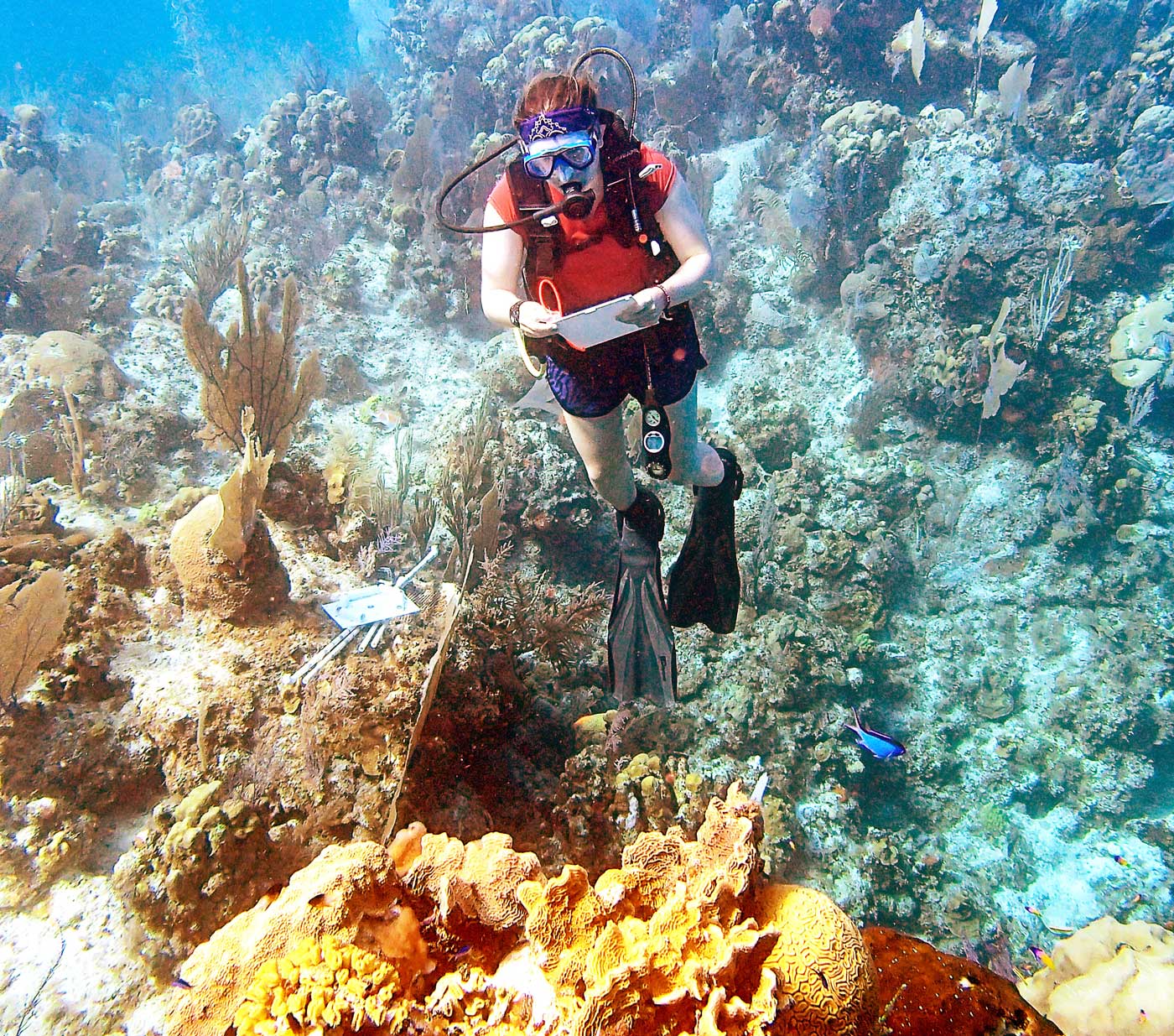
The Central Caribbean Marine Institute is hosting a two-day international symposium about the future of the world’s coral reefs. The symposium began Monday at St. James’s Palace in London.
The symposium, called “Rethinking the Future for Coral Reefs,” has attracted a cross-section of the world’s top marine scientists, conservationists and foundations, to discuss new ways to take action to reverse what scientists describe as “the critical decline” of tropical coral reefs worldwide.
“We continue to promote measures that simply haven’t worked, and we’re running out of time to save coral reefs,” CCMI research director Carrie Manfrino said in a press release.
60 percent of reefs threatened
More than 60 percent of the world’s coral reefs are under threat from human activity, according to CCMI, but the aim of the conference is to move beyond the message that reefs are in bad shape, by focusing instead on the conditions, actions and strategies that have allowed reefs to survive and to identify what needs to be done to ensure a future for coral reefs.
“It’s time to move beyond the gloom and doom and look for solutions,” said Terry Hughes, director of Australia’s ARC Centre of Excellence for Coral Reef Studies. “But if we continue to ignore the impact of climate change on coral reefs, no amount of local action will make a difference.”
Ongoing threats
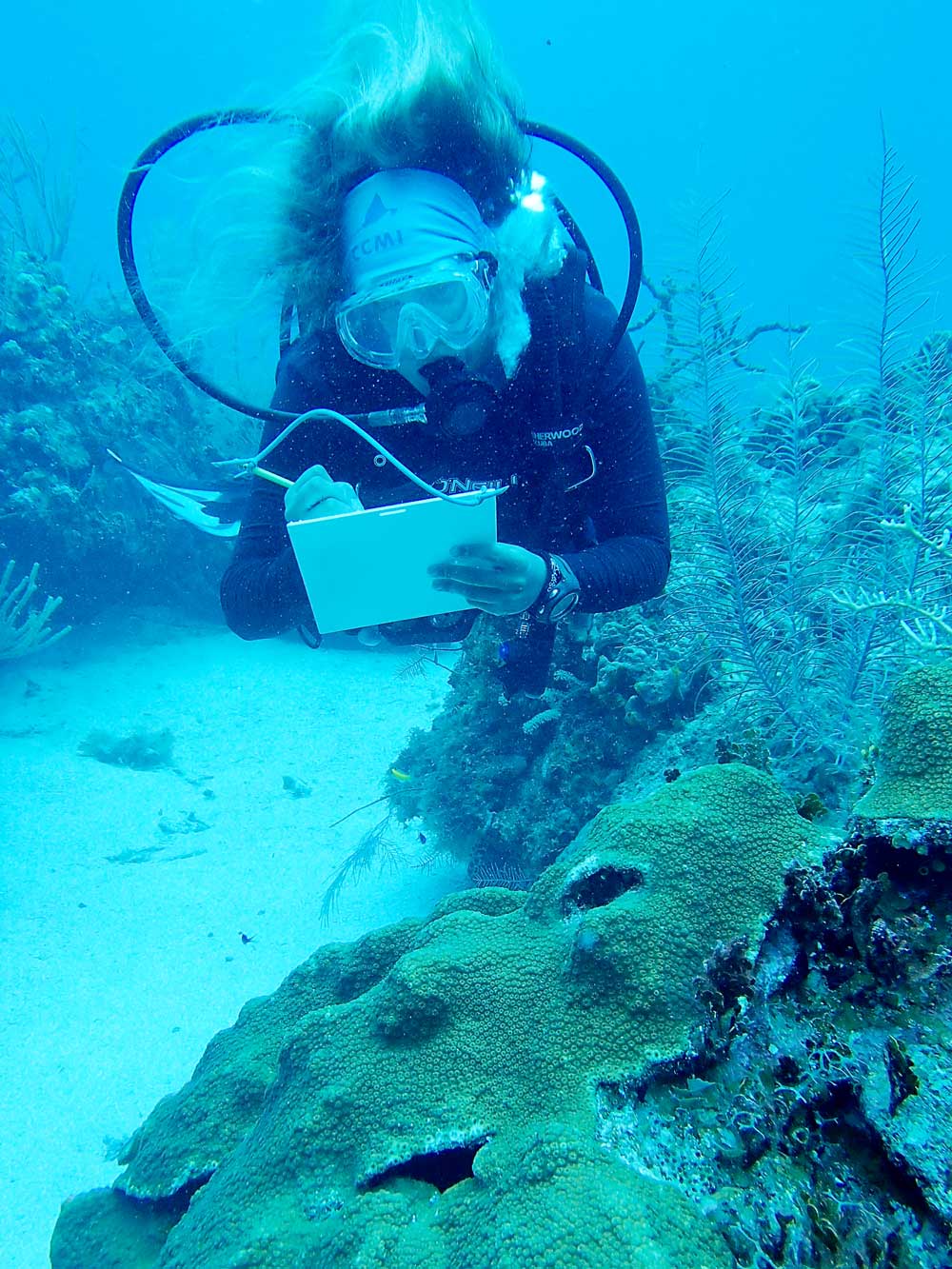
Scientists have cited climate change, overfishing and destructive fishing practices, and coastal pollution as the key drivers of the degradation of the world’s coral reefs, which provide food security, coastal protection and income from tourism to many countries.
The U.S. National Oceanic and Atmospheric Administration estimates that coral reefs contribute approximately $29.8 billion to world economies every year.
Rethinking failed concepts
At the symposium, Ms. Manfrino is asking delegates to rethink the concepts that are being promoted to protect coral reefs that have failed. She suggests that coral reefs have no future unless people understand why some coral reefs remain relatively intact today.
“Large global institutions, government agencies, NGO’s, scientists, and community leaders need to be asking why we continue to promote measures that don’t seem to be working, and what can we do better,” Ms. Manfrino said.
Related Videos










We don’t need to spend big money investigating. Anyone who has been diving here for over 30 years has seen the live coral and most of the reef fish die or disappear.
It used to be that you could dive into the water by Eden Rock and Devils Grotto and be surrounded by sergeant majors and yellow tails snappers. Push out a corn on the cob and it would be torn apart by the sergeant majors. The yellow tails loved hot dogs, which they could swallow in one gulp.
All gone. As it the live coral.