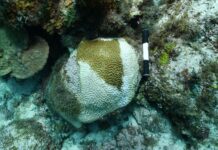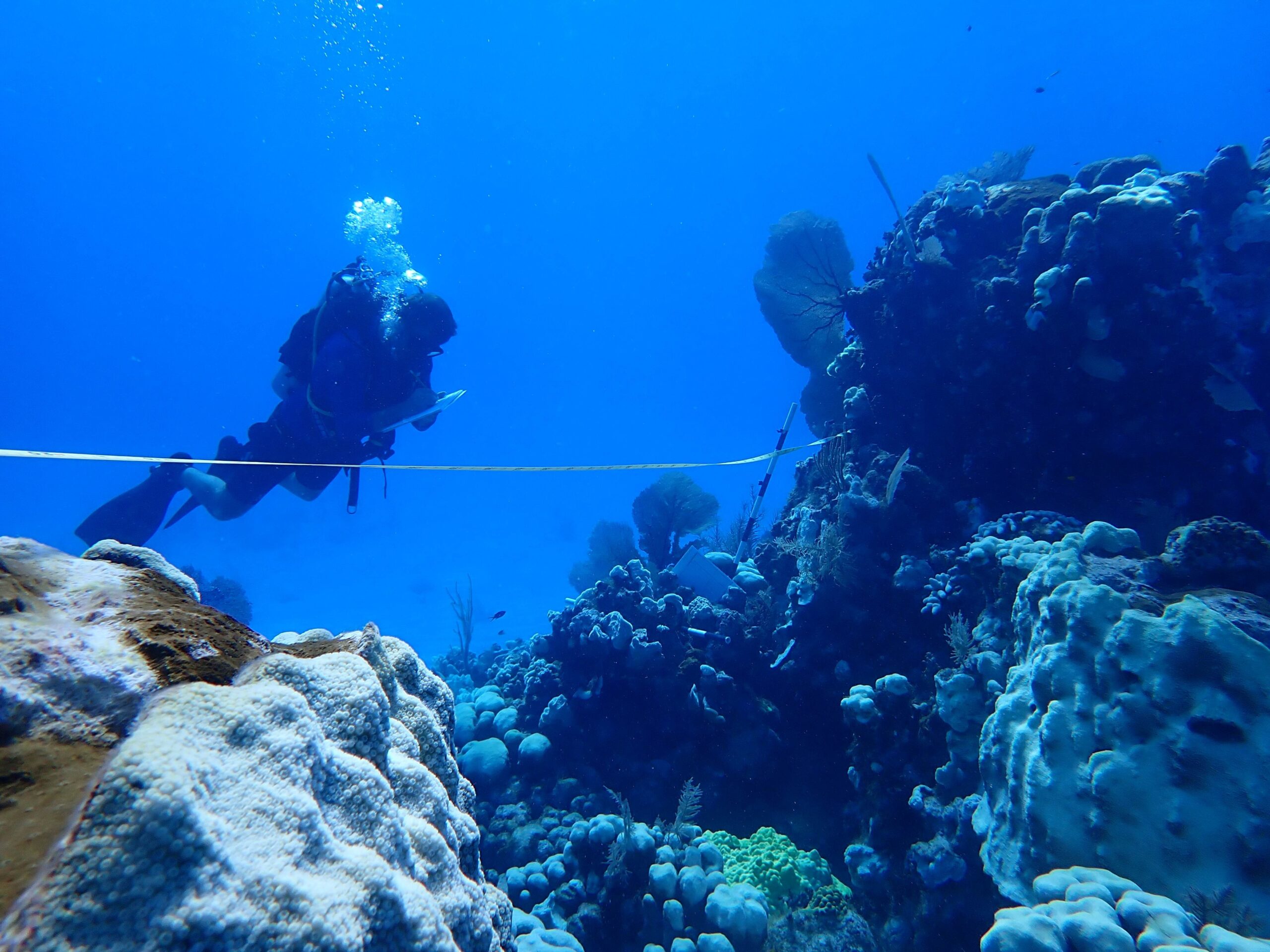
Marine scientists who have been surveying Little Cayman’s reefs say there are promising early signs of recovery and resilience following 2023’s devastating coral bleaching.
However, half the reefs remain in a poor health, and coral coverage remains at levels lower than when monitoring first began in 1998.
An annual ‘Healthy Reef Report Card’ issued by the Little Cayman-based Central Caribbean Marine Institute this week, notes that the findings in its 2025 surveys are a “positive indication, demonstrating the capacity of Little Cayman’s reefs to withstand and recover from extreme disturbance under supportive local conditions”.
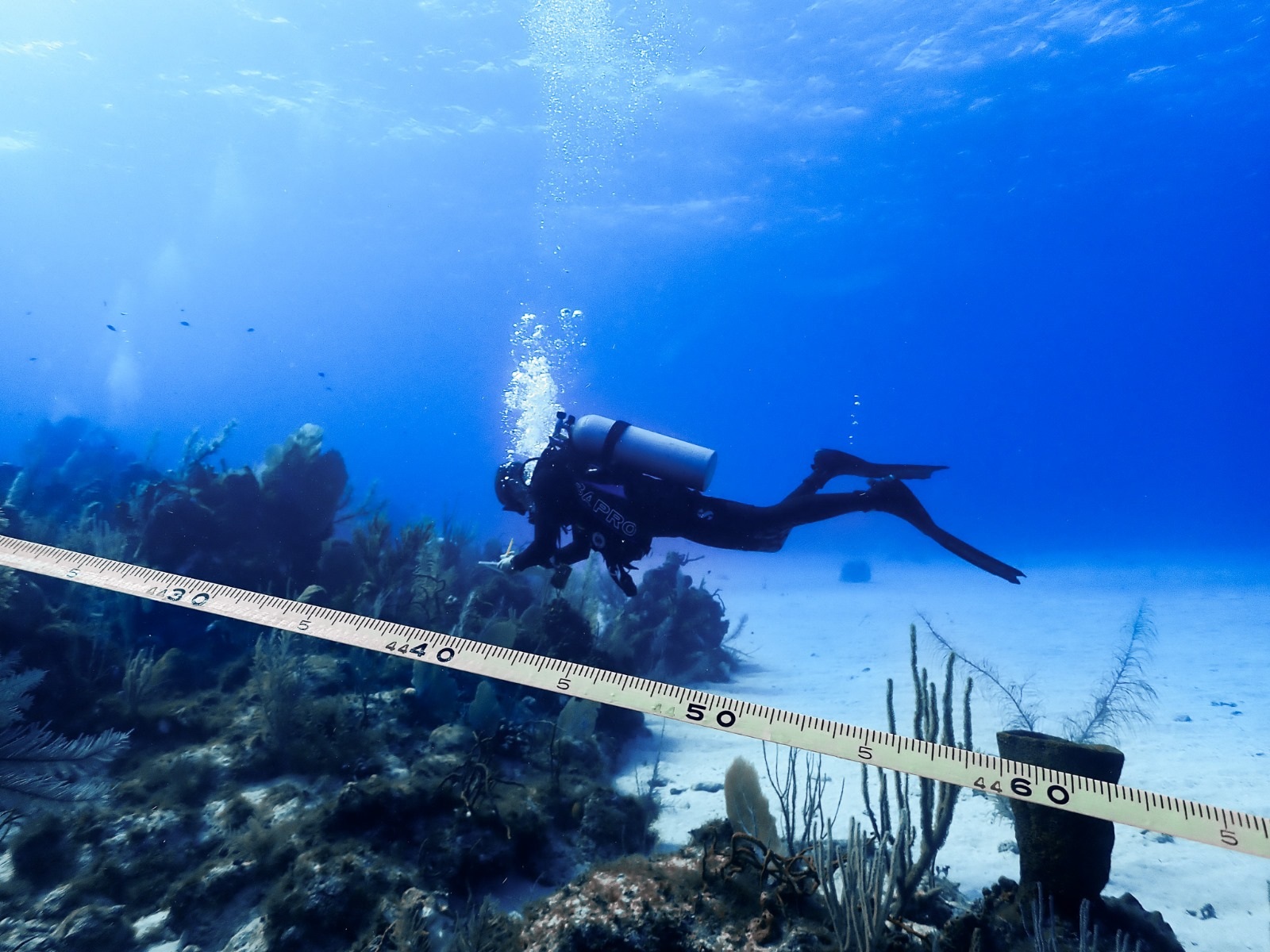
The report card shows that there has been a 3.4% increase in coral cover from 2024 to 2025.
The 2024 report card had listed zero sites as ‘good’ (19-25% coral cover), but last year, the CCMI scientists found 20% to be ‘good’. However, 50% remained ‘poor’ (5-10% coral cover) and the rest were considered to be in ‘fair’ condition (10-18% coral cover).
The average coral cover across all 10 surveyed sites on Little Cayman, which is a Mission Blue Hope Spot, was 13.4% last year.
Prior to the 2023 mass bleaching, which affected reefs worldwide, the average coral cover was 26%.
‘Recovery in Little Cayman is beginning’
CCMI, in a press release announcing the report card findings, said, “Results from the 2024 surveys were bleak, revealing the greatest reduction in coral cover in Little Cayman since monitoring began, at 9.8%, down from 26% pre-2023 marine heatwave. However, data from 2025 surveys, as seen in this year’s Healthy Reefs Report Card, shows an early improvement in coral cover, from 9.8% to 13.4%.
“Although not yet significant, this upwards trend is a positive sign that recovery in Little Cayman is beginning.”
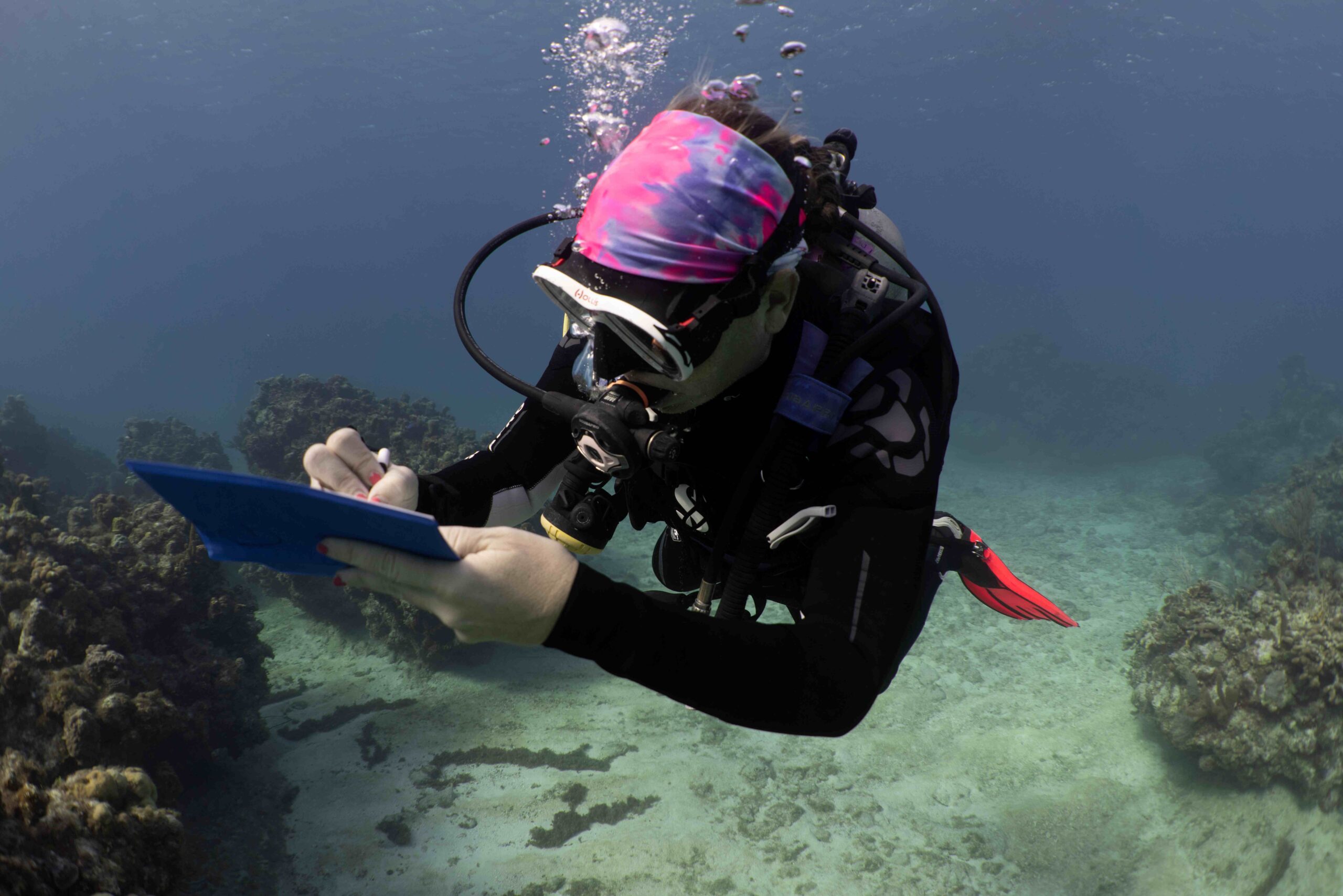
The institute added that although overall coral cover had increased by 3.6%, this varied between sites, with 20% of the sites surveyed showing a significant increase in coral cover from 2024 to 2025. An additional site, Coral City, showed high resilience to bleaching, exhibiting no significant loss and maintaining stable coral cover throughout the bleaching period.
“In total, 30% of sites have either maintained pre-bleaching coral levels or demonstrated significant recovery this year, whereas the other 70% of sites either show minor, non-significant recovery (40%) or no recovery at all (30%),” CCMI said.
Noting that corals are slow-growing animals, the institute said it is not uncommon to see no signs of recovery on a reef for at least three years following a disturbance like the severe bleaching. It said it could take a minimum of seven years, and possible up to nearly 30 years in some circumstances, for total recovery to occur.
“To this end, an early indication of some signs of recovery is reassuring and a testament to the conditions in Little Cayman, such as protections and minimal local disturbance, that are conducive to recovery and resilient reef systems,” CCMI said.
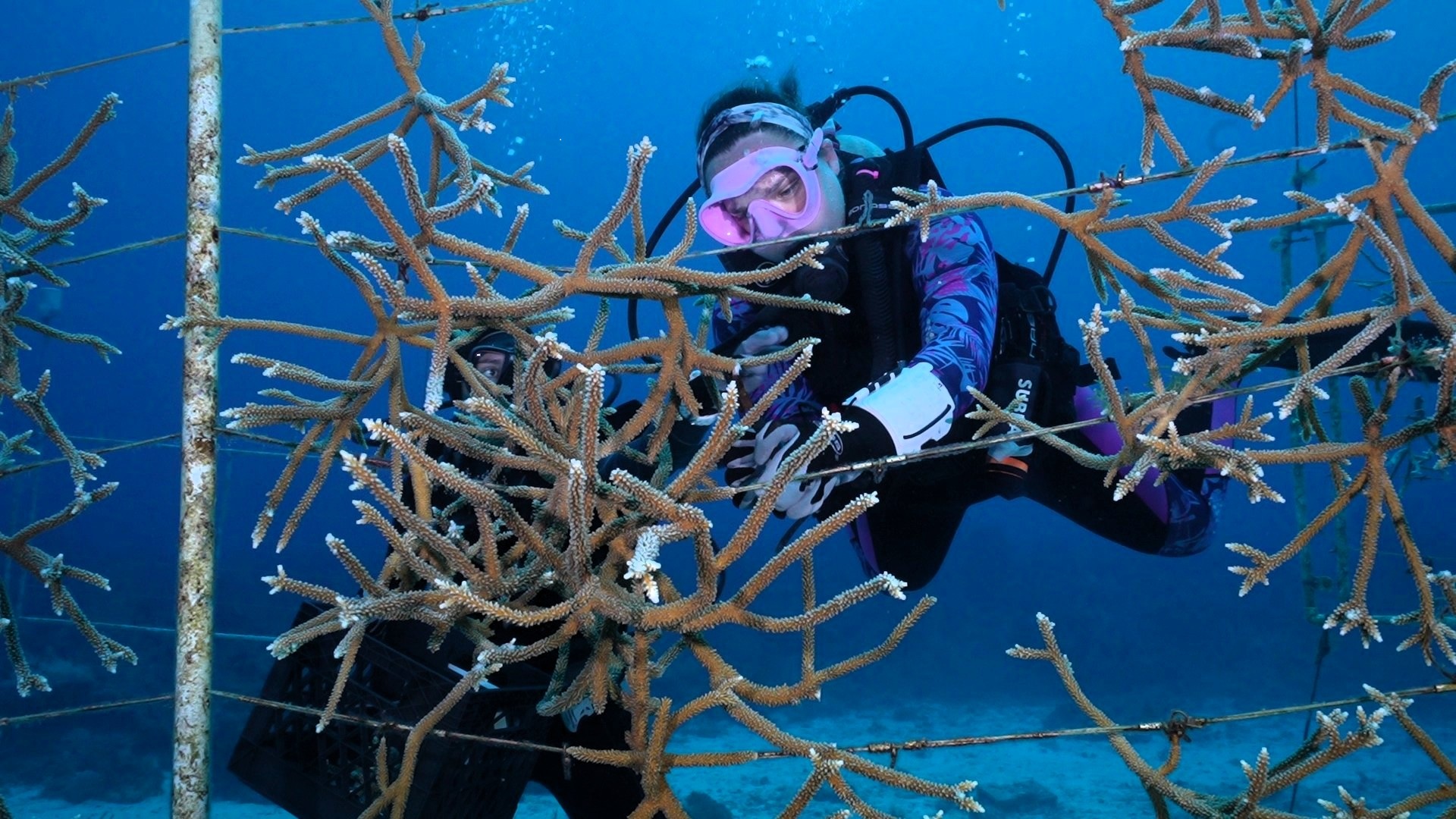
During the 2023 bleaching event, CCMI’s coral nursery suffered severe mortality, losing nearly 90% of corals. The institute noted that genetic research had identified three resilient genotypes of staghorn coral that survived the increased spike in sea temperatures. Since 2023, these three genotypes in the nursery have recovered and increased from just 17 fragments to nearly 300 as of March 2026.
The institute noted that its nursery likely represents one of the last remaining populations of the critically endangered staghorn coral (Acropora cervicornis) in Little Cayman.
“There is no denying that the impact of the 2023 bleaching event was severe and that coral cover saw unprecedented decline in Little Cayman and globally. However, recovery of any kind this soon after such disturbance is optimistic, compounded further by sites that showed high resilience and maintained coral cover throughout and those with already significant rates of recovery,” CCMI said.
Related Videos