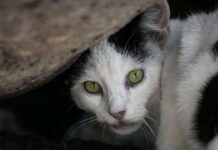
The Department of Environment in recent weeks has been highlighting the threats feral and, in some cases, roaming domestic cats pose to local wildlife.
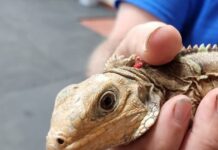
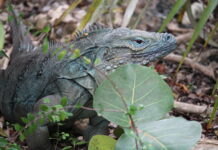
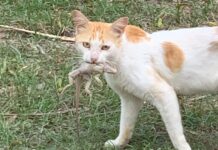
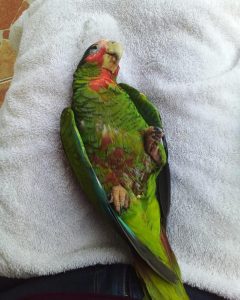
Taking to social media to drive home its point, the DoE has been posting about cats killing a number of already endangered or protected species, including a Cayman parrot and a baby blue iguana, as well as many Sister Islands rock iguanas and red-footed boobies.
The campaign to inform the public about the toll the cats are taking comes as the DoE awaits a formal sign-off on a verbal agreement between the Departments of Environment and Agriculture and two animal charities, Feline Friends and the Humane Society, on how to proceed with feral cat control on Little Cayman.
In 2018, the two government departments began registering pet cats on the island, prior to a cull of feral cats. Before the cull could get under way, however, the non-profits were granted a temporary injunction halting it until the matter could go before the courts as a judicial review. A judge then lifted that injunction after the directors of both departments gave a formal undertaking not to proceed with the project until the issues raised by the two charities had been addressed.
Legal grounds ‘resolved’
In a recent posting on Facebook, the DoE said, “The legal grounds have since been resolved and the matter was intended to go back to the courts, but lawyers have been trying to get the parties to come to agreement instead. After extended negotiations and many delays, a verbal agreement was reached, but still needs to be signed off on by the appellants before being lodged with the court for completion.
“This continues to hold up resolution while rock iguana hatchlings, nesting boobies, curlytails and forest birds continue to lose shocking numbers to the claws of the ever-escalating feral cat population.”
The DoE told the Compass that the verbal agreement mentioned in its post had been made on 15 June this year.
The two charities have told the Compass they will not be commenting on the matter at this point.
The non-profits have suggested that instead of trapping and euthanising cats on Little Cayman, they can be controlled by more humane measures, and proposed a trap, neuter, vaccinate and release programme instead.
The DoE and many residents of Little Cayman disagree, saying the threats to the native rock iguanas on the island are so serious that by the time this approach has an impact on the number of feral cats, the iconic endemic species could be extinct.
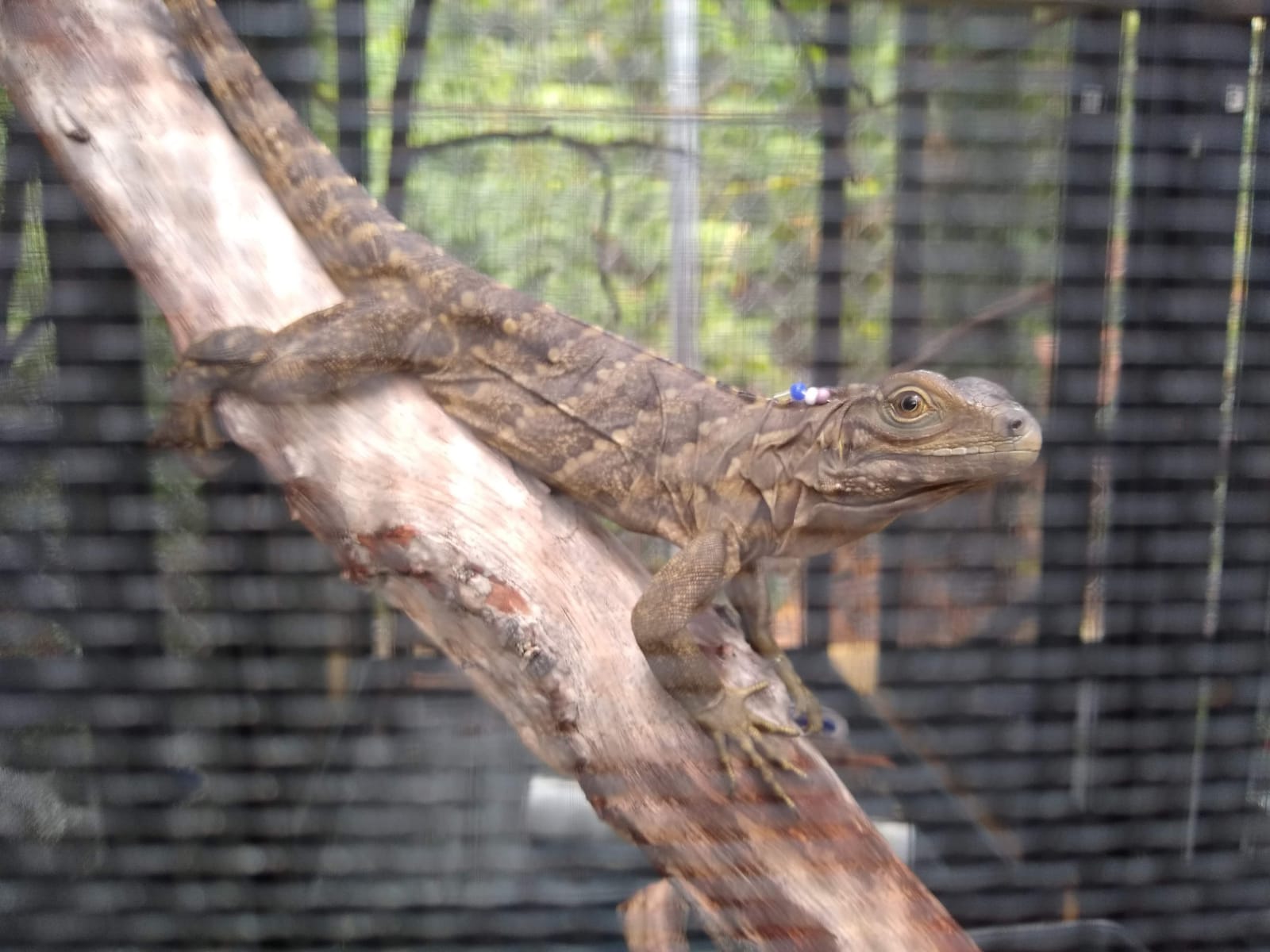
In fact, the DoE has placed more than 50 of the young iguanas in cages until such time as they are too large for the cats to hunt.
The department said it was working on “multiple tracks to move forward and we’re expecting to have a clear resolution before the end of the year”.
It added, “In the meantime, we encourage everyone to speak with their friends and family, especially on the Sister Islands, about how our precious blue and rock iguanas, Cayman parrots, booby birds and many other species unique to Cayman are in danger of disappearing from our planet forever because of free-roaming cats. Domestic companion cats can, and should, live fulfilled and happy lives indoors. Feral cats need to be controlled.
Please speak up and support this difficult work when the time comes.”
Recent kills
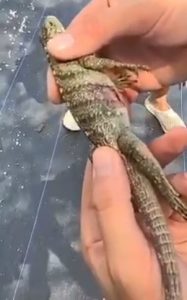
The DoE on 7 Oct. issued a Facebook post, accompanied by a video shot on Grand Cayman showing a dead baby blue iguana with a slash on its side made, it said, by a pet cat.
“Roaming cats kill so many of our critically endangered native blue and rock iguanas per year,” the post read. “Even domestic cats pose an enormous threat to our precious native species. This beautifully patterned and endangered baby Blue Iguana was fatally slashed open by a free roaming, well fed, domestic cat.
“With roaming feral and domestic cat populations in the thousands, most of our endangered wild blue and rock iguana babies won’t survive their first year.”
An earlier post showed a dead Cayman parrot which, the DoE said, was attacked by a feral cat in the middle of the night, while up in a tree resting. “A helpful human separated them as they fell to the ground but the parrot was already lethally injured and died soon afterward,” the department noted.
Related Videos