

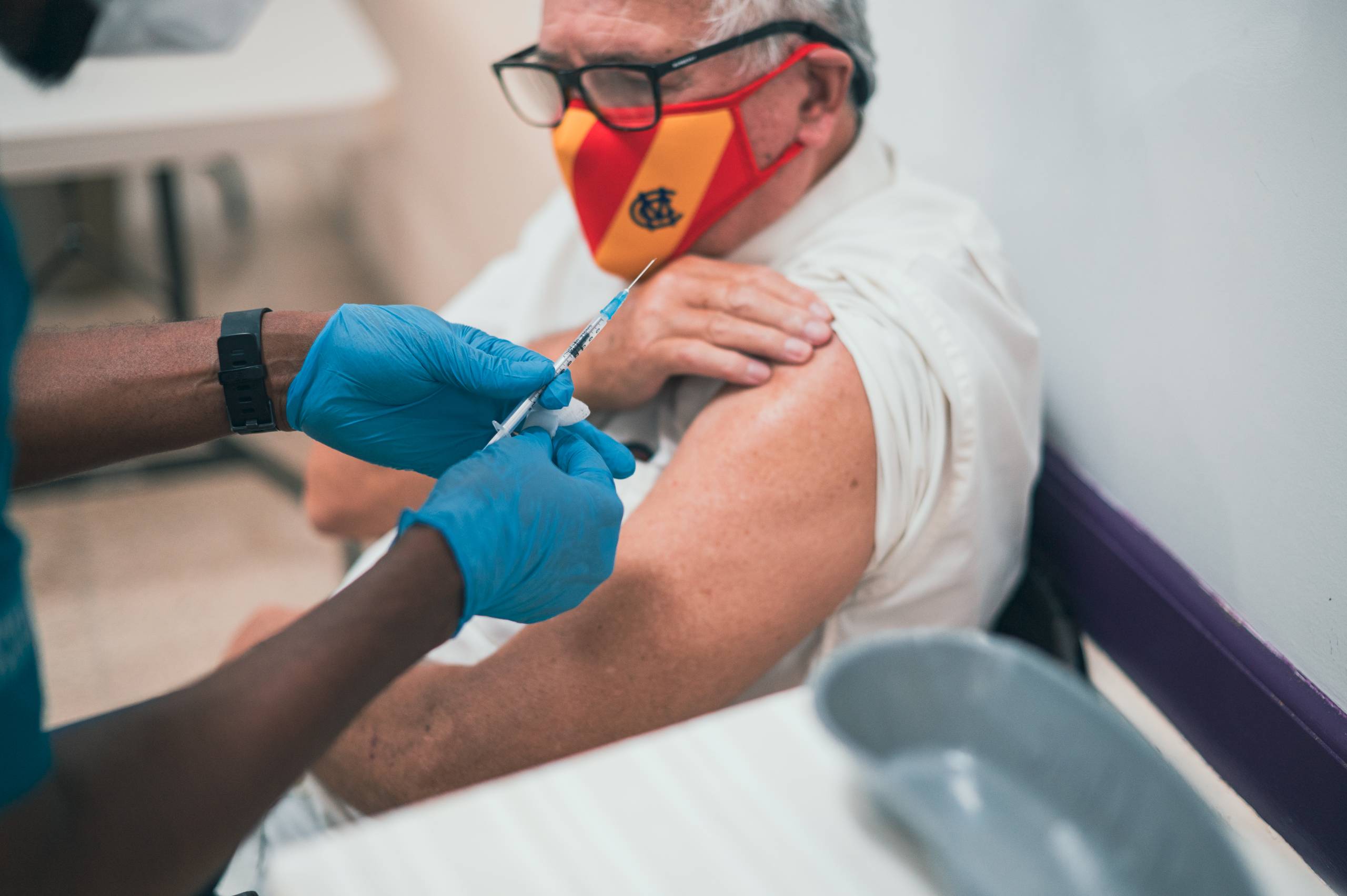
The World Health Organization has launched a week-long social media campaign to promote the importance of reporting suspected side-effects following vaccination.
Health agencies from 64 countries are taking part in the campaign, which involves the reporting of vaccine side-effects regionally to the Caribbean Regulatory System (CRS) of the Caribbean Public Health Agency (CARPHA) or to the relevant national reporting system.
While Cayman is not among the 64 countries and jurisdictions listed as participating in the exercise, which involves medical professionals reporting vaccine side-effects from their patients, the Cayman Islands Health Services Authority does encourage anyone with unusual side-effects to report them after they have been vaccinated.
Local reports of side-effects
In September, in response to a Freedom of Information request, the HSA released data on side-effects of COVID vaccines administered between 7 Jan. and 23 Aug. 2021, which showed side effects were reported on nearly a quarter of the 99,886 doses received.
The HSA received a total 23,864 reports of side effects during this period. As each report could include up to seven symptoms, there were a total of 38,038 instances of side-effect symptoms reported – the vast majority, 36,811, of which were common symptoms such as soreness at the injection site, muscles aches and fever.
In Cayman, as of 28 Oct., 56,488, or 79% of the estimated population, had received at least one dose of a COVID-19 vaccine and 54,311 (76%) had completed the two-dose course. Additionally 3,552 others, most over the age of 50, had received a third or booster dose.
According to the Freedom of Information document, 36,955 of the side effects reported represent the seven most common symptoms, which the HSA said, “are also common to all other vaccines”.
The table outlining the symptoms has an ‘Other’ label, which includes 71 instances of
symptoms “that are vague or non-specific, hence not easily placed in groupings; they appear to be neither severe nor significant”, the HSA noted in the statement accompanying the side-effects statistics.
The data collected, and released via FOI, is from self-reporting collected when recipients returned to vaccine clinics to get their second dose, and from reports submitted to the Flu Hotline or to medical practitioners.
“A possible causal relationship is best analysed by looking at frequencies of diagnoses (not symptoms) in the general population and then in the subgroup of interest. This requires large studies in big countries where rare events can be spotted,” the HSA stated.
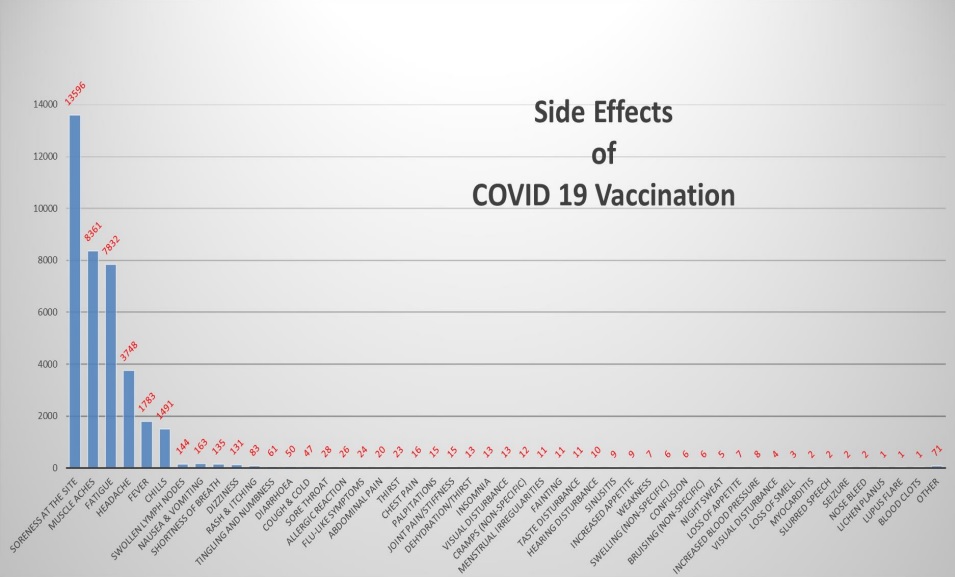
In Cayman, anyone who receives a COVID-19 vaccine receives a card listing common and uncommon side effects. The most common side effects are soreness, redness or swelling of the vaccine site; headache; fatigue; chills; fever; and muscle aches and pain. The uncommon ones are listed as discomfort or feeling ill, and swollen or enlarged lymph nodes.
The government’s FAQ webpage on side-effects also lists some serious adverse events that may occur, though uncommonly, after COVID-19 vaccinations. These include:
- Anaphylaxis
-
- Approximately 2 to 5 people per million vaccinated in the USA
- Thrombosis with thrombocytopenia syndrome (TTS), or blood clots with low platelets, after Johnson & Johnson’s Janssen (J&J) and AstraZeneca (AZ) COVID-19 vaccination.
- As of Sept 15, 2021, there has been 47 confirmed reports out of 14.7 million doses given in the USA with J&J and in the UK, as of June 28, 2021, around one case has been reported for every 50,000 first doses of AZ in persons under 50 years of age
- Reports of myocarditis and pericarditis, particularly in young males, after mRNA COVID-19 vaccination such as (Pfizer/BioNTech or Moderna).
- As of Sept 15, 2021, there has been 890 confirmed reports of myocarditis or pericarditis. Most patients with myocarditis or pericarditis who received care responded well to medicine and rest and felt better quickly.
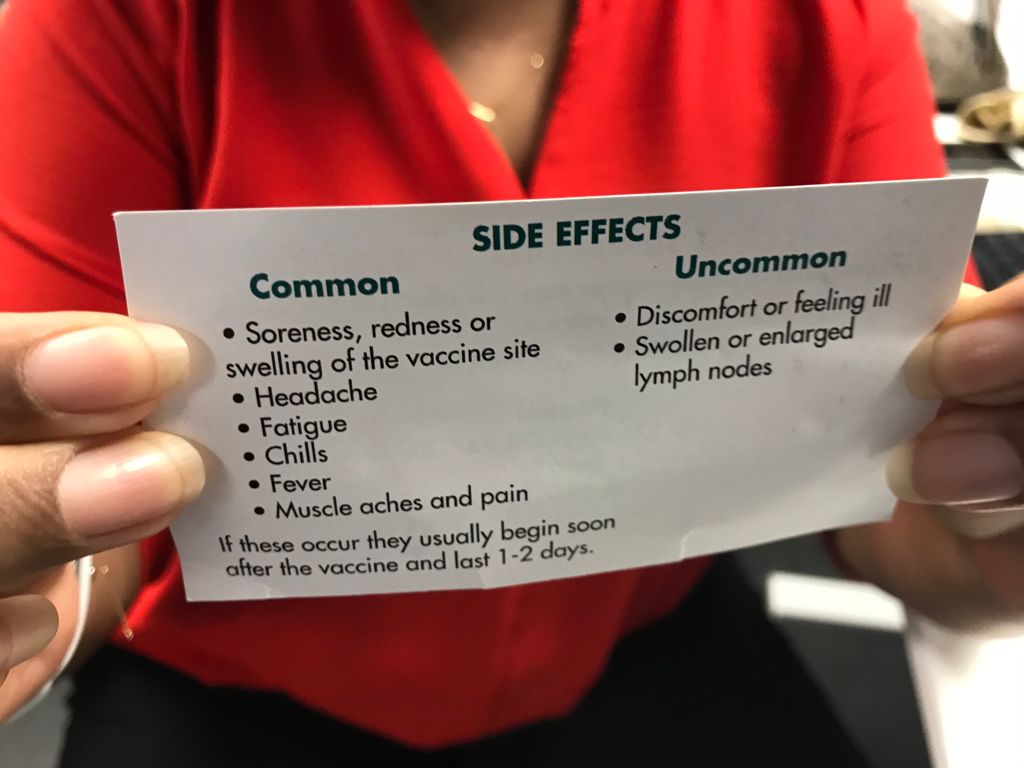
Of the side-effects reported by COVID-19 vaccine recipients, the most common was soreness at the injection site, which was reported 13,596 times. The second most reported side-effect was muscle aches (8,361), while the third most common was fatigue (7,832).
Among the more uncommon side-effects reported were nausea and vomiting (163) and swollen lymph nodes (144). Another 131 reported shortness of breath and 81 people reported feeling dizzy after getting a vaccine.
Twenty-six people reported having an allergic reaction to the vaccine, and 11 people reported feeling faint or fainting. Another 11 report menstrual irregularities.
Two people reported myocarditis and one reported a blood clot.
Side-effects should be reported to the Flu Hotline on 947-3077 or to 1-800-534-8600, or email [email protected].
WHO: Vaccines save millions of lives annually
The WHO, working with its regional body the Pan-American Health Organization, on the side-effects reporting campaign, pointed out that vaccines “are among the most important advances in medicine saving millions of lives annually and have proven to be the best method to protect individuals against infectious diseases. However, as with all medicines, side effects can happen.”
Dean Chambliss, PAHO’s sub-regional programme director for the Caribbean, said in a statement, “This campaign comes at a critical moment when millions of people are vaccinated against COVID-19. Vaccine safety begins with the timely detection and reporting of adverse events following immunization. It is important to report suspected adverse events of vaccines and by extension all medicines. Each report counts but to have an impact, countries need to assess this information and share safety updates regularly with the international community.”
In August 2021, CARPHA launched its online reporting form for adverse events following immunization (AEFI) which can be used for any vaccine, including the novel COVID-19 vaccines.
Dr. Joy St. John, CARPHA executive director, said in the statement, “The reporting of an adverse effect following vaccination does not mean the event has been caused by the vaccine, or that the person who gave the vaccine made an error, but it is an important part of helping the national authorities to identify events that may need to be investigated further. The information from investigations and data analyses will assist Member States in identifying the types of reactions that persons are experiencing, and any additional monitoring or regulatory actions that may be needed.”
Related Videos










Cayman has one too: https://caymanvaers.com