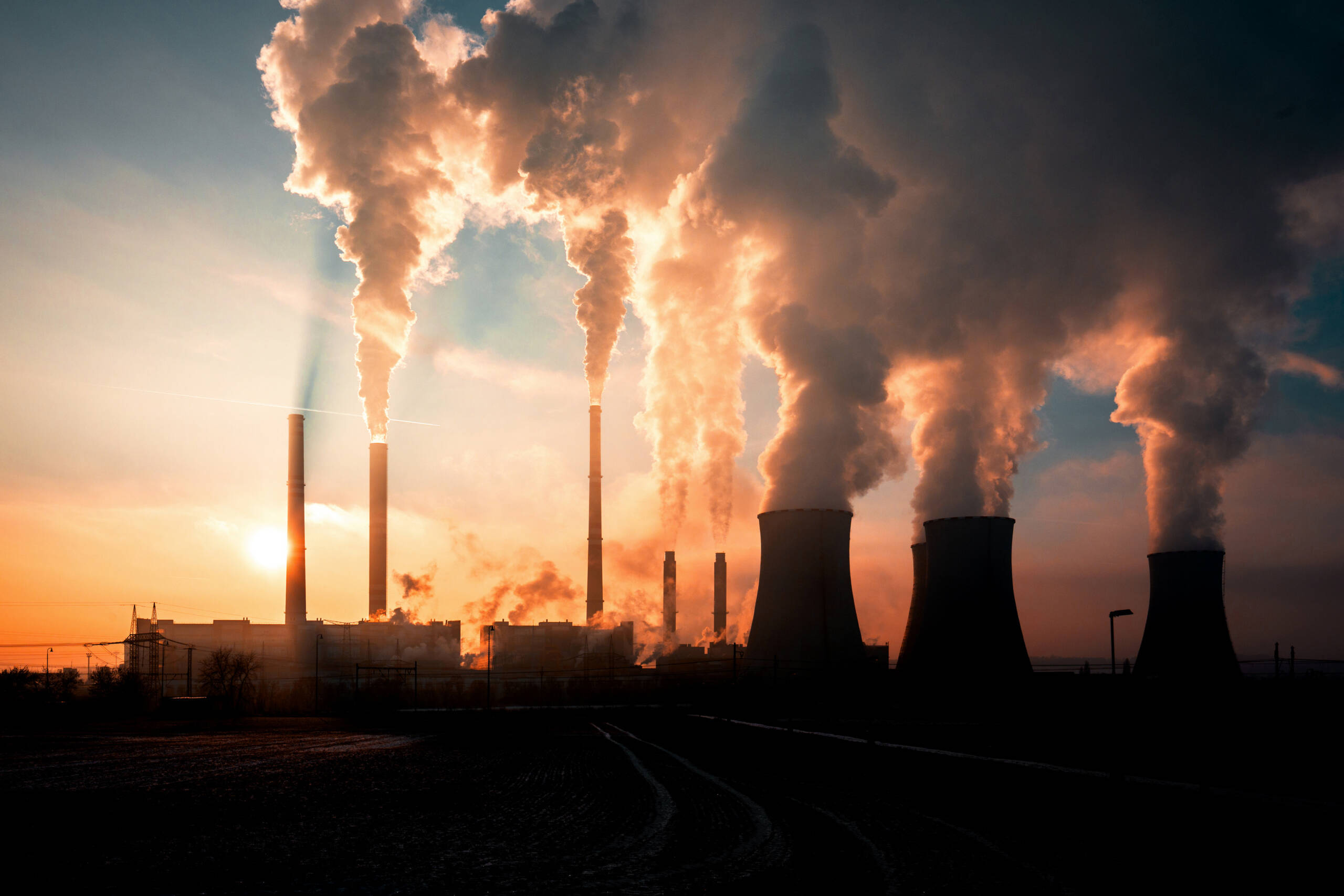
An index drawn up by PwC shows that the world needs to cut its carbon emissions five times faster than it is currently doing if it is to reach the 1.5°C target set by the Paris Agreement.
The PwC Net Zero Economy Index 2021 has indicated that a decarbonisation rate of
12.9% – more than five times greater than what was achieved over the last year (2.5%) and eight times faster than the global average over the course of the 21st century – is required to halve global emissions by 2030 and to reach net zero by mid-century. A decarbonisation rate refers to the reduction in carbon intensity or energy-related CO2 emissions per dollar of gross domestic product.
World leaders met this week in Glasgow, Scotland, at the COP26 climate change conference to discuss how the Paris Agreement targets can be met.
All sectors of the economy will need to transform to deliver net zero, Arthur Wightman, PwC’s environmental, social and governance (ESG) leader in the Caribbean, said in a press release.
Net zero refers to the balance between the amount of greenhouse gas produced and the amount removed from the atmosphere.
“Over the past year, businesses and governments have significantly stepped up their ambition to act on climate change, however, the emissions gap continues to widen,” Wightman said. “We must heed what the climate science is telling us – higher ambition and an acceleration of action is needed to keep 1.5°C in striking distance.”

Kelli Koutney, ESG partner at PwC Cayman Islands, said capital markets are expected to play a significant role in meeting the challenges of the future.
“We are excited to see the Cayman Islands play a fundamental role in seeking the climate and ESG financing solutions needed to achieve the 1.5°C objective set out in the Paris Agreement,” she said.
Even with the global economic slowdown in 2020, no country in the Group of 20 (G20) was able to achieve the 12.9% rate of decarbonisation required to limit warming to 1.5°C, PwC pointed out, and only a handful of countries have ever successfully achieved double-digit rates of decarbonisation.
Although the majority of the G20 have set ambitious climate targets, these have yet to translate into clear policy actions that will deliver the changes needed, the company noted.
Global energy demand fell by 4.3% in 2020, leading to a reduction in energy-related emissions of 5.6% (from 2019 levels) as well as a decline in total global emissions. As a result, the rate of global decarbonisation reached 2.5%, but this was just a slight increase from the 2019 rate of 2.4%, PwC stated.
But, it said, the emission reduction resulting from this energy demand anomaly still falls way short of the progress needed to keep the temperature rise below 1.5°C.
The Net Zero Economy Index tracks the decarbonisation of energy-related CO2 emissions worldwide. The analysis is underpinned by the BP Statistical Review of World Energy, which reflects carbon emissions based on the consumption of oil, gas and coal for combustion-related activities.
See the PwC Net Zero Economy Index here.
Related Videos