

Tourism and Transport Minister Kenneth Bryan is teaming up with his Barbados counterpart for the creation of a national public bus system in a bid to alleviate Cayman’s traffic congestion woes.
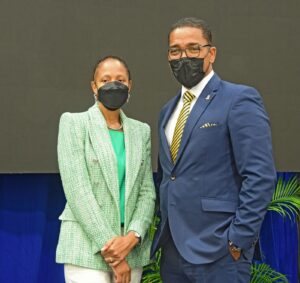
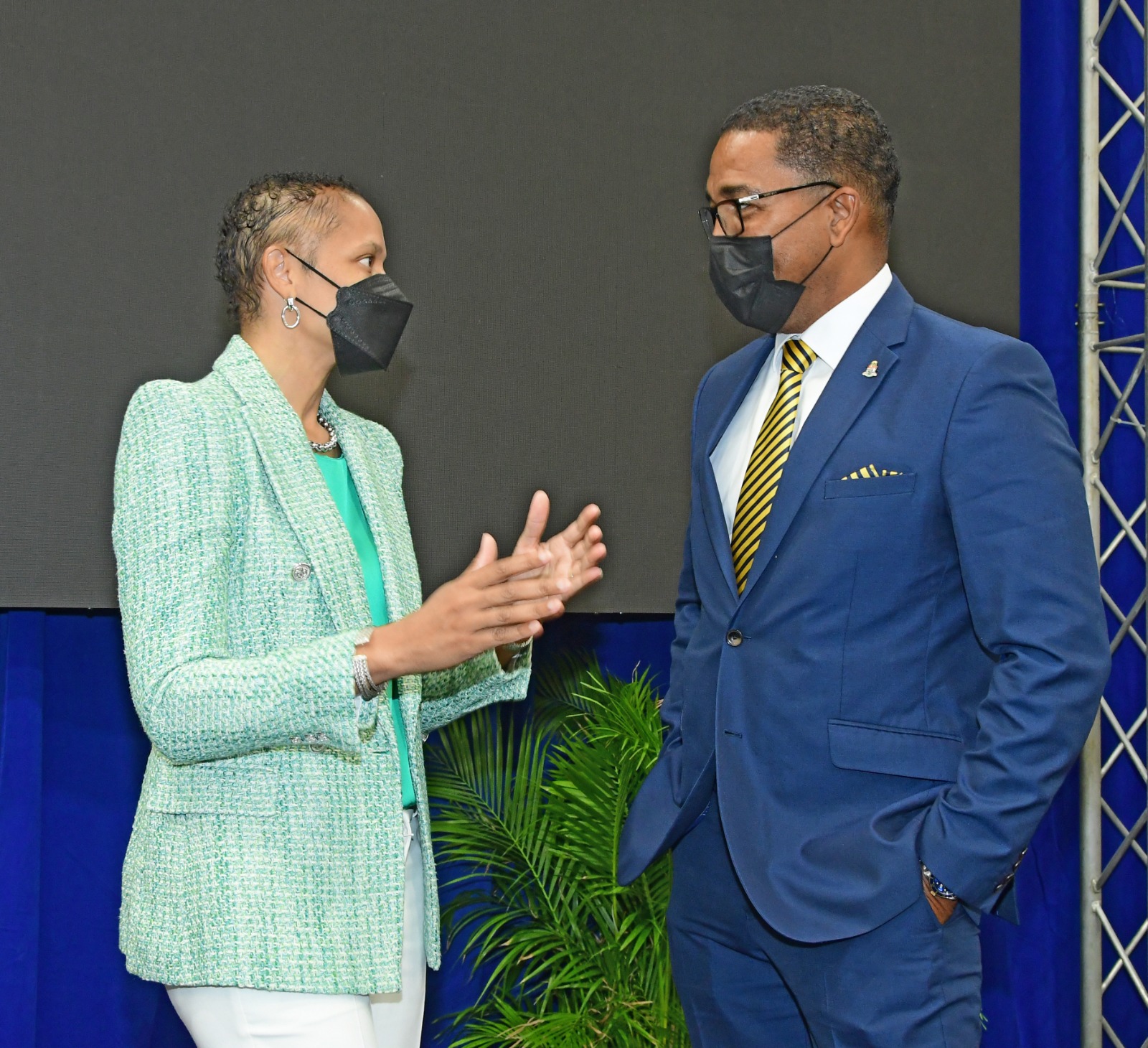
Though in the preliminary discussion stage, Bryan has set his sights on a January 2024 start date and is working with Santia Bradshaw, Barbados’ Minister for Transport, Works and Water Resources to look at making a bus network happen.
“We are trying to work out… a bit of a partnership and that partnership is information-sharing which will cost us nothing,” he said as he shared his vision for the service on the Cayman Compass Facebook talkshow The Resh Hour on Wednesday evening.
Plans for transport
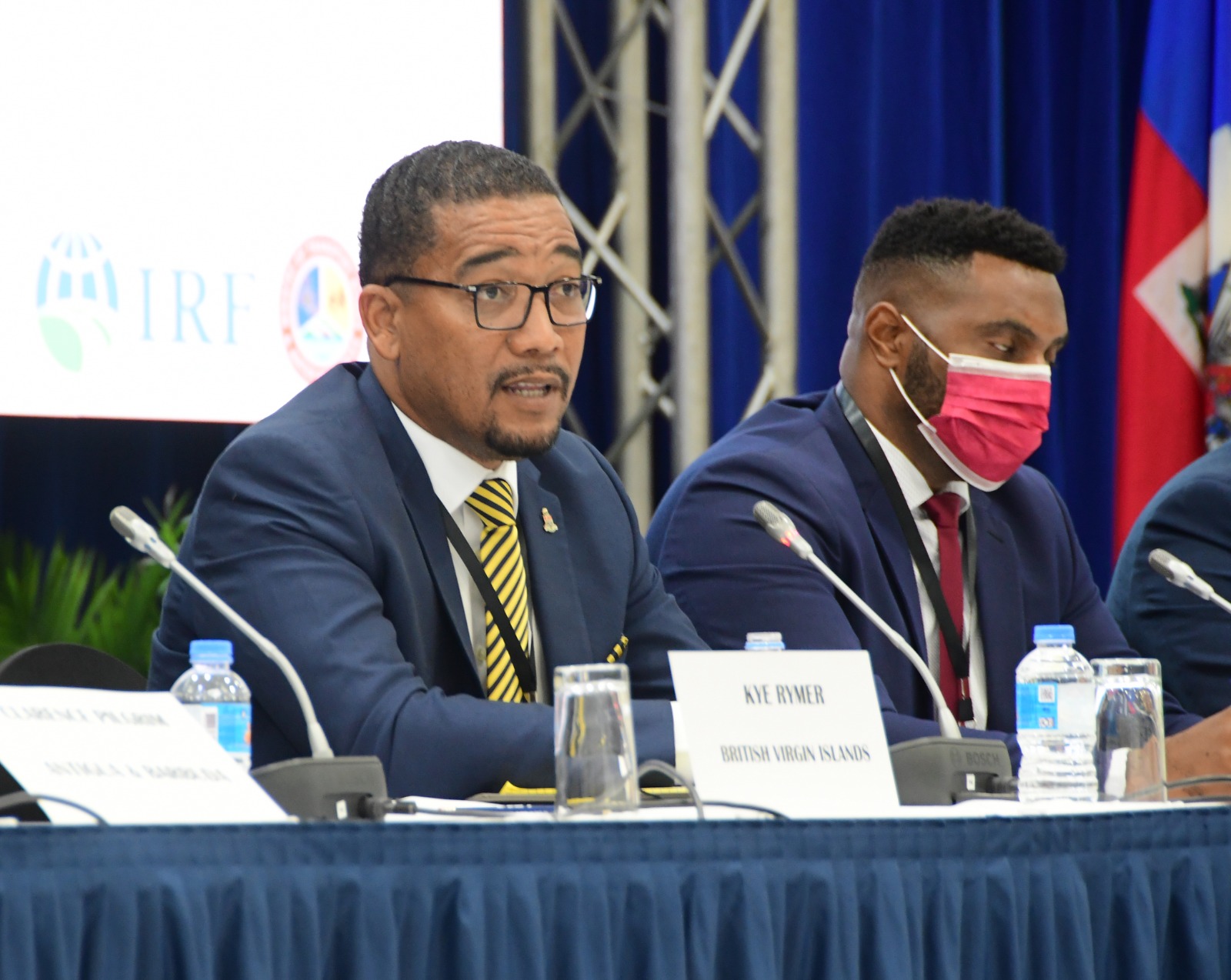
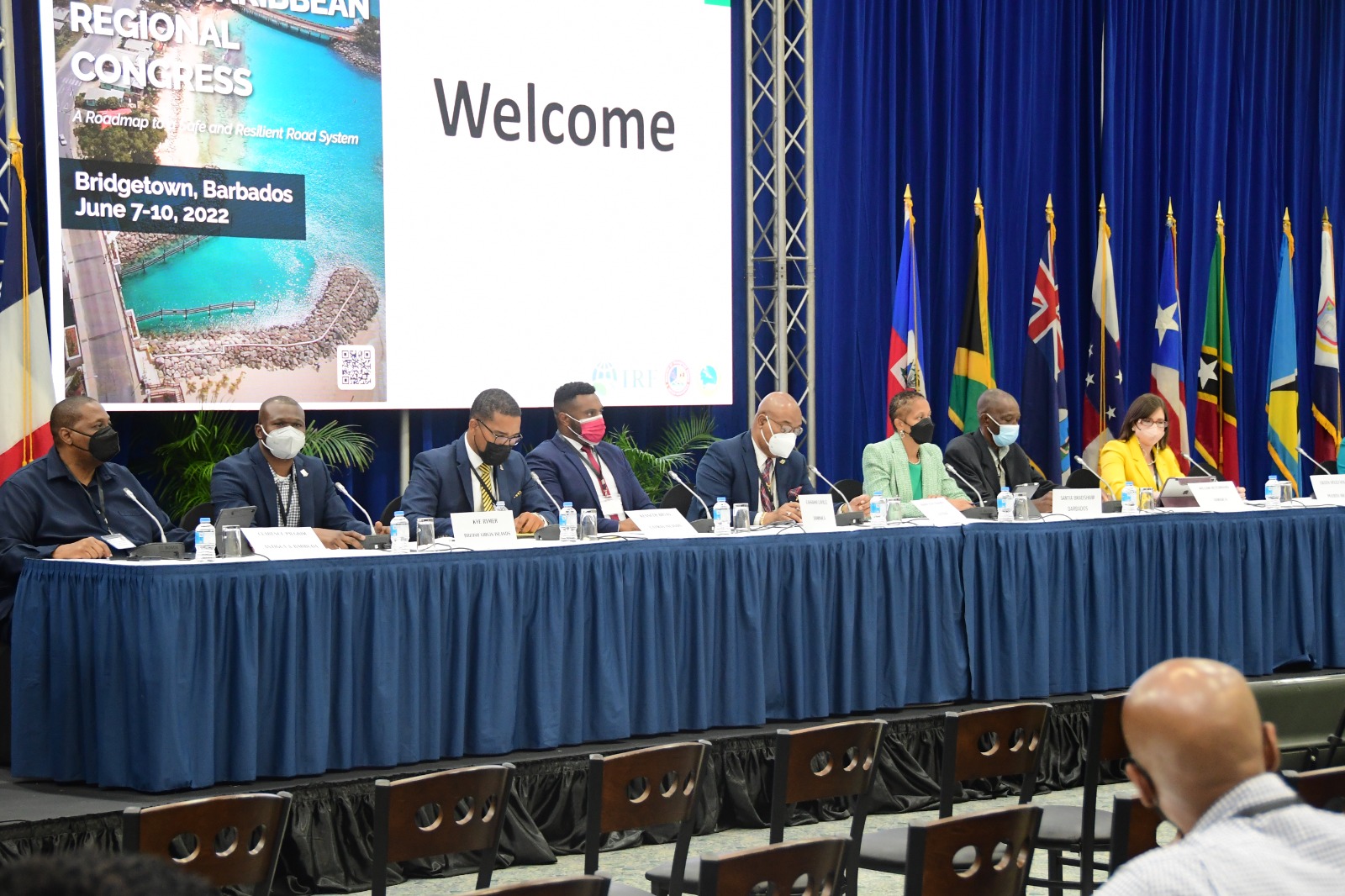
Fresh from his visit to Barbados, having attended the International Road Federation Caribbean Regional Congress, Bryan said he had gained an “understanding of where we want to go”.
“The model that they have there is a model that we would like to implement. The question is how would we implement it… whether it’s private, or public, or private and public… whether it will be under an authority, under a department, or just regulated by government,” Bryan said as he reflected on his trip.
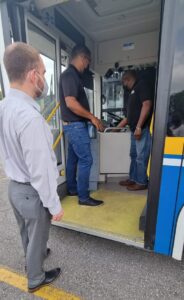
He said to get the plan up and running, which includes the buses, technology, infrastructure, terminals and other elements, government could be looking at $20 to $30 million.
The funding for this, he said, could come from the Environmental Protection Fund.
“I know I’m going get in trouble for this, but if we’re going green [it’s] time for us to use the Environmental Fund, that’s what it’s made for,” he said.
Although he said a price tag for the whole plan is yet to be determined, “my hope is that the next budget we’ll approve it before January 1st. I’ll know exactly how much money I need. My government will approve it and then we’ll have to order the buses on January 1st… that’s it”.
Barbados model can work in Cayman
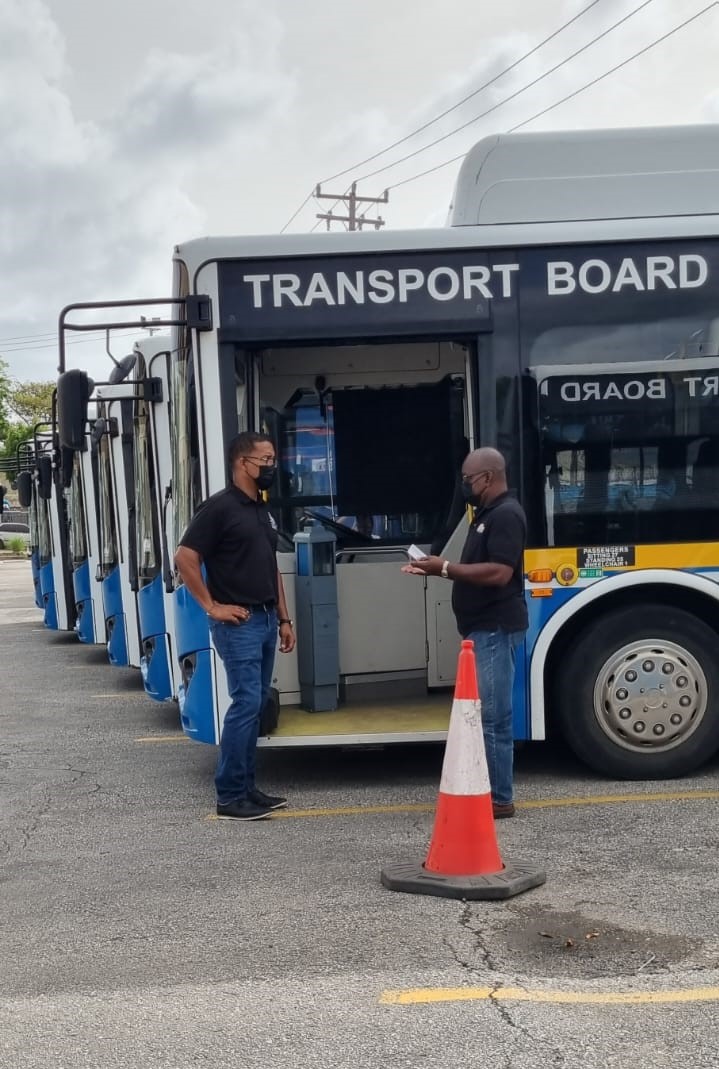
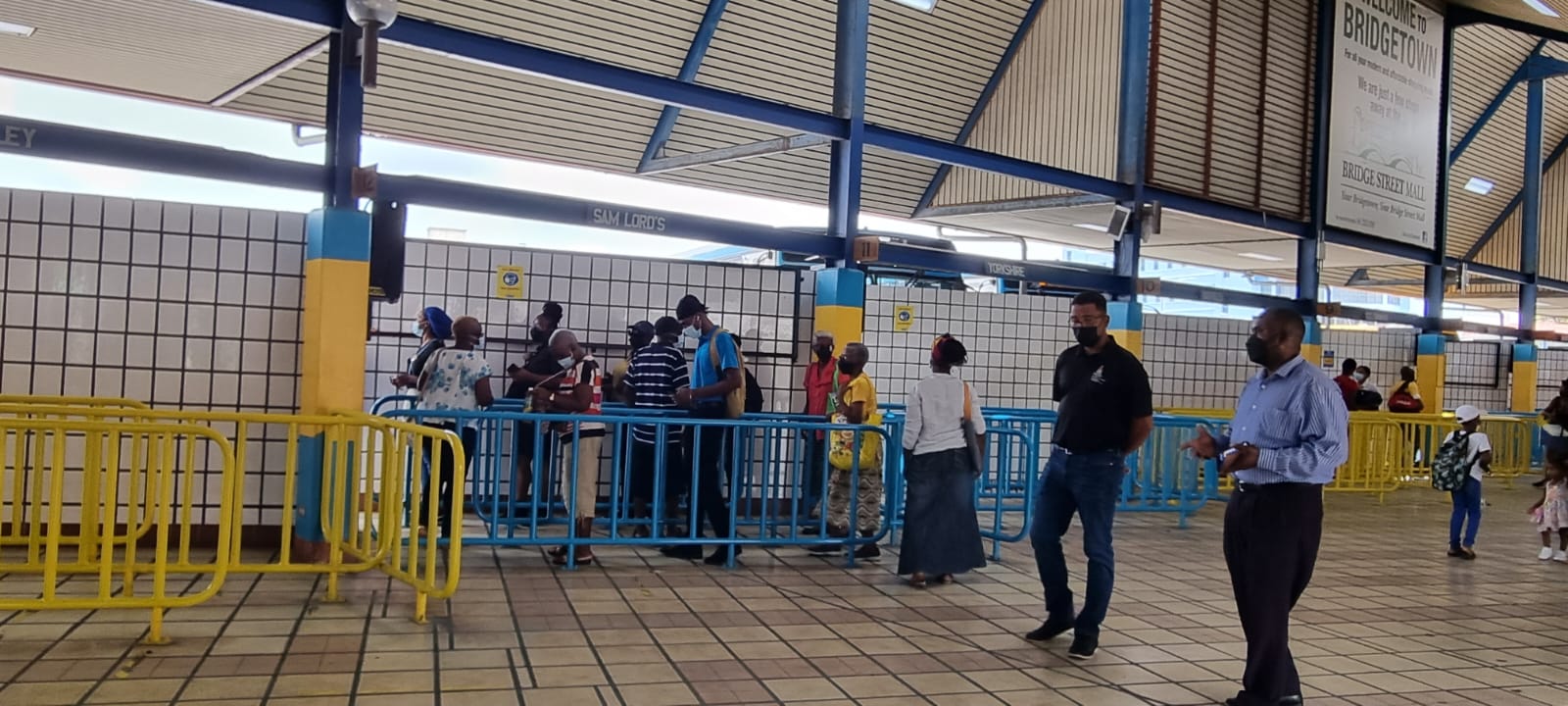
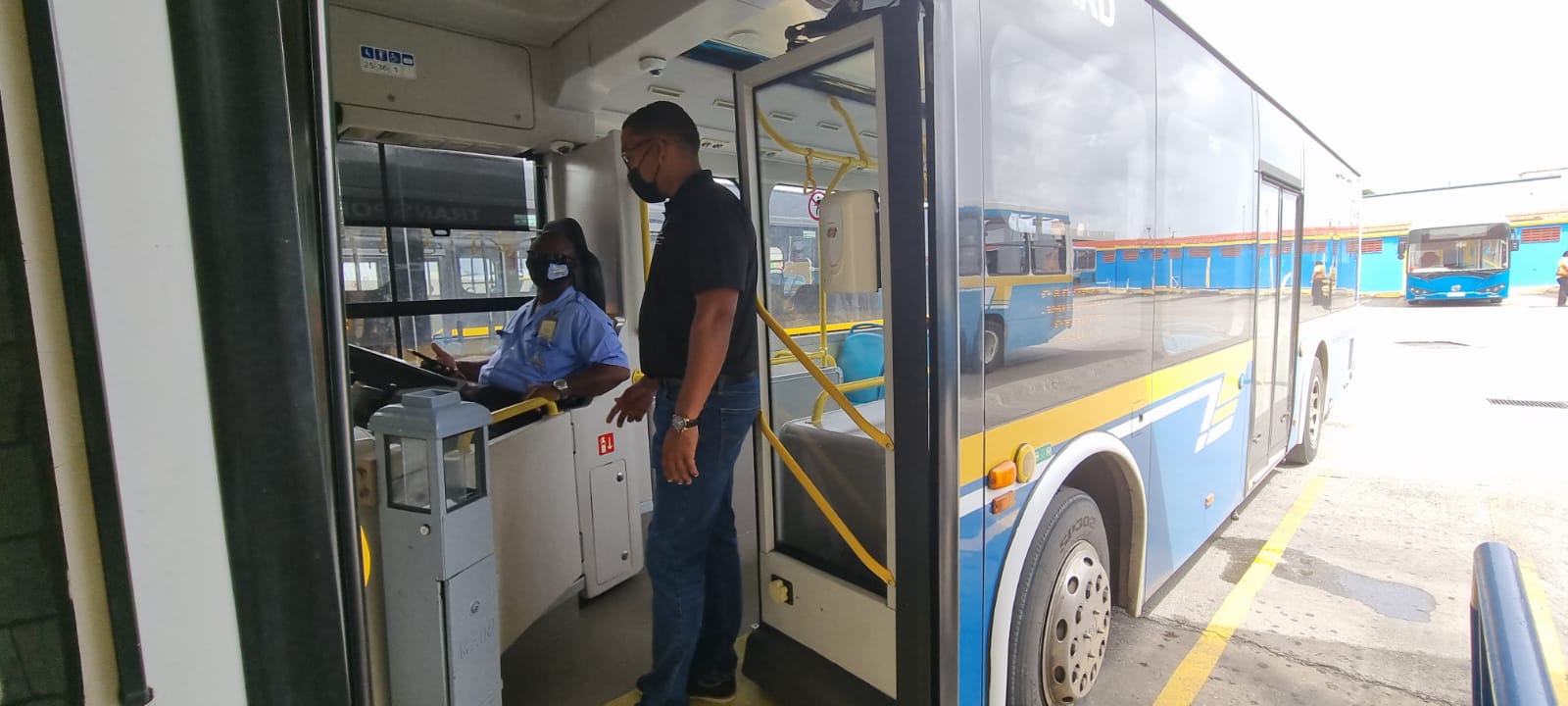
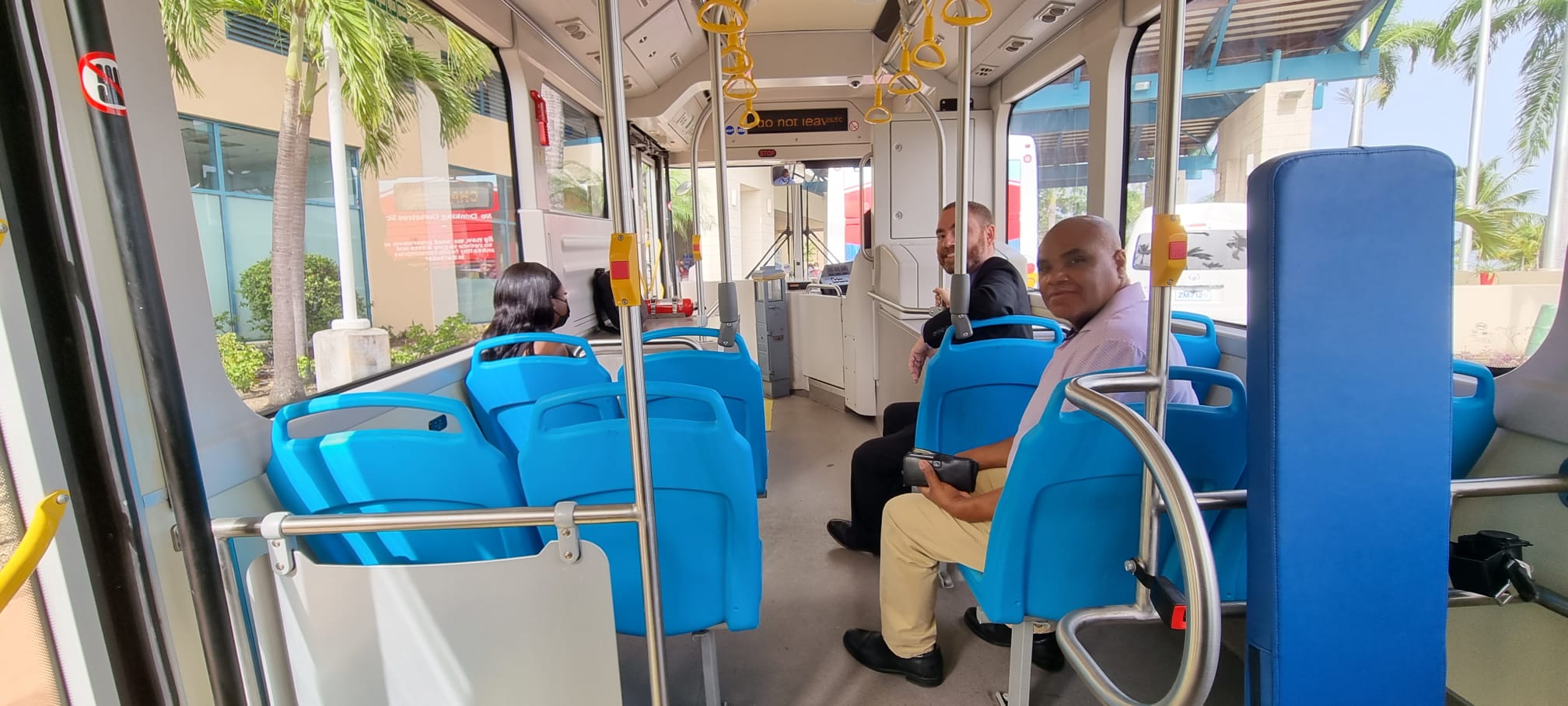
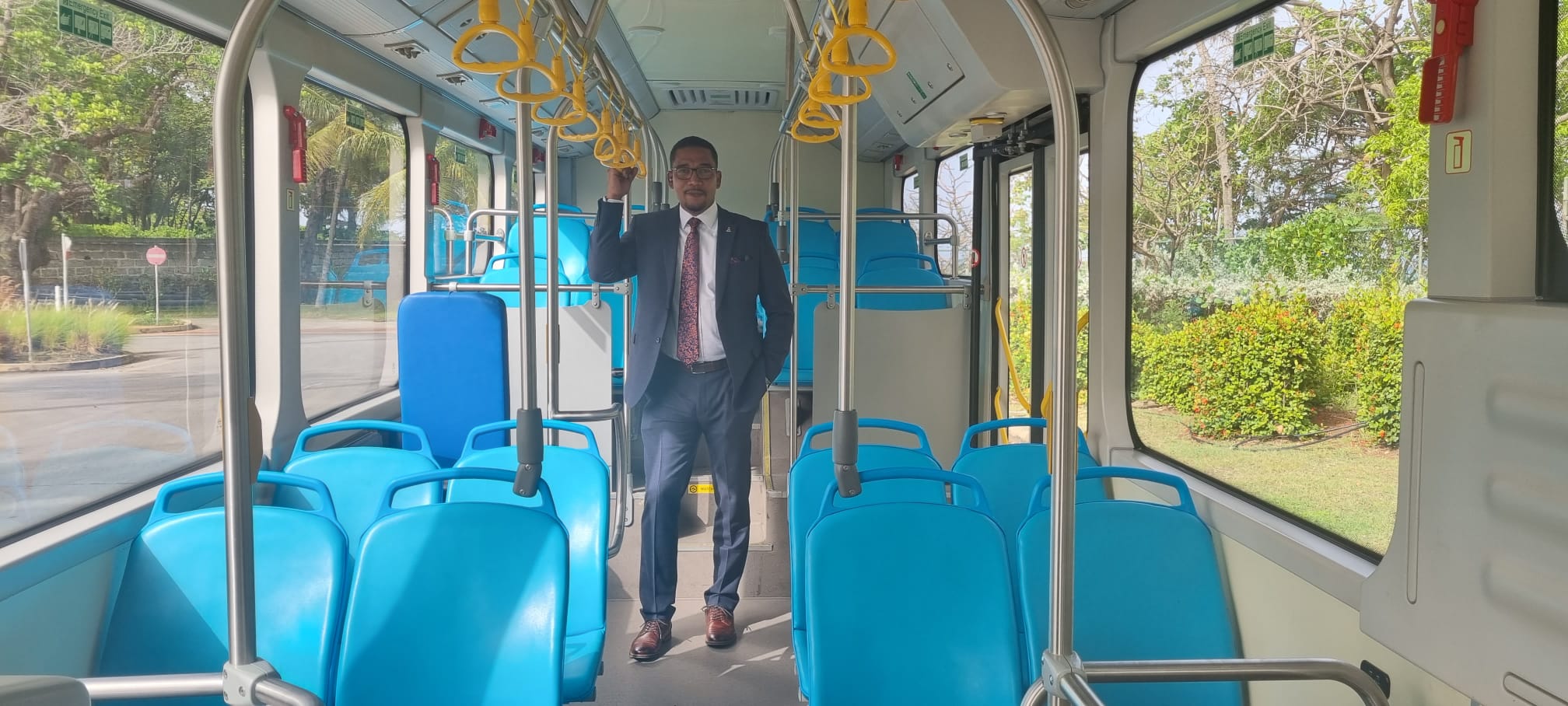
Bryan, who toured Barbados’ modern bus fleet during his visit, was impressed by what he saw.
“What we got to see was a country quite similar to ours, a small island state with a lot of the cultural norms, small roads… [winding] roads, not a lot of planned infrastructure and their commitment to renewable energy focused transportation… they had a 40 bus fleet of fully electric buses and they were amazing. They were quite something like you would see in New York or in the UK,” he said.
Each bus, he said, costs around $300,000, but he said he’s trying to focus on getting the rest of the region’s leaders to work together to pool the buying power they could command as a group.
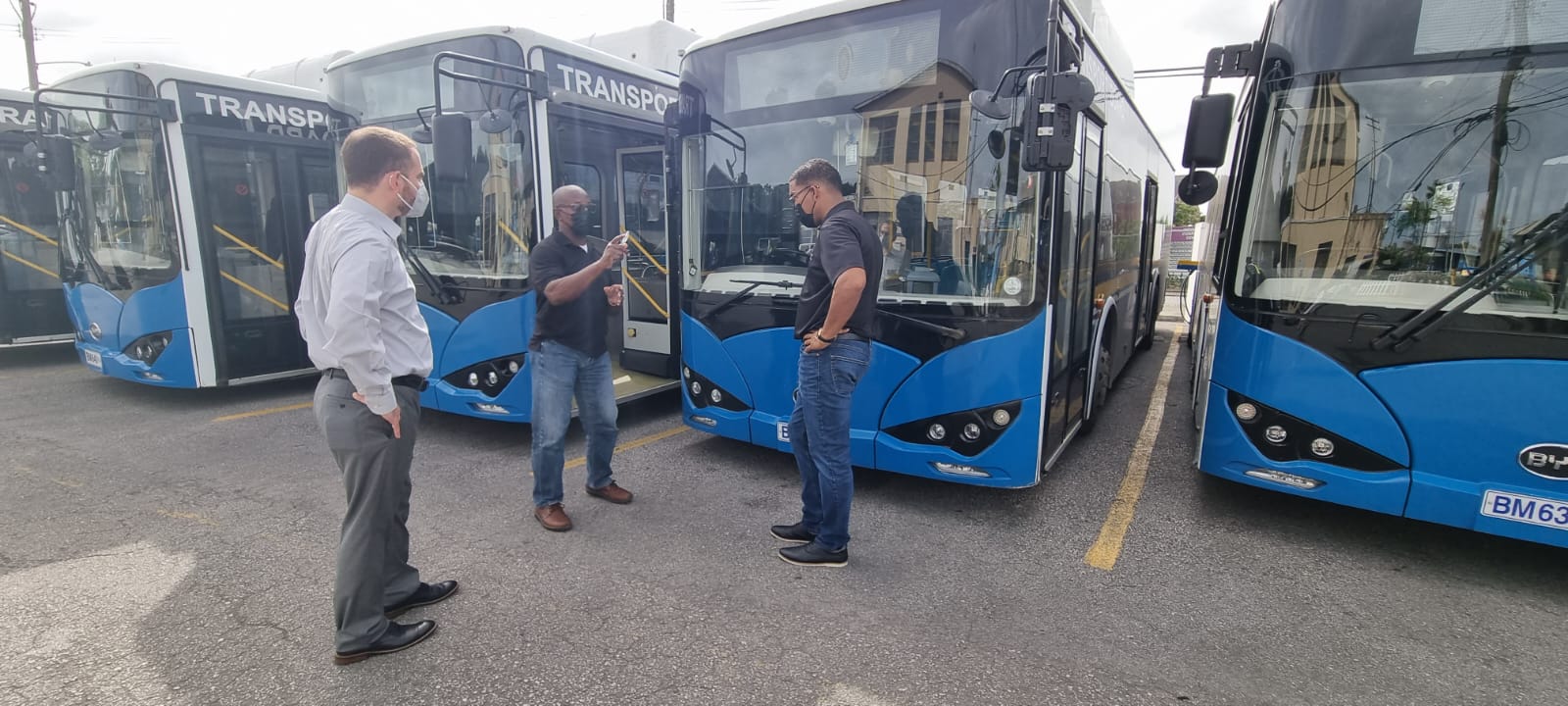
He said there is networking happening in the background with Barbados to strengthen buying power while Cayman looks at its legislative and infrastructure set-up.
“I’m hoping that once, if we can get an agreement… we don’t have to reinvent the wheel. We already know it,” he said.
Cayman’s road infrastructure, he said, is “amazing” and would facilitate an “easier, quicker and more efficient” implementation of an electric bus system than in Barbados.
“They have a lot of narrow roads and they can’t change because there’s houses on either side. So I think that if we get that model, we get that agreement I think we can be up and running really quickly, but we would have to make sure that there’s a commitment from a financial perspective,” he said.
Mapping the plan, a work in progress
Cayman has 10 main routes, he said, which would need at least two electric buses each.
“So that’s 20 buses, times $300,000. That’s just the buses alone. You probably wanna do at least an extra three to four to have in the event one goes down to make sure that the bus routes are running fine. You also have to think about infrastructure of the electric system,” he said.
Bryan acknowledged that the system could adversely impact the public bus drivers, however he said Caymanian drivers will be absorbed into the plan.
Government, he said, has to do what is in the best interest of the Islands, which is to bring Caymanian drivers into a publicly-run service, train and employ them.
“Be a driver, you’ll have a salary. You don’t [have to] be out there hustling… bustling for a dollar every day. Be under this system and we’ll make sure they have a job so they don’t have to worry,” he said.
Related Videos











In London, UK, well over 90% of journeys are by public transport. This is irrespective of levels of wealth and car ownership, as it is simply quicker and easier than sitting in traffic.
Buses need bus lanes that are ONLY used by buses and where CCTV and rear-facing cameras on buses etc create instant fines that deter cars from entering those lanes. This works, eg in Edinburgh where airport buses go fast into the city centre as they have such lanes, often in less than half the time of rush hour traffic in cars and trucks.
I welcome this move, and at the same time recognise that we must have the bravery to move past the idea that we will always be dominated by cars.
Let me use cycling as an example. Cayman is flat and the vast majority of commuter journeys are under 10 miles each way. Ideal for bikes, even though “Cayman is too hot!” you may complain. So, let’s use some lateral thinking and start using electric bikes (or even scooters), so you don’t get hot, as you are not making any effort, just enjoying the breeze at c15mph.
This absolutely makes sense, but to do so a) again it must be faster (commuters would only dream of averaging 15+ mph on their car commute) and b) Safe. I’ll say it again, SAFE.
For high school kids to ride to school, as well as adults not that familiar with cycling, we need the NRA reserving space for segregated bike lanes on all main routes (and by segregated I mean divided with a concrete kerb and/or bollards/wands for safety), as well as ensuring budget to keep these bike lanes swept clean so they are safe to ride on without puncturing. I didn’t see any of this in their most recent grand-scale plans for road expansions and improvements. The current sporadic painted lines are not at all safe, in fact, they are known in other countries as “murder strips” as they may make some cyclists feel safe.. until a motorist ignores them and hits them down.
Next on joined-up thinking are Planning, Building Control, Trade and Business Licencing etc who must become joined up to both ensure new builds have showers and lockers and bike storage, plus encourage retrofitting to older buildings. (I first started talking about this in Cayman in 1989, nothing has changed to encourage or insist on such provisioning).
So, yes to buses, but to get people out of their cars, we must make buses faster than cars (oh, and they must run at least every 10 minutes at peak times, two buses per route is nowhere near enough, Minister Bryan). Let us also create those segregated bike lanes, plus, where they are not yet possible, bikes be allowed in the bus lanes.
All well and good, but Barbados has a population in excess of 300,00 people and has more roads and villages. Large buses like the one shown would not be feasible here, where most families own at least one vehicle, so the buses would likely run partially loaded. The Toyota Transit 32 passenger vehicles would be more than adequate, and cost less to purchase. There should already be 2 new ones that were “mothballed” when the supposed shuttle was meant to service down town George Town.
I agree with you that some smaller buses, such as the ones mentioned, would be more appropriate for some our roads. Especially in West Bay. However, the island wants to reach a population of 100k, and so the infrastructure needs to be put in place to accommodate that before we reach that milestone. The island has been very reactionary, we need to start getting a little more proactive!
Excellent move, good looking buses. I’m sure more people would be inclined to take them than the vans we have now, which I avoid because it’s difficult to get in and out of them.
I used to “catch bus” from Oistins to Speightstown to go to school each day. Cayman would do well to emulate this public transport and finally offer reliable and affordable green solutions for its people.
A step in the right direction for sure, but this needs to be about more than ‘getting electric buses on the road’. There needs to be a complete overhaul on how our bus system works.
Bring the private drivers into a public system, with a salary and benefits.
Make the service run 24 hours a day, with a reduced overnight service, to minimise drink driving and offer alternatives to the extortionate taxis.
Have set routes and set times to allow people to plan their commute adequately, with live updates either at the stops or via an app.
Build proper shaded pavements/sidewalks with covered bus stops to encourage people to walk and give them somewhere safe to wait for the bus, rather than just the verge of the road. Also start fining/towing people that use the sidewalks as ad hoc parking spaces!
Put speed limiters on the vehicles to ensure drivers aren’t travelling/overtaking at 60 mph.
This could be a great opportunity for Grand Cayman, it is now up to the government as to whether they will grab it with both hands.