A proposed new law seeks to provide broader support for families in need in the Cayman Islands. The Financial Assistance Bill aims to replace out-dated and inadequate legislation underpinning the islands’ welfare system.
The bill is, in part, a response to a damning report from 2015 which found little organisation or accountability for the $50 million government was spending annually to support the most vulnerable in society. It is a comprehensive 30-page document that aims to replace the two-page Poor Relief Law, first published in 1964.
It does not include any increase in the cash amounts offered, but creates the flexibility for Cabinet to agree increases, for example to counter the impact of the cost-of-living.
Currently, 1,419 families receive some form of support from the Needs Assessment Unit. This includes temporary rental payments – ranging from $1,200-$1,800 per month, depending on family size – food vouchers and a $950-stipend for qualifying elderly people.
The unit has been beset with complaints about inefficiency and lack of flexibility in responding to the needs of people in crisis over the years.
Anyone with household earnings of over $3,000-a-month is currently disqualified from receiving aid, regardless of the size of their family. The legislation creates the potential for a tiered system that includes a higher threshold for larger families, with officials warning the current system incentivises people not to work.
Minister of Social Development André Ebanks, who took office last year, hailed the publication of the bill – which follows months of consultation with non-profits and other interested parties – as a “landmark” moment.
He said it also aimed to provide a “bridge” for able-bodied people to get back to self-sufficiency.
The bill was published Friday and is open for consultation for the next 28 days. It is expected to go before Parliament in September.
According to ministry officials, it is just one aspect of sweeping welfare reform plans that also involve a major boost in staff numbers to help meet rising demand.
New and expanded offices for the Needs Assessment Unit in Grand Cayman and Cayman Brac are planned, and the unit will also be rebranded and renamed as the Department of Financial Assistance.
The legislation itself seeks to close a number of loopholes that have prevented people in need from getting support, provide a legislative framework for current Needs Assessment Unit policies, and seeks to provide better access to volunteering, internship and training opportunities for those receiving government money.
While the law creates the framework for a more structured welfare system, much of the detail will be found in the accompanying regulations, which are still in draft form.
Ebanks said the law was just one step in a reform process.
“We need sweeping, wholesale changes to modernise Government’s involvement with social development in the Cayman Islands, and the ministry will continue to pursue reforms to deliver those changes for the benefit of our people,” he stated in a press release announcing the bill’s publication.
Here we take a point-by-point look at what the bill and associated reforms seek to do.
Welfare to work
The bill includes scope for financial assistance officers to require recipients of financial aid sign up with WORC’s job finder services, compel them to take volunteering opportunities or internships that could enhance their skill-sets or attend training courses. They could also be required to seek mental health support or take parenting classes, where appropriate, with criteria imposed on a case-by-case basis.
Transitional payments
Anyone coming off government support and going back to work may be eligible for payment as a “bridge” to their first paycheque.
Swifter response times
The bill incorporates scope for Cabinet to set a specific minimum timeline for applications to be processed. A common complaint over the past few years has been that it often takes too long to find out if an application for aid has been granted.
New appeals process
Anyone denied services will be able to apply for reconsideration about any aspect of a decision made by financial services officers. The bill sets up a new Financial Assistance Appeals Tribunal, to be chaired by a lawyer and co-chaired by a health and human services professional. The panel is empowered to reconsider the decision.
Penalties for misinformation
The law, for the first time, creates a specific criminal offence of providing false information to the NAU. Anyone who gives inaccurate information to get benefits could face a $3,000 fine or six months in prison
Fewer people fall through cracks
Currently, anyone with a household income above a certain threshold is denied aid.
The Compass covered a case last year of an elderly woman, suffering from cancer, who could not access financial support, because her granddaughter, who also lived in the family home, had an income. Cabinet will also consider tweaks for the purposes of calculating eligibility for aid, such as excluding the incomes of adult relatives residing in the same household as elderly or disabled people.
Mehr Petkovsek, a policy advisor in the Ministry of Social Development, said seemingly minor changes like this could result in fewer people “falling through the cracks”.
Flexibility for larger families
The Compass recently featured the case of a family of five, with two working parents, who had to go to charity for food support because they did not qualify for government aid.
At the moment, anyone with household earnings of more than $3,000 is disqualified from aid. That’s the same for a single person living alone or a family with eight children. The regulations will build in new flexibility to consider the size of the household, according to ministry officials.
Rayle Roberts, deputy chief officer in the ministry, said the current thresholds were causing unintended consequences.
“Sometimes a family makes a decision not to work (so they can qualify for aid) if they are better off not working.”
He said the aim was to change that.
Structure of the system won’t change
Changing the entire system, for example, to offer monthly cash payments – similar to the tourism stipend or UK-style unemployment benefits – was not considered necessary, according to ministry officials.
The basic structure of the NAU payments will remain. These include rental support – paid direct to landlords and food relief, paid through food vouchers and stipends to the elderly and disabled.
Petkovsek said the feedback from clients and non-profits in a series of focus groups was that “the system is not broken”.
She said the issues were more around efficiency and the processing of applications.
The NAU is staffing up
To help implement the new system and deal with escalating demand, 13 new positions have been created at the unit, which will bring the total number of staff to 49. That includes a mix of financial services assessment officers and call-centre staff.
Petkovsek said that would help the unit process requests quicker and expedite payments, once services have been approved. A common complaint is that the NAU is too slow to pay rent, for example, meaning landlords are reluctant to take tenants from the unit.
Consideration is also being given to paying deposits – another common barrier for people on government support – to gain accommodation. This is not in the legislation, however.
Payments could increase
Amid a cost-of-living crisis, questions have again been raised about whether the rental assistance and other payments provided by government through the NAU go far enough.
The law itself doesn’t set these amounts but Cabinet has capacity to alter them through the regulations.
Bill to be debated in September
The bill is open for public feedback and will be debated at the next session of Parliament, likely in September, before being passed into law, if a majority of MPs approve.
Tamara Ebanks, acting chief officer of the Ministry of Social Development, said, “If passed by Parliament, the Financial Assistance Bill will repeal an essentially two-page Act, originally enacted in 1964, that was last updated 25 years ago. It is a concrete demonstration of the profound commitment of the ministry to re-imagining social development in the Cayman Islands.”
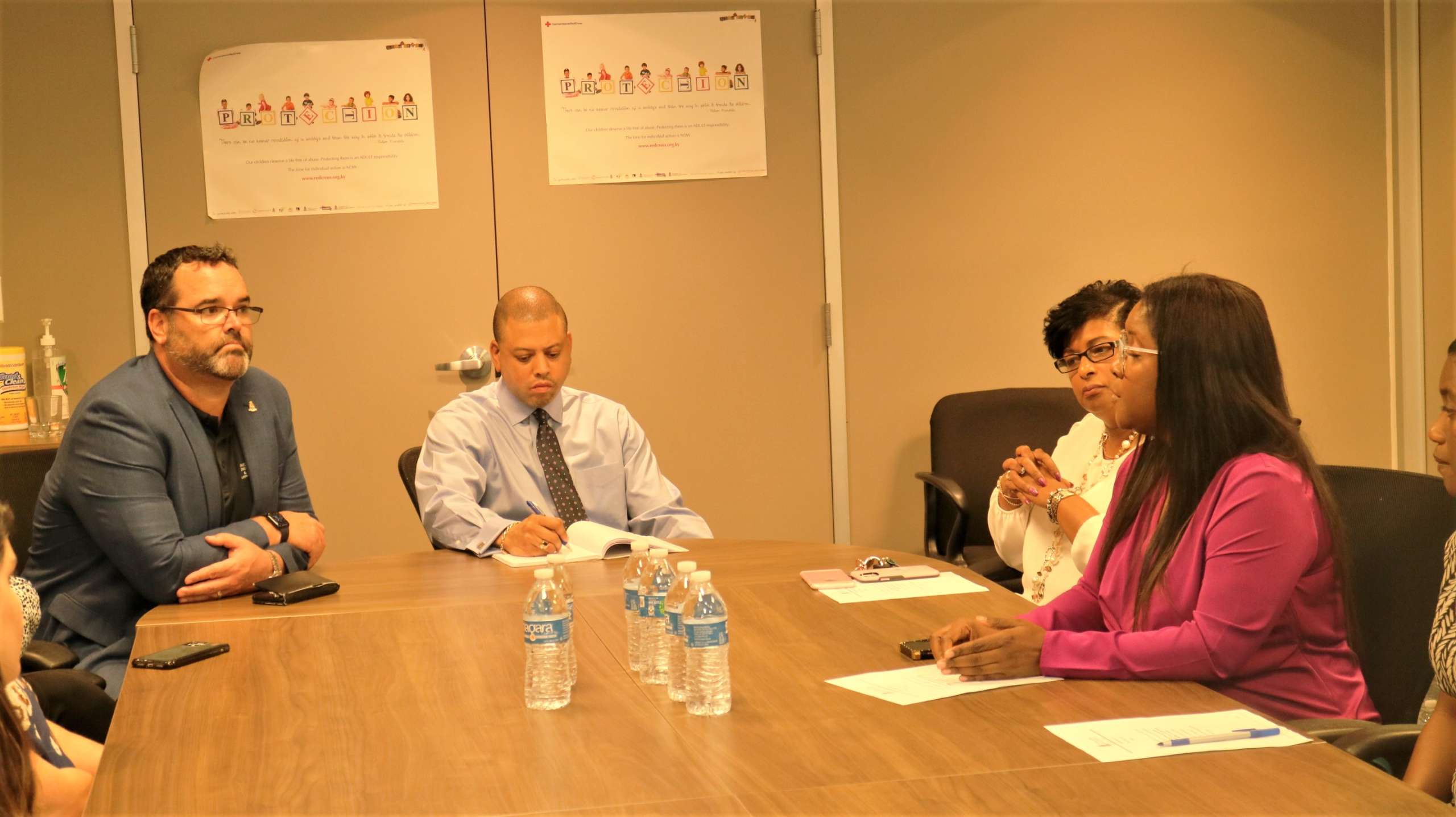
Roberts said the bill had emerged from significant and extensive consultations undertaken by the ministry with a wide array of community partners, including health practitioners, other professionals, non-government organisations, philanthropic and civic organisations.
Related Videos