

The National Trust has completed the purchase of a section of untouched Mastic Forest, hailing its historical significance and conservation value.
“As development moves eastward, it is important that key sites like this are protected for future generations,” Catherine Childs, National Trust environmental programmes manager, told the Cayman Compass Tuesday via email.
She said the new purchase has added to the Mastic Reserve since the small parcel borders the Trust’s existing protected area.
“Without sanctuaries of undisturbed natural areas set aside for our local species, how will our children know their legacy that is Cayman’s unspoiled beauty? This parcel is a small addition, but every little piece protected is another piece of Cayman that will forever remain wild and untouched,” she said.
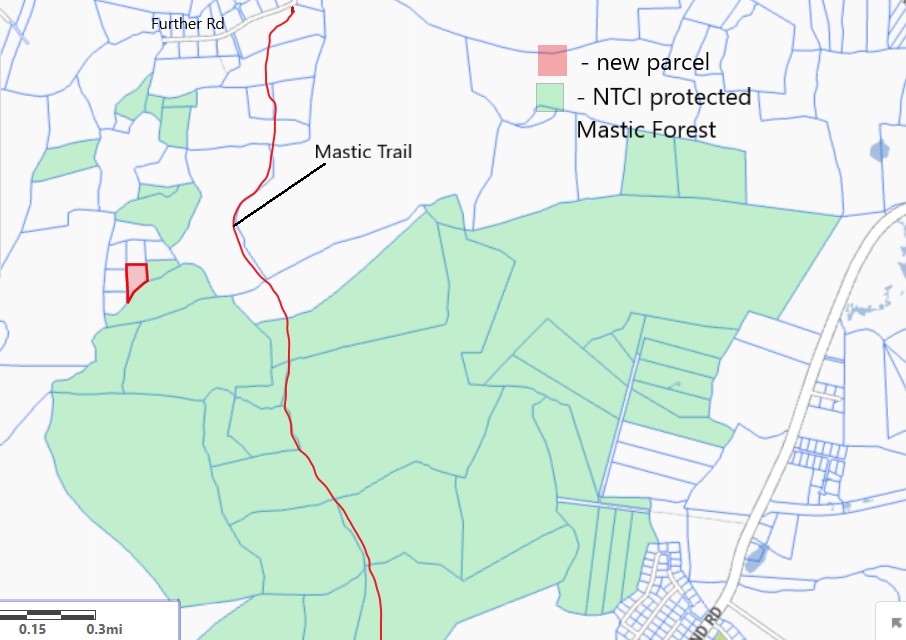
Childs declined to share the cost of acquiring the property or its size.
However, she said that the property was successfully secured for conservation because Carla Reid, a member of the community, flagged that it was for sale.
Reid, Childs added, has been working with the National Trust to preserve key environmental sites for many years.
“We rely on the public for donations to the Land Reserve Fund so that we can act on opportunities like this, but also to keep us informed about natural areas that may be available. By working together, the community and the National Trust can save the best parts of Cayman for ourselves, for visitors that come here to see our natural beauty, and for our children and their children,” she said.
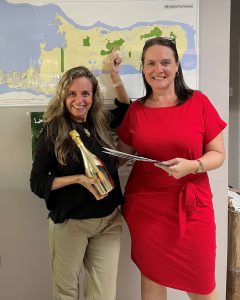
Following the tip from Reid, the Trust engaged with realtor Michele Bryan to purchase the pristine forest area.
“This adds to the large area of land that is now protected due to the tireless dedication of Carla. We all owe her a debt of gratitude,” the Trust wrote on its official Facebook page.
Childs explained the Mastic Reserve was established in 1992 to protect the largest area of untouched, old-growth forest in Grand Cayman.
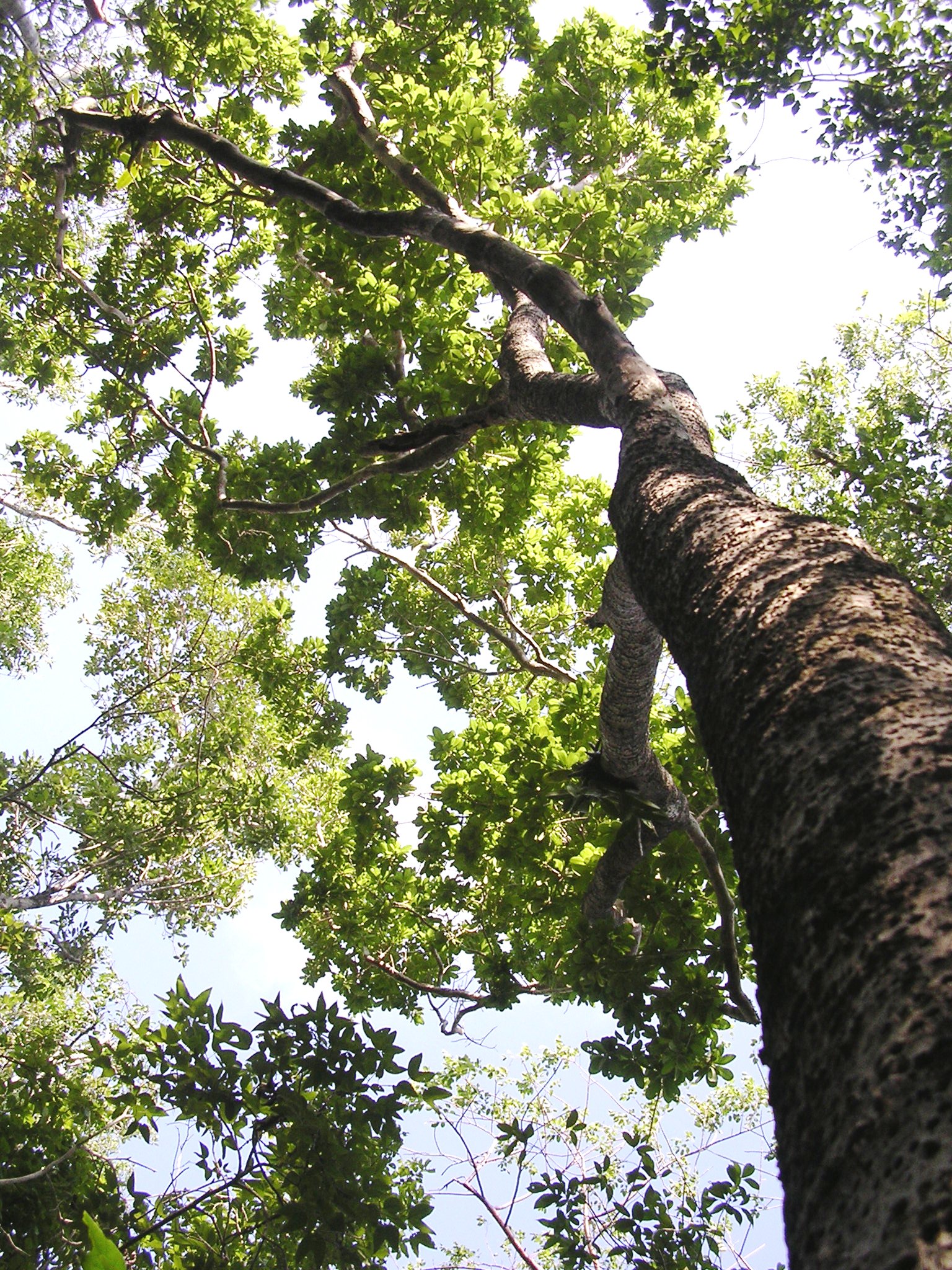
“This is the highest part of the island, and the woodland has been evolving here undisturbed for the last two million years. Located in the rugged interior, the Mastic Reserve is of international significance, representing some of the last remaining examples of the Caribbean’s lowland, semi-deciduous dry forest, and is home to a wide variety of animals and plants unique to the Cayman Islands,” Childs said.
She pointed out that rare trees, such as cedar and mahogany, as well as a huge mastic tree, are visible along the Mastic Trail.
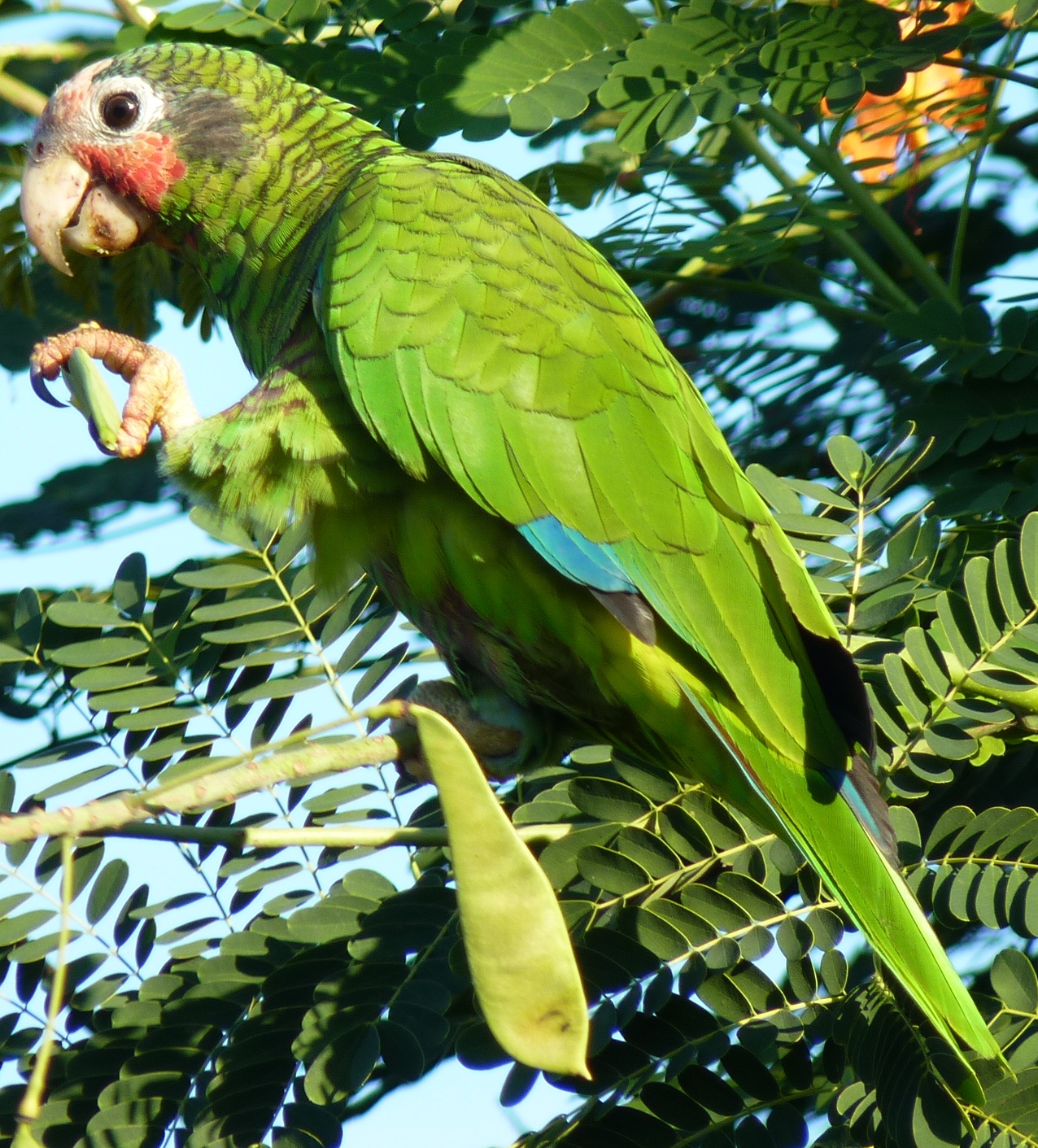
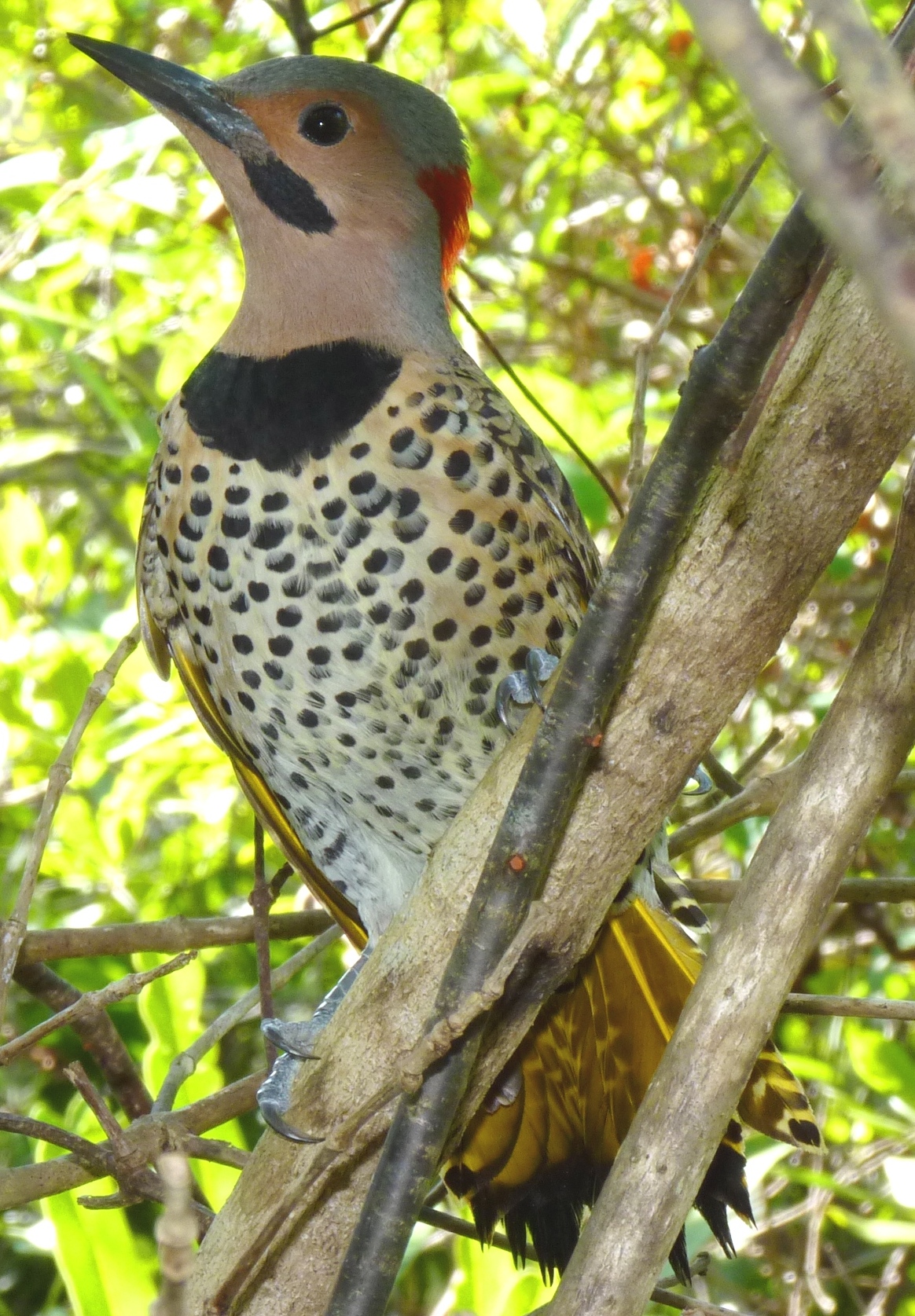
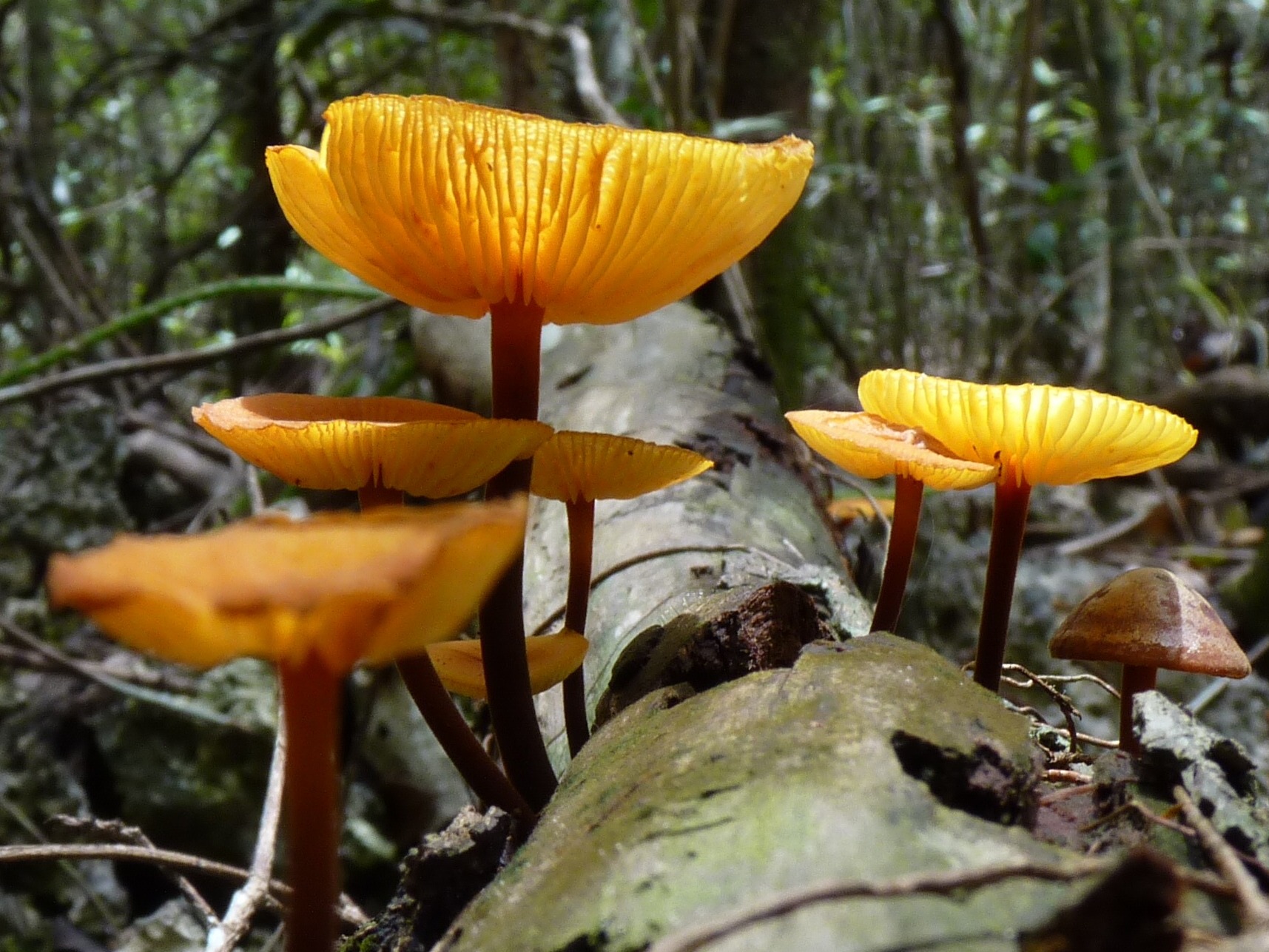
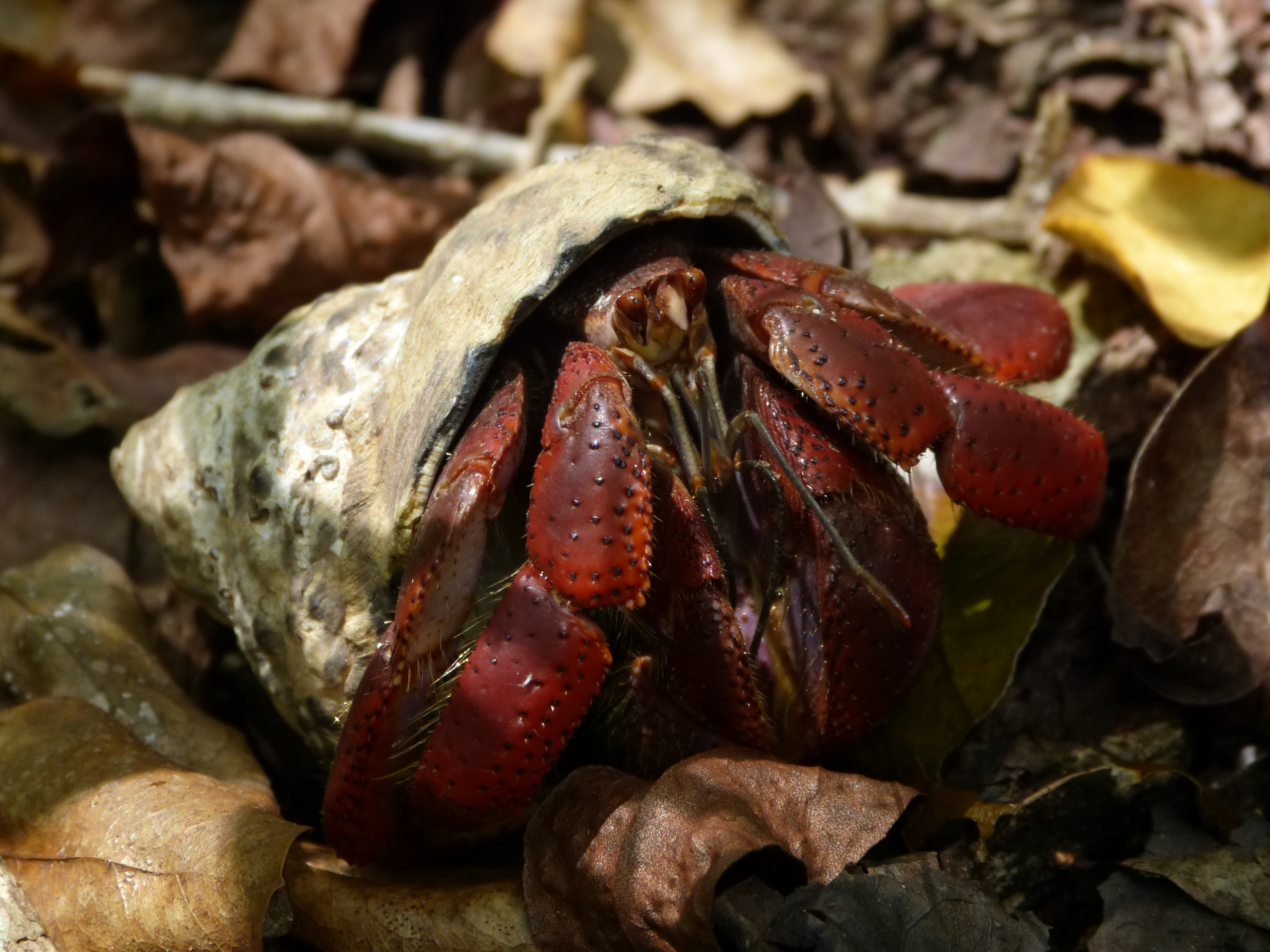
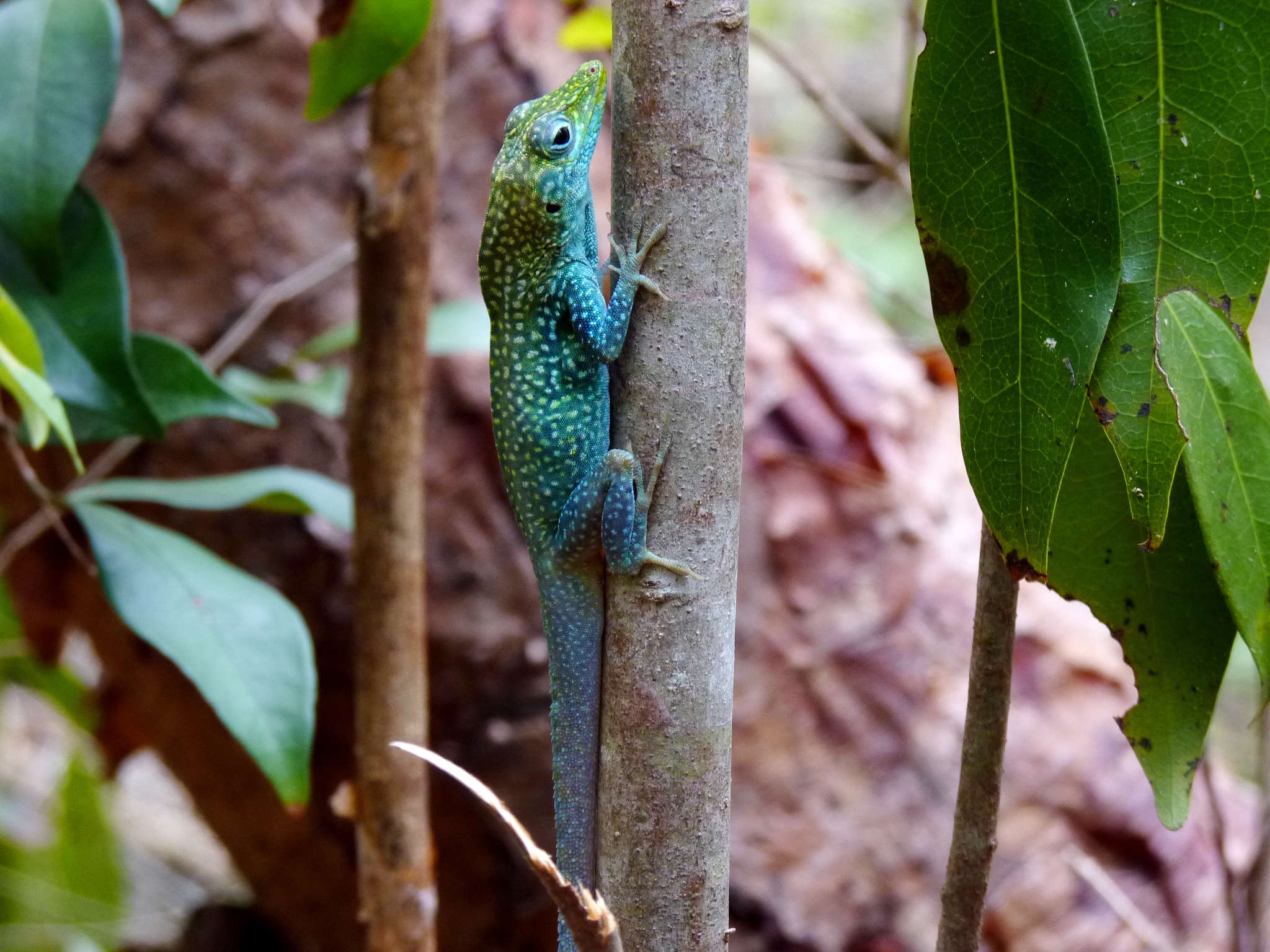
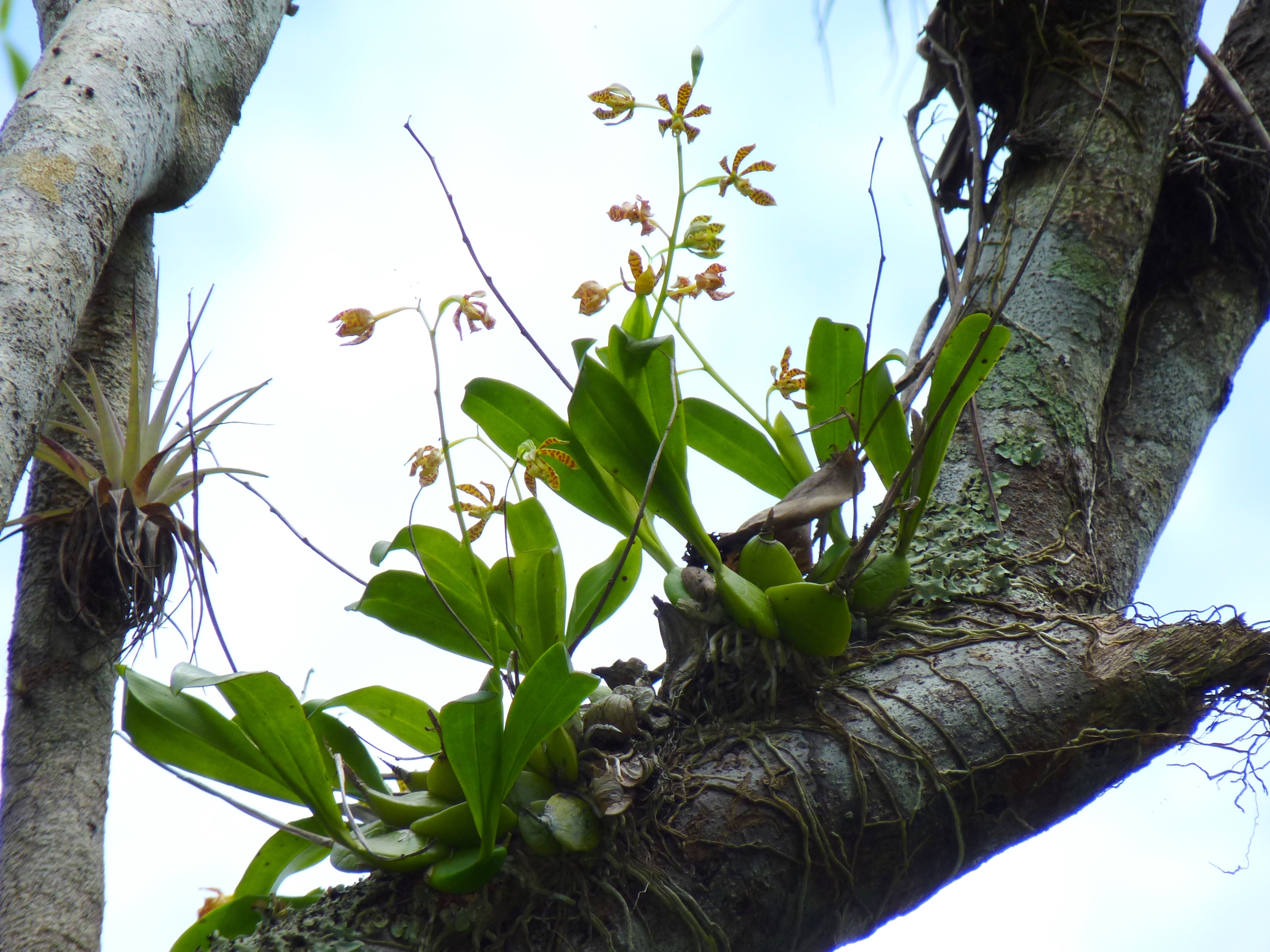
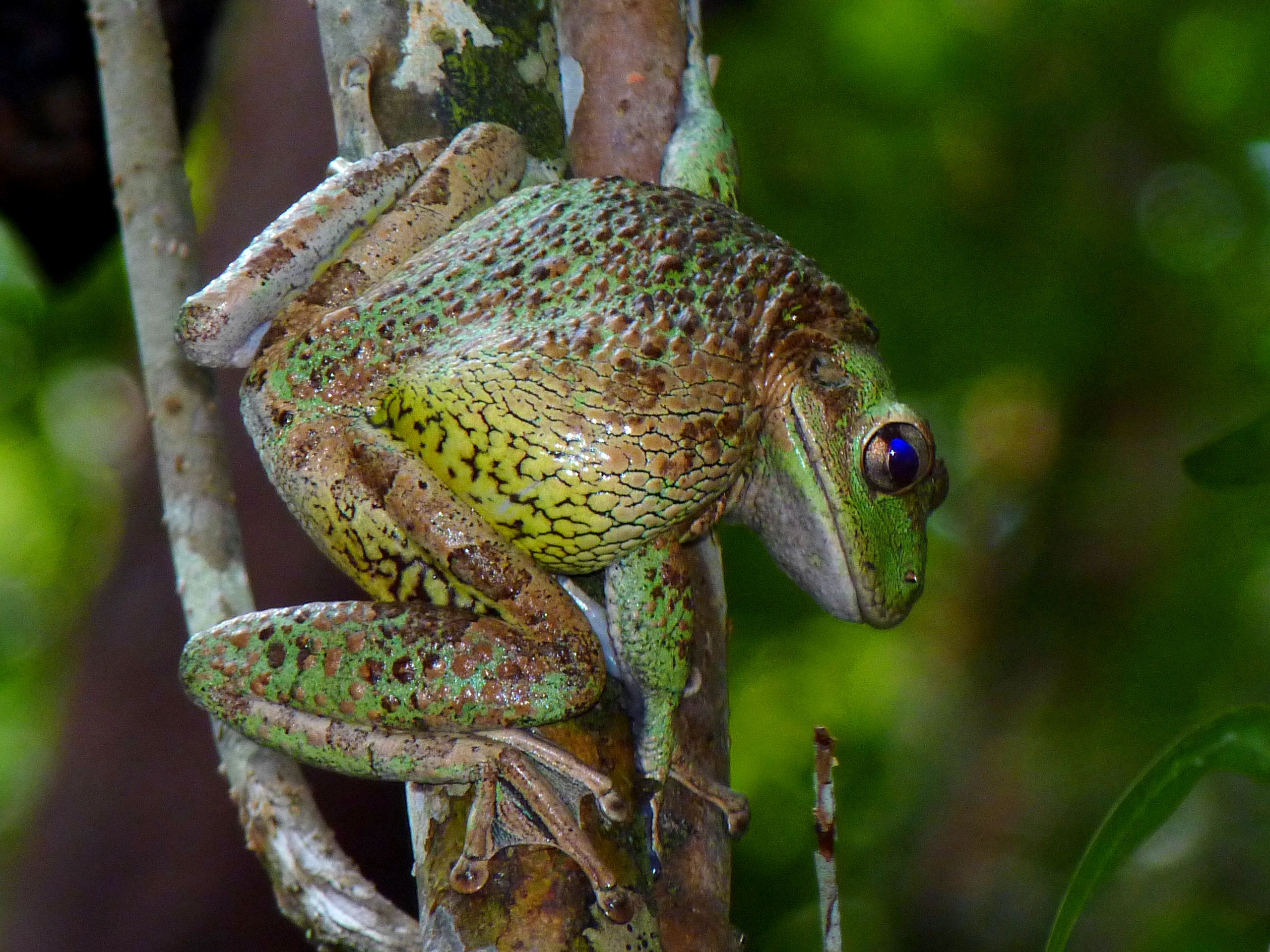
“In June, the Wild Banana Orchid – the national flower of the Cayman Islands – can be seen blooming in this area. Cayman’s native parrot is also at home here, as is the West Indian Woodpecker and the Caribbean Dove, the latter of which is only seen in undisturbed areas. Other animals include butterflies, lizards, harmless snakes, frogs, and large soldier crabs that are rarely seen nowadays,” she said, as she emphasised the importance of conservation.


Certain sections of the untouched area of the Mastic forest are facing threats from development as government moves ahead with the extension of the East-West Arterial.
The National Roads Authority said the aim of the roadway is to reduce congestion out of the eastern districts as well as unlock the potential for development in the interior of Grand Cayman.
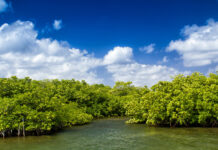
The road itself, which bisects the Central Mangrove Wetlands, will be subject to a comprehensive environmental impact assessment, the consultant for which has yet to be announced.
Related Videos






👏👏👏👏