

How do you pack a 150-acre farm that can grow enough fresh, healthy produce to feed the entire population of the Cayman Islands on to a single-acre development site? The owners of Primitive Greens believe they have found an elegant and cost-effective solution to the islands’ food security challenges.
The container farm
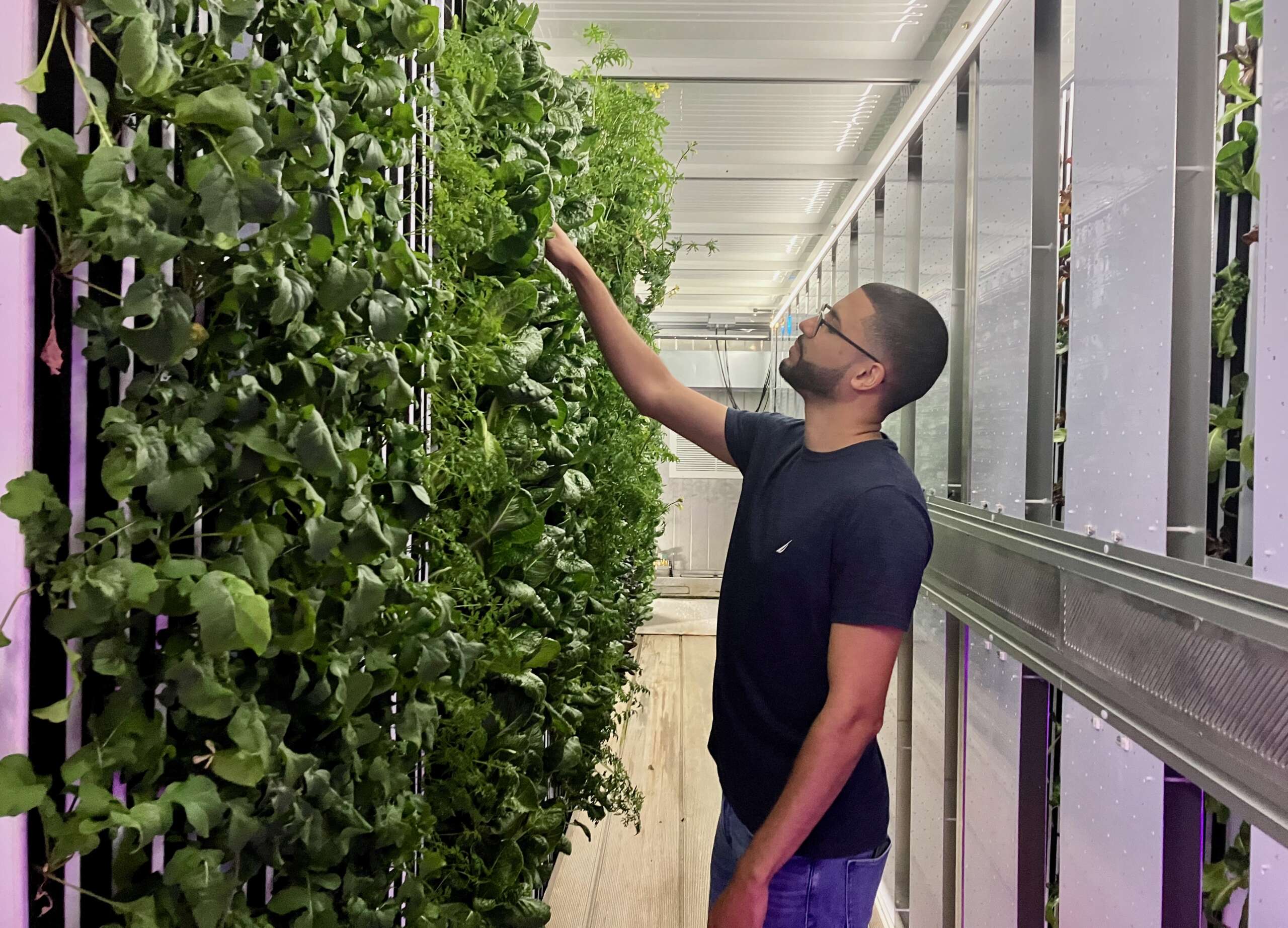
The heavy steel door of a nondescript shipping container swings open to reveal a forest of green and purple within. Romaine lettuce, arugula, oak leaf, bay leaf and basil – pungent and peppery – hang from the walls of the chilled container.
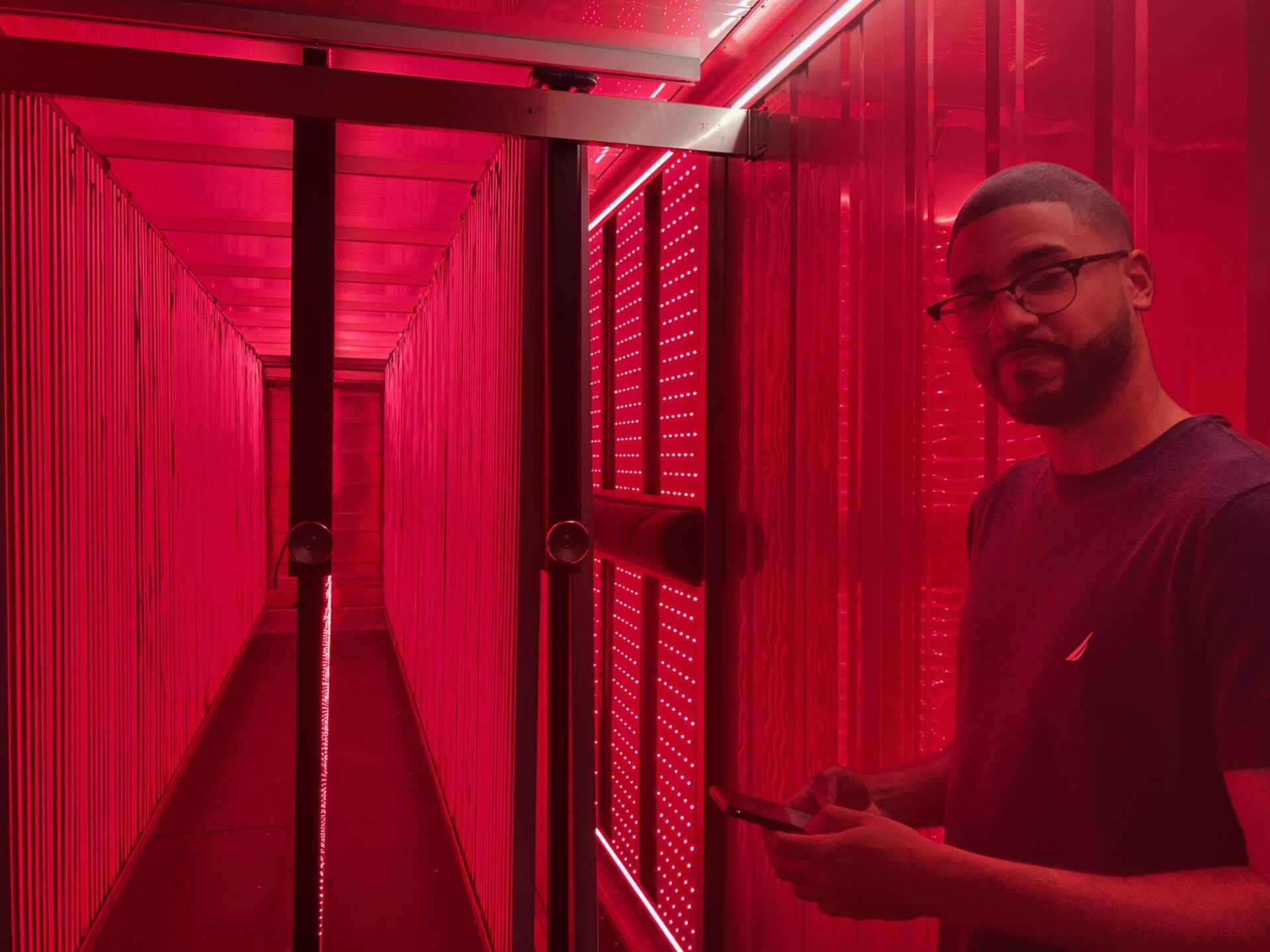
The lights flicker through the infrared spectrum. Blue light for strong stems and dark foliage. Red light for large, leafy greens.
“This is the future of farming,” says Codi Whittaker, as he controls the miniature eco-system from an app on his smart phone.
The single 40-foot hydroponic container farm can supply up to 1,500 heads of lettuce per week – equivalent to the output of between two and three acres of farmland.
But Whittaker and his partners at ‘Primitive Greens’ don’t plan to stop there.
Their vision is for an indoor mega-farm that can supply enough produce to feed the entire jurisdiction.
Plans are in the works for a hurricane-proof facility housing at least 50 containers and powered by its own solar farm.
The result will be the equivalent of a 150-acre farm packed into less than 1% of that space.
The concept of food security has always seemed far-fetched on a salt-sprayed island with limited landmass and unpromising soil. The relatively new field of commercial container farming could transform that, providing an elegant solution to a centuries-old problem.
“This is definitely a game changer,” says James Whittaker, one of the partners in the venture.
Solar power makes it affordable
The key to making it viable financially is reducing energy costs – currently triple what farmers in the US would pay.
Land has been sourced next to a man-made lake, which will be used for a 3 MW floating solar farm.
The solar and battery system will supply the energy needs of the project with the excess sold back to the grid as an additional revenue stream.
Whittaker, who owns GreenTech Solar, said the farm would produce fresh food and cheap energy for Cayman.
“The outputs from this operation will be food security for the country – healthier, fresher produce – and then on top of that any excess clean energy that’s sold back to the grid will be sold at half the cost of diesel.”
Electricity regulator OfReg still has to approve the arrangement, before planning permission for the wider project is sought.
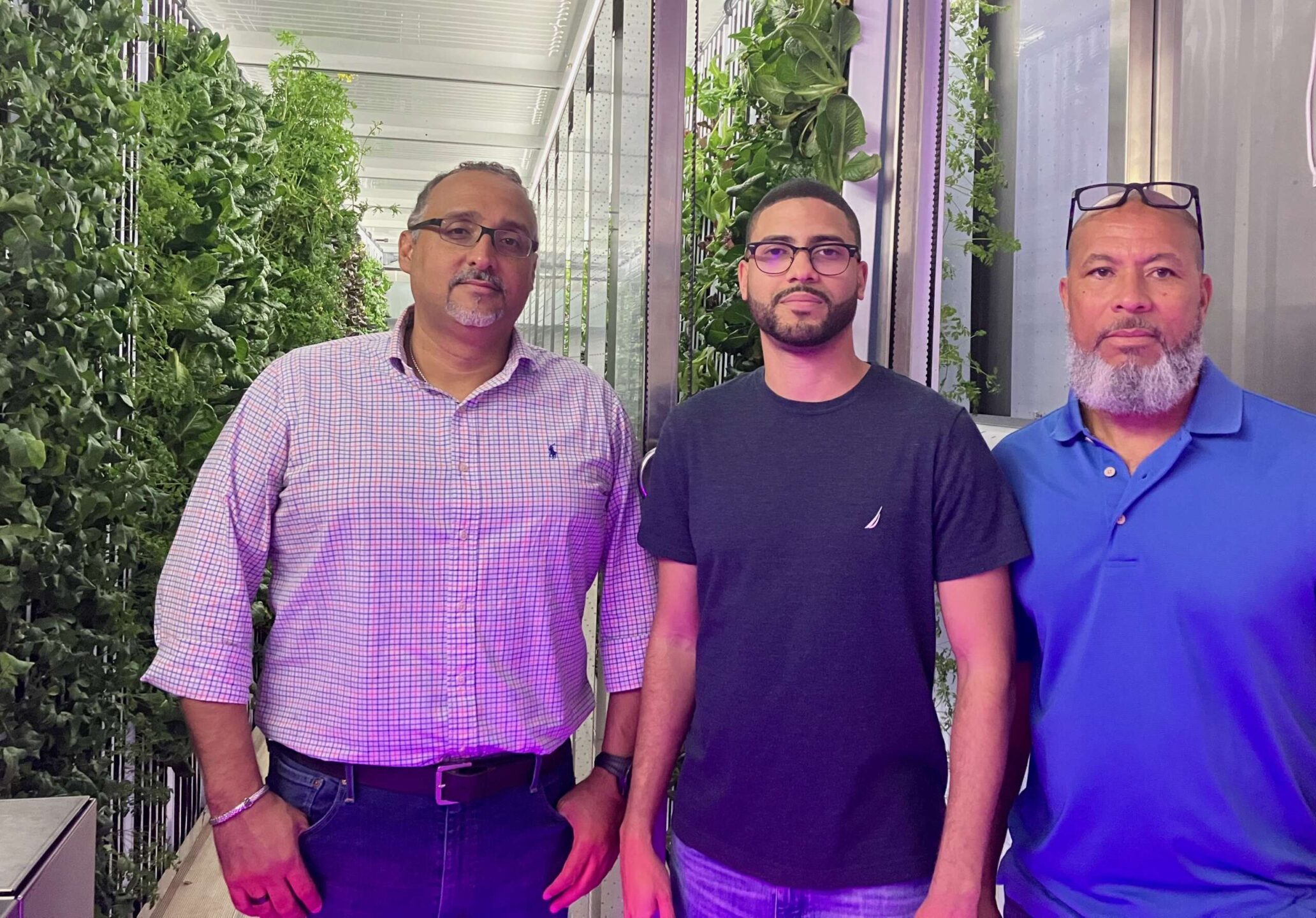
Kerry Lawrence, the principal of Primitive Greens, said the concept had already been proven. He currently operates three containers.
The business provides lettuce and herbs to supermarkets and restaurants around Cayman.
Its aim is to scale up at a new location to the point where Cayman can eliminate the need for imports of leafy greens.
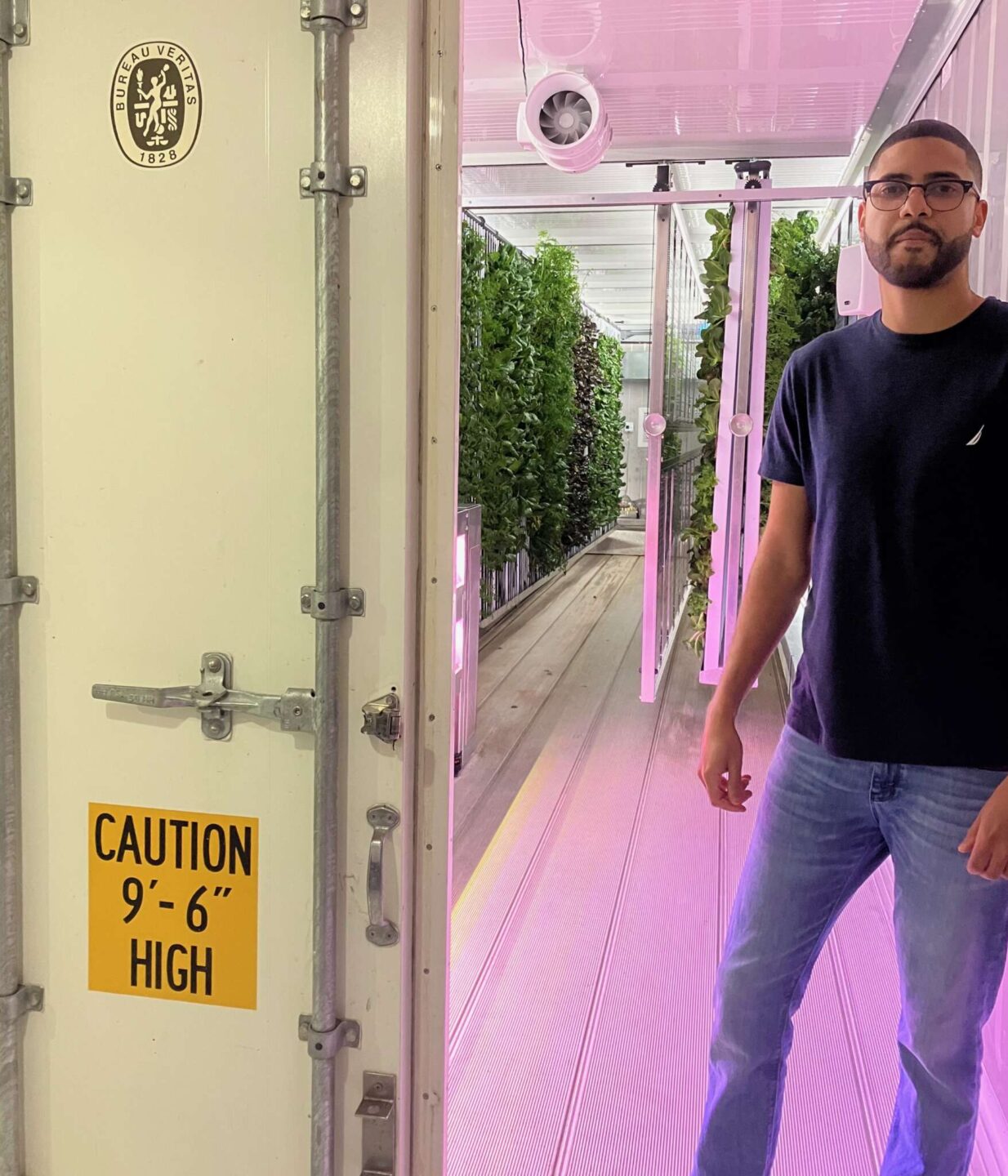
“This facility is going to be one acre of land and I am going to be able to grow everything on that one acre of land to supply the island with what it needs, fresh and pesticide free,” said Lawrence.
The aim is to compete on price with importers but to offer genuinely fresh produce that hasn’t been pumped with preservatives to be trucked and shipped over thousands of miles to market.
He said the venture, which has been in the works for two-and-a-half years, would also supply food to the Sister Islands and livestock feed for farmers.
Though everything from strawberries to tomatoes can be grown in container farms, the aim is to specialise in leafy greens and herbs and not compete with local farmers.
Food security a priority
The result will be greater food security for the island.
If there’s a pandemic, a natural disaster or other global catastrophe and the cargo boats stop coming, Cayman will still be able to feed itself.
James Whittaker said the project on this scale and with the energy component was a first of its kind in the Caribbean, and something they could look to replicate on other islands where farmable land is scarce.
“Food security is critical. We saw after COVID where some of the shelves were bare. The reality is that because we import 99% of our produce, we’re reliant on the outside world to feed ourselves.
“If we have an operation where, from a vegetable standpoint, the country can self-supply then we can have that food security.”
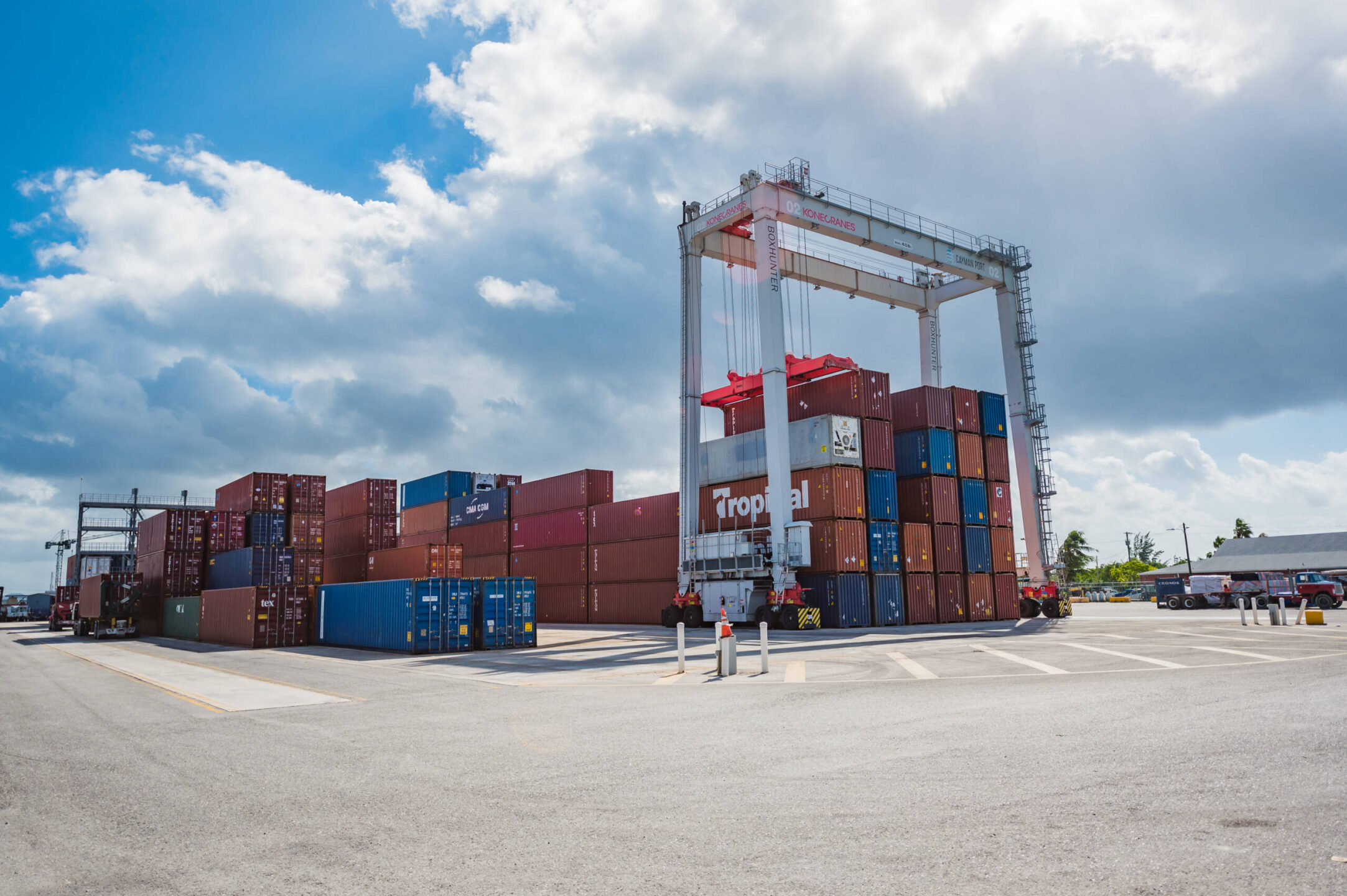
Running a hydroponic farm in Cayman without the solar farm connection would be cost-prohibitive. The massively reduced power costs for US-based farmers means they could produce and ship their greens to Cayman at lower cost than it takes to produce them on island.
For that reason, OfReg approval of the solar project is key to the venture. Once that is in place, Lawrence estimates it would take 14 months to have the full facility up and running.
Codi Whittaker said the farm also plans to run an educational programme with schools operating their own containers and young people invited to learn the science of farming and solar technology on site.
Editor’s note: Codi Whittaker and James Whittaker are not related to each other, nor to James Whittaker, the writer of this article.
Related Videos






Innovative and practical technology. Also encouraging will create food and employment. If this works when scaled up. the use of solar power key to use in this and other locations to benefits.
Alan Carter
Stratford
Sounds great! Best of luck to all of them, especially navigating the bureaucracy.
Well done!! I endorse this 100%
Dawn Bodden
Very encouraging! I hope it works out, especially with all the approvals. This is exactly the type of thing that Cayman needs!