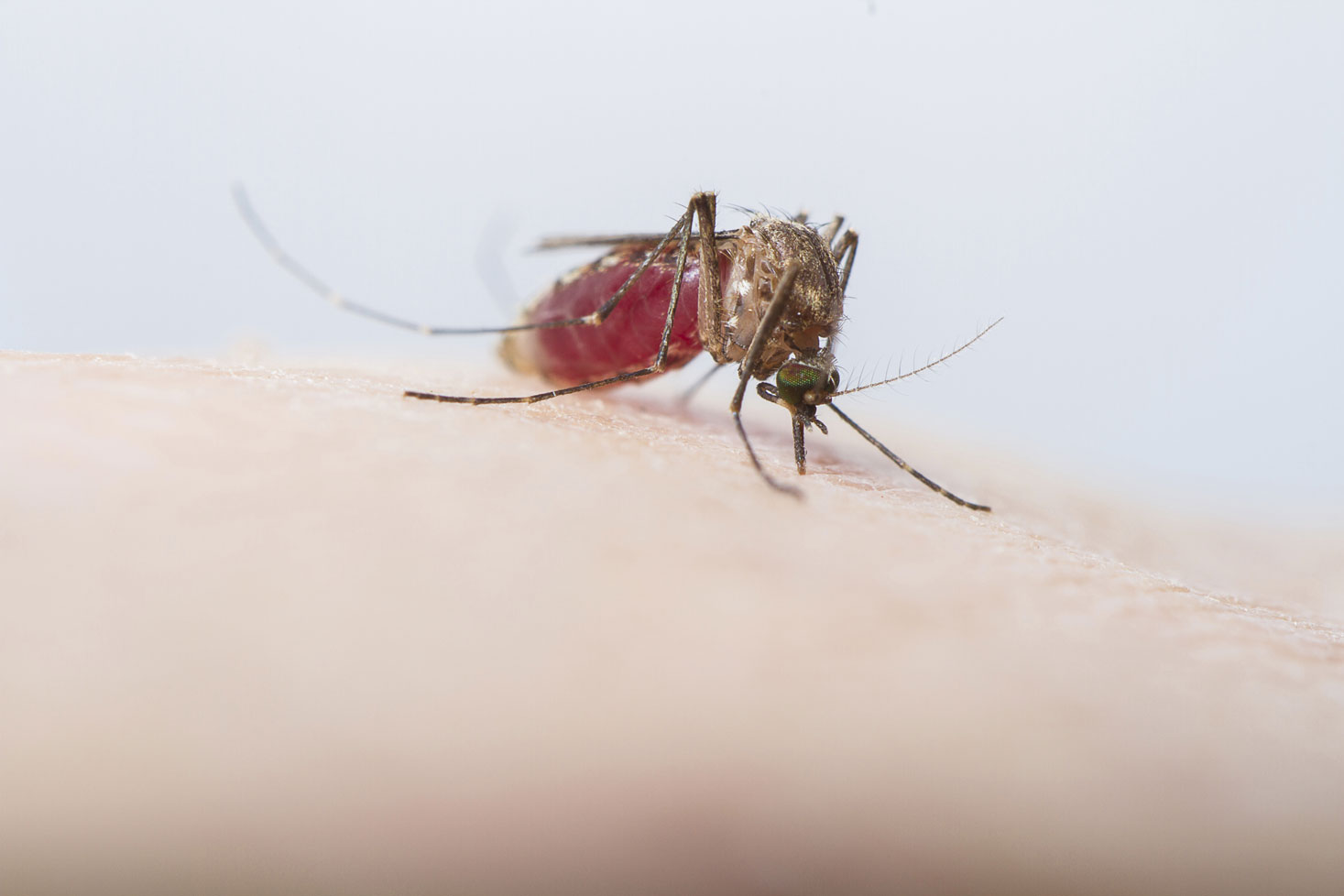
The Mosquito Research and Control Unit is warning residents to brace themselves for an increase in mosquitoes from Sunday evening, 26 March.
“High tides combined with unseasonal rainfall have resulted in widespread flooding across Grand Cayman, and MRCU surveillance has identified high numbers of mosquito larvae developing in these flooded areas,” said MRCU director Alan Wheeler, in a statement issued on Tuesday, 21 March.
According to the Cayman Islands National Weather Service, there were three instances in which rainfall exceeded 10mm, or 0.4 inches.
“On 7 March a weak pressure gradient with possible localized effects contributed to the 36.6mm rainfall, then on 15 March interaction between a surface trough and a cold front… later in the day added 11.90 mm of rainfall, and finally on 17 March the remnant moisture from the passage of the cold front… added 50.50mm of rainfall,” said the National Weather Service, which noted there were an additional four days with a range of rainfall between 0.5mm and 7.9mm.
In total, 4.46 inches of rainfall were recorded during March, according to the NWS.
While Aedes aegypti, a commonly known virus-carrying mosquito, prefers to breed in urban areas closer to their human targets, they are not the mosquitoes that Wheeler is warning about.
Instead, he expects the larger and stronger swamp mosquito, which is capable of travelling greater distances, to swarm en masse.
In 2019, when a similar increase occurred, due to slightly different circumstances, then director Jim McNelly noted that there was a 9,000-acre span of untouched swampland that serves as a critical breeding area for the insects, which are capable of reaching people in North Side, Bodden Town and George Town.
Wheeler told the Compass that his officers initially began noticing an increase in the larvae population some two weeks ago and started treating the accessible areas with larvicide.
“We expect the mosquito numbers to remain high for most of next week while we work to control the problem,” said Wheeler. “Residents are advised to avoid early evening outdoor activities while we work to bring the problem under control.”
Where possible, for next week, people should avoid going outside for two hours starting 10 minutes after sunset, he added.
Tips to staying bite-free
- Wear long trousers, as well as long-sleeved clothes.
- Use insect repellent with DEET.
- Avoid going outside during peak feeding times (6-8am and 6-8pm).
- Host events indoors where possible.
Related Videos