

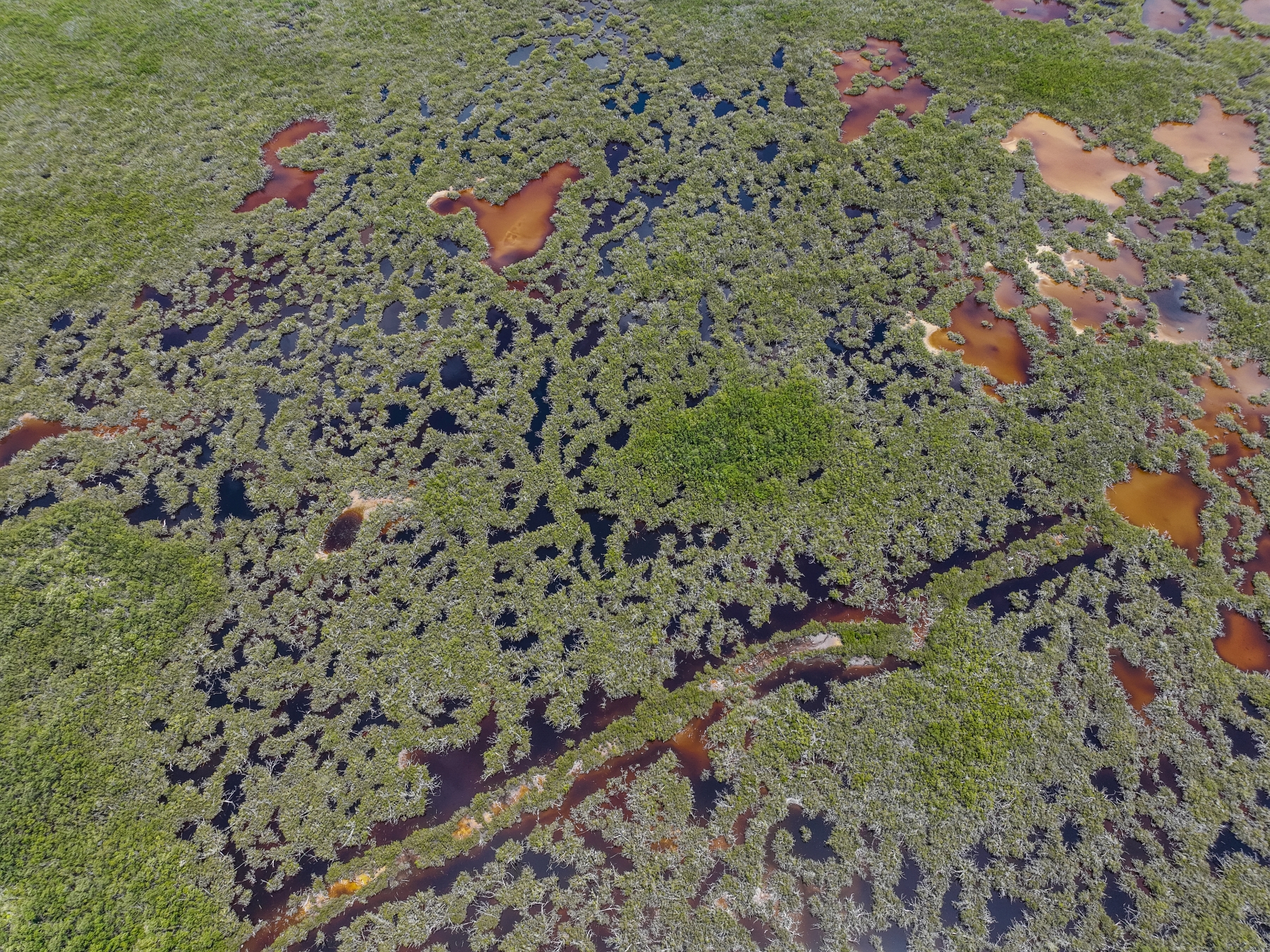
The Cayman Islands government has failed to protect and restore its wetlands, according to a report on the territory’s environmental sustainability.
The Office of the Auditor General published the document published on Monday, 20 March, detailing how the government performed in eight of the United Nation’s Sustainable Development Goals.
One of the targets within the goals was that by 2020, it must “protect and restore water‐related ecosystems, including mountains, forests, wetlands, rivers, aquifers and lakes”.
Although there is no up-to-date publicly available data, the auditor general said, she determined that based on the information provided, the target was not met.
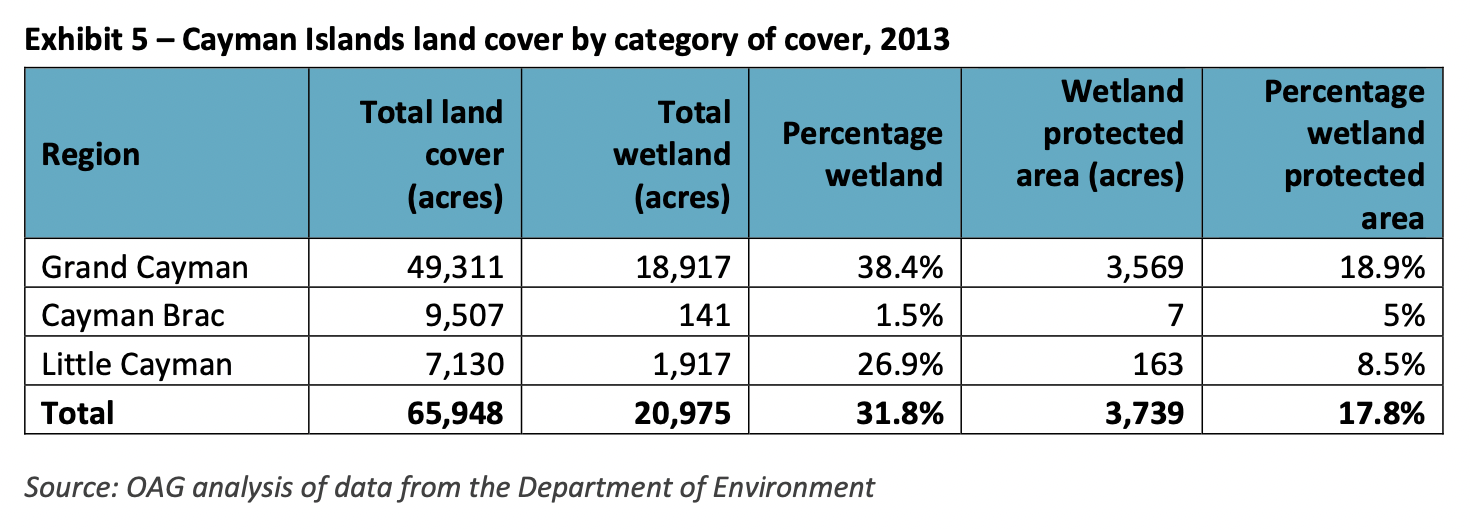
“Some wetlands are protected, but significant wetlands have been lost over the last five decades,” Auditor General Sue Winspear wrote.
The unique natural environment includes mangroves, marshes also known as ‘morass’, coral reefs and seagrass beds, which are home to diverse plant and animal life.
A particularly significant change in wetland environment was recorded on the western end of Grand Cayman between 1976 and 2013.
In 1976, it was largely composed of wetlands, with about 5,300 acres of mangroves and sedge marshes from Prospect to West Bay.
By 2013, that number had dropped to around 1,600 acres because of residential and commercial development – a 70% decrease.
Winspear’s report comes as the National Roads Authority prepares to carry out an environmental impact assessment on the East-West Arterial extension – a 10-mile road from Woodland Drive to Frank Sound Road, which will cut through part of the Central Mangrove Wetland.
Protected areas
Two pieces of legislation, the National Trust Act (2020 Revision) and the National Conservation Act, 2013, describe the laws for marine and terrestrial protected areas.
Animal sanctuaries which had previously been designated under the Animals Act became protected areas when the 2013 law came into force in 2015.
Cabinet issued two protected area orders in September 2017 and January 2018. However, between January 2018 and February 2022, no wetlands were protected under the act.
In March 2022, Cabinet approved the National Conservation Council’s proposals to place five more locations, home to mangroves and other threatened habitats, under protection.
They are Sand Cay, the Western Mangrove Cays extension, some of the southwest Central Mangrove Wetland, Grand Cayman, and Tarpon Lake and the East Interior of Little Cayman.
This means that an additional 865 acres will be protected.
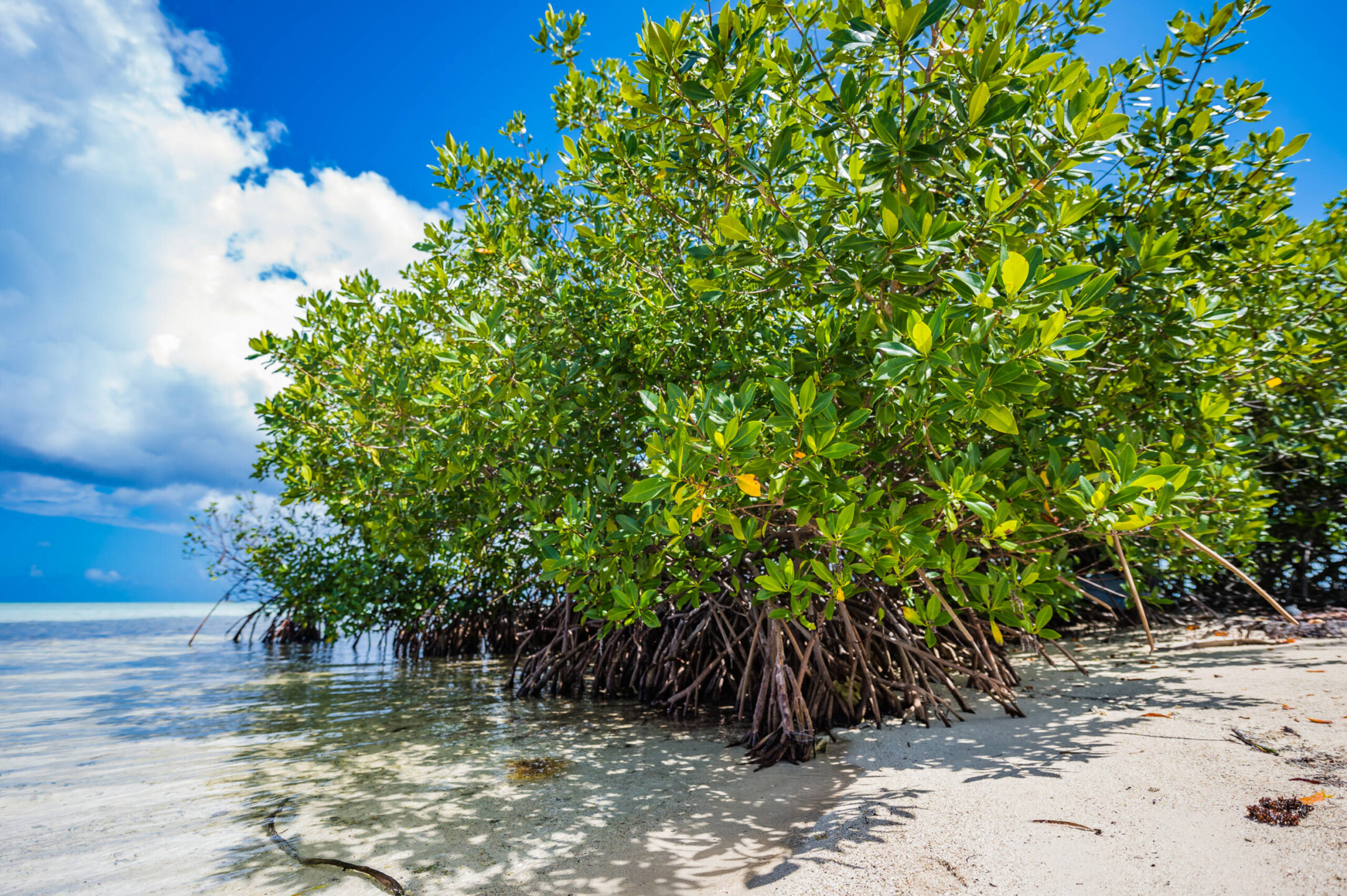
Winspear’s report said that according to the Department of Environment, protecting these sites should save the many species of plants and wildlife that grow and live in them.
However, the department told the Office of the Auditor General that while all mangroves are now protected, the protections may be removed with planning permission.
This can lead to acres of wetlands lost every month.
On March 1, Cayman Islands Sport Shooting Association applied for planning permission to build a new facility on a 37-acre Crown-owned plot of mangrove wetland on North Sound.
The Department of Environment advised against the project, saying mangrove forests are a “critical part” of the natural environment and recommended that they remain as they are.
The results of the meeting are yet to be published.
The Compass has reached out to the Ministry of Sustainability and Climate Resiliency for comment and is awaiting a response.
Related Videos








All the DoE has to say is ‘NO’.
“Advise against it”??? The DoE admits how crucial the Mangroves are to the island, why is this a conversation? Respect your home! Respect nature! Grow a pair!
JUST SAY NO!!