It is rare that a single human story so thoroughly exposes the failings of a system as comprehensively as that of Travis Webb.
As outlined in our Issues story, the former track star is currently imprisoned in the Cayman Islands Hospital with no imminent prospect of being discharged.
Though he was accused of a heinous crime, the courts found him ‘not guilty by reason of insanity’ – the archaic language of the law perhaps betraying a generally outdated approach to the understanding and treatment of mental illness.
For many readers, Webb will come across as an unsympathetic protagonist.
There is no escaping the facts of his case. He attempted to bury a child alive.
But psychiatrists, both for the Crown and the defence, and the judge who considered his case concluded he was not responsible for his actions on the basis that he was suffering from severe mental illness at the time.
The case highlights the failings of Cayman’s mental healthcare support system.
When Webb began displaying deeply erratic behaviour months before the incident, his family didn’t know where to turn for help. They called the police, they took him to the emergency room, they turned to family friends for support and guidance.
Ultimately, the emergency care and the healthcare infrastructure were not sufficiently robust to identify and diagnose his condition before he committed a crime.
Ironically, it was not until that horrific act that he got the help and support his family had been crying out for. But the troubles didn’t end there.
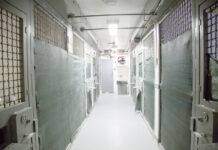
Once he was in the ‘system’, the facilities did not exist to house him securely and he was incarcerated first at the prison and then on a busy in-patient ward at the Cayman Islands Hospital, where he remains today.
Now, doctors have indicated that, with treatment and medication, his mental state is normal and recommended he be discharged with community supervision.
But it appears the outpatient support network is not sufficient to give the governor – and his or her advisors – the confidence to allow that to happen without fearing a risk of relapse, with potentially devastating consequences.
Meanwhile, the legal mechanisms are not in place for that decision to be challenged easily by Webb or his lawyers, leaving him essentially indefinitely jailed on a hospital ward in the custody of medical staff who were never trained or engaged for this role.
There’s no suggestion that anyone involved with the case, including the former governor and his advisors, have approached the situation with anything other than the best intentions and with the safety of the community top of mind.
But the legal framework, the physical infrastructure, the mental health expertise and manpower have all proved insufficient to address the, admittedly complex, challenges posed by one very sick young man.
It might be said that these are problems experienced on many small islands and a support system cannot be built for one person. But the gaps exposed by Webb’s case impact hundreds more individuals.
How many others are walking the streets with undiagnosed disorders?
How many are languishing in jail cells? How many families are left wondering who to call or where to turn when their loved ones display erratic behaviour?
The justice system cannot be the institution of last resort for the islands’ most serious mental health challenges.
A new long-term care facility – expected later in 2023 after years of delay – is a good first step. But Cayman can’t stop there.
If we don’t address the institutional failings that this one case highlights, there lingers a persistent risk to the community, as there is a continued strain on systems and individuals not designed or trained to deal with these problems.
The end result is unsatisfactory outcomes for those suffering from mental illness and their families.
Related Videos