A local psychiatrist has backed claims that the prison system is facing a mental health crisis with almost a third of Northward inmates getting psychiatric treatment.
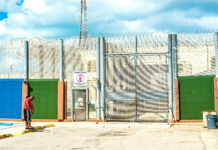
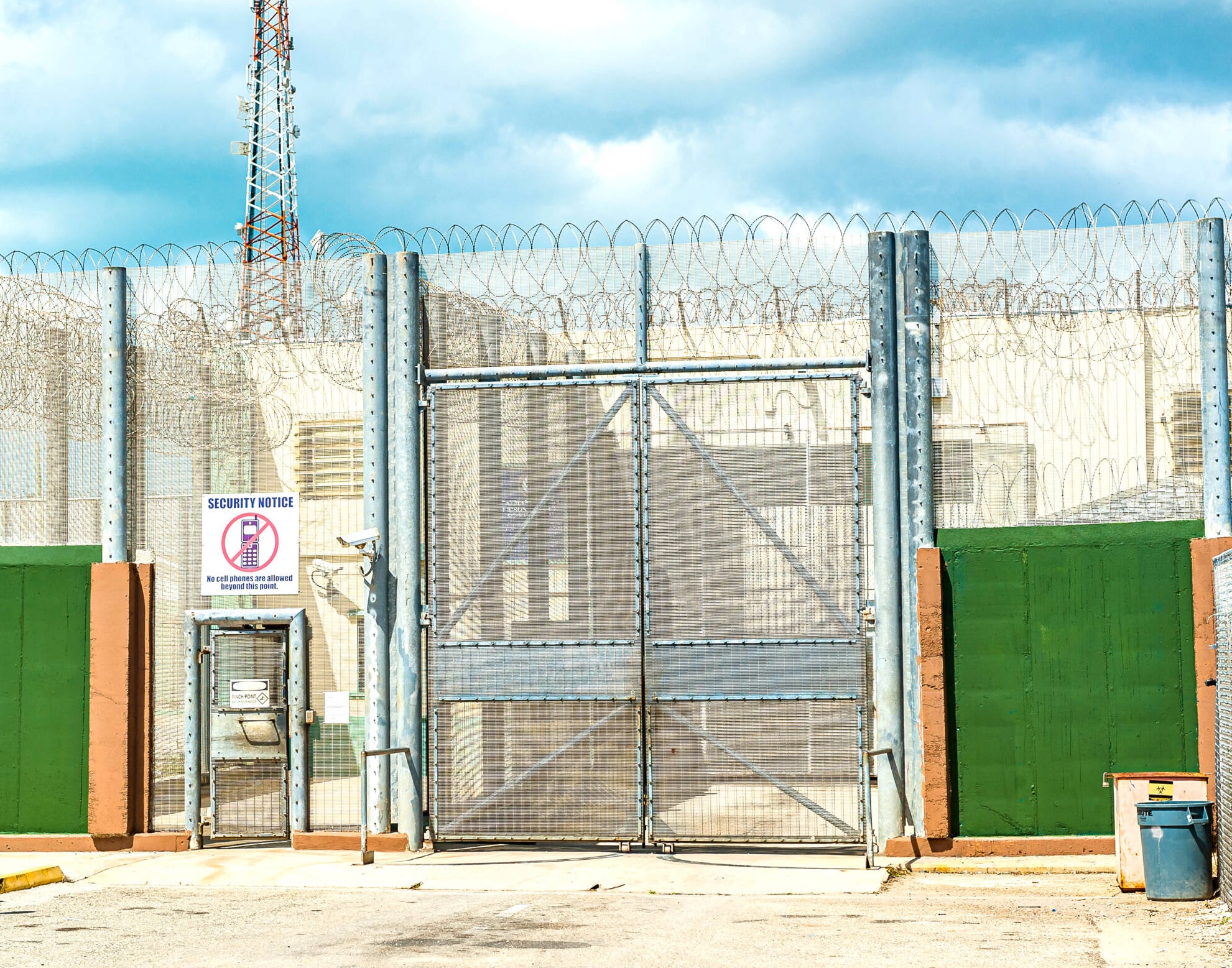
Dr. Marc Lockhart, a senior consultant psychiatrist, said he backed the Human Rights Commission (HRC) view that there was a crisis at Northward, the adult male prison, where 30% of inmates are under treatment for mental health problems and on prescription drugs.
“I support the Human Rights Commission in their assessment and statement in general,” he said.
“Overall, we do have challenges, significant challenges, and I can understand the Human Rights Commission calling it a crisis.”
But he added that the news did not come as a surprise to those with experience in the mental health field in Cayman because the problems were long-standing and well-documented.
“There have been many investigations and assessors who have come to the prison service for years,” he said.
Lockhart was speaking after the HRC warned that the crisis had caused tinderbox conditions at Northwood, with an increase in violent incidents.
An HRC spokeswoman said, “We have been informed of a marked increase in unrest, including cell fires and inmate altercations.”
But the Ministry of Home Affairs insisted that statistics suggested demand for mental health services in the prison system “had remained relatively stable with only minor fluctuations”.
A spokeswoman added that statistics from other countries showed that prison populations tended to have high levels of psychiatric problems and that Cayman was no exception.
She said there was “no indication that an increase in the demand for services necessarily equates to a worsening mental health ‘crisis’ within the prison service”.
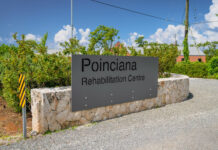
Lockhart, the chairman of the advisory council at the new Poinciana mental health rehabilitation centre in the East End, agreed that Cayman’s problems were in line with global surveys, which showed high rates of depression, substance abuse and infectious diseases among prison populations, across high-, medium- and low-income countries.
He said even high-income countries such as Cayman had not been putting “the effort into treating our prisoners with greater efficiencies” and that the prison system should not be used solely for punishment.
Lockhart added, “Prisons should be for rehabilitation and that has not been the case. There are exceptions, but that’s what’s happening generally.”
He said, “The prison environment itself, when it deteriorates, also contributes significantly to the exacerbation and formation of mental health challenges.”
Shortage of mental health services
Lockhart added there was a shortage of community-based mental health services in Cayman and that an increase in the number of beds at the Poinciana Rehabilitation Centre was needed.
Lockhart said, “If we can enhance the number of beds and bring in people that need treatment, that will go a long way to reducing the burden on other community services and help take people off the streets that have mental health problems, which would help prevent them going into the prisons.”
He added that Cayman community services had also not kept up with demand for substance abuse and addiction treatment, which made it more likely that those with these problems would end up behind bars.
Lockhart said present provision was “inadequate” and that a proper secure psychiatric unit in the prison system was long overdue.
He explained that vulnerable inmates with psychiatric problems were often bullied and intimidated.
Lockhart said a separate unit where “treatment can be effective and where treatment does not affect other prisoners” was vital.
He added that Cayman’s population growth over the past few decades was expected to continue.
Lockhart said, “That has outstripped our infrastructure development and we are playing catch-up in terms of the number of hospital beds we have, let alone mental health beds.”
Related Videos