The National Trust for the Cayman Islands has hired a project manager to help create a climate-change curriculum for schools in Cayman, following the receipt of a grant of more than €163,000 (CI$147,000) earlier this year.
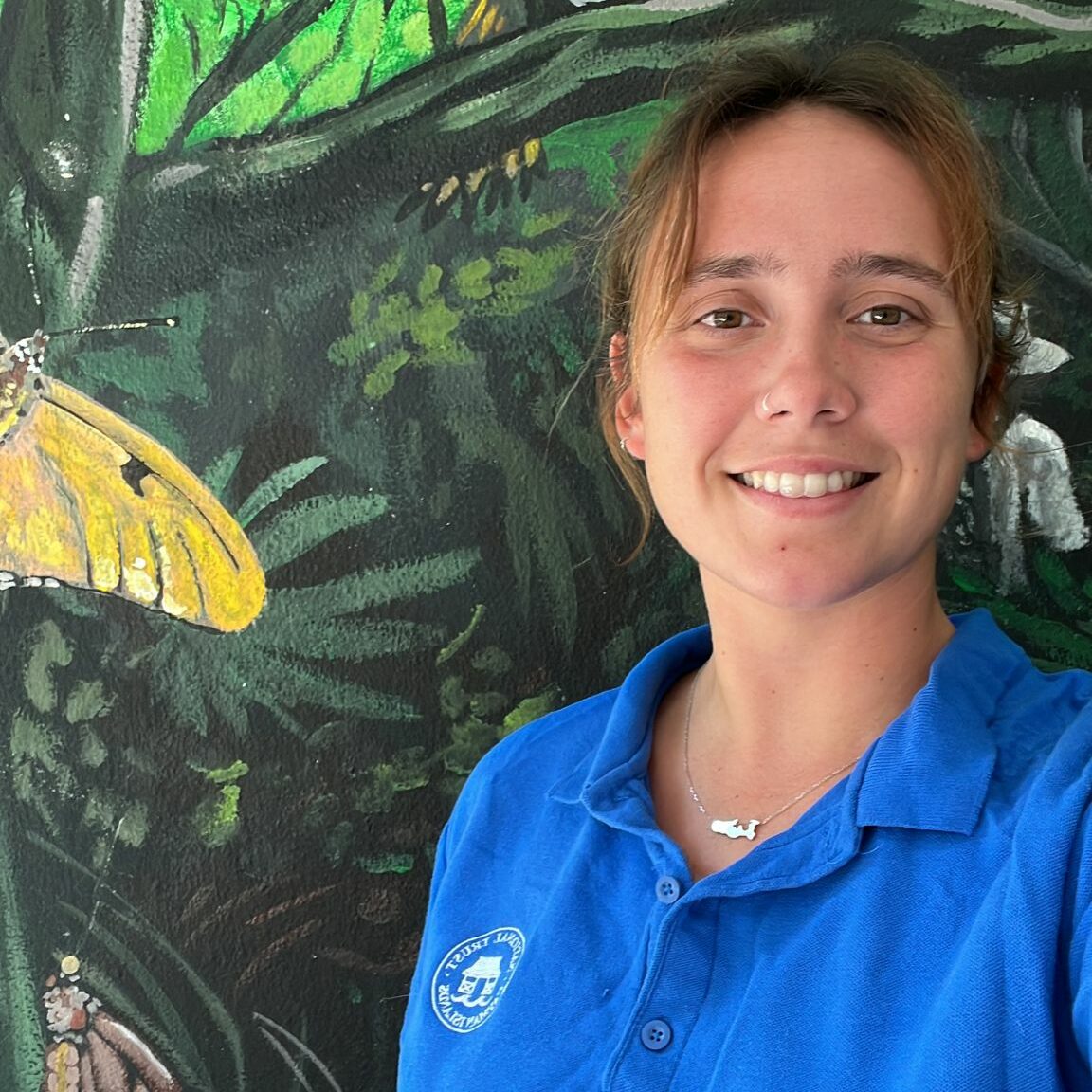
The Trust has hired Bella Rooney, a young Caymanian, as a climate education officer who will act as project manager for the grant.
In a press release, the Trust noted that the project the funds will pay for “aims to strengthen the resilience of the Cayman Islands through a standardised educational programme on climate science to help cope with the effects of climate change and promote the adoption of new sustainable practices”.
The climate-education pilot project will be rolled out in seven schools in the Cayman Islands during the upcoming academic year, and will act as a model for other programmes throughout the region, the Trust stated.
The European Union and Expertise France, the French International Technical Cooperation, awarded the Resilience, Sustainable Energy and Marine Biodiversity Programme (RESEMBID) grant to the Trust in March this year.
The Trust says Rooney has been working in the climate and environmental space for the past few years, recently attending COP27 in Egypt as one of the National Trust’s youth representatives.
She has a BSc honours in zoology from the University of Exeter and experience in science communication through producing and running her environmental podcast: ‘Protecting Paradise’ and previous work as operations manager for Plastic Free Cayman.
“I feel incredibly privileged and excited to work on such a meaningful project for the Cayman Islands with the National Trust,” Rooney said in the release. “Armouring the youth of our country with a contextual climate education feels like a massive step towards a sustainable future and safeguarding culture and nature here in Cayman.”
According to the release, the National Trust noticed in visits to local classrooms that education on climate science was “uneven, varying greatly between schools”.
It stated, “Every student should receive a basic understanding of this critical subject, therefore the Trust applied for funding to create a climate science curriculum that will be accessible to all.”
The Trust added, “The overarching aim of the project is to improve the capacity of the Cayman Islands to mitigate and adapt to climate change through improved understanding of the threat, as well as through the protection of intact natural areas (such as coral reefs and mangroves) and increased renewable energy use, leading to greater resilience as a society, as we face this existential threat.”
The National Trust says it will work with public and private primary and secondary schools in Grand Cayman and Cayman Brac to create a standardised curriculum on climate science.
It is planning for activities to include classroom visits and the development of an e-learning platform that will provide “engaging and instructive material focused on local issues”.
The Trust added, “Teachers and students will then be better equipped with information on the effects of climate change which will prepare our society for future challenges.”
RESEMBID grants were created to support the Caribbean Overseas Countries and Territories in their efforts to build lasting solutions toward resilient, sustainable and productive societies.
Related Videos