Cayman’s turtle nesting season looks set for another record-breaking tally as 810 nests across all three islands have already been counted for 2023.
That total is just 48 nests shy of last year’s total of 858, which was the highest number of nests logged since the Department of Environment started recording statistics in 1998.
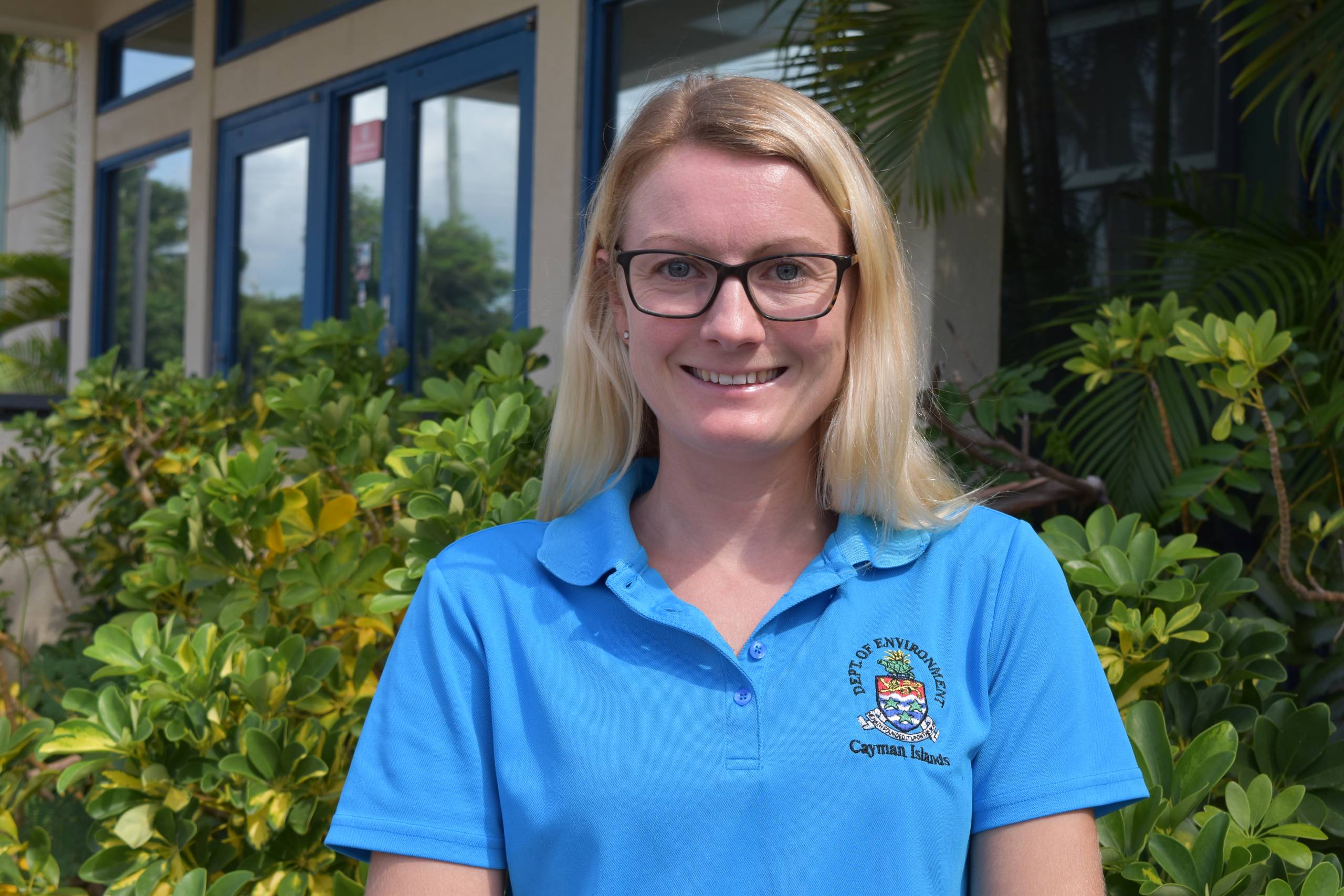
Jane Hardwick, DoE sea turtle programme manager, told the Cayman Compass Thursday via email, that as of 21 Aug. 473 green turtle nests, 334 loggerhead nests and three hawksbill nests have been logged for the season.
“These numbers are indicating that it will be a record season for sea turtle nest numbers. The season will continue until the end of November,” she said.
Last year, green sea turtle nests stood at 528, a sharp increase from the 180 logged in 2021. As for loggerhead nests, the 324 counted last year represented a slight decrease from the 350 recorded in 2021.
Hardwick said the increasing nest numbers is likely attributable to several factors, including the 25 years of conservation efforts from the DoE, “earlier changes to legislation surrounding take of wild turtles and the green turtle captive breeding and release programme from the Cayman Turtle Centre”.
Weather also a factor
She also said the low storm activity so far this hurricane season has also helped since there were no nests lost to storm surges.
However, she said, there are still hundreds of nests that have not yet hatched.
“So we will be staying alert and will do our best to protect them if a storm is forecast,” she added.
Apart from the good news of a healthy number of nests, Hardwick said misorientation and entanglement continue to be challenges for local turtles and hatchlings.
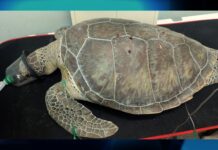
“We are sadly seeing a lot of threats. So far 8 nesting female turtles have been rescued from becoming lost in roads and gardens, 3 nesting females have been rescued from pool decks or swimming pools, and 3 nesting turtles rescued from entanglement of fishing line/hooks,” Hardwick said in the email.
Misorientation continues to plague turtles
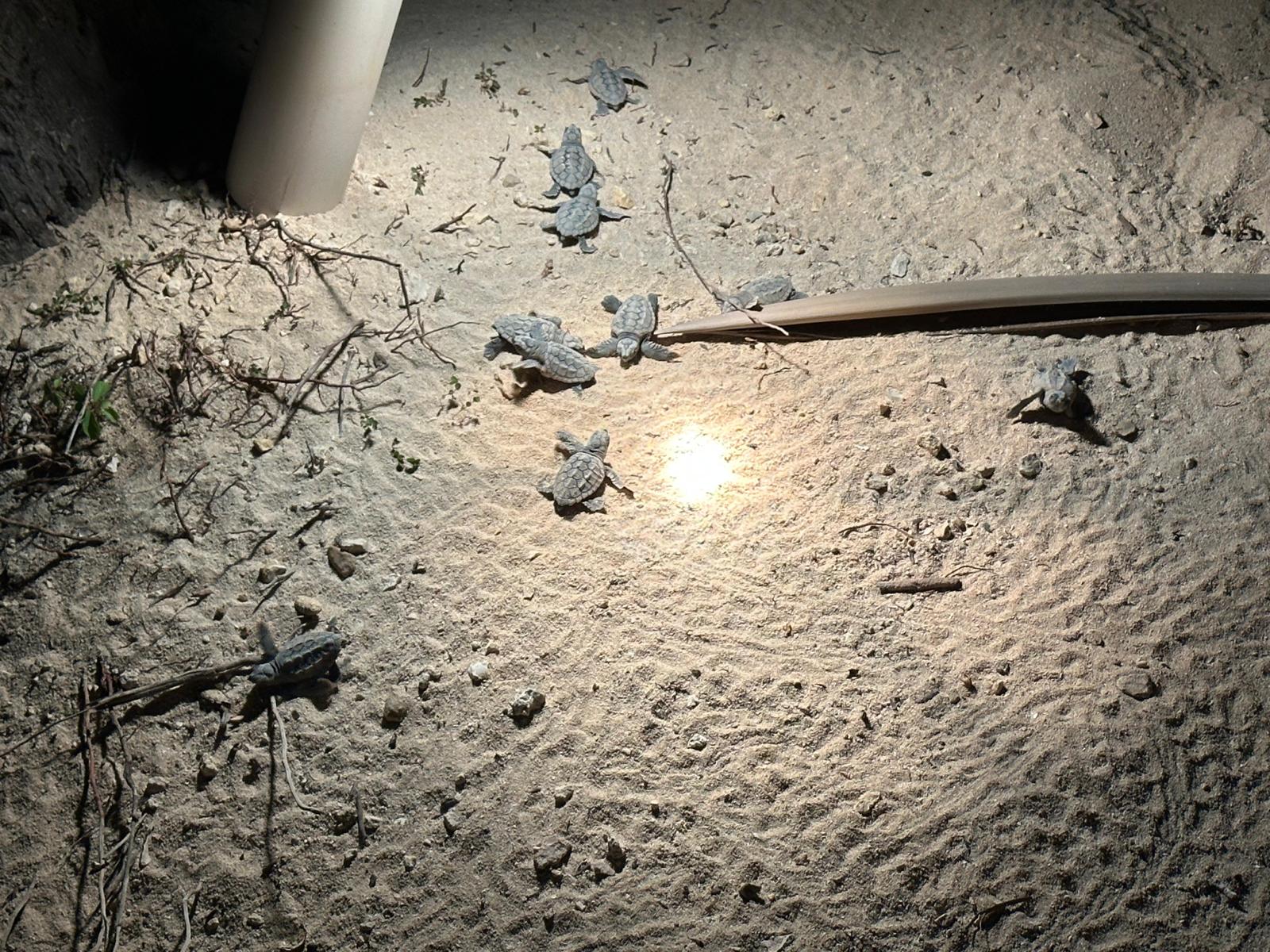
Hatchlings have also been severely impacted this season due to misorientation.
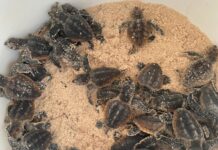
“We recorded hatchling misorientation from 17 nests, which has impacted more than 1,000 hatchlings many of which were not found and their fate remains unknown, due to artificial lighting from properties,” she said.
As she thanked those property owners who have installed turtle-friendly lighting to help local turtles, Hardwick urged other beachfront properties to follow suit.
“We are really pleased to see the nest numbers increasing but really hope to encourage more beach front property owners to consider turtle friendly lighting so that we can leave nests to hatch naturally without our intervention, and lower the risk of losing hatchlings because of lights,” she said.
Hardwick also pointed out that the warmer temperatures this summer may be impacting hatch success, but Hardwick said the DoE is still collecting data to review this.
“Warmer temperatures can also skew the sex ratio of hatchlings, by producing a greater proportion of females. The DoE are currently working in collaboration with the University of Exeter, on a Darwin Plus funded project, to gain a better understanding of the potential impacts of climate change on sea turtles and how these could be mitigated in the future,” she added.
Hardwick also advised those living on the beach to keep lights off or change to turtle-friendly lighting to help turtles and hatchlings.
“Remove beach chairs and tables at the end of the day so that turtles do not have to crawl through obstacles, never approach or disturb a nesting turtle, and call DOE on 938-NEST if you find hatchlings that are going away from the sea, or nesting turtles in danger,” she added.
To get more information on turtle-friendly lighting, email [email protected].
Related Videos