

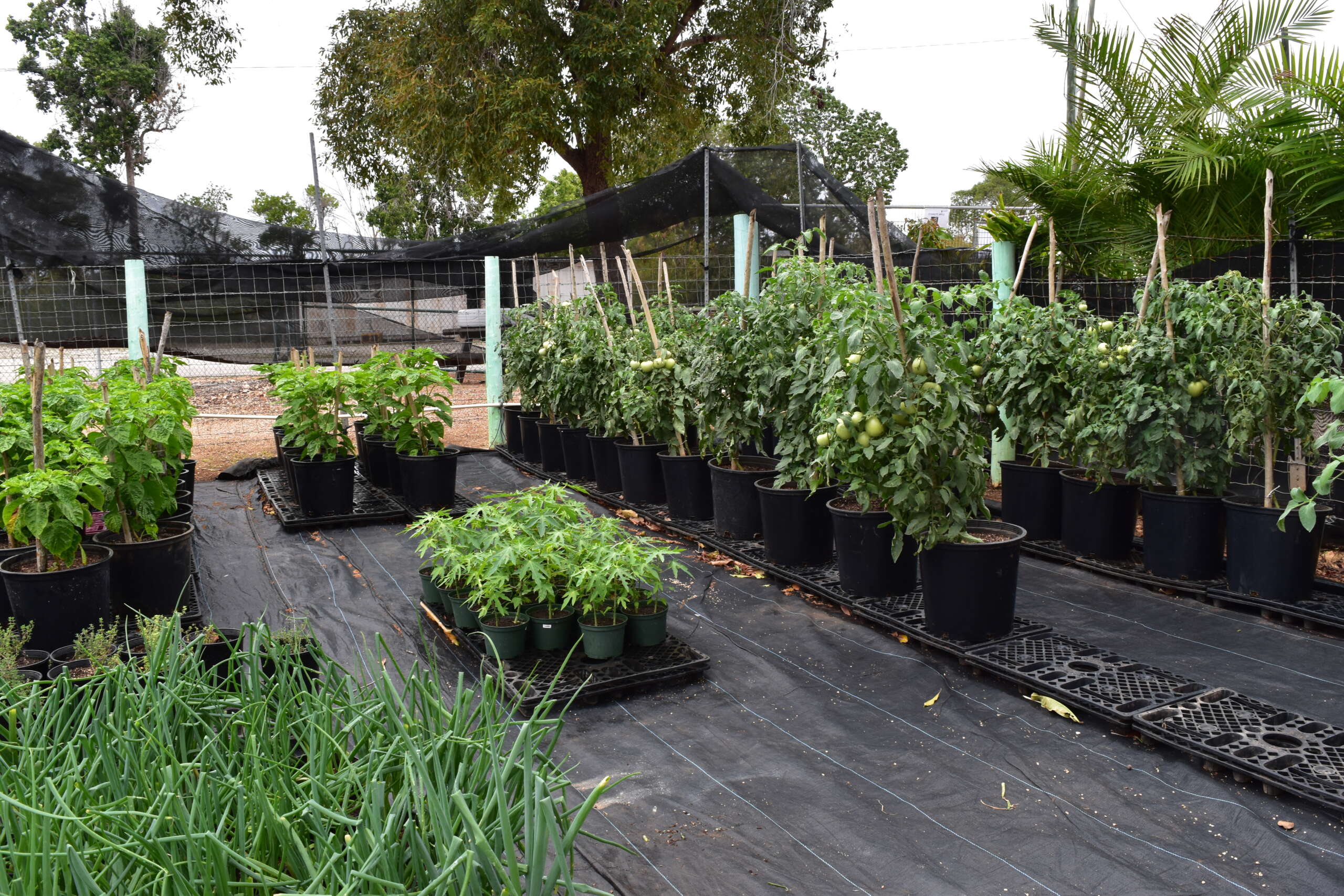
Stringent new legislation has been enacted which establishes globally recognised quarantine and biosecurity rules for the import of plants.
The Plant Protection Act, 2023, which was passed in the latest sitting of Parliament, aims to protect Cayman’s native plants from invasive pests.
It replaces the Plants (Importation and Exportation) Act, 1997.
Severe punishment is now in place for those who break the law, with people importing and exporting plants illegally risking a $50,000 fine or two years in prison.
The act also allows for the establishment of pest-free, low-pest-prevalence and quarantine areas around Cayman, which can restrict the public’s movements.
And it permits enforcers to declare an emergency situation if there is a “grave threat to plant resources or food security”.
Speaking in Parliament, Agriculture Minister Jay Ebanks said the “very important piece of legislation” aims to improve the protection of cultivated and native plants.
This will be done “through a strengthening of national safeguarding against the entry, establishment or spread of plant pests while facilitating a safe and effective trade of plants,” he said.
The law was published on the government’s website on 6 Oct.
National Plant Protection Organisation
The law determines that the Department of Agriculture is also the National Plant Protection Organisation, and will oversee the law, exercise its powers and perform its functions.
The department director will act as the organisation director and can delegate powers to anyone with appropriate qualifications or expertise.
This could include a phytosanitary inspector, official laboratories or reference laboratories.
The organisation can create quarantine stations to keep plants for phytosanitary observation, research, inspection, testing, treatment, detention or destruction.
The director can also create committees to provide advice to the organisation.
Phytosanitary measures
Phytosanitary measures are quarantine and biosecurity procedures which protect human, animal or plant life.
They diminish the risks from the introduction, establishment and spread of pests and diseases and from additives, toxins and contaminants in food and feed.
According to the act, phytosanitary measures in Cayman should be in line with international standards.
Risk analysis should be based on science and the measures should be proportionate to the risk they address and not unjustifiably restrict international trade, the act says.
The National Plant Protection Organisation’s pest risk analysis should form the basis of the analysis – or if there is none then it should be based on regional or international standards.
Import and export
The law says nobody can import a plant without an import permit and a phytosanitary certificate from the export country, and it must come through a designated point of entry.
Anyone who imports a plant or plant product without the above is committing an offence could be fined $50,000 or jailed for two years, or both.
However, the director of the National Plant Protection Organisation can specify plants that are exempt from this rule.
Import permits can be applied for through the organisation, and can be revoked if the holder fails to comply with conditions.
On arrival in Cayman, the importer must produce the plant for inspection. If it fails to meet standards it may be retained.
The inspector can then test the plant, treat it, confiscate and destroy it, return it to its country of origin or move it into quarantine for further analysis.
Exporters need an export permit and also face a $50,000 fine or two years in prison if found to be breaking the law.
If the export country requires a phytosanitary certificate, the National Plant Protection Organisation will inspect the plant and issue one if it meets the criteria.
And equally, the organisation will issue transit authorisation if needed and the plant meets the requirements.
Pests
Pests – a species, strain or biotype of plant, animal or pathogenic agent injurious to plants – are categorised as quarantine pests, regulated non-quarantine pests or a national pest of concern.
A quarantine pest is of potential economic impact to an endangered area, and not yet present in the area, or is present but not widely distributed and controlled.
A regulated non-quarantine pest, is that in a plant intended to be planted, remain planted or be replanted and would economically affect the intended use of the plant.
A national pest of concern is a pest that has potential for significant economic impact, and the epidemiological characteristics of the pest necessitate the management.
The National Plant Protection Organisation will publish an up-to-date list of pests on its website.
It can declare pest-free, low-pest-prevalence and quarantine areas of Cayman, which can lead to restriction of movements. These will be published on its website.
And it can declare a phytosanitary emergency, putting even more severe restrictions in place.
Anyone who is aware of a pest should notify the organisation straight away, according to the law, and should not intentionally allow it into the islands.
The legislation also gives details on the powers of inspectors as well as further administrative matters.
Related Videos






After the islands have been used as a transit point by everyone & their dogs for over 500 years, pretty much anything that could have been brought here has been, so was it really necessary now?