

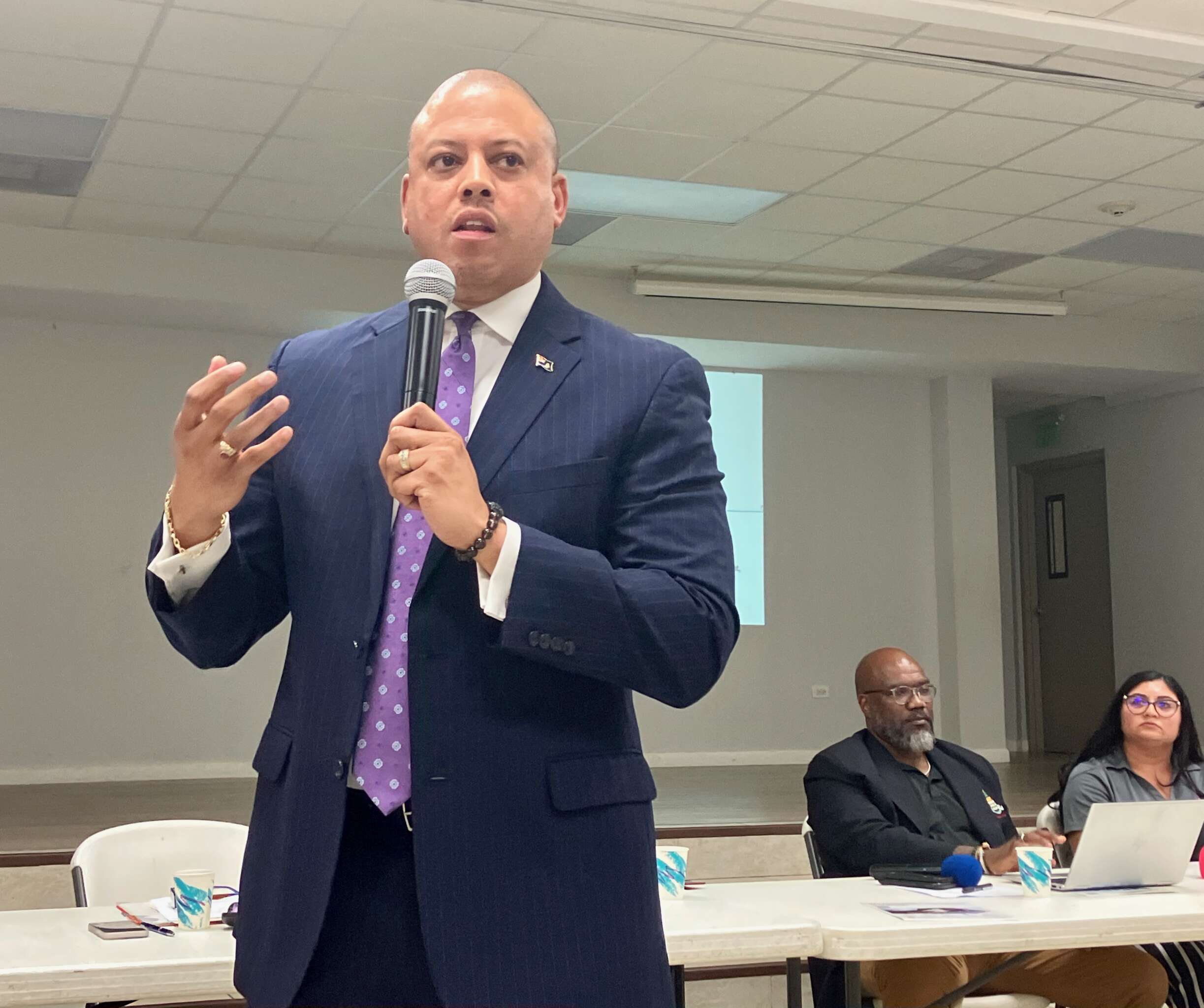
Able-bodied adults receiving financial assistance will be linked with internships to help them get back to work as part of sweeping changes to the welfare system in the Cayman Islands.
Under new regulations, coming into force next month, internships at local businesses or non-profits will be required for some people to continue receiving support from government.
Jobseekers could be asked to deliver food for Meals on Wheels, help clean beaches or take work-experience placement as part of a programme to help them get back to work.
It is hoped that the experience will be a stepping stone towards paid employment and financial independence for those people, André Ebanks, minister for social development, said Monday.
The measure is also considered an incentive for partner businesses to take a chance on people, who they may otherwise have been reluctant to hire.
“We will be able to say to a business or non-profit, you don’t have to pay him right away… they’re already getting financial assistance, just give him a chance,” he said.
While some will be referred for employment, others will be linked to training opportunities or mental health support, depending on their specific needs. Inspire Cayman training and non-profit Connect by Nova are two job-readiness and training programmes linking with the new Department of Financial Assistance as part of the scheme.
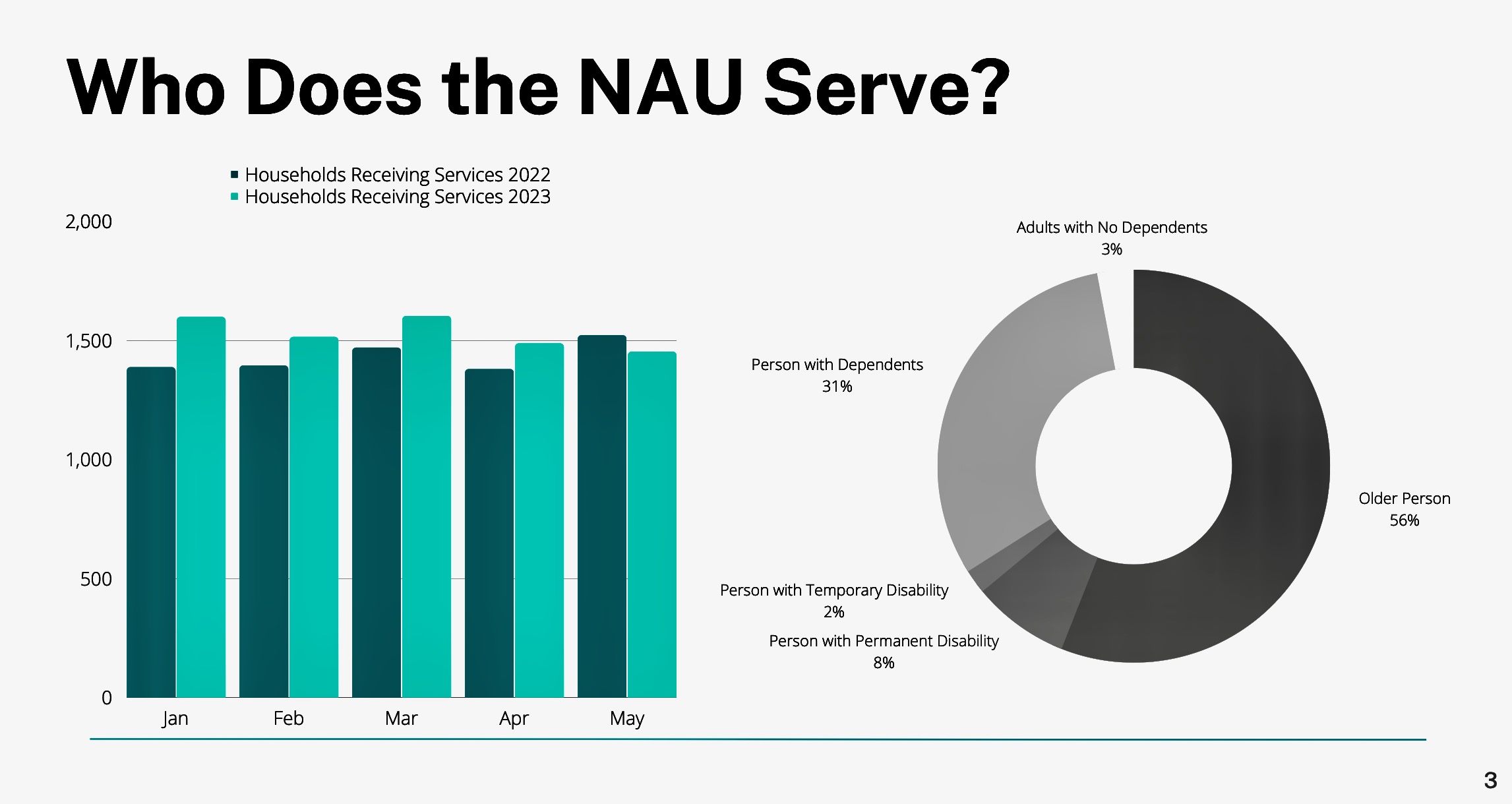
Working-age, able-bodied adults make up only a third of the 1,500 families currently receiving some form of financial support – ranging from rent coverage to food vouchers.
First overhaul of welfare in 60 years
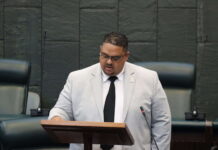
Ebanks announced the policy platform Monday evening as part of an overhaul of the entire welfare system.
Underpinning the changes is the new Financial Assistance Act, which replaces the two-page Poor Relief Law, that was the previous legal basis for how government administers aid to its most needy citizens.
The act, passed last year, is about to come into force.
Ebanks, who is hosting a series of public meetings on the changes this week, said this was the first serious attempt to tackle the issue in six decades.
The aim, he said, is to ensure sufficient financial aid goes to those who need it most and that those who can work are provided with the help they need to support themselves.
Officials expressed belief that the launch of the new Department of Financial Assistance was ‘more than a rebrand’ and that perceptions – fair or otherwise – of inefficiency, of failing to pay cheques on time and of political interference and favouritism, would be gone, along with the name of the Needs Assessment Unit.
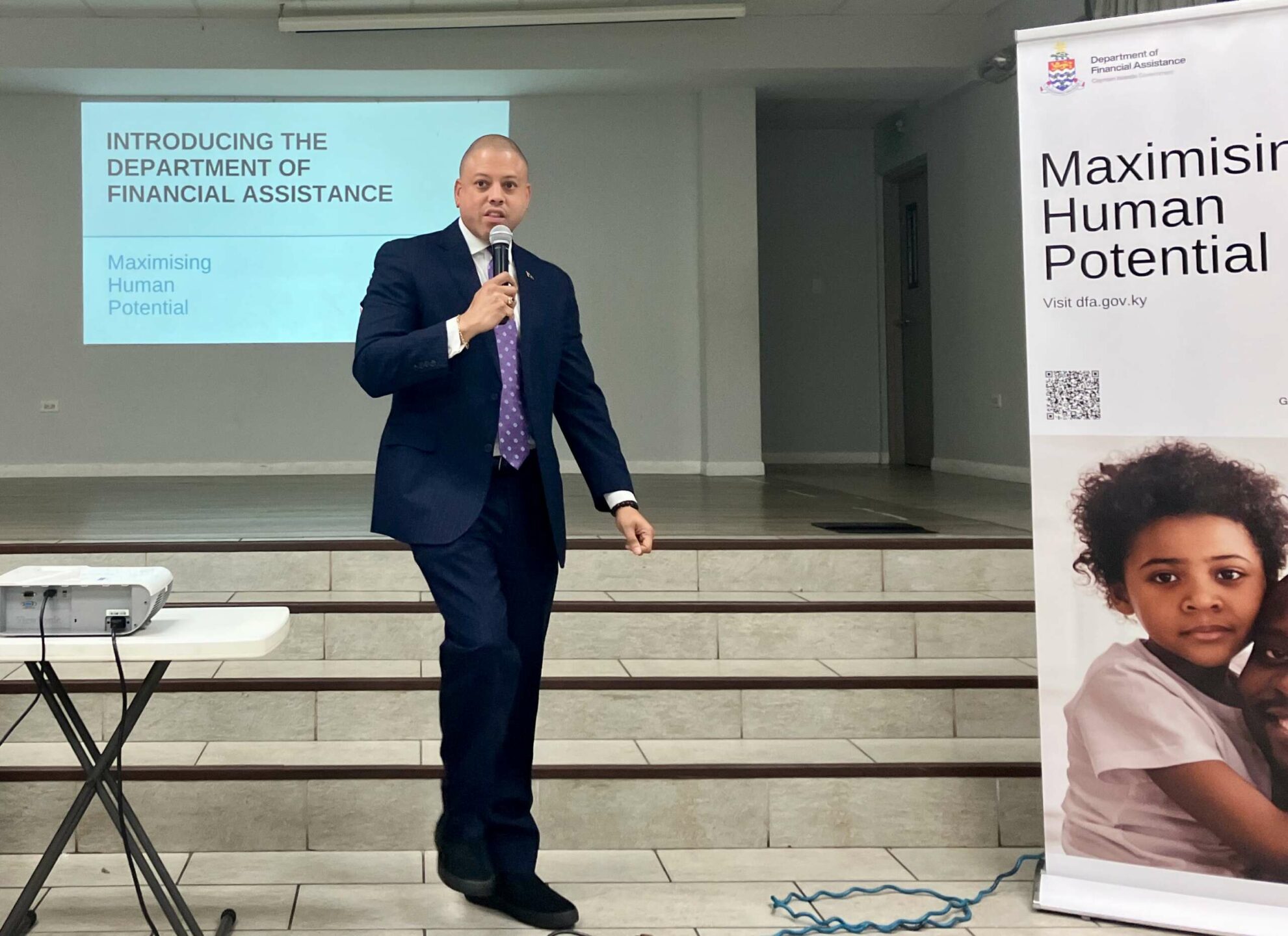
Speaking at a town hall meeting in West Bay on Monday, Ebanks acknowledged those frequent complaints, some of which materialised in a months-long consultation exercise before the act and regulations were formulated.
He defended the professionalism of the unit and its staff, who he said were handling a dramatically increased caseload, and dealing with complex situations without the resources or framework they needed.
Removing politics from decision-making
He said the legislation and changes would make the decision process more transparent, creating greater clarity on what circumstances entitle people to access financial aid.
The minister added that advanced software would be able to deal with a lot of the initial paperwork and allow officers to spend more time interviewing clients and establishing their needs.
“We need to have a system in place that takes the politics out of it,” he said, adding that the guidelines, the process and the decisions would be clear and subject to appeal before a tribunal for anyone unhappy with a decision.
But he urged people to recalibrate their expectations from the Needs Assessment Unit, saying it was there for short-term emergencies and as a refuge of last resort in troubled times.
“This isn’t a pension, this isn’t recognition of years you have worked, this is [for when] you have nowhere to turn and no one to help you.”
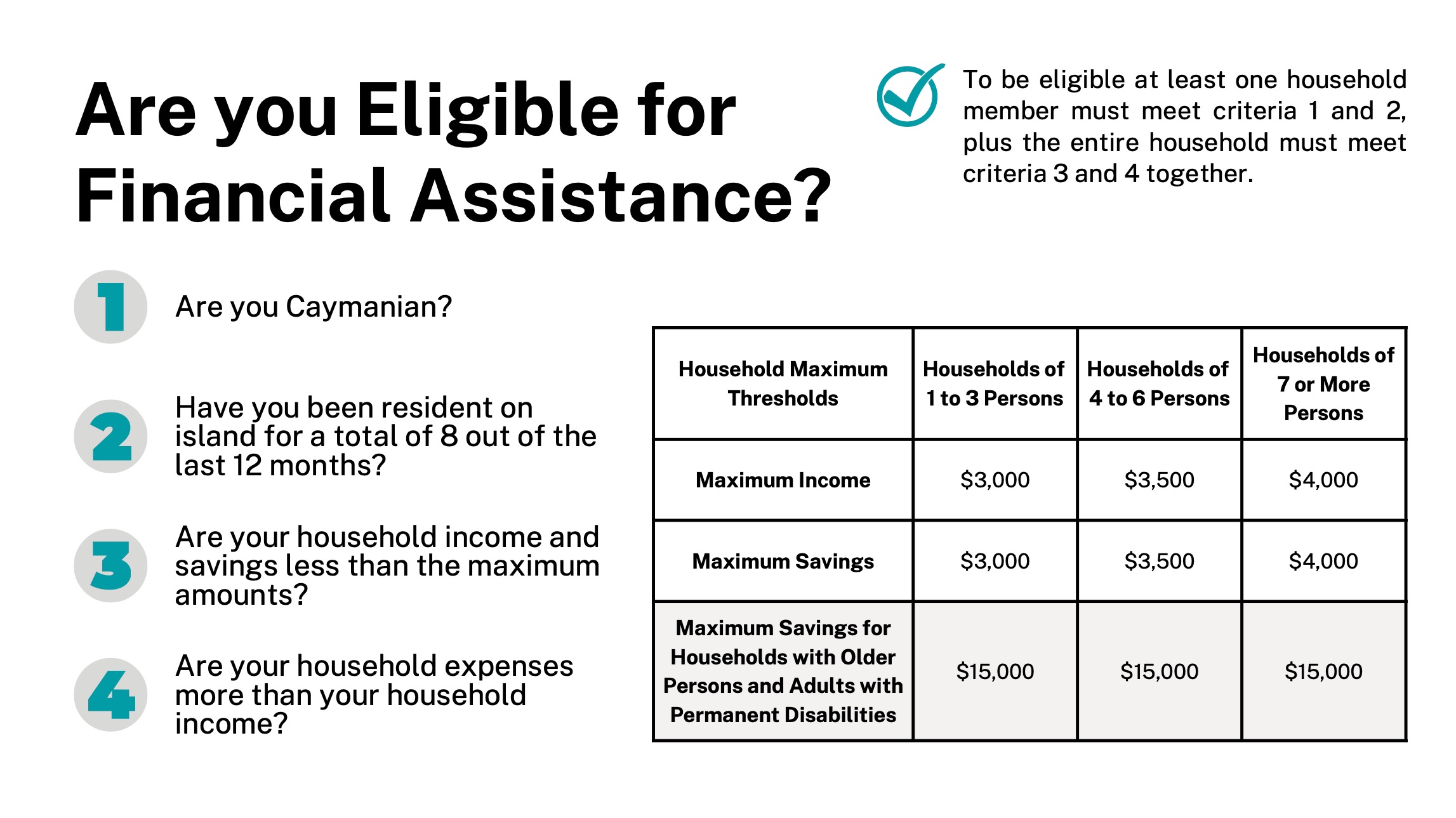
Specifically, financial assistance is available when household earnings are less than $3,000 a month (going up to $4,000 for homes of seven or more people) and the household’s savings are less than $3,000 (going up to $15,000 when there are older or disabled people in the home.
Speaking with the media, prior to the meeting, Ebanks acknowledged other gaps in the government support network – from housing and adequate pensions to health insurance – which he said his colleagues were working to remedy.
He said the changes to financial assistance were designed to make that process more efficient, fairer and more transparent but acknowledged it would not deal with all the ills of society.
Internships provide a ‘bridge’
The internships, he said, would be calibrated to the needs of the recipient. Someone out of work for several years might be linked to a soft skills training programme. Others with more recent job experience could be connected to Meals on Wheels or to a potential employer to help them develop new skills or experience and segue back to paid work.
“The goal is that they can proudly say, ‘I don’t need the government any more’ and the money going to those persons now can be reallocated to others,” he added.
Mehr Petkovsek, senior policy advisor in the ministry, said several government, private and non-profit organisations had agreed to be part of the programme.
She added, “Conditions can also be things like mental health services or assessment or parenting support.
“The first step is figuring out what kind of barriers might be at a more systemic level that are stopping you from being able to access those opportunities.”
The upside for the applicants is more consistent access to aid as they go through those programmes.
Petkovsek highlighted several other key changes in the legislation and regulations:
- Government will now pay a one-off deposit for those receiving rental support – it is up to the tenant after that first payment to ensure they keep the house in good order and get the deposit back if they move assistance.
- An increase in rental assistance to a maximum of $3,000 (up from $1,800) for families of seven or more, and greater flexibility in the amounts allowed for smaller families.
- Changes to the definition of ‘household’ to allow older persons to access financial support even if they live with a child or grandchild who has savings.
- Immediate emergency support provision for people in crisis.
- Internet, transport and telephone bills among new categories of financial assistance.
- Assistance available for mortgages – as well as rent – in limited circumstances.
- Referrals for mental health support, soft skills or job training, internships or work placements as a condition of extended financial aid.
-
Reconsideration and appeals process for those aggrieved by a decision of the department.
Related Videos












This is a great initiative. Kudos to Minister André Ebanks. Wonderful to see him addressing the situation with real numbers and analysis. This is a very solvable situation.