The Cayman Islands’ gross domestic product in 2022 was the highest ever recorded and its unemployment rate was down to the lowest in years, according to the latest statistics.
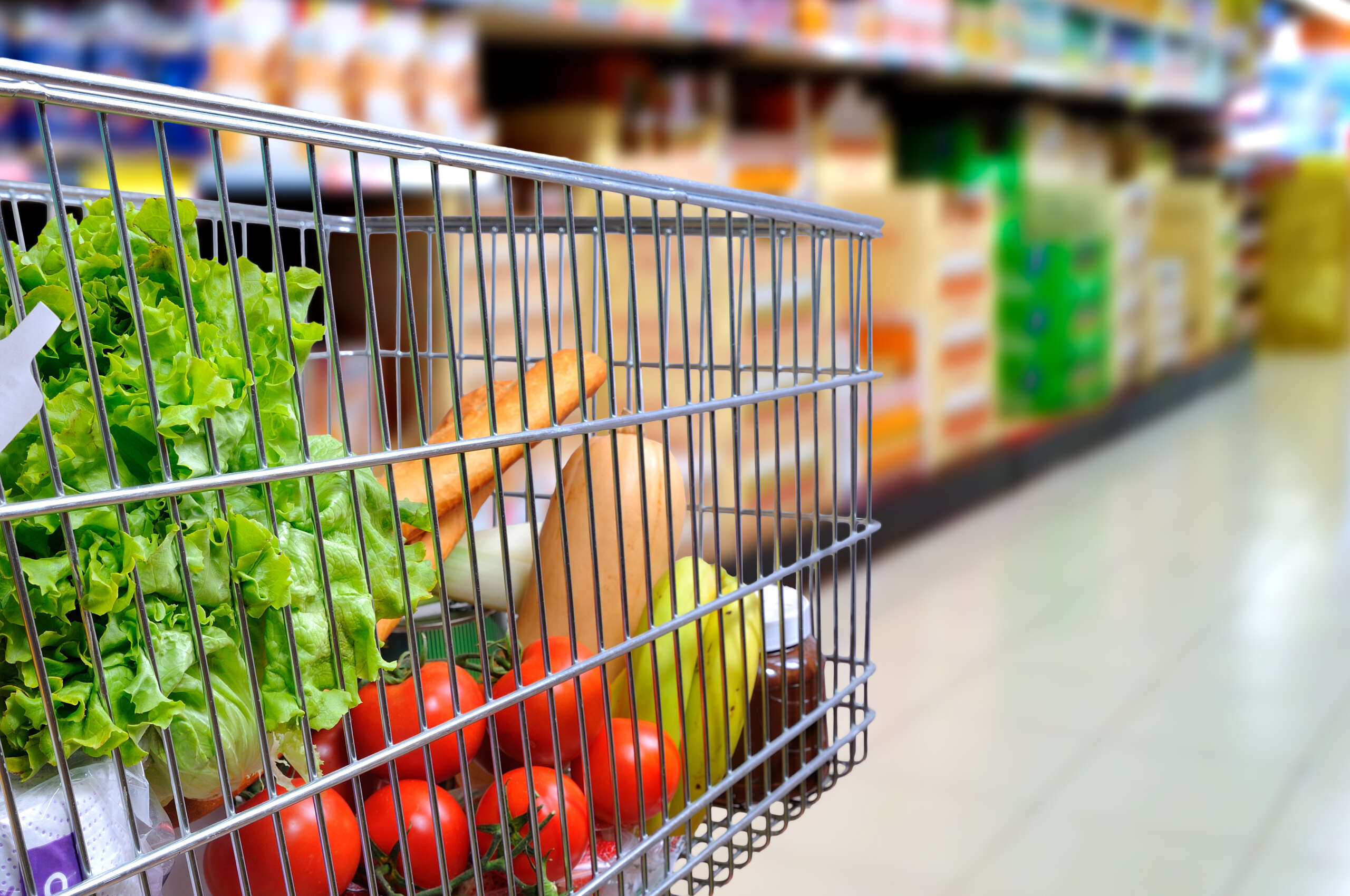
However, the cost of living increased substantially, with the consumer price index hitting a new high.
These and other data insights were revealed in the Economics and Statistics Office’s recently published Cayman Islands Compendium of Statistics 2022.
The annual data document features a comprehensive collection of statistics from various public and private sector sources.
This week’s article covers national income, consumer prices, labour force, employment, agriculture, tourism, planning, transport and communication.
National income and consumer prices
Cayman’s gross domestic product grew from 2021 to 2022 from $5,023 million to an estimated $5,704 million – an increase of 13.5%.
However, the average economic output per person decreased from $74,181 to $72,612.
The consumer price index – the change in prices paid by consumers for goods and services over time – was the highest in the 15 years recorded in the compendium at 126.1 in 2022.
It grew 29% from the first record in 2008 when it was 97.6, and 9.5% from 2021 when it was 115.2.
During 2022, it increased in the first three quarters from 122.5 in March to 125.3 in June to 128.8 in September. It then dropped slightly in the last quarter to 127.9 in December.
Some of the groups of products or services that saw the largest price increases were food, clothing, housing and utilities, household equipment, and transport.
A chart of the prices of single items shows a big rise in the cost of basic ingredients, like flour from $3.75 in 2021 to $6.11 in 2022, and white eggs from $3.55 in 2021 to $8.41 in 2022.
Fruit and vegetable prices also went up. Tomatoes rose from $3.62 in 2021 to $4.40 in 2022, while iceberg lettuce rose from $4.16 in 2021 to $6.62 in 2022.
The cost of boys’ and men’s clothing appeared to drop, but the price of women’s clothing rose. Meanwhile, the cost of shoes rose substantially for all genders and ages.
Other things that experienced large increases in price between 2021 and 2022 included studio apartments, household furniture, hypertension drugs, and diesel.
Labour force and employment
The number of people of working age in the Cayman Islands in 2022 was the highest recorded, at 69,383, while those in the labour force – defined as anyone who is working or seeking employment – were 57,582.
Of those, 56,355 were employed – 35,691 Caymanians and 21,891 non-Caymanians – and 1,227 or 2.1% were unemployed – 796 Caymanians and 431 non-Caymanians.
The unemployment rate was highest among 15-24-year-olds, and lowest among those aged 45 to 54.
Of the industries, agriculture, construction and transportation were male dominated, while health, social work, education and financial services were female dominated.
Caymanians dominated public administration, financial services and accommodation, while non-Caymanians dominated education, administration, construction and restaurants.
The compendium shows that, since the first record in 2014, the number of work permits issued – 33,532 – is the highest to date.
More than a third of those – 14,473 – were issued to Jamaican citizens; 5,181 to Philippine citizens; 1,945 to British citizens; 1,823 to Indian citizens; 1,229 to Honduras citizens; and 1,203 to Canadian citizens.
Cayman’s government had a total 4,489 staff members in 2022, while statutory authorities and government corporations had 2,803.
Of those in government, 954 worked for the Ministry of Education; 533 for the Office of the Commissioner of Police; and 492 for the Ministry of Border Control and Labour.
Agriculture
Many of the charts on agriculture in the compendium do not include statistics for 2022 and finish at 2021.
However, a chart detailing livestock from 2012 to 2022 showed that the number of animals killed for meat in the government abattoir in 2022 was 714, up from 613 in 2021.
That included 220 cows, 74 goats and 420 pigs.
Another 674 animals – 44 cows, 262 goats and 368 pigs – were killed in private facilities.
The number of chickens produced by the Department of Agriculture – based on the number of day-old chicks sold – included 6,768 layers and 7,635 broilers (raised for meat).
This total of 14,403 was down significantly from 2021 when 22,402 were produced.
Tourism
The number of visitors arriving into Cayman in 2022 increased dramatically from 2021, mainly due to the removal of COVID-19 pandemic restrictions that had been in place.
There were 284,300 visitors arriving by air and 743,400 arriving by cruise ship – a total of 1,027,700 people.
Prior to the pandemic in 2020 and 2021, this was the lowest number of arrivals in at least 25 years.
The majority of the air arrivals – 284,300 or 80% – came from the USA, while 19,900 or 7% flew from Canada; 16,500 or 5.8% flew from Europe; and 4,300 or 1.5% from Latin America.
The peak travel time for flyers was in December, with November and July the next most popular months to fly into Cayman.
The total number of tourist accommodation rooms is at its highest ever at 7,331 – 4,645 were apartments or guest houses and 2,686 were hotel rooms.
Physical planning
In 2022, according to the compendium, there were 930 development plans approved in Grand Cayman, at a total value of $741 million.
This was down considerably from 2021 when the value of planning approvals was $1.3 billion, despite the number of approvals that year being lower, at 803.
This was mainly due to the lack of ‘other’ developments, details of which are not specified in the chart, which dropped in value from $448 million in 2021 to $76 million in 2022.
Meanwhile, last year, 1,039 building permits were granted in Grand Cayman, at a value of $951 million.
During the same year, 2,659 items of freehold land or property were transferred, amounting to $1,238 million, or an average of $465,000 per item.
Transport and communication
During 2022, 7,283 people passed their written and road driving tests – another 6,449 failed.
A total of 45,664 vehicles passed inspection – the largest number in the 11 years listed in the compendium, and an increase from 37,887 in 2021.
The most ships in the past 11 years recorded were registered at 300, with 283 of those being pleasure yachts.
There were 1,190 port calls, including 436 by cargo ships, 258 by cruise ships, and 204 by private ships.
The total amount of mail that the Postal Service handled was down from last year at 3.6 million items.
Infographics created by Stephanie Ditta
Related Videos