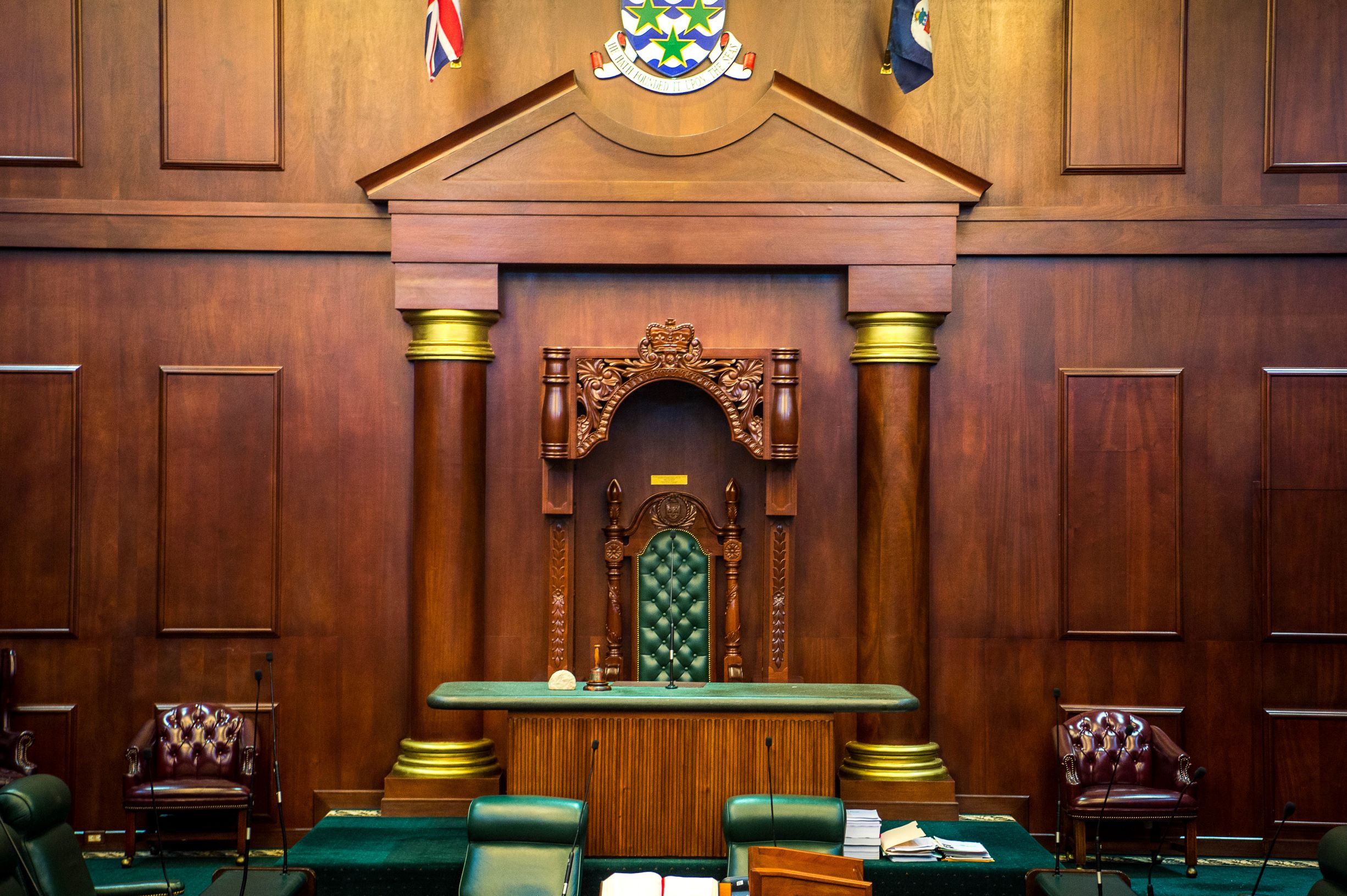

Government is still awaiting word from former Premier Wayne Panton on whether he will accept the role of the Speaker of the House, Premier Juliana O’Connor-Connolly says.
Panton, it was announced last week, had been nominated as Speaker by the newly-formed United People’s Movement which saw the Newlands MP exit his role of premier.
However, Panton, in his farewell statement last week, made no mention of the Speaker’s role, only saying that “I will continue to serve as a Member of Parliament and a servant of the people.”
“Indeed, I will continue to use my experience and skill to help guide the Cayman Islands, offering my best advice and wisdom so that the next generation of leadership in this country can do the best for CaymanKind today, tomorrow, and always,” Panton stated.
The Cayman Compass reached out to Panton in the aftermath of the change in leadership of the government, asking whether he had accepted the nomination and whether he was part of the UPM government.
Panton issued a one-line response, “I remain an independent.”
Appearing on Radio Cayman’s ‘For the Record’ show on Monday morning, O’Connor-Connolly was asked by a listener if she believed the Speaker of the House should be an elected representative, who effectively has no vote in Parliament, or someone who is chosen from outside the House. She said the Constitution allowed for either option.
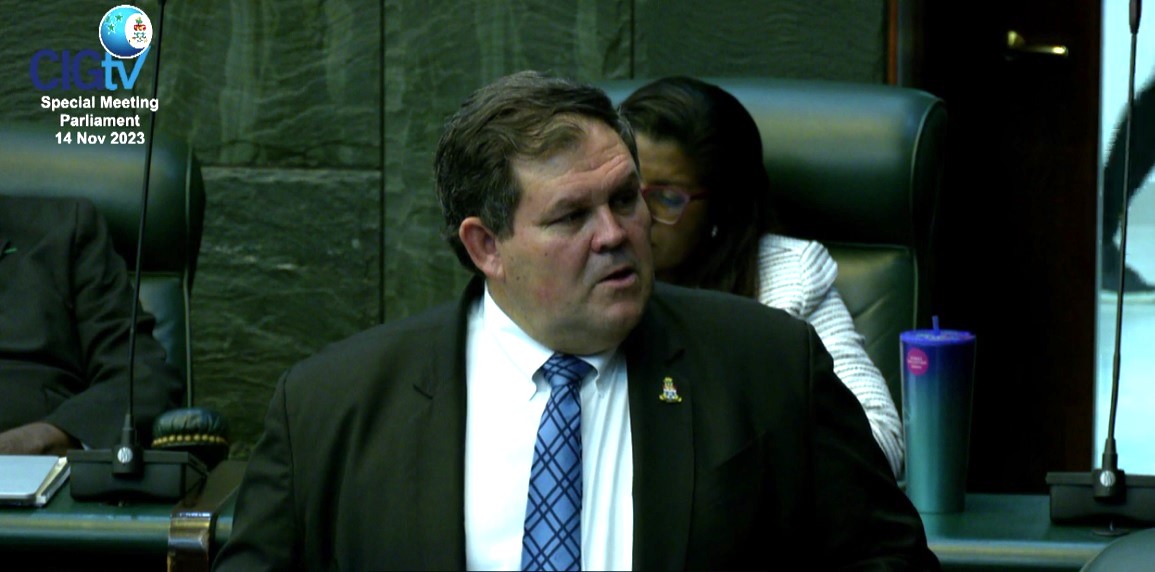
She said Panton had been given the “first offer” of the role, and that she had been reliably informed she should be in possession of a response from him by later this afternoon.
She added that if for “medical”, “political” or other reasons, he turned down the offer, “I have a plan B.”
She did not expand on who else was being considered to take on the Speaker job, but said, “I think the country will be happy with either plan A or plan B.”
If the government cannot find someone among their members in the House to fill the role, the premier can nominate a Speaker from outside Parliament.
The Opposition also has the option to nominate a Speaker. However, they do not have sufficient numbers, unless the government members vote with them, for their nominee to take the chair.
The vacancy in the Speaker’s chair followed the resignation of Katherine Ebanks-Wilks last week in the aftermath of the Opposition’s no-confidence vote at last Tuesday’s special meeting of the House.
This was the culmination of the past few months that had been tumultuous for the then-PACT team as they sought to finalise the national budget.
The vote on 14 Nov. ended 8-7 in favour of the no-confidence motion, with two government ministers, O’Connor-Connolly and André Ebanks, together with the Opposition’s Chris Saunders, abstaining. As that did not constitute a two-thirds majority, as required, the motion did not succeed. Nonetheless, after that meeting, Panton agreed to step down.
Following the vote, negotiations began to form a new government to stave off an early election.
Ebanks-Wilks resigned as Speaker to take over Panton’s portfolio as minister of sustainability and climate resiliency as part of the agreement hammered out by PACT MPs as they reconfigured their team to keep their hold on government.
Eventually, the team emerged under a new name and new leadership – with O’Connor-Connolly as premier and Ebanks as her deputy.
The Speaker does not usually have a vote in Parliament, unless called on to do so in the event of a tied vote, nor can the Speaker caucus with government given the independent nature of the role.
This means, if Panton should take up the Speaker’s role, he will not be able to attend caucus meetings with the UPM administration to set government policy.
Panton has kept his cards close to his chest and it is not clear what his next move will be.
Additional reporting by Norma Connolly
Related Videos