By Taryn Stein

As the fun and festivities of the holidays slowly fade into memory, the harsh reality of our over-indulgences cling to our waistline, leading most of us to set health and weight-loss resolutions this week. In fact, every year millions of people set at least one healthy New Year’s resolution.
Unfortunately, only 9% of people are successful at keeping their resolutions, with most people giving up by 19 Jan.
So, what are the successful 9% doing differently to everyone else?
How habits work
Our brains are busy little machines. They have a lot to think about and accomplish to keep you functioning and productive. So, they effectively set up easy-win automatic behaviours for everyday mundane tasks. These are called autopilot habits, such as brushing your teeth.
When it comes to setting autopilot healthy habits, it’s always easiest to incorporate them into your current lifestyle. Even better, leverage your current habits and include the new habit on top of it – this is called habit-stacking.
For example, let’s say you want to drink more water as your new habit. Identify a habit you already do, such as make a morning coffee. While you’re waiting for your coffee to brew, you can drink a glass of water. This helps increase your water intake, while leveraging your routine coffee-making cue.
How to stick to healthy habits
Small wins = big changes
The first step to sticking to healthy habits is to make micro-commitments. These are baby steps that are easy to do.
Instead of saying, I’ll wake up one hour earlier every morning – start with just 10 minutes. Start with three gym sessions per week instead of seven, for more consistent behaviour, and a habit you’ll stick with beyond January. As you get healthier you can slowly increase your micro-habit.
Limit your resolutions
Pick one healthy habit to focus on at a time (your brain cannot handle more than three new habits simultaneously). Then commit to it for 30 consecutive days.
Your brain loves routines and patterns, so it’s important to get the new habit integrated and on autopilot with consistent action.
Make it fun
Healthy habits should be fun – your brain seeks out pleasure and rewards. If a certain type of exercise fills you with dread, find another way to move your body.
Children don’t exercise to burn calories – they play, for fun. As adults we lose this notion of moving for fun. It’s much easier to motivate ourselves to go have fun than to burn calories.
The same goes for healthy eating – have fun in the kitchen and experiment with new flavours and dishes.
Prepare for setbacks
It’s important to recognise that you will encounter obstacles when changing your habits. It’s inevitable.
It’s not really about the setback, it’s about being prepared ahead of time so you can manage it when it pops up, rather than being derailed.
Here are some ideas to prepare for setbacks:
– If it’s raining, I will do a home exercise video or go to a yoga class.
– I will split the cost of training with an exercise buddy
– If I go to a party, I’ll have a healthy snack beforehand.
Find accountability
Studies have shown that people who write their goals down and find ways to be accountable for them are twice as likely to succeed. Accountability keeps us motivated when it comes to healthy habits.
You can set your accountability by:
– telling a friend/partner, or get them to join you;
– join a group of people with the same goals;
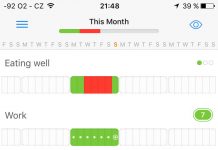
– use a tracking app or smartwatch to measure your progress;
– hire a coach.
Celebrate and reward yourself
To create the positive feelings needed to keep yourself motivated, celebrate your achievements. It can be as simple as a ‘Well done, me!’ to keeping track of your improvements.
Celebrate bigger milestones with non-food gifts, such as a new workout gear, movie tickets or a spa day.
Good luck – focus on one habit, make it small and achievable, and do it for 30 days.
Taryn Stein, of Mind Shift Me, is a wellness nutrition coach and dietician.
Related Videos