Cayman’s national budget process is facing a complete overhaul with government taking steps to move towards a more transparent and efficient outcomes-based framework.
This week government issued a request for proposals for consultancy services to implement an outcome-based budgeting and reporting framework inclusive of a system to support budget preparation and reporting.
Accountant General Matthew Tibbetts told the Cayman Compass the aim is to have the new process in place for the third quarter of 2025 for the 2026-2027 budget.
He said there will be no changes to the current 2024-2025 budget.
Long-overdue changes
While Auditor General Sue Winspear, who has flagged issues with the existing process in the past, welcomed the move to change the budgeting and reporting framework, she said the delay to get it off the ground was “disappointing”.
“We do appreciate that changing a budgeting system is not straightforward but the delays are disappointing, especially given the resource hungry and inefficient budget process we currently have. As evidence of that, the most recent work on the 2024-25 budget cycle ran from February to December 2023,” she told the Cayman Compass via email.
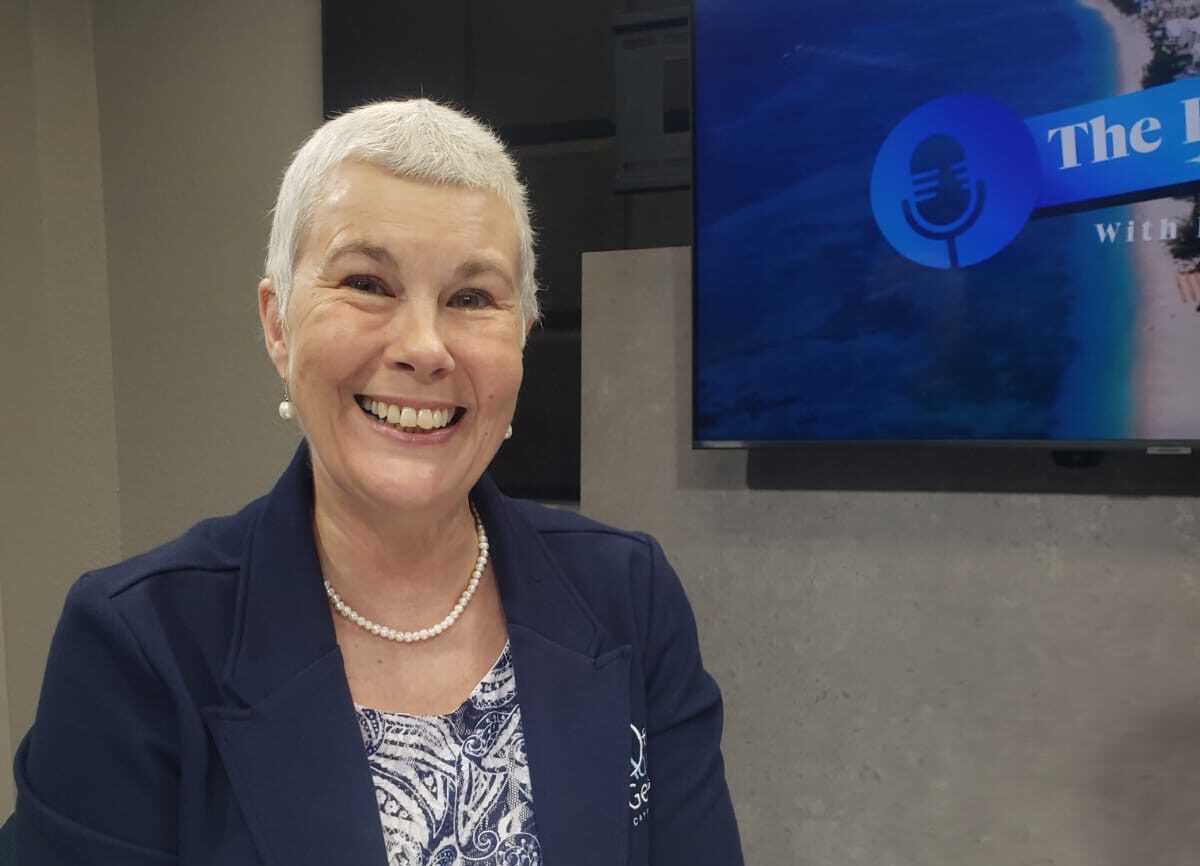
For years, Winspear’s office has called for reform of the budget process, making repeated recommendations to change the way appropriations are calculated and shorten the overall amount of time it takes to prepare the budget.
“Outcomes-based budgeting focuses on results, providing greater transparency between government policies, spending, and the outcomes achieved for society. It shifts the focus to the quality or effectiveness of services provided, and what difference is being made, rather than mere outputs,” she said.
In 2013, the Office of the Auditor General first recommended that government simplify the budgeting framework and move to an outcomes-based approach. This recommendation has been repeated, most recently in 2020, but to date no changes have been made.
“When this recommendation was made again in 2020, Government first said it would implement an outcomes-based framework by March 2023. This deadline was later postponed to December 2025,” Winspear said.
However, she added, “at least the (request for proposals) is a start”.
“Ironically, the procurement of the new budgeting system has been delayed because of the time taken preparing this 2024-25 budget. Government issuing a Request for Proposals for phase 2 of its project to change the budgeting and reporting framework is positive but for the project and its implementation to be successful, civil servants will need to work closely alongside the successful bidder,” she suggested.
Tibbetts explained that the Ministry of Finance and Economic Development is looking to modernise its budgeting and reporting framework and move to a strategic results-based approach.
“Outcome-based budgeting is a leading approach to budgeting, which aligns resources with results and is organised by the services government provides to support the broad strategic outcomes. It is a forward-looking and outcome-focused approach to budgeting, which starts by looking forward at what results matter, rather than looking back at last year’s budget allocations. For example, is our population healthier, more educated, safer, etc.,” he said.
The new process will focus on the actual outcomes or results that have been achieved from government expenditures.
“The new process will improve the link between funding and delivery of results/outcomes. With objective measures, the new framework will ensure that the government delivers actual results rather than simply producing outputs that may or may not result in the desired change,” Tibbetts said.
This move to change the process comes against the backdrop of last year’s lengthy budget formulation.
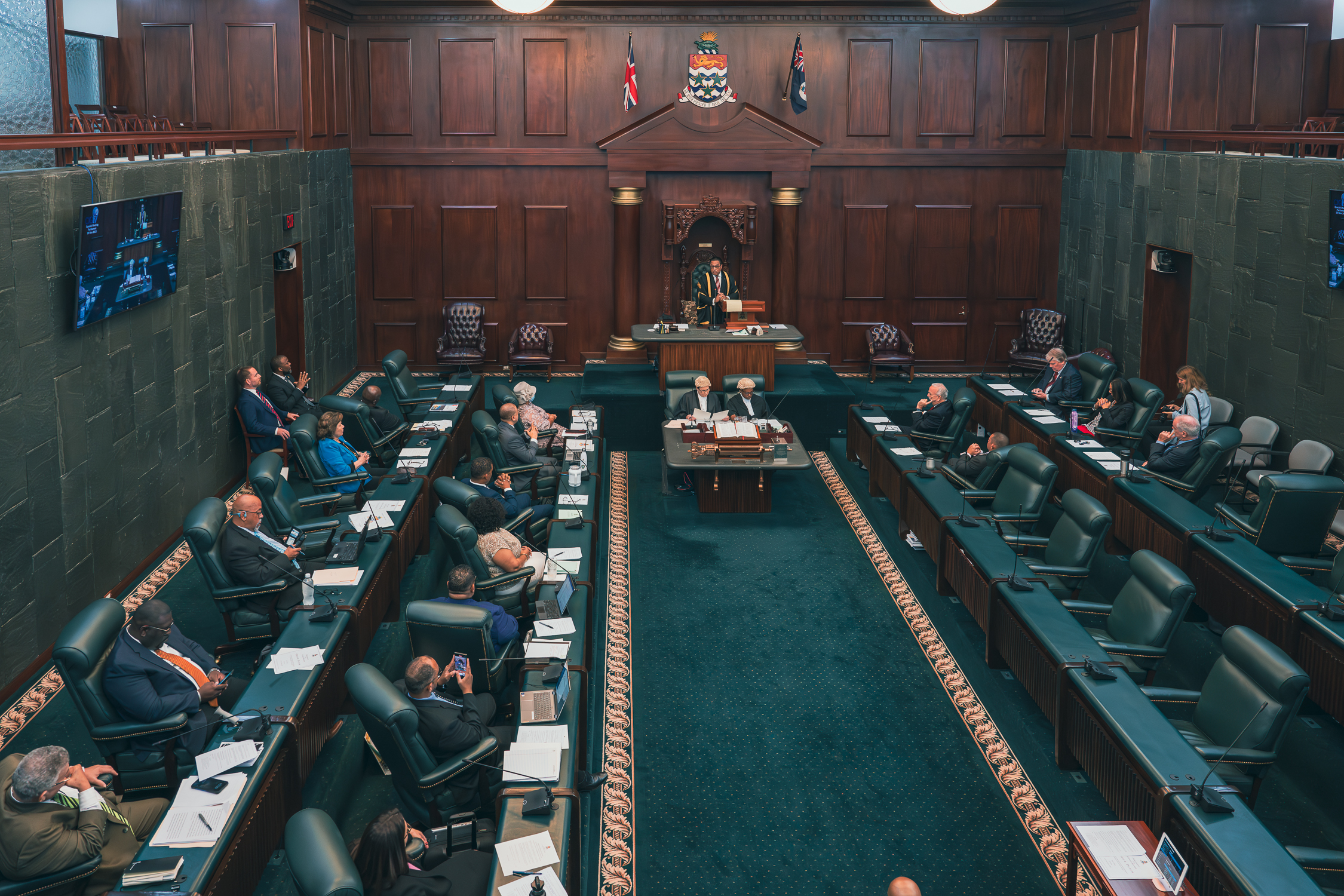
Approval of the budget went almost down to the wire with legislators approving the fiscal package in mid-December, mere weeks before the 31 Dec. deadline.
Related Videos