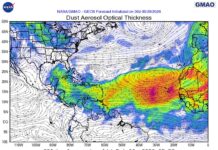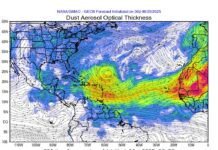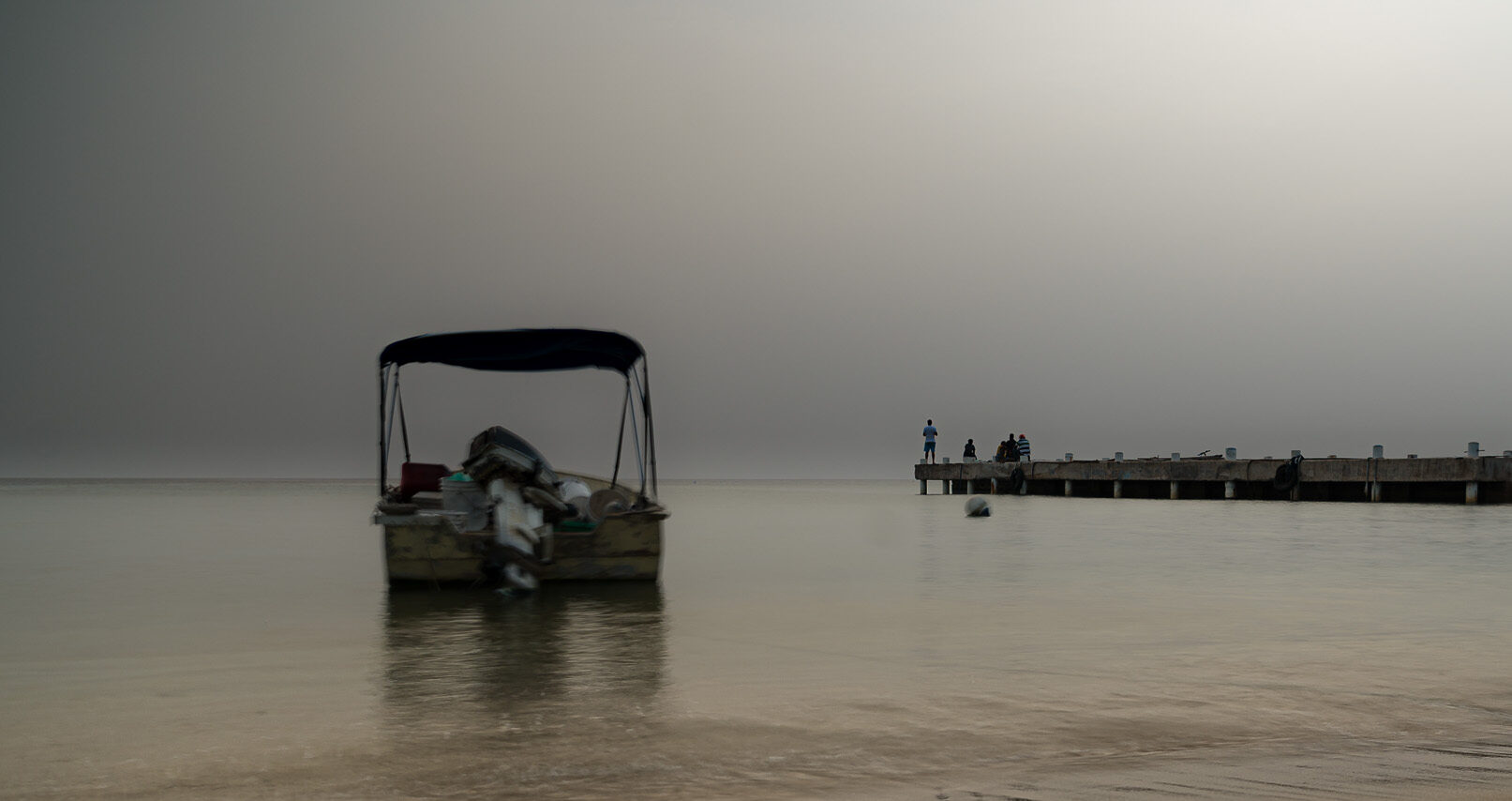
Saharan dust clouds are likely to hamper the intensity and frequency of storm development within the Atlantic hurricane basin, according to new research.
Dry air is one of several factors which were discussed in the research paper that was published in the latest issue of Science Advances on 24 July.
The research, which centred on 19 years’ worth of weather data such as rainfall levels and atmospheric conditions, was extrapolated by machine learning model XGBoost, which is used to identify and scale trends and correlations.
“It has been reported that Saharan dust tends to suppress the formation of tropical cyclones via a cooling effect on [sea surface temperature] that consequently cuts the energy supply for [tropical cyclones],” asserts the paper, which also notes that the suppression is due to the ability of the cloud to block varying wavelengths of sunlight from reaching the surface of the sea.
Since 2020, the frequency and intensity of the Saharan dust clouds have increased significantly due to climate change induced by human activity, according to regional and international forecasters.
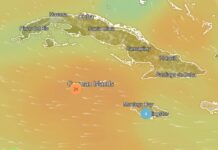
“Saharan dust clouds are large areas of dry air which [are drawn into] weather systems like hurricanes and help to reduce the moisture, causing them to weaken,” Cayman Islands National Weather Services Meteorologist Allan Ebanks told the Compass, though he declined to comment on the impact of the dust clouds on the wider hurricane season.
The research is far from settled, however, as the paper acknowledges that current limitations to microparticulate measurements indicate there is more information which is still to be gleamed – which could either strengthen or weaken the conclusions drawn so far.
However, anecdotal evidence seems to suggest scientists are on the right path, as the emergence of the most recent round of Saharan dust clouds has apparently helped to suppress storm activity throughout the Atlantic basin.
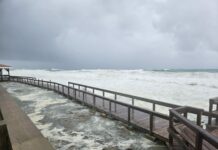
Proof of this suppression can be seen in the lack of storm development since the passage of Hurricane Beryl, a historic Category 5 storm which wreaked havoc throughout the eastern Caribbean and across part of Jamaica, claiming at least three lives.
A further update from international weather-monitoring groups and agencies, such as the California State University Tropical Meteorology research project and US National Hurricane Center, is expected to provide more information on the matter in the coming weeks.
Related Videos