

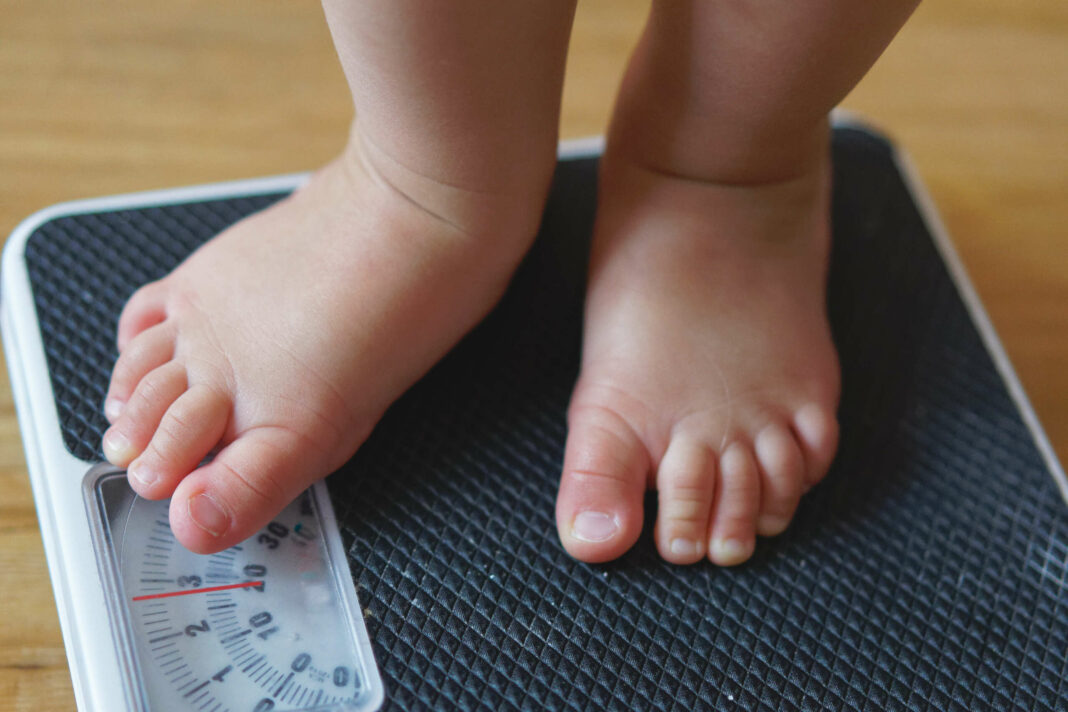
With one in every eight children entering primary school last September being obese, local medical professionals say Cayman’s battle against obesity has to start before school age to get health challenges under control.

According to data collected as the 2023-2024 school year began in September last year, 13% of children entering reception were obese, and another 9% were overweight.
Health statistics have shown that 7 in 10 adults in Cayman are overweight and one-third are obese, according to the preliminary findings of the STEPS national health survey.
Medical professionals like Dr. Sara Watkin, consultant paediatrician and neonatologist at Optimal Healthcare, say urgent community action is needed to turn the problem around.
“The Cayman Islands are suffering a massive obesity challenge. It is important to acknowledge that obesity is not just a lifestyle choice, but rather it is a multi-factorial disease,” Watkin told the Cayman Compass.
The entry checks at primary schools for the 2022-2023 year showed that one in four kids were obese or overweight.
Health professionals say a greater effort is needed to head off the increased risk for diseases associated with obesity.
“Obesity is a disease that needs tackling because, in the long term, it will lead to diabetes, heart disease, increased risk of certain cancers, mobility issues, and a massive healthcare cost for the whole population,” said Watkin, who is also a clinical board member of the Cayman Heart Foundation.
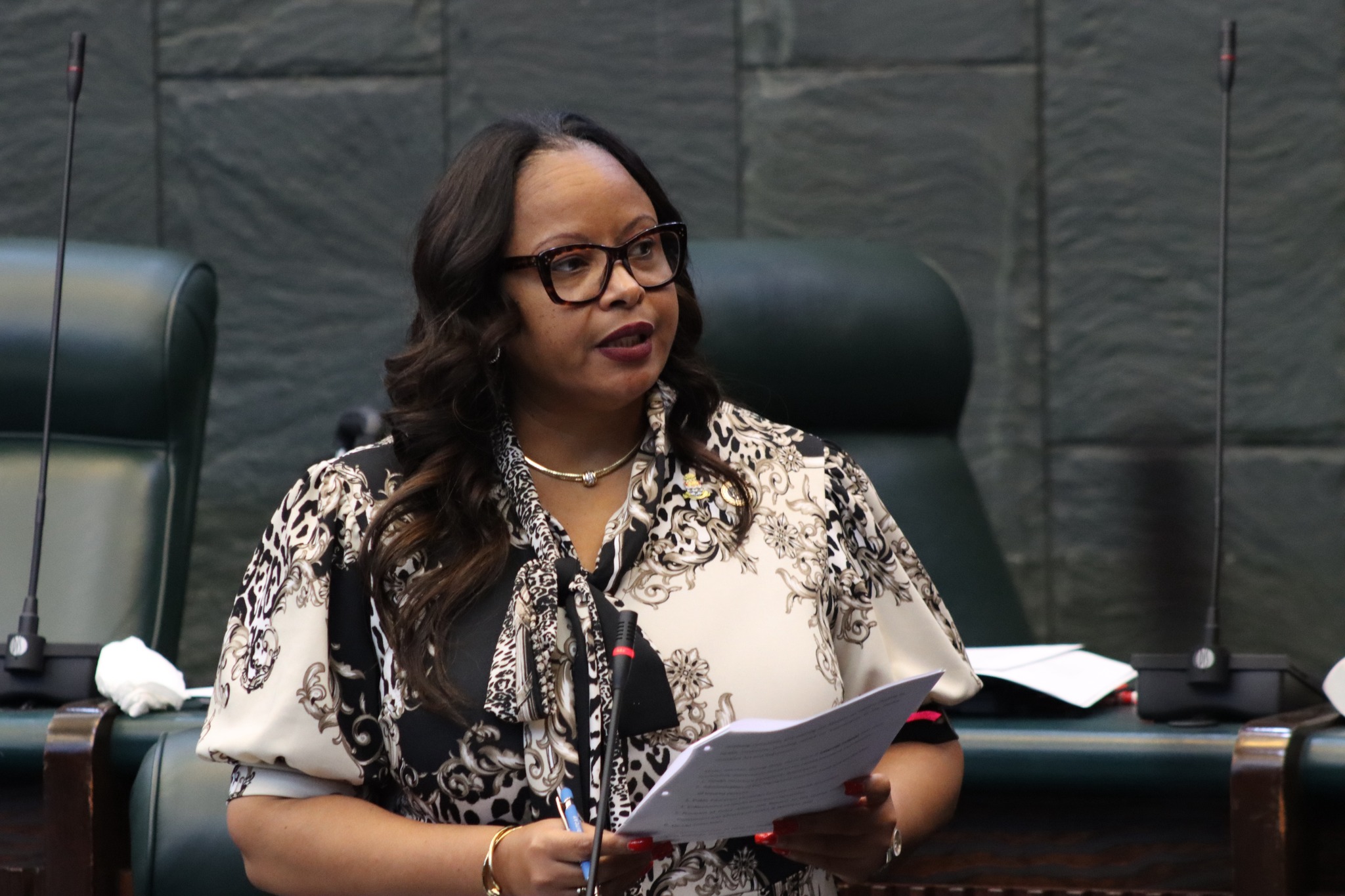
Health and Wellness Minister Sabrina Turner, speaking during the recent sitting of Parliament, expressed concern about the situation.
She said that, according to the Public Health Department’s school entry screening obesity data report for the 2023-2024 school year, 9% of children were overweight and a further 13% were obese.
She added that “among older children, ages 7-18, who arrived on island and entered school after reception, a higher proportion were overweight at 14% and obese at 20%,” she said, meaning that, of those children, 1 in 7 was overweight and 1 in 5 was obese upon entering school.
Over the past six years of available school entry screening data, Turner said, the proportion of children starting primary school who are obese has fluctuated between 13% and 16%, peaking at 22% for 2021-2022.
The data, “difficult as it may be”, serves as a mirror reflecting the reality of the health of the nation, she said.
“It helps us to better understand where our priorities need to lie, as individual citizens and decision-makers, and where multi-ministerial and multi-agency responses will get our nation on a track to health and wellness,” she said.
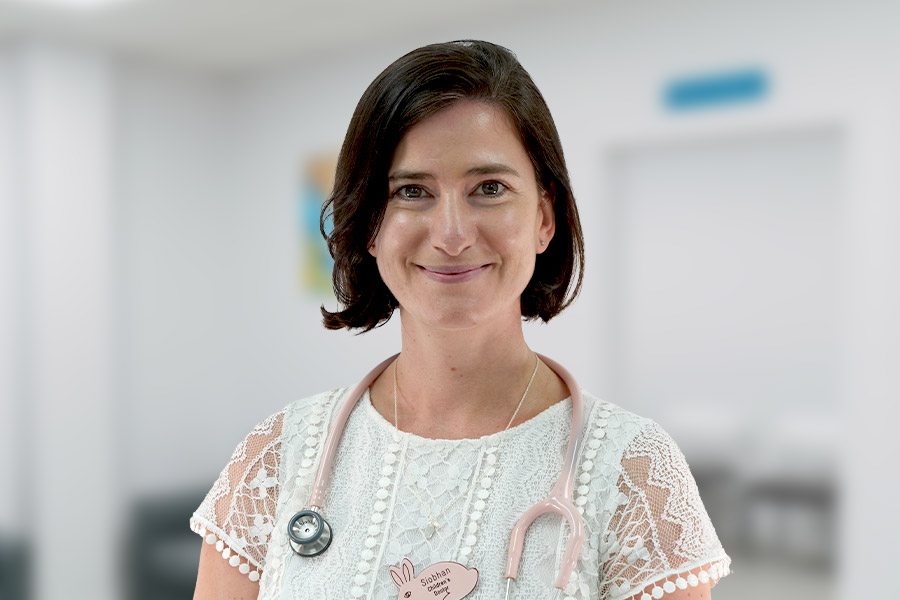
Dr. Siobhan Jaques, specialist neonatologist and paediatrician at Integra Healthcare, said obesity “is a significant concern” for all healthcare professionals, particularly in children.
Being overweight as a child, she said, is not only associated with developing conditions such as type 2 diabetes and early onset cardiovascular disease, but it also can lead to psychosocial problems and affect performance in school.
“Children who are overweight are likely to remain overweight in adulthood, increasing their risk of long-term illnesses such as diabetes, heart problems, etc,” she said in an emailed comment.
More than healthy choices
Lots of children, Jaques said, consume too many ultra-processed foods, which are generally high in fat, salt and sugar and do not contain important micronutrients or provide a feeling of fullness.
Watkin said the statistics reflect a deeper issue when it comes to getting the community behind healthy living.
“We need to recognise that obesity runs in families and is more prevalent in poor social economic environments. It needs tackling not just at an individual level, but at a population, political and governmental level,” she said.
Turner acknowledged this in her statement, saying the implications for Cayman “are tremendous” when it comes to obesity.
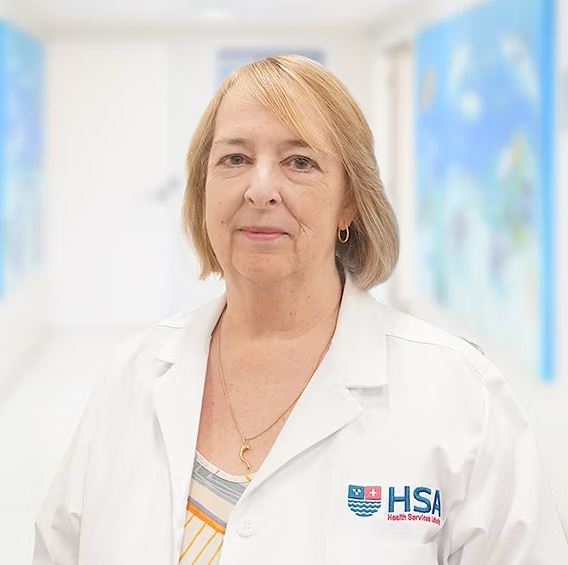
Dr. Fiona Robertson, a general practice physician with the Health Services Authority, agreed, saying that there has to be a conscious effort, from a child’s birth through to adulthood, to guide healthy choices and actions.
“The first thing to do is to start early and get into the schools and talk about nutrition and make sure that our school lunches are healthy. I mean, even breastfeeding right at the beginning has an influence on what your child does later on,” she said.
She suggested looking at the nutrition programmes that are offered up through age 10, which focus mostly on parental nutrition training, as a guide to start incorporating better choices.
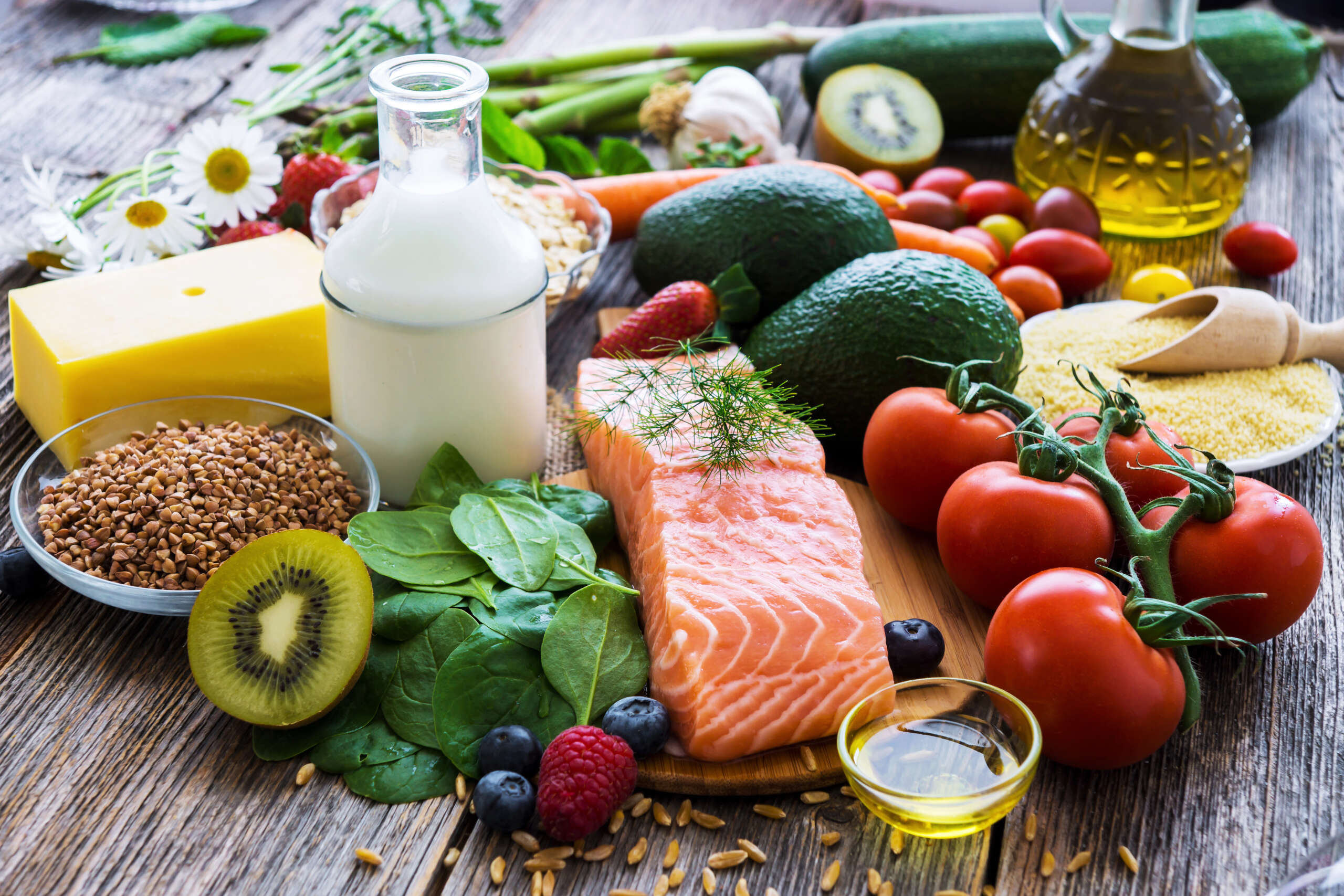
Jaques said that obesity is a problem for society as a whole and “we need to ensure that fresh whole foods are available and affordable for all”.
Maureen Cubbon, chef and owner of Zest, said the way the community looks at food and nutrition needs to shift.
She said there are many free resources on island that can help residents get on track and stay on a healthy path.

“People really have to think about that long-term solution and making small changes. It’s easy to tell people to exercise and it’s easy to tell people to eat their vegetables, but we have to make that information accessible and easy for people to use and put into their own lives, and I think that’s the challenge,” she said.
Cubbon said a lifestyle overhaul can be overwhelming, but if taken in small steps, it can have positive effects.
She said people have started looking at what goes into their bodies and what they are spending their money on in the supermarket to get “the best bang for their dollars nutrient wise”.
Watkin noted that parents need to lead by example.
“At a simple level, many of us are eating too much. We need to give appropriate portion sizes for children of different ages. In general, a portion of fruit, vegetables or starch should be the size of a child’s fist and the size of protein the size of their palm,” she said.
A typical meal should have one portion of protein, one of starch and two portions of vegetables, she recommended.
Socio-economic issues
Watkin said this issue is not specific to the Cayman Islands, as across the world obesity is increasing, especially within economically deprived groups.
However, she said from a community standpoint, “In Cayman, where the minimum wage is low and where fast food and unhealthy food is cheap compared to fresh food and produce, it is easy to understand why people find themselves in the situation they are in.”
Those factors, accompanied by minimal physical education in school and poor access to free exercise after school “puts children and their parents – as obesity definitely runs within families – at risk”, she said.
Robertson added that the changing dynamic of development in the community and the declining access to space along the beach for exercise are also hindrances for those seeking to get in shape.
“If we have better facilities to go and keep our people active, it would be a better idea. It’s difficult even to go and walk the beach nowadays, because we’ve got so many people building on the beach,” she said.
Watkin suggested that, as a country, Cayman needs more space to exercise at a low cost.
“These include safe cycling lanes on all major roads, easy beach access, access to safe walking paths in all districts, access to sports facilities for all regardless of affordability,” she said, noting the community needs to ensure physical education is a fundamental part of every school’s curriculum.
Related Videos










I’d recommend reading:
“Fast Food Genocide: How Processed Food is Killing Us and What We Can Do About It”
by Joel Fuhrman and Robert Phillips
A little over the top but his position is that food companies design foods that are addictive, fattening but lacking in nutrition.
Even back in 1963 Lay’s potato chip boasted:
“Betcha can’t eat just one”
https://www.historyoasis.com/post/betcha-cant-eat-just-one
Very difficult when almost all adults and people in authority also obese.
Poor children don’t have much of a chance escaping obesity.