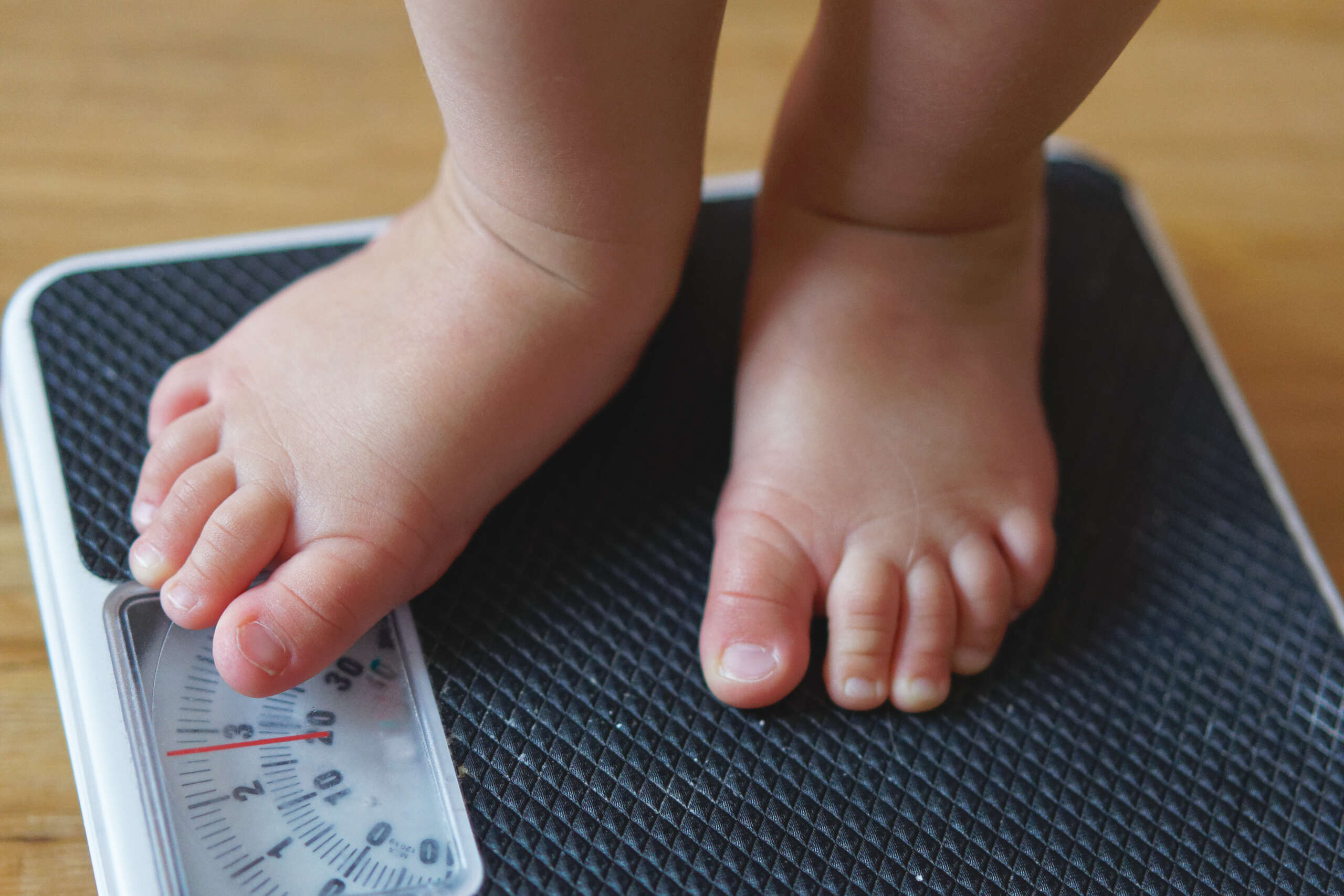
When the school year began in 2022, intake data has shown that 1-in-5 children entering primary school for the first time and 2-in-5 in their final year are either obese or overweight.
Speaking on the Cayman Compass talkshow, ‘The Resh Hour’ on 26 April, national epidemiologist Rachel Corbett revealed the figures as she discussed local health trends.
She said, according to 2022-23 data from the School Health Programme, which covers all primary schools across Cayman, 26% of children entering school were either overweight or obese, and that percentage climbed to 40% for Year 6 students.
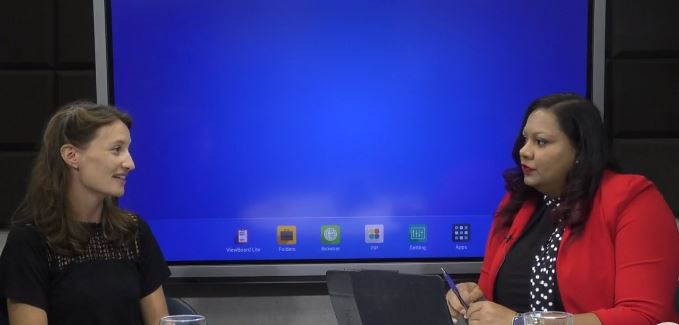
The issue of childhood obesity should be of national concern, Corbett said, with action from the entire community needed to address the problem.
Obesity among Cayman’s children is not a new issue. A 2013 Public Health Department screening of the 530 children who entered primary school in September the previous year, found 92, or 17.4%, of them were obese, and 86, or 16%, were overweight.
Community effort needed
There have been a number of efforts over the years to tackle the problem.
“There’s been the government school meals programme… we can look at the nutrition in that. We can also look at increasing physical activity in schools and education, but I think it is important to recognise this isn’t just the responsibility of schools. This is everyone’s responsibility and that’s very much true when you’re looking at chronic illness,” she said.
If Cayman is going to take action to deal with this problem, Corbett said, it needs to be across both government and the private sector, in communities and in families.
“It’s really a mandate for all… just changing something in one area isn’t really going to be enough to address it,” she said.
Though the statistics are not “unusual” – for example, the situation in the United States is similar – it is still “very much concerning” for a small community such as Cayman, Corbett added.
If a child starts school life overweight, she said, “it’s putting a barrier up for them for progressing, and there are different impacts that that could have for the children as well. Their attendance at school could be affected or they could be put at higher risk of other health issues… breathing problems and things like that. So it is really important that we find ways to try and reduce this,” she said.
She noted that as students are effectively a “captive audience” in schools, they can be encouraged to maintain healthy lifestyles.
Stakeholders should consider how they can work with schools to address childhood obesity, she added.
STEPS survey key to tracking trends
However, it is not only Cayman’s childhood obesity problem that needs attention, as the number of non-communicable diseases in the community is also a matter of concern.
Corbett, analysing existing data, said it is clear that obesity in the community is a problem, given that cardiovascular disease, often exacerbated by weight issues, is the leading cause of death on the island.
She said local data is “patchy” when it comes to the real picture of the community’s health, which is why the upcoming STEPS national health survey will assist in providing medical professionals with a clearer idea of what is happening in the population.
The survey, which will run from June through July, will be conducted by interviews and health checks with 3,300 randomly selected individuals.
One person in e each selected household will be invited to take part in the voluntary survey, she said.
Though participation is not required by law, Corbett is asking the community to get involved “because if lots of people don’t want to… we won’t be able to gather enough information for this to be representative of all the Cayman Islands”.
She said the small sample size was necessary for the targeted data officials are seeking on the number of cases of non-communicable diseases and local risk factors.
Corbett said a full report of the survey will be provided in the autumn, but she expects preliminary numbers to be released before the aggregated results are issued, and hopes the data can drive policy.
“It definitely will be used for health policy in [the Ministry of Health], but also for other ministries to use. Health is an aspect that affects everyone; it affects your workforce and how much people are able to take part in that. It affects the business of Cayman Islands,” she said, pointing to the need to look at land use and “how we can make our population healthier”, thorough exercise, use of green space and walking areas.
Related Videos